
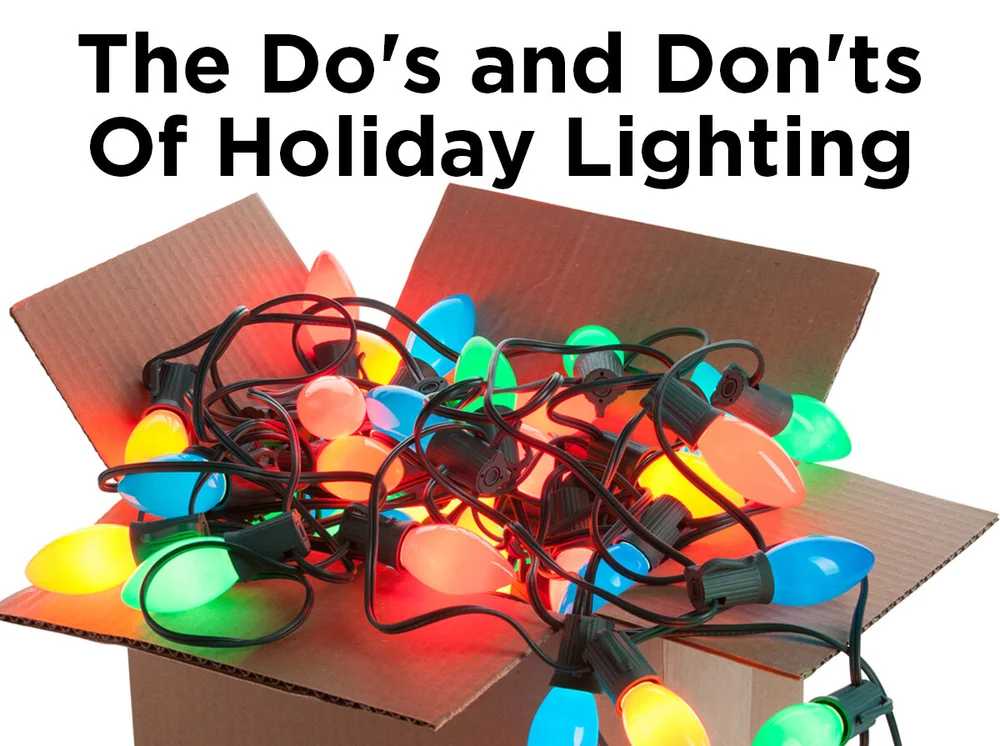
Are you wondering how many Christmas lights you can safely string together without causing problems? You’re not alone.
When decorating your home, getting the perfect glow without overloading your lights is key. Too few strands, and your display might look sparse. Too many, and you risk blown fuses or even electrical hazards. You’ll discover simple tips to help you string your lights perfectly, keeping your holiday cheer bright and safe.
Keep reading to make your decorations shine without a hitch!
Types Of Christmas Lights
Christmas lights come in different types. Each type has unique features and limits on how many strings you can connect. Understanding these types helps you decorate safely and beautifully. Here are the main kinds of Christmas lights to consider.
Incandescent Lights
Incandescent lights are the traditional choice. They use small bulbs that get warm when lit. These lights consume more electricity than newer types. You can usually connect 3 to 5 strings safely. Exceeding this may cause bulbs to burn out or wires to heat up. They offer a warm, classic glow that many enjoy.
Led Lights
LED lights are energy-efficient and last longer. They stay cool to the touch, making them safer. You can connect more LED strings together, often up to 10 or 20. LEDs use less power and reduce the risk of fire. They come in many colors and styles for creative decorating.
Battery Operated Lights
Battery operated lights do not need outlets. They are great for places without power sources. These lights run on batteries and usually have fewer bulbs per string. You can connect fewer strings because of battery limits. Perfect for small areas and flexible decorating ideas.
Power Limits For Stringing Lights
Power limits are key to safely stringing Christmas lights. Overloading can cause blown fuses or fire hazards. Understanding voltage and wattage helps prevent these risks. Different bulbs have different power needs. Knowing the maximum number of strings you can connect keeps your display bright and safe.
Voltage And Wattage Basics
Voltage measures the electric force in a circuit. Most Christmas lights run on 120 volts in the U.S. Wattage shows how much power a bulb uses. Higher wattage means more electricity and heat. Always check the package for voltage and wattage details. This info tells you how many strings you can safely add.
Maximum Strings For Incandescent
Incandescent bulbs use more power than LEDs. Each string usually has 50 to 100 bulbs. The typical limit is 3 to 5 strings connected end to end. This keeps the total wattage below 300 watts. Going beyond this risks overheating wires or blowing fuses. Use a power meter to be sure.
Maximum Strings For Led
LED lights are more energy-efficient and cooler. You can string more LEDs together safely. Limits often reach 10 to 15 strings per circuit. LED strings usually use about 10 watts each. This low wattage lowers the risk of overload. Always check the manufacturer’s instructions for exact limits.
Safety Tips For Connecting Lights
Connecting too many Christmas lights can cause overheating and electrical problems. Check the light string’s packaging for maximum connection limits. Always use lights designed for indoor or outdoor use as indicated.
When it comes to decorating for Christmas, stringing lights is a favorite activity. But safety is crucial to prevent accidents and ensure a joyful holiday. Here are some essential safety tips for connecting Christmas lights.Avoiding Overloads
Never connect too many lights in one outlet. Each string of lights has a maximum wattage. Check this information on the package. Do not exceed the outlet’s limit. Overloading can cause overheating and fires. Use multiple outlets if needed. Always prioritize safety over convenience.Using Proper Extension Cords
Choose extension cords designed for outdoor use if stringing lights outside. Indoor cords are not weather-resistant. They can cause electrical hazards when exposed to moisture. Ensure the cord’s wattage matches or exceeds your lights’ total wattage. Avoid running cords under rugs or furniture. This can lead to overheating.Weatherproofing Connections
Keep all electrical connections dry to prevent hazards. Use weatherproof covers for outdoor plugs. Ensure connections are off the ground. Moisture can lead to short circuits. Consider using a ground fault circuit interrupter (GFCI). It cuts off electricity if water is detected. This adds an extra layer of safety.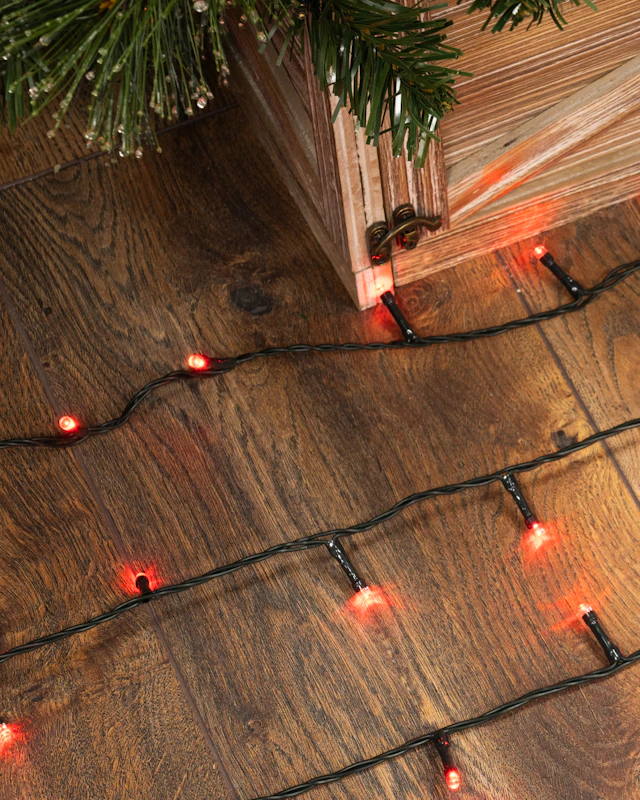
Credit: www.christmastreeworld.co.uk
Calculating Light String Capacity
Knowing how many Christmas lights you can safely string together is key to a dazzling and hazard-free display. Calculating the capacity of your light strings means understanding the electrical limits before you start plugging in more bulbs. This helps you avoid blown fuses, overheating, or even fire risks while maximizing your festive glow.
Checking Manufacturer Guidelines
Always start by reading the packaging or instruction manual that comes with your Christmas lights. Manufacturers usually specify the maximum number of strings that can be connected end-to-end safely.
For example, if a box says you can link up to three strings, plugging in five might cause a short circuit. If you’ve ever ignored this advice and blown a fuse, you know the frustration it brings.
Keep these guidelines handy and follow them closely to keep your decorations safe and working perfectly all season.
Estimating Total Wattage
Each light string has a wattage rating, which tells you how much power it uses. To find the total wattage, multiply the wattage per string by the number of strings you want to connect.
For instance, if one string uses 40 watts and you plan to connect five, your total wattage will be 200 watts. Make sure your power source and extension cords can handle this amount without overheating.
Checking wattage helps you avoid overloads that could trip your home’s circuit breaker or damage your lights.
Using Amp Ratings
Amps measure the electrical current your lights draw. To calculate amps, divide the total wattage by your power supply voltage (usually 120 volts in the US).
| Total Wattage (W) | Voltage (V) | Calculated Amps (A) |
|---|---|---|
| 200 W | 120 V | 1.67 A |
Next, check the amp rating of your circuit or extension cord and ensure your total amps don’t exceed it. If your circuit is rated for 15 amps, and your lights draw 1.67 amps, you have plenty of room to add more strings—but always leave some margin for safety.
Understanding amps is crucial for preventing electrical problems and keeping your holiday setup secure.
Using Light Controllers And Timers
Using light controllers and timers can make managing your Christmas lights easier and safer. They help you control how many strands you connect and when the lights turn on or off. This not only enhances your display but also protects your electrical setup from overload.
Benefits Of Controllers
Light controllers let you manage multiple strings of lights from one central device. This means you can create coordinated light patterns without unplugging and replugging strands constantly. Controllers also reduce the risk of electrical shorts by limiting how many lights are powered at once.
Have you noticed how some displays flash or change colors in sync? That’s the work of a good controller. It adds a professional touch and makes your decorations stand out, all while keeping the connections safe.
Setting Up Timers
Timers take the guesswork out of when your lights should operate. You can set them to turn on at dusk and off late at night, so you never worry about leaving lights on too long. This convenience ensures your display is always ready for visitors without extra effort from you.
Setting a timer is straightforward. Just plug your lights into the timer, select your desired on and off times, and let it run. Some timers even allow for daily or weekly schedules, perfect if you want your lights to follow a routine during the holiday season.
Energy Saving Tips
Using controllers and timers together can significantly cut down your electricity use. Controllers prevent you from overloading circuits, while timers make sure lights aren’t on when no one is around to enjoy them.
Try using LED lights with your setup—they use less energy and last longer. Also, consider grouping lights on separate circuits to avoid tripping breakers. Have you checked if your current setup could be more efficient? Small changes here can lead to noticeable savings on your energy bill.

Credit: www.amazon.com
Troubleshooting Common Issues
Troubleshooting common issues with Christmas lights helps keep your display bright. Problems like burned out bulbs, flickering lights, and damaged cords can stop your lights from working well. Identifying and fixing these issues saves time and keeps your decorations safe. Here are some simple ways to solve these common problems.
Fixing Burned Out Bulbs
Burned out bulbs often cause entire light strands to go dark. Find the burnt bulb by checking for a broken filament or darkened glass. Replace the bad bulb with one of the same type and size. Use bulbs from the original pack or buy matching ones. Make sure the new bulb fits tightly to avoid loose connections. Test the strand after replacement to ensure it works properly.
Dealing With Flickering Lights
Flickering lights can be annoying and may signal a loose bulb or poor connection. Check each bulb and socket for tightness. Clean sockets carefully with a dry cloth to remove dust or debris. Inspect the plug and extension cords for damage. Try plugging the lights into a different outlet to rule out power issues. Replace any bulbs that cause flickering after tightening or cleaning.
Replacing Damaged Cords
Damaged cords pose safety hazards and need immediate attention. Look for cuts, frays, or exposed wires along the cord. Do not use lights with damaged cords. Replace the entire light strand or cord if possible. Use electrical tape only as a temporary fix and keep lights unplugged during repair. Always buy cords that meet safety standards for outdoor or indoor use.
Creative Ways To String More Lights
Creative ways to string more Christmas lights can brighten any holiday display. Expanding your light setup safely requires smart planning and clever ideas. These tips help you increase the number of lights while keeping your decorations safe and stunning.
Combining Different Light Types
Mixing LED and incandescent lights lets you add more strands without overloading circuits. LED lights use less power, so you can string more of them together. Use incandescent lights in smaller groups and add larger LED sections. This balance keeps your display bright and energy-efficient.
Using Multiple Circuits
Divide your lights across several circuits to avoid overloading a single one. Plug different sections into separate outlets or power strips. This spreads the electrical load and reduces risk. Use timers or smart plugs to control each circuit easily and keep your setup organized.
Enhancing With Reflectors
Reflectors boost the brightness of your lights without adding more bulbs. Place shiny surfaces behind lights to bounce light outward. Use mirrors, aluminum foil, or reflective tape for this effect. Reflectors make your display look fuller and more dazzling without extra power use.
Credit: www.christmastreeworld.co.uk
Frequently Asked Questions
How Many Christmas Lights Can I Safely String Together?
The number depends on the light type and manufacturer guidelines. Typically, LED lights allow 50-100 strands, while incandescent lights allow 3-5. Always check the packaging for specific limits to avoid overheating or electrical hazards.
Why Does The Number Of Christmas Lights Matter?
Too many lights can overload circuits, causing power outages or fire risks. Proper limits ensure safety and optimal performance. Following guidelines prevents damage to your lights and electrical system during holiday decorating.
Can I Connect Different Types Of Christmas Lights Together?
It’s not recommended. Mixing LED and incandescent lights can cause electrical issues. Use lights of the same type and voltage to ensure safety and proper function.
What Happens If I Exceed The Recommended Christmas Light Limit?
Exceeding limits may cause bulbs to burn out, wires to overheat, or circuits to trip. This increases fire hazards and can damage your lighting setup. Always follow manufacturer instructions for safe use.
Conclusion
Knowing how many Christmas lights to string together keeps your display safe. Follow the manufacturer’s limits for each light set. Too many lights can cause wires to overheat. Use extension cords and power strips carefully. Always check connections before turning lights on.
This way, your decorations will shine bright without risks. Enjoy a beautiful, safe holiday season with well-planned lighting. Simple steps make a big difference in safety and style. Keep your home festive and worry-free this Christmas.



