
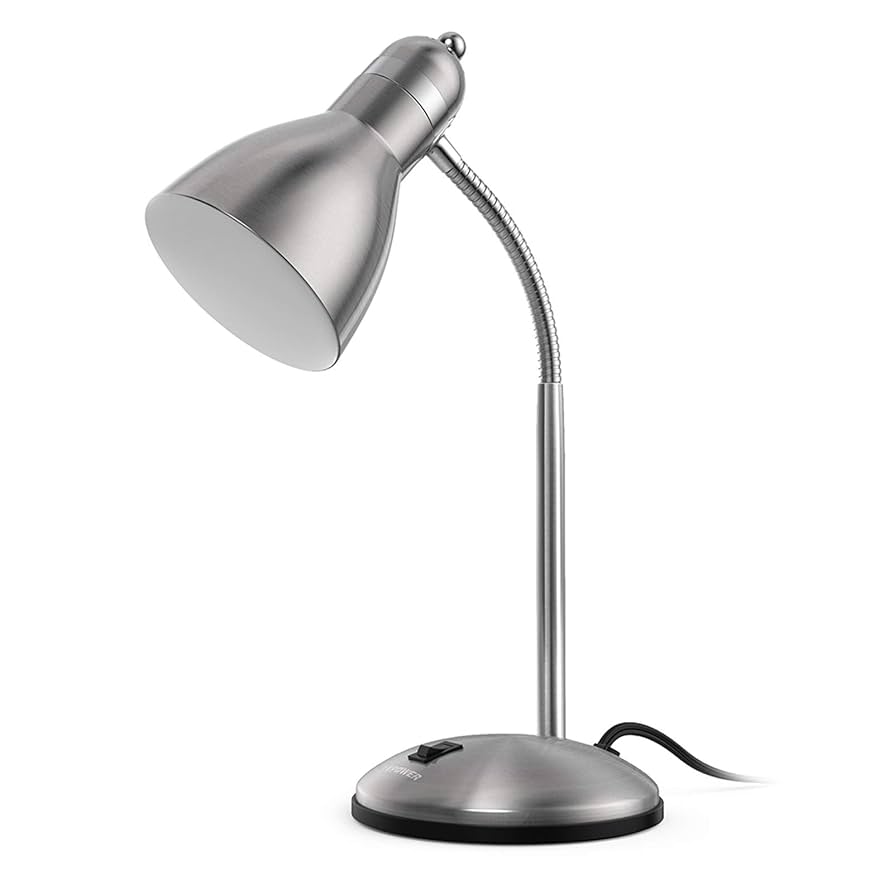
Have you ever wondered how many watts a desk lamp uses? Knowing this simple fact can help you save energy, reduce your electricity bill, and choose the right lamp for your workspace.
Whether you’re reading, working, or just need a bit of extra light, understanding wattage is key. Keep reading, and you’ll discover everything you need to know about desk lamp wattage—so you can make smarter, brighter choices for your room and your wallet.

Credit: www.amazon.com
Desk Lamp Wattage Basics
Understanding desk lamp wattage is essential for choosing the right light for your workspace. Wattage tells you how much energy a lamp uses. It also affects the brightness and power efficiency. Knowing the basics helps you pick a lamp that fits your needs and saves energy.
Common Wattage Ranges
Desk lamps usually range from 5 to 60 watts. Lower wattage lamps, around 5 to 15 watts, are good for soft, ambient light. Medium wattage lamps, 20 to 40 watts, offer brighter light for reading or working. Higher wattage lamps, 40 to 60 watts, provide strong illumination but use more power.
Wattage Vs Brightness
Wattage does not always equal brightness. Brightness is measured in lumens, not watts. A 10-watt LED bulb can be brighter than a 40-watt incandescent bulb. Choosing bulbs with high lumens per watt means better light with less energy. Focus on lumens to find the right brightness for your desk lamp.
Types Of Bulbs And Power Use
- Incandescent bulbsuse more watts but produce less light.
- Compact fluorescent lamps (CFLs)use less power and last longer.
- LED bulbsare the most energy-efficient with high brightness at low wattage.
Choosing the right bulb type can reduce power use and improve your lighting experience.
Choosing Wattage For Different Tasks
Choosing the right wattage for your desk lamp depends heavily on what you use the light for. Different tasks require different levels of brightness to keep your eyes comfortable and focused. Understanding which wattage suits each activity can improve your workspace and prevent eye strain.
Reading And Studying
When reading or studying, you need clear and bright light. A desk lamp with a wattage between 40 to 60 watts usually works best. This range provides enough brightness to see text clearly without causing glare or fatigue.
Have you noticed how your eyes feel after long reading sessions under dim light? It’s often because the lamp isn’t bright enough. Consider using LED bulbs labeled as 400 to 800 lumens, which balance brightness and energy efficiency perfectly for these tasks.
Office Work
Office work often involves looking at screens and paper documents. Here, a lamp with about 60 to 75 watts is ideal. It helps reduce eye strain caused by the contrast between your screen’s brightness and the surrounding light.
Think about your own desk setup. Is your lamp bright enough to light your keyboard and papers clearly? If not, increasing wattage or switching to daylight bulbs can make a noticeable difference in productivity and comfort.
Ambient Lighting
Ambient lighting creates a soft glow to enhance the room’s atmosphere rather than provide intense brightness. For this, a desk lamp with 15 to 40 watts is usually sufficient. It adds warmth without overpowering the space.
Have you ever tried working or relaxing under a lamp that’s too bright for the mood? It can feel distracting. Lower wattage lamps help set a calm environment, perfect for winding down after a busy day or adding gentle background light.
Energy Efficiency And Desk Lamps
Energy efficiency is an essential consideration when choosing a desk lamp. Not only does it impact your electricity bill, but it also contributes to a sustainable environment. Let’s explore how different types of desk lamps measure up in terms of energy efficiency.
Led Vs Incandescent
LED lamps are known for their outstanding energy efficiency. They use up to 80% less energy compared to traditional incandescent bulbs. This means, a typical 5-watt LED can produce the same brightness as a 40-watt incandescent bulb.
On the other hand, incandescent bulbs convert most of their energy into heat, wasting electricity and causing higher energy costs. Have you noticed how hot an incandescent bulb gets? That’s energy literally going up in heat.
Power Consumption Tips
Consider using LED bulbs with adjustable brightness settings. This allows you to use only the amount of light you need, saving energy.
Turn off your desk lamp when it’s not in use. Even the most energy-efficient lamp can waste power if left on unnecessarily.
Use a lamp with a timer or motion sensor to ensure it turns off automatically when you’re not around. These features are practical and can greatly reduce your energy consumption.
Long-term Energy Savings
Investing in an LED desk lamp may have a higher upfront cost, but the long-term savings are substantial. LED bulbs last much longer than incandescent ones, reducing the need for frequent replacements.
Lower energy bills are another significant benefit. Over time, the reduced electricity usage can lead to noticeable savings in your monthly expenses.
Have you calculated how much you can save annually by switching to LEDs? It might surprise you how quickly those savings add up, making it a smart investment for both your wallet and the planet.

Credit: www.amazon.com
Measuring Desk Lamp Brightness
Measuring desk lamp brightness is more than just checking the wattage on the bulb. Wattage tells you how much energy the lamp uses, but it doesn’t directly indicate how bright the light will be. To choose the right lamp for your workspace, you need to understand how brightness is measured and what those numbers mean for your eyes and productivity.
Lumens Explained
Lumens measure the actual amount of light emitted by a bulb. The higher the lumens, the brighter the light. Unlike watts, lumens give you a clear picture of the lamp’s brightness regardless of the type of bulb used.
Think of lumens as the true indicator of how much light you’ll get on your desk. A bulb with 800 lumens will shine about as brightly as a traditional 60-watt incandescent bulb, but often with less energy consumption.
Watt To Lumens Conversion
Wattage shows energy use, not brightness. Different bulbs produce different lumens at the same wattage. For example:
| Bulb Type | Wattage | Approximate Lumens |
|---|---|---|
| Incandescent | 60 W | 800 lm |
| LED | 10 W | 800 lm |
| CFL | 13 W | 800 lm |
Would you choose a bulb based on watts alone? Knowing lumens helps you pick a lamp that’s bright enough without wasting energy.
Ideal Brightness Levels
What brightness works best for your desk? It depends on your tasks and personal comfort. For reading and detailed work, 400 to 800 lumens is usually ideal.
If your lamp is too dim, your eyes strain. Too bright, and you might get glare or headaches. Adjustable lamps let you fine-tune brightness, which can make a big difference during long work sessions.
Ask yourself: Does your current lamp make your workspace feel inviting and easy on your eyes? If not, focusing on lumens instead of watts could change your experience completely.
Safety And Power Considerations
Understanding the safety and power aspects of your desk lamp is essential to keep your workspace secure and efficient. Using the right wattage not only protects your lamp but also prevents hazards that can disrupt your routine. Let’s look at key areas you should keep in mind to avoid common risks and make the most of your desk lamp’s power.
Avoiding Overloading
Overloading happens when you use a bulb with wattage higher than the lamp’s maximum rating. This can cause electrical issues or even a fire hazard. Always check the lamp’s label or manual to find the recommended wattage.
Think about your own setup—have you ever plugged in too many devices in one outlet? The same logic applies here. Using a bulb that fits the lamp’s design ensures safety and longevity.
Heat Emission
Higher wattage bulbs generate more heat, which can be risky if your lamp isn’t designed to handle it. Excessive heat may damage the lamp’s components or cause burns if touched. LED bulbs are a great alternative—they use less wattage and produce much less heat.
Have you noticed your lamp getting hot after a few hours? That’s a sign to switch to a cooler, energy-efficient bulb. Managing heat improves your comfort and keeps your desk area safer.
Proper Lamp Usage
Using your lamp correctly means more than just picking the right bulb. Position your lamp so it illuminates your workspace without causing glare or shadows. Regularly inspect your lamp for frayed cords or loose parts, which can be dangerous.
Remember, your desk lamp should support your work, not interrupt it. Are you maintaining your lamp well enough to prevent accidents? Small habits like turning off the lamp when not in use also save energy and extend bulb life.

Credit: www.amazon.com
Smart Desk Lamps And Power Control
Smart desk lamps offer more than just light. They help control power use and brightness easily. These lamps adapt to your needs and save energy. They come with features to adjust light intensity and conserve electricity.
Smart lamps often have built-in technology for easy control. You can change settings without moving from your seat. Power control is a key feature that helps reduce wattage use. This keeps your desk well-lit without wasting energy.
Dimmable Features
Dimmable smart lamps let you change light brightness. You can set soft or bright light based on tasks. Dimming reduces power use and extends lamp life. It helps create a comfortable work environment at any time.
Energy-saving Modes
Many smart desk lamps include energy-saving modes. These modes cut power when light is not needed. Sensors can detect room brightness or movement. The lamp adjusts or turns off automatically to save energy.
Remote And App Controls
Smart lamps often work with remotes or mobile apps. You can switch them on or off from a distance. Apps allow precise control over brightness and color. This makes managing power easy and convenient.
Frequently Asked Questions
How Many Watts Does A Typical Desk Lamp Use?
A typical desk lamp uses between 15 to 60 watts. LED lamps consume less power, around 5 to 15 watts. The wattage depends on the bulb type and brightness level. Energy-efficient bulbs help reduce electricity usage.
Can I Use Led Bulbs In My Desk Lamp?
Yes, LED bulbs are compatible with most desk lamps. They use less energy and last longer than traditional bulbs. LEDs provide bright, focused light ideal for reading or working. Always check the lamp’s maximum wattage before installing.
What Wattage Is Best For Desk Lamp Brightness?
A desk lamp with 40 to 60 watts provides sufficient brightness for most tasks. LED equivalents use fewer watts but offer the same light output. Choose wattage based on the task and room lighting to avoid eye strain.
Does Higher Wattage Mean Better Desk Lamp Light?
Higher wattage usually means brighter light but also more energy use. Choose wattage that matches your lighting needs without wasting power. Modern LED lamps offer bright light at low wattage, improving efficiency.
Conclusion
Choosing the right wattage for a desk lamp saves energy and improves comfort. Most desk lamps use between 5 and 60 watts. Lower watt means softer light, good for relaxing. Higher watt gives brighter light, ideal for work or study.
Consider what you need the lamp for. Also, LED bulbs use less watt but give bright light. Check your lamp’s label to find the best watt range. This helps avoid burning out bulbs or wasting power. A good desk lamp makes your space better and easier to use.



