
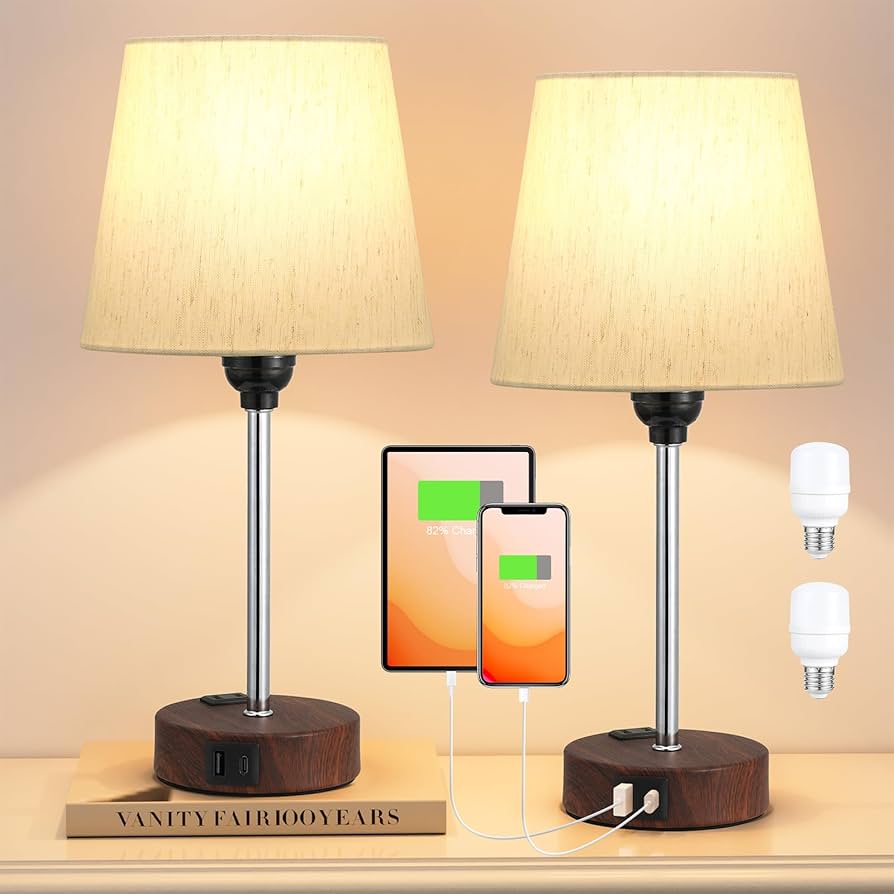
Have you ever wondered why your desk lamp feels uncomfortable or creates annoying shadows while you work? The side of your desk where you place your lamp can make a huge difference in how well you see your tasks and how comfortable you feel.
Getting this right can reduce eye strain, boost your focus, and even improve your productivity. You’ll discover the simple trick to positioning your desk lamp perfectly—so you can work smarter, not harder. Keep reading, because the answer might surprise you!
Credit: www.edishine.com
Choosing The Right Desk Lamp Position
Choosing the right desk lamp position is key to a comfortable workspace. Proper placement improves focus and reduces eye strain. It also helps keep the desk neat and organized.
Small changes in lamp position can make a big difference. Consider your work habits and desk layout. Think about how light falls on your materials and screen.
Left Vs. Right Side Placement
Place the lamp on the side opposite your dominant hand. This prevents your hand from casting shadows on your work. For right-handed people, the left side works best. For left-handed people, choose the right side instead.
Positioning the lamp on the correct side creates even light. It helps you see better without moving your head too much. This can reduce neck and eye fatigue during long work hours.
Considering Hand Dominance
Your dominant hand affects where the lamp should go. Light from the wrong side causes shadows from your hand or arm. This can make reading or writing harder.
Right-handed people should keep the lamp on the left. Left-handed people should place it on the right. This simple tip improves comfort and productivity.
Avoiding Shadows And Glare
Shadows make it difficult to see clearly. Glare can cause headaches and tired eyes. Position the lamp so light spreads evenly on your work area.
Adjust the lamp angle to reduce glare on screens or papers. Use lamps with adjustable arms or dimmers for better control. Soft, diffused light works well for most tasks.
Credit: www.nytimes.com
Lighting Types And Their Desk Placement
Choosing the right lighting type and its placement on your desk can change how you work. Different lights serve different purposes. Knowing where to place them helps reduce eye strain and improve focus. Let’s explore task, ambient, and accent lighting for your workspace.
Task Lighting Benefits
Task lighting shines directly on your work area. It helps you see clearly while reading, writing, or using a computer. Place the lamp on the opposite side of your dominant hand to avoid shadows. For example, right-handed people should put the lamp on the left side. This setup reduces glare and brightens the workspace.
Ambient Lighting Options
Ambient lighting fills the room with soft, overall light. It creates a comfortable and inviting atmosphere. Use ceiling lights or desk lamps with diffused bulbs for even light spread. Place the lamp near the back or corner of your desk to avoid harsh reflections. This lighting helps reduce eye fatigue over long hours.
Accent Lighting Uses
Accent lighting highlights specific areas or objects on your desk. It adds style and focus to your workspace. Use small LED lights or decorative lamps for this purpose. Position accent lights to draw attention to plants, photos, or artwork. This type of lighting creates visual interest without overwhelming your work area.
Ergonomic Lighting Tips
Ergonomic lighting plays a crucial role in creating a comfortable and productive workspace. Positioning your desk lamp correctly can reduce fatigue and improve focus during long hours at your desk. Understanding a few key tips about lighting can help you avoid common issues like glare and uneven brightness.
Reducing Eye Strain
Eye strain often comes from harsh shadows or overly bright light sources. Place your lamp on the opposite side of your dominant hand to prevent shadows while writing or using a mouse.
For example, if you are right-handed, position the lamp on the left side of your desk. This simple change can make a big difference in reducing discomfort.
Optimal Brightness Levels
The brightness of your lamp should be strong enough to clearly illuminate your work without causing glare. Aim for a light intensity around 450 to 800 lumens for most desk tasks.
Too bright, and your eyes may tire quickly; too dim, and you’ll squint to see details. Using a lamp with adjustable brightness helps you find the perfect balance for different times of day.
Adjustable Lamp Features
Choose a lamp with adjustable height, angle, and brightness controls to customize your lighting. Being able to direct light exactly where you need it can prevent unnecessary strain.
Consider lamps with flexible arms or swivel heads, which allow you to adapt lighting as your tasks change. Have you tried adjusting your lamp during the day to see how it affects your comfort?
Credit: www.nytimes.com
Desk Setup And Room Layout Impact
Creating the perfect desk setup involves more than just choosing furniture. The position of your lamp can greatly affect your productivity and comfort. Understanding how desk setup and room layout impact your workspace is essential for creating an effective environment.
Natural Light Considerations
Natural light plays a vital role in desk setup. Place your lamp on the side opposite the window. This reduces glare on your screen and minimizes eye strain. If your desk is parallel to the window, position the lamp on the side away from direct sunlight. This ensures balanced lighting without harsh shadows.
Desk Shape And Size Effects
The shape and size of your desk influence lamp placement. On a rectangular desk, position the lamp at one corner. This helps in evenly distributing light across the workspace. For L-shaped desks, place the lamp at the center of the main working area. This ensures that both arms of the desk are well-lit.
Electrical Outlet Placement
Consider electrical outlet locations when placing your lamp. Position the lamp close to an outlet to avoid cord clutter. Using an extension cord can help if the outlet is far. Ensure cords are neatly arranged to maintain a clean workspace.
Creative And Functional Lighting Ideas
Finding the right balance between creativity and function in your desk lighting can transform your workspace. Thoughtful lighting not only brightens your tasks but also shapes the mood and energy of your room. Let’s look at practical ways to make your desk lamp setup both stylish and effective.
Using Multiple Light Sources
Relying on just one lamp can create harsh shadows or uneven light. Adding several light sources lets you control brightness and reduce eye strain. Try combining a desk lamp with overhead lighting or a nearby floor lamp to spread light evenly across your work area.
For example, a small LED strip behind your monitor can reduce glare and add a soft glow. This setup helps your eyes adjust between screen and paper, keeping you comfortable during long work sessions. Have you noticed how different light angles affect your focus?
Incorporating Smart Lamps
Smart lamps offer flexibility that standard lamps can’t match. You can adjust brightness, color temperature, and even schedule lighting changes with a tap on your phone. This means your desk light can switch from bright white for detailed tasks to warm yellow for relaxed reading without you moving a muscle.
Imagine starting your workday with energizing light and winding down with a dim, calming glow. If you haven’t tried smart lighting yet, what’s stopping you? It’s a simple upgrade that adapts to your daily rhythm.
Decorative Lamp Placement
Where you place your lamp affects both how well it lights your desk and how it looks in your space. Positioning the lamp on the side opposite your dominant hand prevents shadows while writing or using a mouse. This small change can make a big difference in comfort and productivity.
Beyond function, lamps can serve as decorative accents. Choose lamps with interesting shapes, colors, or materials that match your room’s style. Placing a lamp near plants or artwork can create a cozy corner that invites creativity. How can your lamp placement inspire your work?
Frequently Asked Questions
Which Side Of Desk Is Best For Lamp Placement?
The best side for a desk lamp depends on your dominant hand. Right-handed people should place the lamp on the left side to avoid shadows. Left-handed people should place it on the right side for clear, shadow-free lighting.
How Does Lamp Placement Affect Desk Shadowing?
Lamp placement directly impacts shadow casting. Positioning the lamp opposite your dominant hand reduces shadows on your workspace. This setup improves visibility, reduces eye strain, and creates a more efficient working environment.
Should Desk Lamps Be Placed Near The Edge Or Center?
Desk lamps should be placed near the edge, opposite your writing hand. This ensures focused light on your work without glare. Center placement often causes shadows and uneven lighting, which can hinder productivity.
Can Lamp Position Improve Workspace Ergonomics?
Yes, proper lamp positioning enhances ergonomics by minimizing eye strain and improving focus. Good lighting reduces the need to lean forward, promoting better posture. This creates a comfortable and healthy workspace environment.
Conclusion
Placing your desk lamp on the correct side matters a lot. It helps reduce shadows and eye strain. Right-handed people usually put lamps on the left side. Left-handed people do the opposite. This simple change makes work easier and more comfortable.
Remember, good lighting improves focus and productivity. Try different spots to find what suits you best. Small adjustments can make a big difference in your workspace. Bright, well-placed light keeps you energized and less tired. Choose the side that fits your needs and habits.



