

Have you ever wondered if your desk lamp might be harming your eyes? You rely on it every day for reading, working, or studying, but is it doing more harm than good?
The truth about desk lamps and eye health isn’t as simple as you might think. Keep reading to discover what you need to watch out for, how to protect your eyes, and the best lighting tips that make your work easier and safer.
Your eyes deserve the best care—let’s find out how your desk lamp fits into that.
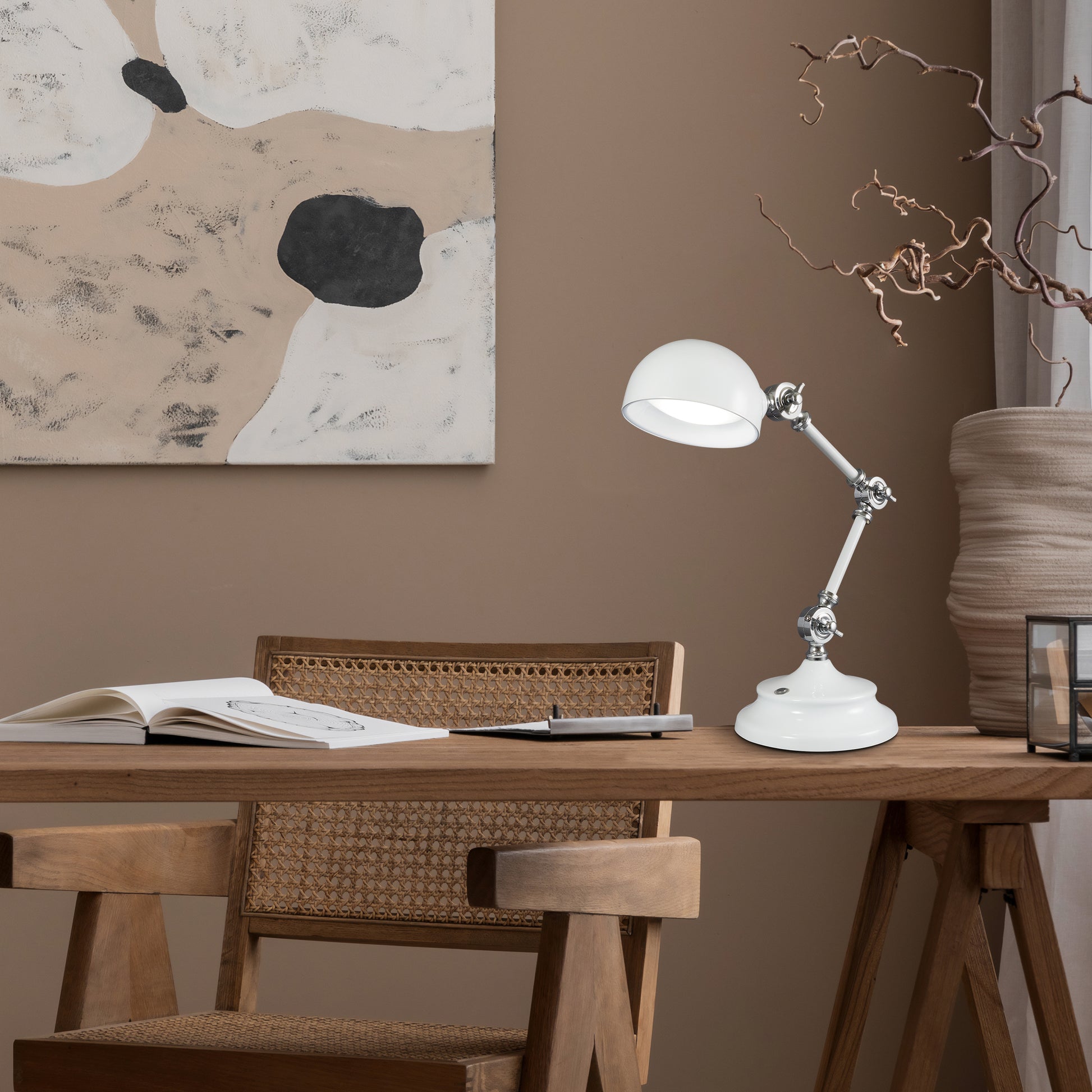
Credit: ottlite.com
How Desk Lamps Affect Eye Health
Desk lamps provide focused lighting that helps with reading and working. But their effect on eye health depends on several factors. Brightness, color, and light stability all play important roles. Understanding these can help protect your eyes during long hours at a desk.
Impact Of Light Intensity
Too bright light can cause eye strain and headaches. Low light makes your eyes work harder to see clearly. Ideal light intensity is bright enough to read without squinting. Avoid glare or harsh shadows that tire your eyes quickly.
Role Of Color Temperature
Color temperature affects how light feels to your eyes. Warm light (yellowish) is gentle and soothing. Cool light (bluish) can increase alertness but may cause discomfort over time. Balanced light temperature reduces eye fatigue during long use.
Effects Of Flickering Light
Flickering light is hard to detect but harmful to eyes. It causes headaches, dry eyes, and blurred vision. Choose desk lamps with stable, flicker-free bulbs. This keeps your eyes comfortable and reduces strain during work.
Common Eye Problems Linked To Desk Lamps
Using a desk lamp might seem harmless, but it can cause several eye problems if not used properly. The quality and placement of light play a big role in how your eyes respond during work or reading sessions. Understanding these common issues can help you adjust your setup for better eye health.
Eye Strain And Fatigue
Eye strain happens when your eyes work too hard due to poor lighting. A desk lamp that is too bright or too dim forces your eyes to constantly adjust, leading to tiredness. Have you noticed your eyes feeling heavy or blurry after long hours at your desk? That might be your eyes begging for a better lighting setup.
To reduce strain, choose a lamp with adjustable brightness. Position it so that the light shines on your work without creating glare or shadows. Small changes can make a big difference in comfort.
Dry Eyes And Irritation
Dry eyes can occur when you blink less while focusing under a desk lamp’s harsh light. This leads to irritation and discomfort, making it hard to concentrate. Do you often feel a gritty sensation or redness in your eyes after using your lamp?
Try taking short breaks every 20 minutes to rest your eyes and blink fully. Using a lamp with warm, soft light can also help maintain moisture in your eyes. Remember, your eyes need care as much as your work does.
Headaches And Migraines
Improper lighting from desk lamps can trigger headaches or migraines in some people. Flickering bulbs or overly bright light strain the brain as well as the eyes. If you find yourself reaching for painkillers after long reading sessions, your desk lamp might be a hidden culprit.
Switch to flicker-free LED lamps with adjustable color temperature to ease this problem. Position the lamp to avoid direct light in your eyes. How different would your workday feel without that nagging headache?
Choosing The Right Desk Lamp
Choosing a desk lamp with the right brightness and color temperature protects your eyes from strain. Poor lighting can cause discomfort and headaches. Soft, even light helps you work longer without tiring your eyes.
Choosing the right desk lamp can protect your eyes. Not all lamps are created equal. Some can strain your eyes, while others can provide comfort. Understanding which features to look for is crucial.Optimal Brightness Levels
The brightness of your desk lamp matters. Too bright, and it can cause glare. Too dim, and it can strain your eyes. Aim for a lamp with adjustable brightness. This allows you to set the light to a comfortable level. A dimmer switch is a useful feature to consider. It lets you control the light intensity easily.Best Light Color For Eyes
The color of light affects eye comfort. Warm light, like soft white, is gentle on the eyes. It creates a relaxing atmosphere. Cool white light is better for focus. It’s ideal for tasks that need attention. Try to choose a lamp with adjustable color settings. This way, you can switch between warm and cool light as needed.Importance Of Adjustable Features
Adjustable features make a desk lamp versatile. A flexible neck allows you to direct light where you need it. This reduces shadows and glare. Look for lamps with adjustable arms or heads. These features help you customize your lighting. A lamp that tilts and swivels offers more control. It ensures the light covers your work area effectively.Tips To Protect Your Eyes While Using Desk Lamps
Using desk lamps can strain your eyes if not done correctly. Simple changes in how you use your lamp can make a big difference in comfort and eye health. Here are practical tips to help protect your eyes while working or reading under desk lamps.
Proper Positioning Of The Lamp
Place your desk lamp so the light shines directly onto your work area without creating glare. Position it to the side opposite your dominant hand to avoid casting shadows on your paper or keyboard.
Avoid pointing the lamp straight into your eyes or the screen. Adjusting the height and angle can reduce harsh reflections and eye fatigue.
Taking Regular Breaks
Staring at a lit desk for long stretches tires your eyes. Follow the 20-20-20 rule: every 20 minutes, look at something 20 feet away for 20 seconds.
Stand up and stretch to improve circulation and reduce muscle strain. Small pauses help your eyes recover and maintain focus.
Using Anti-glare Screens And Filters
Add an anti-glare filter to your computer screen to cut down reflections from your desk lamp. These filters help soften harsh light and reduce eye strain during long sessions.
Choose lamps with adjustable brightness or softer bulbs to reduce glare naturally. Combining these tools creates a more eye-friendly workspace.
Alternatives To Traditional Desk Lamps
Looking beyond traditional desk lamps can improve both your eye comfort and workspace vibe. Alternative lighting options often provide better illumination without the harshness that strains your eyes. Let’s check out some practical choices that might suit your daily tasks and eye health better.
Natural Light Solutions
Natural light is the easiest way to reduce eye strain. Position your desk near a window to benefit from daylight, which offers a full spectrum of light that’s easier on your eyes. If direct sunlight causes glare, try sheer curtains or blinds to soften the brightness without losing the natural glow.
Have you noticed how your focus improves when you work outside or near a window? That’s no coincidence—natural light helps regulate your circadian rhythm, keeping your eyes and brain alert. Even a 15-minute break outside can refresh your vision and reduce fatigue.
Led Vs. Incandescent Lamps
LED lamps are generally better for your eyes compared to traditional incandescent bulbs. They emit less heat and can provide more consistent, flicker-free light. Plus, many LEDs offer adjustable color temperatures, allowing you to switch from warm to cool light depending on your activity.
Incandescent bulbs tend to produce warmer light but can flicker and consume more energy. If you’ve felt tired or noticed headaches after long hours under an incandescent lamp, the flicker might be to blame. Switching to a good quality LED can make a noticeable difference in comfort.
Smart Lighting Options
Smart lamps bring flexibility to your lighting setup by adapting to your needs throughout the day. With apps or voice commands, you can adjust brightness and color temperature to reduce eye strain or improve focus. Some models even mimic natural daylight patterns, which can be especially helpful during long working hours indoors.
Imagine your desk light dimming gently as evening approaches, helping your eyes relax and signaling your brain to wind down. Smart lighting can do this automatically, supporting your eye health without extra effort from you. Wouldn’t it be great to have your lighting work for you, not against you?

Credit: www.amazon.ca
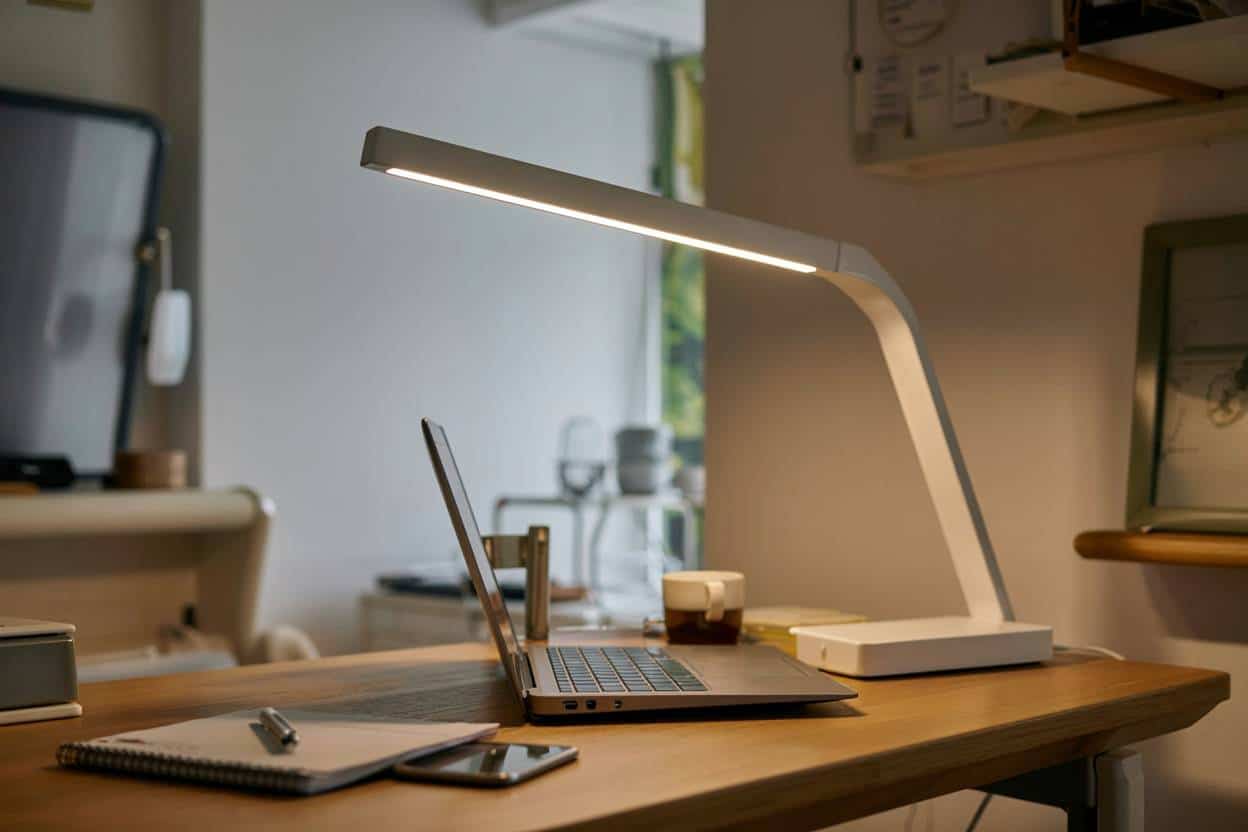
Credit: www.ledyilighting.com
Frequently Asked Questions
Are Desk Lamps Harmful To Eyesight?
Desk lamps are not harmful if used properly. Poor lighting or glare can cause eye strain. Use lamps with adjustable brightness and avoid direct glare for comfortable vision.
Can Desk Lamps Cause Eye Strain?
Yes, improper desk lamp use can cause eye strain. Insufficient or overly bright light forces eyes to work harder. Choose lamps with soft, even light to reduce strain.
What Type Of Desk Lamp Is Best For Eyes?
LED desk lamps with adjustable brightness and color temperature are best. They provide consistent, flicker-free light. Warm white light reduces eye fatigue during long tasks.
How Far Should A Desk Lamp Be From Eyes?
Keep your desk lamp about 16 to 24 inches away. Position it to shine light over your shoulder. This minimizes glare and provides adequate illumination for reading or work.
Conclusion
Desk lamps are not bad for your eyes if used right. Choose lamps with soft, warm light to avoid strain. Keep the light focused on your work, not shining in your eyes. Take breaks often to rest your eyes from screen or paper.
Adjust brightness to match room lighting for comfort. Small changes can protect your eyes and help you work better. A good desk lamp supports healthy vision and focus every day.



