
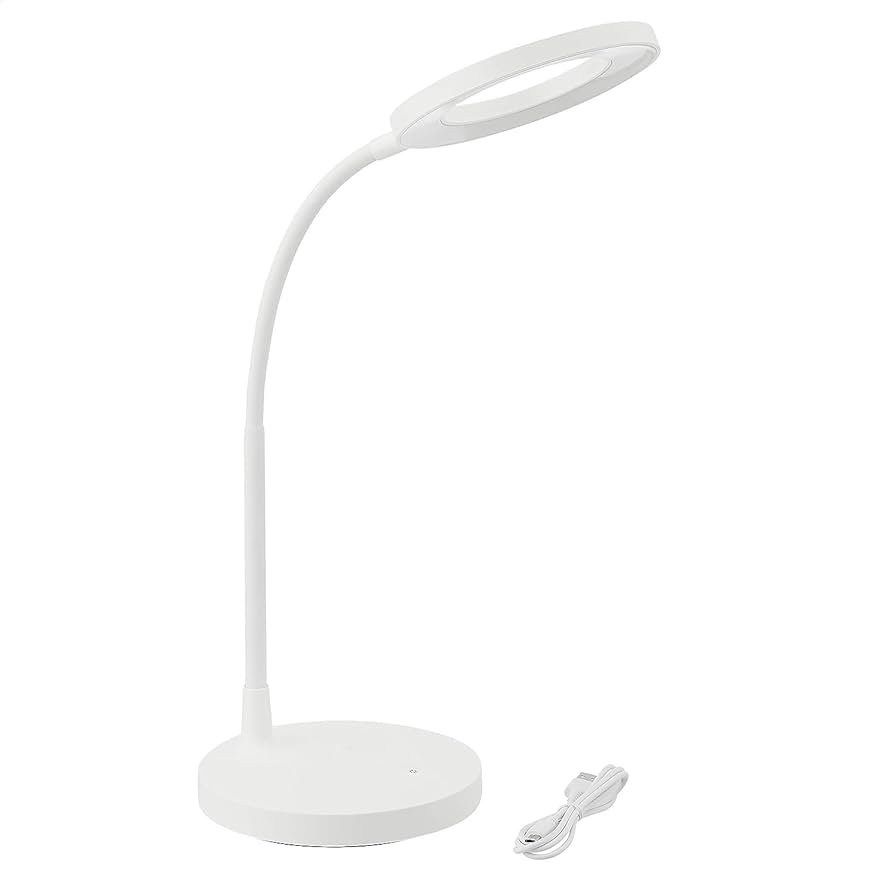
Are you tired of feeling eye strain or headaches after long hours at your desk? The right desk lamp can make a huge difference in how comfortable your eyes feel while you work or read.
But with so many options out there, how do you know which one is best for your eyes? This guide will help you discover the kind of desk lamp that protects your vision, reduces fatigue, and makes your workspace a healthier place.
Keep reading to find out how to choose the perfect lamp that works for you—and your eyes will thank you.
Factors Affecting Eye Comfort
Choosing a desk lamp that protects your eyes involves several important factors. Eye comfort depends on how the lamp’s light interacts with your vision. Poor lighting can cause strain, headaches, and tired eyes. Understanding these factors helps you pick the right desk lamp for long hours of work or study.
Light Intensity And Brightness
Light intensity means how strong or bright the light is. Too bright light causes glare and discomfort. Too dim light makes your eyes work harder to see. The best desk lamp offers adjustable brightness levels. This way, you can set the light according to your task and time of day.
Color Temperature And Tone
Color temperature describes the warmth or coolness of light. Warm light has a yellowish tone. Cool light has a bluish tone. Warm light feels soft and relaxing. Cool light helps with focus and alertness. A desk lamp with adjustable color temperature suits different needs and times. Choose a lamp that lets you switch between warm and cool tones.
Glare And Flicker Effects
Glare is harsh light that hurts your eyes. It can come from shiny surfaces or direct bulbs. Flicker is a rapid on-off of light, often unnoticed. Flicker causes eye strain and headaches over time. A good desk lamp reduces glare with diffusers or shades. It also uses flicker-free technology for steady light. These features improve comfort during long use.

Credit: www.amazon.in
Types Of Desk Lamps
Choosing the right desk lamp can make a huge difference in how your eyes feel after hours of work or study. Different types of lamps offer various benefits and drawbacks, especially when it comes to eye comfort. Understanding the main types will help you pick a lamp that reduces eye strain and keeps you focused.
Led Desk Lamps
LED desk lamps are popular for their energy efficiency and long lifespan. They provide bright, consistent light without flickering, which can help reduce eye fatigue during prolonged use.
Many LED lamps offer adjustable brightness and color temperature, allowing you to customize the light to your preference. Have you noticed how a warmer light can feel more relaxing in the evening while a cooler light helps you stay alert during the day? This flexibility is a big advantage for your eyes.
Fluorescent Desk Lamps
Fluorescent lamps are known for their bright, broad light coverage. They tend to be more affordable but can sometimes flicker, which may cause discomfort or headaches for some people.
If you choose a fluorescent lamp, look for ones labeled as “flicker-free” or with built-in diffusers to soften the light. You might find the light too harsh if it’s not properly filtered, so adding a lampshade or adjusting the distance can help protect your eyes.
Incandescent Desk Lamps
Incandescent lamps produce a warm, natural light that many find soothing. However, they consume more energy and generate more heat compared to LED and fluorescent options.
The soft glow of incandescent bulbs can be easy on your eyes, especially in low-light settings. But if you need bright, focused light for detailed tasks, they might not be the best choice. Have you ever felt your eyes get tired faster under a dim or overly warm light?
Features To Look For
Choosing the right desk lamp can protect your eyes from strain. A good lamp should offer features that promote eye comfort. Let’s explore what you need to consider.
Adjustable Brightness Levels
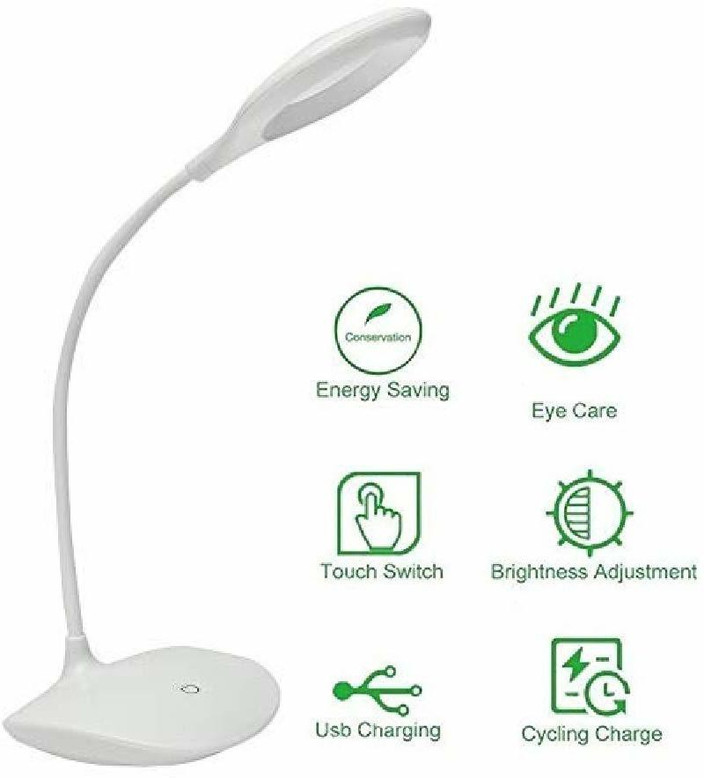
A lamp with adjustable brightness lets you control light intensity. This feature helps adapt to various tasks. Reading, writing, or using a computer requires different lighting needs. Adjustable lamps prevent glare and minimize eye strain. They provide the right amount of light for each activity.
Flexible Design And Positioning
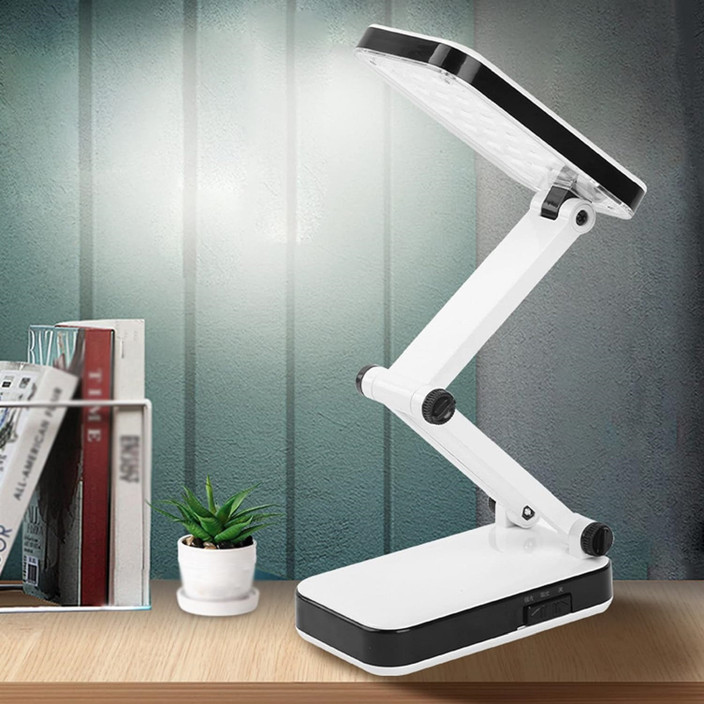
A flexible lamp design allows you to direct light where needed. Position the light to reduce shadows and reflections. A lamp with a movable arm is beneficial. It helps you adjust the angle and distance easily. This flexibility enhances comfort and efficiency in your workspace.
Blue Light Filtering
Blue light can cause eye fatigue and disrupt sleep. Choose a lamp that filters or reduces blue light. This feature protects your eyes during long hours of use. It ensures a more comfortable and healthier lighting experience. Blue light filtering is essential for those using screens regularly.
Credit: www.flipkart.com
Best Desk Lamp Styles For Eye Care
Choosing the right desk lamp helps protect your eyes during long work or study sessions. A good lamp reduces glare and eye strain. It provides steady, soft light that covers your workspace well. Certain desk lamp styles work better for eye care by allowing flexible positioning and even light distribution.
Architect Lamps
Architect lamps offer wide adjustability. Their long arms and swivel heads let you direct light exactly where needed. This flexibility helps reduce shadows and glare. Many come with dimmable features to adjust brightness levels. These lamps are ideal for detailed work and reading. They keep your eyes comfortable by providing consistent, focused light.
Swing Arm Lamps
Swing arm lamps combine style and function. Their hinged arms move smoothly to change the light angle. This design helps you avoid harsh reflections on screens or papers. They often have large lampshades to soften light output. Swing arm lamps brighten your workspace without causing eye fatigue. Their adjustable reach makes them practical for various tasks.
Clip-on Lamps
Clip-on lamps save desk space. They attach firmly to shelves or table edges. This keeps the light close to your work area without clutter. Clip-on lamps usually have flexible necks for precise light direction. They are perfect for small desks or shared spaces. Good clip-on lamps provide enough brightness without glaring into your eyes.
Placement Tips For Optimal Eye Comfort
Proper placement of your desk lamp plays a crucial role in reducing eye strain and enhancing comfort during work or study sessions. Even the best lamp can cause discomfort if not positioned well. Here are some practical tips to help you position your desk lamp for optimal eye comfort.
Correct Lamp Positioning
Place your desk lamp on the side opposite your dominant hand to avoid casting shadows on your work area. If you are right-handed, position the lamp on the left; if left-handed, place it on the right.
Keep the lamp at least 15 to 20 inches above your desk surface. This distance allows enough light coverage without being too harsh or direct on your eyes.
Avoiding Shadows And Glare
Adjust the lamp angle so the light spreads evenly across your workspace without creating bright spots or glare. Harsh reflections on glossy surfaces can tire your eyes quickly.
Use lampshades or diffusers to soften the light output, reducing sharp contrasts. Have you noticed how a bright, unshielded bulb can make you squint? This simple fix can make a big difference.
Balancing Ambient And Task Lighting
Combine your desk lamp with gentle ambient lighting to prevent your eyes from constantly adjusting between bright and dark areas. Too much contrast can cause eye fatigue over time.
Try to keep the overall room lighting at a moderate level while your desk lamp focuses on your task. This balance helps your eyes stay relaxed and focused for longer periods.
Credit: www.flipkart.com
Maintenance And Usage Tips
Keeping your desk lamp in top shape is just as important as choosing the right one for your eyes. Proper maintenance and smart usage can extend the lamp’s life and help protect your vision. Let’s look at some practical tips that make a real difference.
Cleaning And Bulb Replacement
Dust and dirt can dim the light and cause your eyes to strain more than necessary. Clean your lamp regularly using a soft, dry cloth to wipe the shade and base. Avoid harsh chemicals that might damage the finish or cover.
When the bulb starts flickering or looks dim, replace it promptly. Using the correct bulb wattage and type is crucial to maintain consistent, eye-friendly lighting. Have spare bulbs ready so you don’t have to work in poor light conditions.
Using Timers And Auto Shutoff
Leaving your desk lamp on for hours can waste energy and increase eye fatigue. Setting a timer or choosing a lamp with auto shutoff helps you control your lighting schedule. This feature can remind you to turn off the lamp when you’re not using it.
Timers also prevent overexposure to artificial light, which can disrupt your natural sleep cycle. Have you tried syncing your lamp with your work or study routine to balance light and rest?
Taking Regular Breaks From Screens
Even with the best desk lamp, staring at a screen too long will tire your eyes. Follow the 20-20-20 rule: every 20 minutes, look at something 20 feet away for at least 20 seconds. This simple habit can refresh your eyes and reduce strain.
You might notice how your eyes feel after a break versus continuous work under a lamp. How often do you pause to rest your vision during long screen sessions? Making it a habit can improve comfort and focus.
Frequently Asked Questions
What Type Of Light Is Best For Eye-friendly Desk Lamps?
Soft white or natural daylight LED bulbs reduce eye strain. They mimic natural light, providing clear visibility without harsh glare.
How Bright Should A Desk Lamp Be For Eye Comfort?
A desk lamp with 450 to 800 lumens is ideal. This brightness level offers sufficient light without causing eye fatigue.
Are Adjustable Desk Lamps Better For Eye Health?
Yes, adjustable lamps allow you to direct light where needed. This flexibility prevents shadows and minimizes eye strain.
Should Desk Lamps Have Flicker-free Technology?
Flicker-free desk lamps are better for your eyes. They provide steady light, reducing headaches and eye discomfort during long use.
Conclusion
Choosing the right desk lamp helps protect your eyes from strain. Soft, warm light works best for reading and working. Adjustable brightness and angle make the lamp more useful. Avoid lamps with harsh, flickering light that tires your eyes. A good lamp creates a comfortable and healthy workspace.
Think about your needs and pick a lamp that suits you. Your eyes will thank you with less fatigue and better focus. A simple change can make a big difference in your daily comfort.



