
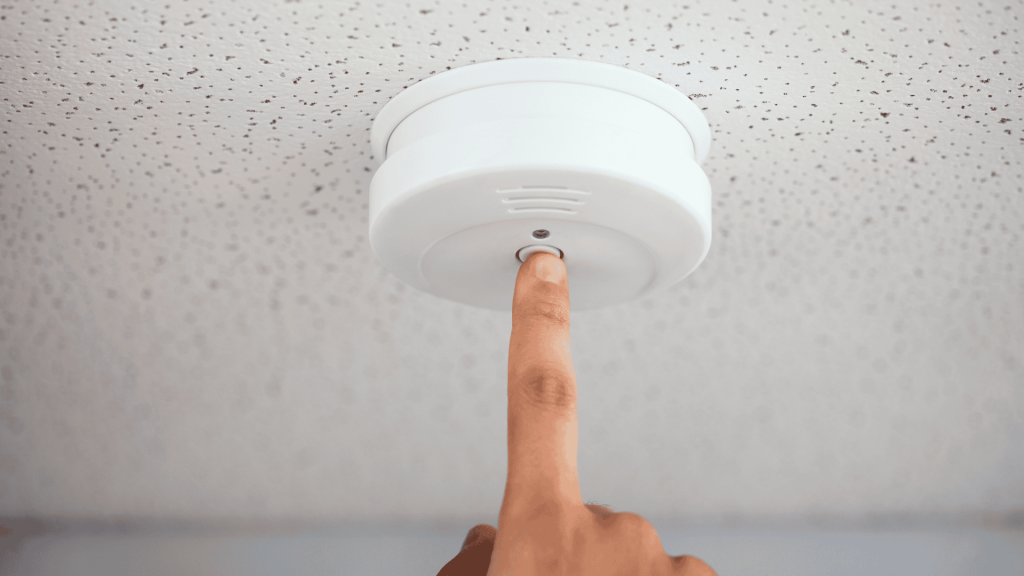
Have you ever wondered what motion detectors actually look like? Maybe you’ve seen one before but never really paid attention to its shape or size.
Understanding how these devices appear can help you spot them easily and decide if they’re the right fit for your home or office security. You’ll discover the common designs of motion detectors and how their looks relate to their functions.
Keep reading—knowing what to look for can make all the difference in keeping your space safe.
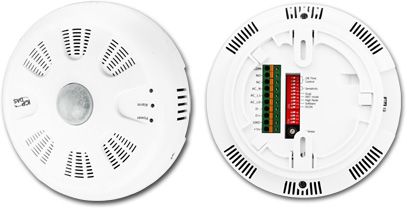
Credit: www.icpdas.com
Common Designs
Motion detectors come in various shapes and sizes, each designed to fit specific spaces and needs. Understanding their common designs helps you choose the right one for your home or office. Let’s look at the most popular types you’re likely to encounter.
Wall-mounted Sensors
Wall-mounted sensors are the most familiar design. They usually have a rectangular or rounded shape and sit about 6 to 8 feet above the floor. This height gives them a clear view of a room’s entrance or main area.
These sensors often have a small lens or grid pattern on the front, which detects movement through infrared signals. You might see them near doors, hallways, or staircases because they cover a wide horizontal area. Have you noticed how discreet they can be, blending into your wall paint or trim?
Ceiling-mounted Sensors
Ceiling-mounted sensors are designed for broader coverage. They are usually dome-shaped or flat discs, installed right on the ceiling. This positioning allows them to monitor a full room or open area from above.
Because they offer 360-degree detection, these sensors are excellent in large spaces like lobbies or warehouses. They often look like smoke detectors or small lights, which makes them less noticeable. Would you consider a ceiling sensor to cover blind spots that wall sensors might miss?
Portable Motion Detectors
Portable motion detectors are compact and easy to move around. They often come in handheld sizes or small boxes that you can place on shelves or tables. This flexibility lets you test different spots before deciding on a permanent sensor location.
Some portable models even run on batteries and come with remote controls or smartphone apps. You can take them with you on trips to secure hotel rooms or temporary offices. Have you ever used a portable motion detector to feel safer in unfamiliar places?
Core Components
Motion detectors rely on core components to sense movement effectively. Each component plays a unique role in detecting changes within an area. The design varies, but most detectors include one or more key sensor types. Understanding these helps recognize what motion detectors look like inside and how they work.
Infrared Sensors
Infrared sensors detect body heat emitted by living beings. They sense infrared radiation changes in their field of view. When a warm object moves, the sensor picks up a temperature shift. These sensors are common in home security systems and automatic lights. They usually appear as small, dark lenses or domes on the device.
Ultrasonic Sensors
Ultrasonic sensors emit high-frequency sound waves. These waves bounce off objects and return to the sensor. The device measures the time it takes for waves to return. Any movement changes the wave pattern, triggering the sensor. Ultrasonic sensors are often hidden behind a plastic cover, making them less visible.
Microwave Sensors
Microwave sensors send out microwave pulses. These pulses reflect off moving objects back to the sensor. The sensor detects changes in the returned signals to spot motion. They cover a larger area compared to infrared sensors. Microwave sensors usually look like small boxes or panels on walls or ceilings.
Visual Characteristics
Motion detectors vary widely in appearance, but some visual traits remain common. These features help users identify their function and decide where to place them. Understanding these traits makes installation and maintenance easier.
Size And Shape Variations
Motion detectors come in many sizes, from small to medium. The shapes can be round, square, or rectangular. Some devices are slim and flat, while others are bulky. Compact models fit discreetly on walls or ceilings. Larger units often house advanced sensors or multiple detection zones.
Lens Types And Covers
The lens is a key visual element of a motion detector. Most use a dome-shaped or segmented plastic lens, known as a Fresnel lens. This lens focuses infrared signals for better detection. Some detectors have clear or tinted covers to protect sensors. The lens color and texture help reduce glare and false alarms.
Indicator Lights And Displays
Many motion detectors feature small indicator lights. These LEDs blink or glow to show activity or power status. Some models include simple digital displays for settings or alerts. Indicator lights make it easy to check if the detector is working. They also assist during installation to confirm sensor coverage.

Credit: www.amazon.ca
Installation Features
Understanding the installation features of motion detectors can simplify their setup. Motion detectors blend seamlessly into various environments. Their installation options enhance both functionality and aesthetics.
Mounting Options
Motion detectors offer versatile mounting options. They can be mounted on walls or ceilings. This flexibility allows for optimal placement. Choose a location that maximizes coverage. Some detectors even support corner mounting. This option covers multiple angles in a room.
Wiring And Power Sources
Motion detectors rely on different power sources. Some use batteries for easy installation. Others require wiring to the main power supply. Wired detectors often need professional installation. Battery-powered models are simpler for DIY enthusiasts. Both options provide reliable performance.
Adjustable Detection Zones
Many motion detectors feature adjustable detection zones. Users can customize the area they monitor. This feature reduces false alarms by ignoring certain areas. It also helps focus on critical zones. Adjusting the detection range is straightforward. Most detectors come with intuitive settings for this purpose.
Aesthetic Considerations
Motion detectors are not just functional devices. Their appearance affects the room’s look too. Aesthetic considerations play a key role when choosing a motion detector. The device should blend with the space while staying effective.
The right design makes the detector less distracting. It can even add to the room’s style. Understanding color, design, and visibility helps pick the best option.
Color And Finish Choices
Motion detectors come in various colors and finishes. White and beige are common for blending with walls. Black or metallic finishes suit modern and industrial spaces. Matte finishes reduce glare and look subtle. Glossy finishes catch the eye and may stand out more.
Select a color that matches wall paint or nearby fixtures. This choice helps the detector stay hidden or become a design feature.
Design Styles For Different Spaces
Design styles vary from minimalist to decorative. Simple shapes fit well in offices and hallways. Rounded or sleek designs work in homes and hotels. Some detectors have futuristic looks for high-tech spaces. Others offer classic styles to match traditional rooms.
Choose a style that fits the room’s overall decor. The right design adds harmony and avoids visual clutter.
Discreet Vs. Noticeable Models
Discreet models blend into the background. They are small, plain, and often wall-mounted. These are ideal for homes and places needing subtle security. Noticeable models may have bold shapes or lights. They act as a visible deterrent to intruders. These fit commercial spaces or outdoor areas.
Think about the purpose and location. Decide if the detector should stand out or stay hidden.

Credit: www.amazon.ca
Technological Advances
Motion detectors have evolved significantly with technology. Modern devices are more compact, smarter, and energy-efficient. These advances improve safety and convenience in homes and businesses. They also blend better with modern decor and smart home setups.
Smart Motion Detectors
Smart motion detectors connect to Wi-Fi and apps. Users receive instant alerts on phones or tablets. Many have adjustable sensitivity and detection zones. Some models include cameras for live video monitoring. They can learn usual movement patterns to reduce false alarms.
Integration With Security Systems
Motion detectors now link seamlessly with home security systems. They trigger alarms, lights, or cameras automatically. This integration allows full control from a single app. It enhances overall protection and quick response to intrusions. Some systems also support voice control through smart assistants.
Energy Efficiency Improvements
New motion detectors use less power than older versions. Some run on low-energy Bluetooth or Zigbee protocols. Many have built-in timers to turn off lights when no motion is detected. Solar-powered options reduce electricity use further. These features help lower energy bills and support green living.
Frequently Asked Questions
What Do Typical Motion Detectors Look Like?
Motion detectors are usually small, white or beige boxes. They have a lens or sensor window on the front. Some models are round or rectangular. They are designed to blend into walls or ceilings for discreet detection.
How Big Are Most Motion Detectors?
Most motion detectors are compact, measuring about 2 to 4 inches wide. Their size makes them easy to install in corners or on walls without being obtrusive.
Do Motion Detectors Have Visible Sensors?
Yes, motion detectors typically feature a visible sensor or lens. This part detects movement using infrared, microwave, or ultrasonic technology. The sensor often looks like a small dome or panel.
Can Motion Detectors Be Disguised Or Hidden?
Yes, some motion detectors are designed to be hidden or disguised. They can be embedded in smoke detectors, clocks, or other household items to avoid detection.
Conclusion
Motion detectors come in many shapes and sizes. Most have a small boxy design with a lens or sensor on the front. Some look like tiny cameras or simple wall-mounted devices. Their size helps them fit into homes or businesses easily.
Knowing what they look like can help you spot them quickly. They work quietly and blend into their surroundings. Choosing the right one depends on your space and needs. Understanding their appearance makes using them less confusing. Motion detectors help keep places safe and secure every day.



