
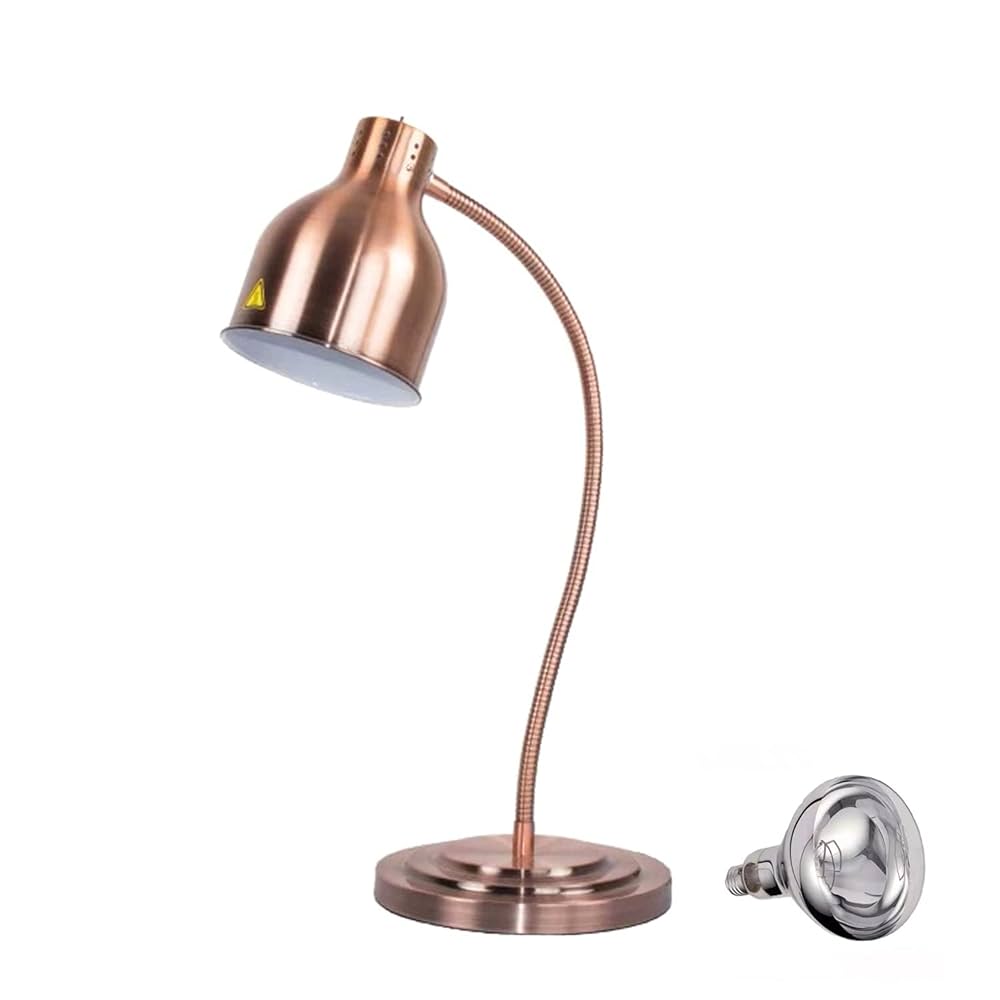
Have you ever wondered if your desk lamp could double as a heat lamp? Maybe you’re looking for a quick way to warm up a small space or keep a pet cozy without buying extra equipment.
It sounds simple, but is it safe or even effective? Before you plug in your lamp with hopes of adding warmth, there are important things you need to know. Keep reading to discover whether your desk lamp can really serve as a heat source—and what you should do instead to stay safe and comfortable.

Credit: www.amazon.com
Desk Lamps Vs Heat Lamps
Understanding the key differences between desk lamps and heat lamps is essential before considering using one in place of the other. Although they might look similar at first glance, their functions and designs serve very different purposes. Let’s break down what sets them apart and why that matters for your needs.
Design And Purpose
Desk lamps are built to provide focused, comfortable lighting for tasks like reading or working on your computer. Their design emphasizes adjustable angles and soft light to reduce eye strain.
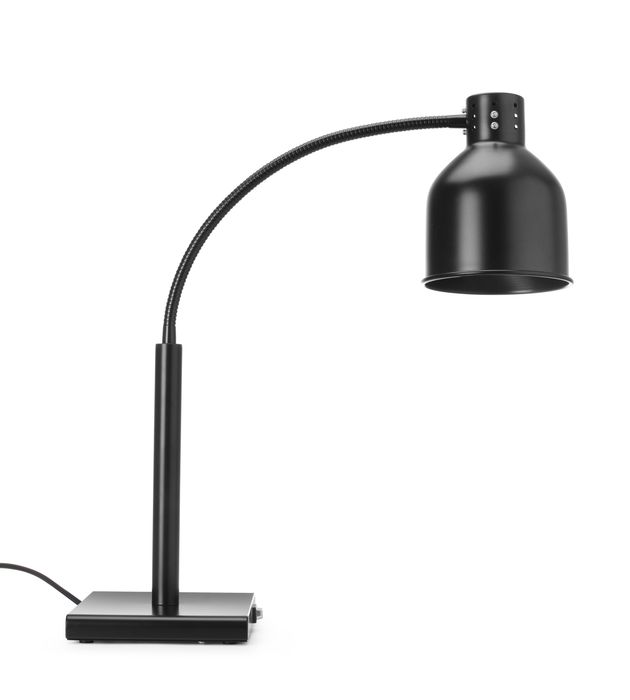
Heat lamps, on the other hand, are designed to emit infrared heat to warm objects or small areas. They often come with protective grills and are made to withstand higher temperatures.
Have you ever tried to use a desk lamp to warm your hands? Chances are, it didn’t work as expected because it wasn’t made for heat output.
Light Bulb Differences
Desk lamps usually use LED or CFL bulbs that focus on energy efficiency and cool operation. These bulbs produce minimal heat to keep your workspace comfortable.
Heat lamps use specialized incandescent or infrared bulbs designed to convert electrical energy into heat rather than light. These bulbs get extremely hot and are not safe for prolonged human contact.
Switching out a desk lamp bulb for a heat lamp bulb isn’t as simple as it sounds. Socket compatibility and electrical specifications can differ significantly.
Heat Generation Capabilities
While desk lamps emit some warmth, it’s usually negligible and not intended for heating purposes. They won’t raise the temperature in a room or keep food warm.
Heat lamps generate intense heat that can be used for cooking, warming animals, or even therapeutic purposes. Their heat output is measurable and consistent.
So, if you need heat, can a desk lamp really cut it? Most likely, no. It’s best to use the right tool for the job to avoid safety hazards and inefficiency.
Credit: www.hendi.eu
Can Desk Lamps Produce Heat?
Desk lamps provide light, but can they also produce heat? Many people wonder if a desk lamp can double as a heat source. The answer depends on the type of bulb and its power. Some bulbs emit more heat than others. Understanding this helps decide if a desk lamp can replace a heat lamp.
Types Of Bulbs Used
Desk lamps use different types of bulbs. Common ones include:
- Incandescent bulbs
- LED bulbs
- Compact fluorescent lamps (CFLs)
Incandescent bulbs generate heat as a byproduct. LEDs and CFLs produce very little heat. Heat lamps usually use incandescent or specialized bulbs designed for warmth.
Wattage And Heat Output
Wattage affects the heat a bulb produces. Higher wattage bulbs get hotter. Most desk lamps use bulbs between 40 to 60 watts. These bulbs give off some warmth but not much.
Heat lamps often have bulbs rated at 100 watts or more. They are built to emit both light and heat effectively. A low wattage desk lamp will not provide enough heat to warm a space.
Safety Concerns
Using a desk lamp as a heat lamp can be risky. Bulbs not designed for heat can overheat. This may cause burns or fire hazards. Desk lamps often lack proper heat shielding.
Always check the lamp’s specifications. Avoid using bulbs that exceed the lamp’s recommended wattage. Never leave a desk lamp unattended if it gets hot. Safety must be the priority when using lamps near flammable materials.
Heat Lamp Uses And Benefits
Desk lamps are designed to provide light, not heat. Using them as heat lamps can be unsafe and ineffective. Heat lamps emit infrared light that warms objects, unlike desk lamps that focus on brightness.
Heat lamps serve various purposes due to their ability to emit warmth. Their versatility extends beyond traditional uses, impacting several areas of daily life. Understanding these applications can help maximize their benefits effectively.Animal Care
Heat lamps provide necessary warmth for animals in cold environments. They are vital in maintaining the health of reptiles, chicks, and other small animals. The consistent heat helps regulate body temperature, preventing illness. In barns or pet enclosures, heat lamps create a comfortable habitat. This ensures animals thrive even in chilly conditions.Food Warming
In food service, heat lamps keep meals warm and appealing. They are often used in restaurants to maintain the right temperature before serving. This ensures food safety and enhances customer satisfaction. Heat lamps also play a role in buffets and catering events. They keep dishes hot over extended periods, preserving taste and quality.Therapeutic Applications
Heat lamps offer therapeutic benefits for muscle pain relief. The heat penetrates deep into tissues, easing tension and discomfort. Many spas and wellness centers use them for massage therapies. This enhances relaxation and promotes healing. At home, heat lamps provide a soothing experience for sore muscles. They are a simple way to enjoy therapeutic warmth daily.Risks Of Using Desk Lamps As Heat Sources
Using a desk lamp as a heat source might seem like a quick fix when you need warmth. However, this approach comes with several risks that could affect your safety and the lamp’s functionality. Understanding these dangers can help you decide if it’s really worth trying or if you should look for a safer alternative.
Fire Hazards
Desk lamps are not designed to produce heat continuously, and using them as heat sources can cause them to overheat. The buildup of heat might ignite nearby flammable materials like paper, curtains, or fabric.
Have you ever left a lamp on for hours and noticed the base getting very hot? That heat can easily start a fire if you’re not careful. Always consider if the lamp has proper ventilation and keep it away from anything that catches fire easily.
Damage To Lamp Components
Heat lamps have bulbs and wiring built to withstand high temperatures. Desk lamps, on the other hand, typically use bulbs that aren’t made for this kind of stress.
Using a desk lamp as a heat source can cause the bulb to burn out quickly and damage the lamp’s internal parts. You might end up needing to replace the bulb or the entire lamp sooner than expected.
Inadequate Heat Levels
Desk lamps are designed to provide light, not heat. The amount of warmth they produce is usually too low to effectively heat a space.
This means you might stay cold despite the lamp running constantly. Are you willing to waste energy and risk damage for heat that won’t really make a difference?
Better Alternatives To Desk Lamps
Using a desk lamp as a heat lamp might seem like a quick fix, but it often falls short in delivering the warmth you need. There are better alternatives designed specifically for heating purposes that provide safety, efficiency, and consistent heat. Let’s look at some options that will keep you warm without risking your desk setup or comfort.
Choosing The Right Heat Lamp
Heat lamps come in different shapes, sizes, and wattages. Selecting one designed for heating ensures it can maintain a steady temperature without overheating or posing a fire hazard.
Think about the area you want to heat. A small personal space might only need a low-wattage lamp, while larger areas require stronger heat sources. Also, check if the lamp has safety features like automatic shutoff or protective covers.
Infrared Heat Options
Infrared heat lamps are a popular choice because they warm objects and people directly, not just the air. This makes them energy-efficient and effective in cooler rooms or outdoor spaces.
They are often used in therapy or animal care due to their gentle and consistent heat. Have you tried an infrared lamp? It might surprise you how quickly it makes your space cozy.
Portable Heating Solutions
Sometimes, you need heat on the go or in different rooms. Portable heaters, like ceramic or oil-filled radiators, offer flexibility and reliable warmth without the risk of using a desk lamp.
Many models come with adjustable settings and safety locks, so you can control the heat level easily. Portable options also free up your desk space and reduce clutter, making your workspace safer and more comfortable.

Credit: www.amazon.com
Frequently Asked Questions
Can A Desk Lamp Function As A Heat Lamp?
No, a desk lamp is not designed to emit heat like a heat lamp. It lacks the necessary wattage and infrared bulbs needed to produce significant warmth.
What Are The Risks Of Using A Desk Lamp For Heating?
Using a desk lamp for heating can cause overheating, fire hazards, and damage to the lamp. It is unsafe and not recommended for heating purposes.
How Do Heat Lamps Differ From Desk Lamps?
Heat lamps use infrared bulbs to generate heat, while desk lamps focus on providing light. Heat lamps are built for warmth, and desk lamps are for illumination.
Can Desk Lamps Support Heat Lamp Bulbs Safely?
Most desk lamps cannot safely support heat lamp bulbs due to wattage limits and design. Using incompatible bulbs risks electrical issues and fire hazards.
Conclusion
A desk lamp is not designed to work as a heat lamp. It does not produce enough warmth for heating purposes. Using it as a heat source can be unsafe and ineffective. Heat lamps have special bulbs made to give off heat safely.
Choose the right lamp to protect yourself and your space. Staying safe and using the correct tools always matters. Remember, not all lamps serve the same purpose.



