
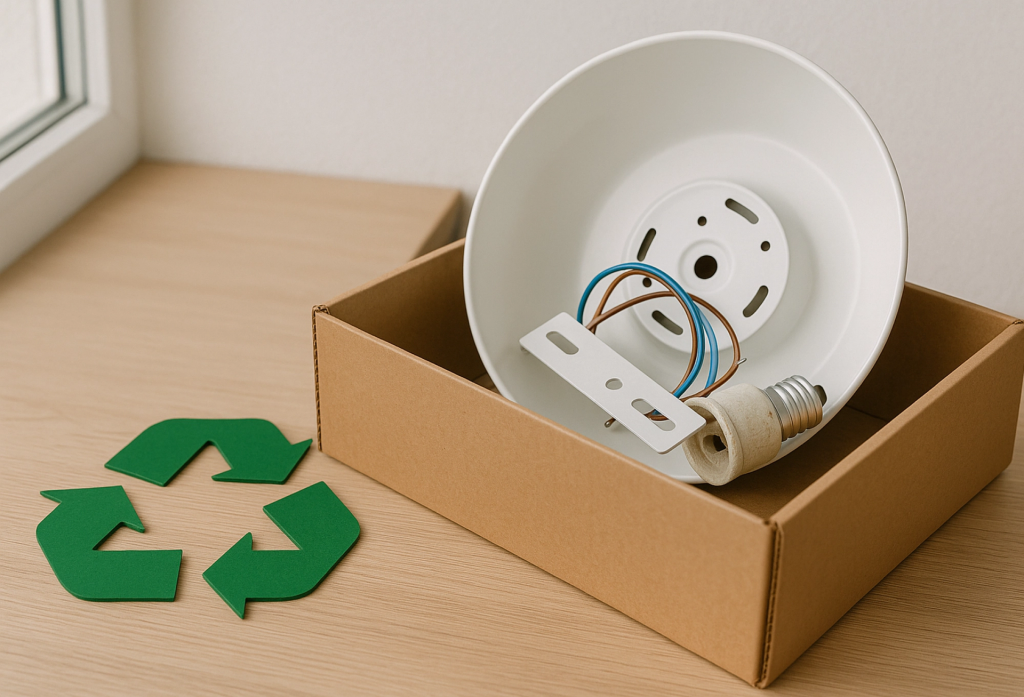
Have you ever faced the problem of a broken desk lamp and wondered what to do with it? Tossing it in the trash might seem easy, but it could harm the environment or even cause safety issues.
You want to get rid of it the right way, but where do you start? This guide will show you simple, practical steps to dispose of your broken desk lamp safely and responsibly. Keep reading, and you’ll learn how to handle this common problem without stress or guesswork.
Credit: www.lonlockwoodelectric.com
Check Local Disposal Rules
Before tossing your broken desk lamp into the trash, it’s essential to check your local disposal rules. Different areas have specific guidelines on how to handle electronic waste or items with hazardous components like bulbs and wiring. Ignoring these rules can lead to fines or environmental harm.
Understanding local regulations helps you dispose of your lamp safely and responsibly. Have you ever wondered if that simple act of disposal could impact your community’s environment? Knowing what’s allowed and what isn’t can save you time and trouble.
Where To Find Local Disposal Information
Your city or town’s official website is a great starting point. Look for sections on waste management, recycling, or hazardous waste disposal. Many municipalities provide detailed instructions and even drop-off locations for electronic items.
If the website doesn’t give clear answers, consider calling your local waste management service or recycling center directly. Speaking with a representative can clarify any confusion and provide you with specific steps to follow.
Special Rules For Electronic And Hazardous Waste
Broken desk lamps often contain small amounts of hazardous materials like mercury or lead. Because of this, they usually can’t just go into regular trash bins. Many localities require you to take these items to special collection points.
Ask yourself: Does your community have a designated e-waste recycling program? If yes, find out the accepted items and whether you need to prepare the lamp in any specific way before drop-off.
Penalties For Improper Disposal
Some places impose fines if you dispose of electronic waste improperly. These penalties can range from small fees to larger fines depending on the severity and local laws. It’s worth taking the time to follow the right process.
Think about the potential impact—not just on your wallet, but on the environment and your neighborhood. Are you willing to risk unnecessary consequences for the sake of convenience?
Credit: mod-lighting.com
Unplug And Disassemble The Lamp
Before you toss your broken desk lamp in the trash, it’s important to unplug and carefully take it apart. This step isn’t just about safety—it also makes recycling easier and more effective. Disassembling the lamp helps you handle hazardous parts properly and separates materials that can be reused.
Remove Bulbs And Electrical Parts
Start by unplugging the lamp from the outlet. Never work on a lamp that’s still connected to power—it’s risky and unnecessary.
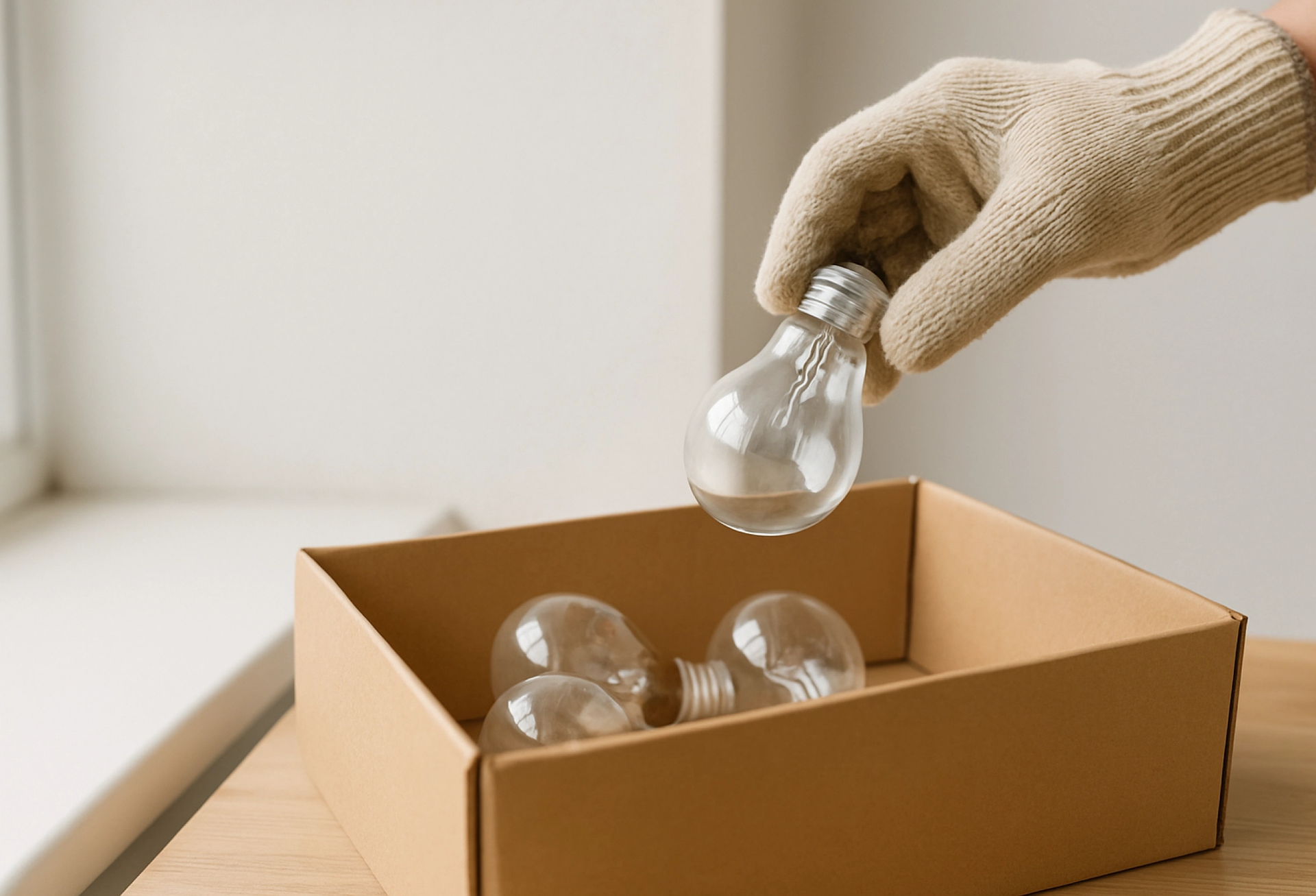
Next, gently unscrew or pull out the bulb. Even if it’s broken, handle it with care to avoid cuts or injuries. Remove any other electrical parts like switches, cords, or sockets. These components often contain materials that require special disposal or recycling.
Have you ever wondered why some stores offer recycling for old light bulbs? That’s because bulbs, especially CFLs or LEDs, contain substances like mercury or rare metals that shouldn’t go into landfill.
Separate Materials
Once the electrical parts are out, separate the remaining materials. Desk lamps usually include metal, plastic, and sometimes glass.
- Metal parts:bases, arms, and joints can often be recycled as scrap metal.
- Plastic components:check for recycling symbols to see if they can go into your local plastic recycling.
- Glass pieces:if broken, wrap carefully before disposal to prevent injury.
Sorting materials this way makes it easier to dispose of each part responsibly. It also reduces the amount of waste that ends up in landfills, which benefits the environment.
Handle Hazardous Components
Broken desk lamps may contain small amounts of hazardous materials like mercury or lead. Carefully remove these parts and place them in sealed containers. Always check local rules for safe disposal to protect health and the environment.
Disposing of a broken desk lamp is not as straightforward as tossing it in the trash. Many desk lamps contain hazardous components that need special attention during disposal. Handling these elements responsibly ensures environmental safety and compliance with local regulations. Let’s dive into the specifics of dealing with these hazardous parts.Deal With Bulbs Safely
Light bulbs, especially those containing mercury like CFLs, require careful handling. Never throw them in the regular trash as they can leak harmful substances. Instead, collect used bulbs in a sturdy container to prevent breakage. Check if your local waste management offers bulb recycling or drop-off services. Some stores even have in-store recycling programs. By using these services, you contribute to reducing environmental harm.Dispose Of Electrical Parts Properly
Desk lamps often contain electrical components that should not end up in landfills. Items like wiring, switches, and power cords need special handling. Do you know where your nearest e-waste facility is? Consider taking your broken lamp to an electronic waste recycling center. Many communities offer free e-waste disposal events. By participating, you ensure that these parts are recycled safely and responsibly. By focusing on these steps, you handle hazardous components thoughtfully. This not only protects the environment but also keeps your conscience clear. Are you ready to make a positive impact with your disposal practices?Choose The Right Disposal Method
Choosing the right way to dispose of a broken desk lamp helps protect the environment. It also keeps your home safe from potential hazards. Not all lamps go in the trash. Some parts can be reused or recycled. Understanding your options makes disposal easier and eco-friendly.
Recycling Options
Many desk lamps have metal, glass, and plastic parts. Recycling separates these materials for reuse. Some recycling centers accept lamps as electronic waste. They safely remove harmful components like bulbs and wiring. This method reduces landfill waste and saves resources.
Drop-off Locations
Local recycling centers or electronics stores often take broken lamps. Check for special collection days for electronic items. Some stores offer drop-off bins for small electronics and lamps. Dropping off lamps here ensures proper handling and recycling.
Bulk Waste Collection
Municipal waste services sometimes collect large or bulky items. Broken desk lamps may qualify for this service. Contact your local waste department for rules and schedules. This option helps clear lamps that cannot fit in regular trash bins.
Prepare The Lamp For Disposal
Preparing a broken desk lamp for disposal helps keep everyone safe. Proper preparation prevents injuries and environmental harm. Follow simple steps to get the lamp ready for trash or recycling.
Package Broken Pieces Securely
Gather all broken parts carefully. Use thick plastic bags or old cloth to wrap sharp pieces. Place wrapped parts in a sturdy box to stop them from moving.
Seal the box tightly with strong tape. This stops pieces from falling out during transport. Secure packaging protects waste handlers from cuts and scratches.
Label Hazardous Materials
Some desk lamps contain hazardous materials like mercury or lead. Check the lamp for warning labels or symbols. If hazardous parts exist, mark the package clearly as “Hazardous Waste.”
Use bright markers or printed labels. This alerts collectors to handle the lamp with care. Proper labeling helps prevent accidents and pollution.
Consider Donation Or Repair
Before tossing your broken desk lamp into the trash, think about whether it could have a second life through donation or repair. These options not only reduce waste but also save resources and possibly help someone else in need.
Sometimes, a lamp might just need a simple fix rather than a full replacement. Have you ever found that a quick repair brought an old item back to life? It’s often easier and cheaper than you expect.
Assessing If Your Desk Lamp Can Be Repaired
Start by checking the damage carefully. Is it just a burnt-out bulb, a loose wire, or a cracked shade? These are usually easy fixes you can handle yourself or with help from a local repair shop.
If the wiring or electrical components seem damaged, it’s safer to consult a professional. Repair shops can replace parts like switches or cords, extending the lamp’s usefulness. This could save you money and reduce electronic waste.
Finding Places That Accept Broken Lamps For Donation
Many charities and thrift stores accept broken lamps, especially if they have parts that can be reused. Local community centers, art schools, or makerspaces might also take them for creative projects.
Before donating, call ahead to confirm if they accept damaged items. Sometimes, even if they don’t take the lamp itself, they might want parts like shades, bases, or bulbs.
Benefits Of Repairing Or Donating Instead Of Throwing Away
- Environmental impact:Less waste ends up in landfills.
- Financial savings:Repairing costs less than buying new.
- Community support:Donations help those who need affordable lighting.
Have you ever repaired something you thought was beyond saving? That feeling of accomplishment can be surprisingly rewarding. Why not give your desk lamp the same chance?

Credit: mod-lighting.com
Frequently Asked Questions
How Do I Safely Dispose Of A Broken Desk Lamp?
Unplug the lamp and remove batteries if any. Separate recyclable parts like metal and glass. Place non-recyclable pieces in a sealed bag before discarding. Follow local hazardous waste disposal rules for electronics.
Can I Recycle Parts Of A Broken Desk Lamp?
Yes, metal, glass, and some plastics can be recycled. Check with your local recycling center for accepted materials. Separate components before drop-off to ensure proper recycling and reduce environmental impact.
Where To Take A Broken Desk Lamp For Disposal?
Many communities offer electronic waste (e-waste) drop-off sites. Retailers may have lamp recycling programs. Contact local waste management for specific disposal locations and guidelines.
Should I Remove The Bulb Before Disposing Of A Lamp?
Yes, always remove the bulb and dispose of it separately. Some bulbs contain hazardous materials and need special recycling. Follow local guidelines for safe bulb disposal.
Conclusion
Disposing of a broken desk lamp is easier than you think. Separate the parts carefully before throwing them away. Take metal, plastic, and glass to the right recycling bins. Check local rules for electronic waste disposal. This helps protect the environment and keeps your home safe.
Small steps like these make a big difference. Keep your space clean and green. Remember, safe disposal benefits everyone around you.



