
Have you ever wondered how your lights turn on the moment you enter a room or how security alarms know when someone is nearby? That’s the magic of a motion sensor.
But what exactly does a motion sensor do, and why is it becoming such a popular part of homes and businesses? If you want to understand how this simple device can make your life safer, easier, and more energy-efficient, keep reading.
By the end, you’ll know exactly why motion sensors matter—and how they can work for you.
How Motion Sensors Work
Understanding how motion sensors work can change the way you think about security and automation around your home or office. These devices detect movement and trigger a response, like turning on lights or sounding an alarm. But have you ever wondered what technology makes this possible? Let’s break down the basics to give you a clearer picture.
Types Of Motion Sensors
There are several types of motion sensors, each suited for different needs. The most common include:
- Passive Infrared (PIR) Sensors:Detect body heat to sense movement.
- Ultrasonic Sensors:Emit sound waves and measure the reflection to detect motion.
- Microwave Sensors:Use microwave pulses to detect movement by measuring the reflection.
- Tomographic Sensors:Create a mesh network to detect disturbances within a space.
Choosing the right type depends on your environment and what you want to monitor. Have you noticed how PIR sensors work well in rooms but not through walls? That’s why knowing the type matters.
Detection Technologies
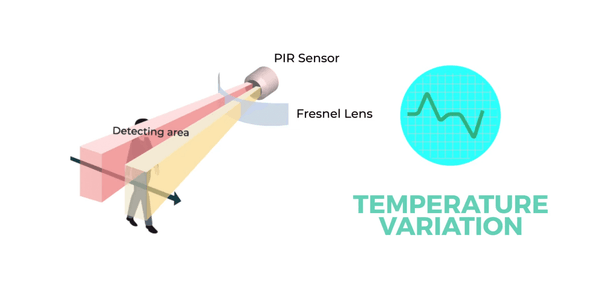
Motion sensors rely on different technologies to identify movement. PIR sensors pick up changes in infrared radiation, which your body emits as heat. When something warmer than the background moves, it triggers the sensor.
Ultrasonic and microwave sensors send out waves that bounce back when they hit an object. The sensor calculates movement by detecting changes in the reflected waves. This technology works even in total darkness, which is useful in many scenarios.
Each detection method has its strengths and weaknesses. For example, PIR sensors save energy since they only respond to heat, while microwave sensors can be more sensitive but might pick up false alarms from non-human movement.
Sensor Placement Tips
Where you place your motion sensor greatly affects its performance. Position sensors where they have a clear view of the area you want to monitor. Avoid placing them near heat sources like heaters or direct sunlight, as this can cause false triggers.
Think about the sensor’s range and angle of detection. Mounting a sensor too high or too low may limit its effectiveness. If you want to cover a hallway or doorway, place the sensor at a height that captures the motion of people walking through.
Have you ever been frustrated by lights turning on when no one’s there? Proper placement helps reduce this annoyance and saves energy. Testing different spots before final installation can make a big difference.

Credit: www.blog.heykangaroo.com
Motion Sensors In Smart Security
Motion sensors have become a key part of smart security systems, offering more than just detection—they bring intelligence and responsiveness to your home or business safety. These sensors don’t just spot movement; they connect with your entire security setup to provide a seamless protective experience. Understanding how motion sensors function within smart security can help you make better decisions about your safety measures.
Integration With Security Systems
Motion sensors work best when linked to a broader security network. They can trigger alarms, activate cameras, or turn on lights the moment they detect movement. This integration means your security system reacts instantly without you needing to do a thing.
Think about how your smart doorbell works with motion detection to start recording only when someone approaches. This not only saves storage but also ensures you get relevant alerts. You can add sensors to different parts of your property, creating layers of protection customized to your needs.
Real-time Alerts
One of the most valuable features of motion sensors is their ability to send real-time alerts directly to your phone or device. You don’t have to be at home to know if there’s unexpected movement. These instant notifications allow you to respond quickly, whether it’s calling the authorities or checking live video feeds.
Imagine getting an alert late at night that someone is near your backdoor. This immediate awareness can prevent break-ins and keep you at ease. What would you do if you had that kind of timely information every day?
Remote Monitoring
Remote monitoring gives you the power to keep an eye on your property from anywhere in the world. Motion sensors connected to your smart security system allow you to view live footage and sensor activity through apps. This means you can check on your home during a work trip or while running errands.
With remote access, you can even control your security devices on the go—turning alarms on or off or adjusting sensor sensitivity. This flexibility means you stay in control, no matter where life takes you.
Benefits Of Using Motion Sensors
Motion sensors detect movement and trigger actions like turning on lights or alarms. They help save energy and increase security by responding only when needed. These devices make homes and workplaces smarter and safer with minimal effort.
Motion sensors have become an integral part of modern living. They offer a range of benefits that enhance security and efficiency. These devices are not just for tech enthusiasts. Everyone can appreciate their practical advantages. From improving home safety to saving energy, motion sensors are versatile.Enhanced Home Safety
Motion sensors boost home safety by detecting unusual movements. They alert homeowners to potential threats. This immediate notification can prevent accidents and unauthorized access. They are especially useful in dimly lit areas. Families feel more secure knowing their home is monitored.Energy Efficiency
Motion sensors contribute to energy savings. They automatically turn off lights when no one is present. This reduces electricity wastage. They are ideal for rooms that are often left unoccupied. Using them can lead to noticeable reductions in energy bills. This makes them an eco-friendly choice.Deterrence Of Intruders
Motion sensors serve as a strong deterrent to intruders. They activate alarms or lights upon detecting motion. This sudden response can scare off potential burglars. Homes equipped with motion sensors appear more secure. Intruders are less likely to target such homes. The presence of these sensors alone can enhance the perception of safety.Common Applications
Motion sensors are incredibly versatile devices that detect movement and trigger actions based on that movement. Their common applications span various environments, making everyday life safer and more convenient. Understanding these uses can help you decide where and how to use motion sensors effectively in your space.
Residential Use
In homes, motion sensors are often used to enhance security and save energy. You can set them to turn on lights automatically when you enter a room, which is handy if your hands are full. They also alert you to unexpected activity, helping to protect your family and belongings.
Think about those dark hallways or closets where you rarely flick the switch. Motion sensors solve this problem by making lights respond instantly to your presence. Have you ever forgotten to turn off lights? These sensors can switch them off after you leave, cutting down your electricity bill.
Commercial Security
Businesses rely heavily on motion sensors to secure their premises. These devices can detect unauthorized movement after hours, triggering alarms or notifying security personnel immediately. This quick response helps prevent theft and damage.
Retail stores, for instance, use motion sensors to monitor restricted areas or stock rooms. This simple addition can save thousands by stopping shoplifting and keeping employees safe. Would you consider adding this technology to your workplace security system?
Outdoor Surveillance
Outdoor motion sensors are perfect for monitoring yards, driveways, and building perimeters. They activate lights or cameras when movement is detected, deterring potential intruders. This not only improves safety but also gives you peace of mind when you’re away.
Many homeowners have shared how these sensors alerted them to wildlife or visitors before they reached the door. This early warning system can prevent accidents and unwanted surprises. What areas around your property could benefit from extra watchfulness?
Choosing The Right Motion Sensor
Choosing the right motion sensor is key to enhancing security and saving energy. The right choice depends on your specific needs and the environment where the sensor will work. Picking a sensor that fits your space and purpose ensures better performance and fewer false alarms. Consider sensor type, range, and sensitivity to match your setting.
Factors To Consider
- Sensor Type:Passive infrared (PIR) detects heat, ultrasonic senses sound waves, and microwave uses radio waves.
- Detection Range:Choose a sensor with a range suitable for the area size.
- Field of View:Wider angles cover more space but may increase false triggers.
- Power Source:Battery-operated sensors offer flexibility; wired ones provide constant power.
- Environmental Conditions:Weatherproof sensors work better outdoors.
- Adjustable Sensitivity:Helps reduce false alarms from small animals or moving branches.
Popular Brands
- Philips Hue – Known for smart home compatibility and easy setup.
- Honeywell – Offers reliable sensors for home and commercial use.
- Ring – Popular for security systems with video and motion detection.
- Leviton – Provides various sensor types for different applications.
- Bosch – Trusted brand with durable and high-quality sensors.
Installation Tips
- Mount sensors at recommended height, usually 6 to 10 feet.
- Avoid pointing sensors at heat sources or moving objects.
- Test the sensor’s detection zone before finalizing the position.
- Keep sensors away from direct sunlight to prevent false triggers.
- Follow manufacturer instructions for wiring and setup.
- Regularly clean the sensor lens to maintain sensitivity.

Credit: okashasmart.com
Future Trends In Motion Sensor Technology
Motion sensor technology is evolving rapidly, shaping the way we interact with our environments. The future holds exciting possibilities that will make these sensors smarter, more precise, and seamlessly integrated into everyday life. Understanding these trends can help you anticipate how motion sensors will soon enhance security, convenience, and energy efficiency in your home and workplace.
Ai And Machine Learning Integration
Motion sensors are becoming smarter by adding AI and machine learning capabilities. These technologies help sensors distinguish between different types of movement, like a pet versus an intruder, reducing false alarms.
You might already have experienced a security system that ignores your cat’s movements but alerts you to a stranger. This is just the beginning, as future sensors will learn your daily patterns and adapt to your lifestyle automatically.
Improved Sensitivity And Accuracy
Advancements in sensor materials and designs are making motion sensors more sensitive and accurate. This means they can detect even the slightest movement or changes in the environment.
Imagine lights that turn on as soon as you enter a room, without delay or flicker. Improved accuracy also helps in industrial settings where precise motion detection is critical for safety and automation.
Smart Home Ecosystem Expansion
Motion sensors will increasingly connect with other smart devices, creating a more integrated home ecosystem. This allows for coordinated actions, like adjusting thermostats, turning off lights, or sending alerts based on detected motion.
Have you noticed how your smart home devices already work together? Future sensors will deepen this connection, making your home more responsive and energy-efficient without any extra effort from you.

Credit: www.frient.com
Frequently Asked Questions
What Is The Primary Function Of A Motion Sensor?
A motion sensor detects movement within a specific area. It triggers devices like alarms or lights when motion is sensed. This enhances security and energy efficiency by activating systems only when needed.
How Do Motion Sensors Improve Home Security?
Motion sensors alert homeowners to unauthorized movement. They activate alarms or cameras instantly, deterring intruders. This real-time detection helps prevent break-ins and increases overall safety.
Where Are Motion Sensors Commonly Used?
Motion sensors are used in homes, offices, and outdoor areas. They control lighting, security systems, and automated doors. Their versatility makes them popular for energy saving and safety purposes.
What Types Of Motion Sensors Exist?
Common types include infrared, ultrasonic, and microwave sensors. Infrared detects body heat, ultrasonic uses sound waves, and microwave sensors emit radio waves. Each type suits different environments and applications.
Conclusion
Motion sensors detect movement to trigger actions quickly. They help save energy by turning devices on and off. Many use them for security and convenience in homes. You find them in lights, alarms, and smart gadgets. Understanding their role helps you choose the right sensor.
They make everyday life safer and easier. Simple technology with big benefits. Motion sensors keep things smart and responsive. They work quietly but make a big difference.



