
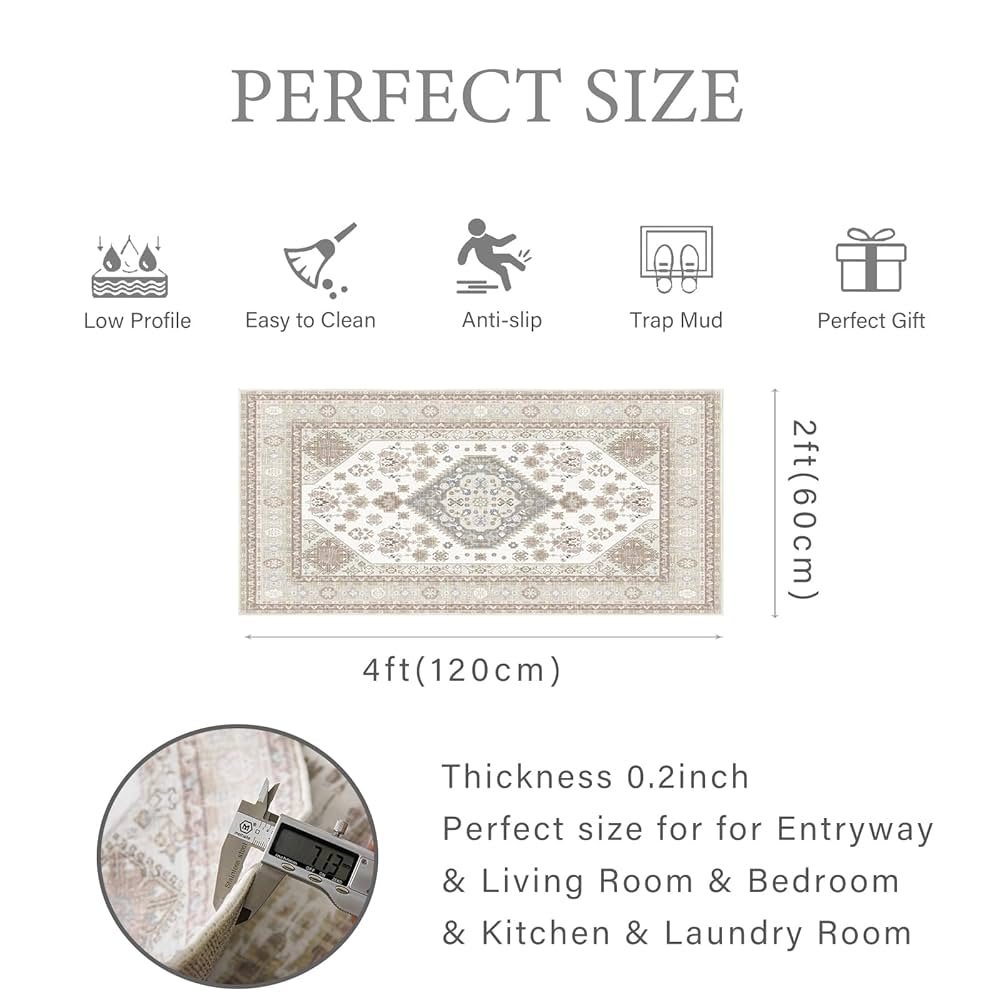
Choosing the right runner rug can completely change the look and feel of your space. But how do you know what size is best for your hallway, kitchen, or entryway?
Picking the wrong size can make your room feel cramped or awkward. You’ll discover simple tips to find the perfect runner rug size that fits your space perfectly. Keep reading to make your home feel more inviting and stylish with the right runner rug.

Credit: woven.co.uk
Common Runner Rug Sizes
Choosing the right runner rug size can transform your hallway, kitchen, or entryway. Common runner rug sizes offer practical options that fit most spaces without overwhelming them. Understanding these sizes helps you pick a runner that complements your room’s layout and flow.
Standard Dimensions
Most runner rugs come in a few standard sizes that suit typical narrow spaces. The most popular size is 2 feet wide by 8 feet long. This length fits well in hallways and narrow kitchens, providing coverage without crowding.
Other common widths include 2.5 feet and 3 feet, paired with lengths ranging from 6 to 14 feet. A 2.5 x 10 feet runner often works great in longer corridors or staircases. If your space is extra long, a 3 x 12 feet runner can make a bold, continuous statement.
Here’s a quick overview:
| Width (feet) | Length (feet) | Best For |
|---|---|---|
| 2 | 6, 8, 10 | Standard hallways, kitchens |
| 2.5 | 8, 10, 12 | Narrower stairs, longer corridors |
| 3 | 10, 12, 14 | Wide hallways, open entryways |
Custom Options
What if your space doesn’t match these standard sizes? Custom runner rugs can be made to fit unique measurements perfectly. Many rug makers offer tailored lengths and widths that accommodate odd or unusually shaped areas.
Custom sizing allows you to choose the exact width and length that suit your home’s style and function. You can also pick specific materials, patterns, or pile heights that standard options may not offer. This is especially useful if you want a runner that aligns perfectly with your furniture or architectural details.
Have you measured your hallway or stairwell carefully? Sometimes, going custom prevents buying a rug that’s too short or too wide, avoiding awkward gaps or bunching. Taking the time to get it right can make a big difference in how your space feels and flows.
Choosing The Right Length
Choosing the right length for a runner rug is key to enhancing both the look and function of your space. Too short, and it might feel awkward or out of place; too long, and it can overwhelm the area or become a tripping hazard. Think about where you want to place the runner and how much coverage you need to make the space both inviting and practical.
Hallways And Corridors
Hallways often benefit from longer runner rugs that stretch most of the way down the corridor. Aim for a rug that leaves about 6 to 12 inches of bare floor on each side to keep the space balanced. A rug that’s too short can break up the flow, while one that’s too long might crowd doorways or make cleaning tricky.
Consider the width of your hallway before picking the runner’s length. Narrower hallways usually look best with a slightly shorter runner that doesn’t block access. Have you ever walked down a hallway where the rug felt like it was just floating? That’s usually a sign the runner is the wrong size.
Staircases
Runner rugs on stairs need to be long enough to cover each step without bunching up or leaving gaps. Measure your staircase carefully from the top tread to the bottom. The runner should follow the stairs smoothly to provide safety and comfort underfoot.
If your stairs are steep or narrow, choose a runner with enough length to wrap securely around each step’s edge. A poorly sized runner can be a hazard, so don’t cut corners here. You want a rug that stays put and adds a warm touch to your staircase.
Kitchens And Entryways
In kitchens and entryways, runners serve both style and function by protecting floors and defining spaces. The right length depends on the area’s layout and traffic flow. For example, a kitchen runner should cover the main work zone, like in front of the sink and stove, without blocking cabinets or appliances.
Entryways often call for shorter runners to avoid crowding the door while still welcoming guests with color and texture. Think about how much space you want to keep clear for opening doors or moving furniture. Have you noticed how a well-sized runner can make a small entry feel bigger and more inviting?
Selecting The Perfect Width
Choosing the right width for a runner rug depends on the hallway or space size. A common width ranges from 2 to 3 feet, fitting narrow areas comfortably. Measure the floor width to ensure the runner complements the room without crowding it.
Selecting the Perfect Width Choosing the right width for a runner rug is crucial in enhancing the aesthetics and functionality of your space. A perfectly sized runner not only complements your decor but also defines pathways, adding warmth and texture. With the variety of sizes available, selecting the ideal width can transform narrow hallways or wide walkways into inviting spaces.Narrow Spaces
In narrow spaces, such as hallways or small entryways, the width of your runner rug plays a vital role. Ideally, you want a runner that leaves a few inches of flooring visible on either side. This creates an illusion of space and prevents the area from feeling cramped. Consider a runner that’s about 2 to 3 feet wide for these snug areas. This width allows for comfortable movement while maintaining balance in the room’s design. Imagine walking into your home and being greeted by a perfectly sized runner that guides your path without overwhelming the space.Wide Walkways
Wide walkways or expansive corridors offer more flexibility in runner size selection. Here, you can opt for a wider runner, typically ranging from 3 to 4 feet. A wider runner adds a touch of luxury and fills the space effectively, ensuring it doesn’t feel empty. In these areas, a broader runner can serve as a statement piece. It can tie together different elements of your decor, creating a cohesive look. Picture a beautifully patterned runner that anchors the space, making every step feel like a deliberate stride through your personal gallery. When choosing the width of your runner rug, consider the balance between functionality and style. What width will make your space more inviting?Material And Thickness Impact
The material and thickness of a runner rug greatly affect its size choice and overall performance. Different materials offer unique benefits and affect durability and comfort. Thickness also plays a key role in how the rug feels underfoot and how safe it is on various floors.
Durability Considerations
Materials like wool and synthetic fibers provide strong durability. Wool is naturally resilient and resists wear and tear well. Synthetic options like nylon and polypropylene handle heavy foot traffic and stains effectively.
Thicker rugs often last longer. They absorb impact better and resist flattening. Thin rugs may wear out quickly in busy areas. Consider the material and thickness based on the runner’s location.
Comfort And Safety
Thicker runner rugs offer more cushioning. This makes walking more comfortable, especially in hallways and stairs. Soft materials also add a cozy feel to the space.
Thickness affects safety too. Thin rugs can slip on smooth floors. Adding a non-slip pad improves stability. Thick rugs with dense backing reduce slipping risks naturally.
Measuring Tips For Runner Rugs
Measuring for a runner rug might seem straightforward, but a few simple missteps can throw off the entire look of your hallway or narrow space. Taking the time to measure accurately ensures your runner fits perfectly, enhancing your room’s flow rather than disrupting it. Let’s dive into some practical measuring tips that will help you get the right size every time.
Tools You Need
Gather the right tools before you start measuring. A soft measuring tape is ideal because it can bend easily around corners and along walls. You might also want a notepad to jot down your measurements and a pencil to mark key points on the floor or wall.
Having a laser distance measurer can speed things up if you’re measuring a long hallway. But don’t rely solely on it—double-check with a tape measure for accuracy. A level can also be useful if your walls or floors aren’t perfectly straight, helping you adjust your measurements accordingly.
Avoiding Common Mistakes
Many people assume runner rugs should cover the entire floor length, but leaving a border around the rug creates a balanced look. Measure your space and subtract about 6 to 12 inches from each side to find the optimal rug length and width.
Don’t forget to account for furniture placement. If your runner will sit under a console table, measure the table’s dimensions first to ensure the rug extends enough on either side. Also, be cautious about measuring only the narrowest part of the hallway—check several points, as walls may not be perfectly parallel.
Have you ever picked a rug that felt too short or too wide after buying it? That’s a sign of skipped measuring steps. Taking extra time now saves you from costly returns and awkward arrangements later.

Credit: www.amazon.ca
Styling With Runner Rugs
Runner rugs add style and warmth to narrow spaces like hallways, kitchens, or entryways. Their long, slim shape makes them perfect for these areas. Styling with runner rugs lets you enhance your room’s look without crowding it. Choosing the right color, pattern, and layering method can create a cozy, inviting feel.
Color And Pattern Choices
Choose colors that match or contrast with your room’s palette. Light colors can make a space feel bigger and brighter. Darker shades hide dirt and add depth. Patterns add character and interest. Stripes can lengthen a hallway visually. Geometric shapes bring a modern touch. Floral or traditional motifs offer a classic look. Pick patterns that fit your room’s mood.
Layering Techniques
Layering runner rugs adds texture and dimension. Place a runner on top of a larger area rug for a cozy vibe. Use different textures to create contrast, like wool over jute. Align runner edges with furniture lines for a neat look. Layering also protects floors and reduces noise. Experiment with overlapping sizes and shapes to find what fits best.
Maintenance And Care
Runner rugs add style and comfort to narrow spaces. Caring for them keeps their look fresh and vibrant. Proper maintenance prevents wear and extends their life. Simple cleaning and smart habits preserve the rug’s beauty and texture.
Cleaning Methods
- Vacuum regularly to remove dust and dirt.
- Spot clean spills immediately using mild detergent.
- Use a soft brush for stubborn stains.
- Avoid harsh chemicals that can damage fibers.
- Professional cleaning once a year helps deep dirt removal.
Longevity Tips
- Rotate the runner rug every few months to even out wear.
- Place a rug pad underneath to prevent slipping and damage.
- Keep the rug away from direct sunlight to avoid fading.
- Air out the rug occasionally to prevent moisture build-up.
- Avoid heavy furniture on the rug to reduce pressure marks.

Credit: shop.wellwoven.com
Frequently Asked Questions
What Are The Common Sizes Of Runner Rugs?
Runner rugs typically range from 2 to 3 feet wide and 6 to 14 feet long. The most popular size is 2. 5 feet by 8 feet. Sizes vary to fit hallways, kitchens, and stairs, providing both style and function in narrow spaces.
How To Choose The Right Runner Rug Size?
Measure the length and width of your hallway or area. Leave at least 4 to 6 inches of floor visible on each side. Choose a runner rug that fits comfortably without crowding the space or looking too small.
Are Runner Rugs Suitable For Stairs?
Yes, runner rugs are ideal for stairs. They provide safety by reducing slips and add warmth and style. The standard stair runner size is about 27 inches wide, but always measure your staircase for the perfect fit.
Can Runner Rugs Be Used In Kitchens?
Runner rugs work well in kitchens, especially in front of sinks or counters. They add comfort and protect the floor. Choose durable, easy-to-clean materials to handle spills and heavy foot traffic.
Conclusion
Choosing the right runner rug size depends on your space and needs. Most runner rugs are between 2 to 3 feet wide and 6 to 14 feet long. Measure your hallway or area before buying. A well-sized runner adds comfort and style without crowding.
Remember, the runner should fit the area, leaving some floor visible on each side. This simple guide helps you pick a runner rug that looks great and feels right in your home.



