
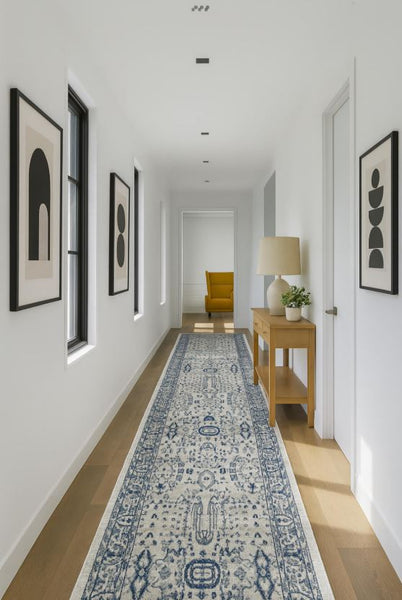
Are you wondering how long your hallway runner should be to make the best impact? Choosing the right length isn’t just about filling space—it’s about creating flow, comfort, and style in your home.
If your runner is too short, it might look awkward or fail to protect your floors. Too long, and it could overwhelm the hallway or become a tripping hazard. You’ll discover simple guidelines to find the perfect runner length that fits your hallway and enhances your space.
Keep reading to transform your hallway with the ideal runner size that suits your needs perfectly.
Choosing The Right Length
Choosing the right length for your hallway runner is more than just picking a size off the shelf. It involves understanding your space and how the runner will flow within it. The right length can make your hallway feel balanced and inviting, while the wrong size might disrupt the room’s harmony.
Measuring Your Hallway
Start by measuring the entire length of your hallway from wall to wall. Use a tape measure and note down the exact distance in feet or meters. Remember, the runner doesn’t need to cover the entire length—leaving some bare floor at each end often looks better.
Think about how much floor you want visible at both ends. Do you want the runner to start right at the entrance, or leave a gap? A good rule of thumb is to leave 6 to 12 inches of floor visible at each end for a balanced look.
Standard Runner Lengths
Hallway runners usually come in standard lengths like 6, 8, 10, or 12 feet. Choosing from these sizes can simplify your decision, but you should match them closely to your hallway’s measurements. If your hallway is 10 feet long, an 8-foot runner often works well, leaving space on both ends.
Don’t hesitate to get a runner slightly shorter than your hallway. A runner too long can feel cramped or cause tripping hazards. You want your runner to guide the eye down the hallway, not overwhelm it.
Considering Doorways And Furniture
Take note of any doorways or furniture along your hallway. You don’t want the runner to block doors or get bunched up under furniture legs. Measure the distance between doorways and place your runner so it fits neatly without interfering.
If you have furniture in the hallway, such as a console table, consider how the runner will interact with it. A runner that extends under the furniture can anchor the space, but be sure the edges won’t catch or curl up. Have you checked how your hallway’s layout affects your runner choice?

Credit: www.amazon.ca
Factors Influencing Runner Length
Choosing the right length for your hallway runner depends on several key factors. These elements help ensure the runner fits well, functions properly, and enhances your space’s overall look. Understanding these influences will guide you to a runner that feels just right in your hallway.
Hallway Width And Layout
The width of your hallway plays a big role in deciding runner length. A narrow hallway might look cramped with a long runner that covers every inch, while a wider hallway can handle a longer runner comfortably.
Also, consider the layout—do you have doors or furniture along the hallway? Avoid blocking entryways or creating tripping hazards by measuring carefully before buying your runner.
Traffic Flow And Usage
How often people walk through your hallway affects how long your runner should be. In a busy home, a longer runner protects more of your floor and reduces wear and tear.
If your hallway is mainly decorative or rarely used, a shorter runner might work just fine. Think about who will be using the space and how to balance comfort with practicality.
Aesthetic Balance And Style
Your hallway runner should complement the room’s style and not overpower it. A runner that’s too short can look awkward, while one that’s too long might make the space feel smaller.
Try to leave some floor visible at both ends of the runner to create balance. Have you noticed how a well-sized runner can tie a hallway’s look together? That’s the power of good proportion.
Common Runner Length Mistakes
Choosing the right length for a hallway runner can be tricky. Many make common mistakes that affect aesthetics and safety. Understanding these errors helps in selecting the perfect runner length.
Too Short Or Too Long
Runners that are too short leave floor areas exposed. This disrupts the visual flow. It can make the space appear disjointed. Conversely, overly long runners can bunch up. This creates tripping hazards and looks untidy. Always measure your hallway accurately. Consider the space you want covered before purchasing.
Ignoring Hallway Features
Many overlook hallway features like doors and vents. Runners should not block doorways or air vents. This can cause functional issues. Measure the space between features carefully. Ensure the runner fits without obstruction.
Overlooking Safety Concerns
Safety should be a priority when choosing a runner. A poorly placed runner can lead to slips. Ensure the runner has a non-slip backing. Secure it with rug pads or tape. This keeps it in place, reducing accidents. Properly anchored runners offer both safety and style.

Credit: www.amazon.ca
Tips For Perfect Fit
Choosing the right length for a hallway runner creates balance and style in your space. A perfect fit enhances the hallway’s look and ensures safety. Consider a few tips to achieve the best size and placement for your runner.
Allowing Proper Borders
Leave space around the runner for clear borders. Aim for 4 to 6 inches between the runner edges and the walls. This border shows off the floor and frames the rug nicely. Too narrow or too wide borders can look awkward.
Custom Vs. Ready-made Runners
Custom runners fit your hallway exactly. They suit unusual lengths or widths perfectly. Ready-made runners come in standard sizes and are easy to find. Measure your hallway first to choose the best option. A slightly shorter runner often works better than one too long.
Layering With Other Rugs
Layering runners over larger rugs adds texture and warmth. Use a neutral base rug with a patterned runner on top. Keep the runner centered and aligned with the hallway shape. This creates depth and interest without cluttering the space.
Maintenance And Durability
Choosing the right hallway runner isn’t just about style or size—it’s also about how well it holds up over time and how easy it is to maintain. A runner that looks great but wears out quickly or becomes a chore to clean can quickly become a source of frustration. Understanding the maintenance and durability aspects helps you pick a runner that stays beautiful and functional for years.
Material Choices
The material of your hallway runner greatly affects its durability and maintenance needs. Wool runners are tough and naturally stain-resistant, making them ideal for high-traffic areas. Synthetic fibers like nylon or polypropylene are budget-friendly and resist moisture, but they may wear faster.
Consider how much foot traffic your hallway gets and whether pets or kids frequent the area. Durable materials can save you money and effort in the long run.
Cleaning And Care
Regular cleaning keeps your runner looking fresh and extends its lifespan. Vacuuming once or twice a week removes dust and debris that can wear down fibers. For spills, immediate spot cleaning prevents stains from setting.
Some runners can be machine washed or dry cleaned, while others need professional care. Check the care label and think about how much time you can realistically spend on upkeep before buying.
Replacing Runners Over Time
Even the best runners won’t last forever. Over time, colors fade and fibers break down, especially in busy hallways. Paying attention to wear patterns helps you decide when it’s time to replace your runner to keep your hallway looking sharp.
Have you ever delayed replacing a worn runner only to regret it? Staying ahead with timely replacements keeps your space inviting and safe underfoot.

Credit: www.runrug.com
Frequently Asked Questions
How To Measure Hallway For Runner Length?
Measure the hallway length first. Subtract 12-18 inches from each end for an ideal runner size. This allows space for visual balance and safety.
Should Hallway Runner Cover Entire Hallway Length?
No, avoid covering the entire hallway. Leave 12-18 inches of floor visible at both ends for aesthetic appeal and easier cleaning.
What Width Should A Hallway Runner Be?
Choose a runner width that leaves 6-10 inches of floor visible on each side. This creates a balanced and proportional look.
Can Hallway Runner Length Vary By Hallway Size?
Yes, longer hallways need longer runners. Short hallways require shorter runners. Match runner size to hallway length for best results.
Conclusion
Choosing the right hallway runner length makes a big difference. It should fit the hallway size well. Leave some space at each end for balance. Too short or too long can look odd. A good runner adds style and comfort.
Measure carefully before buying to avoid mistakes. The perfect runner guides guests and protects floors. Simple steps help you find the best fit. Enjoy a hallway that feels both cozy and neat.



