
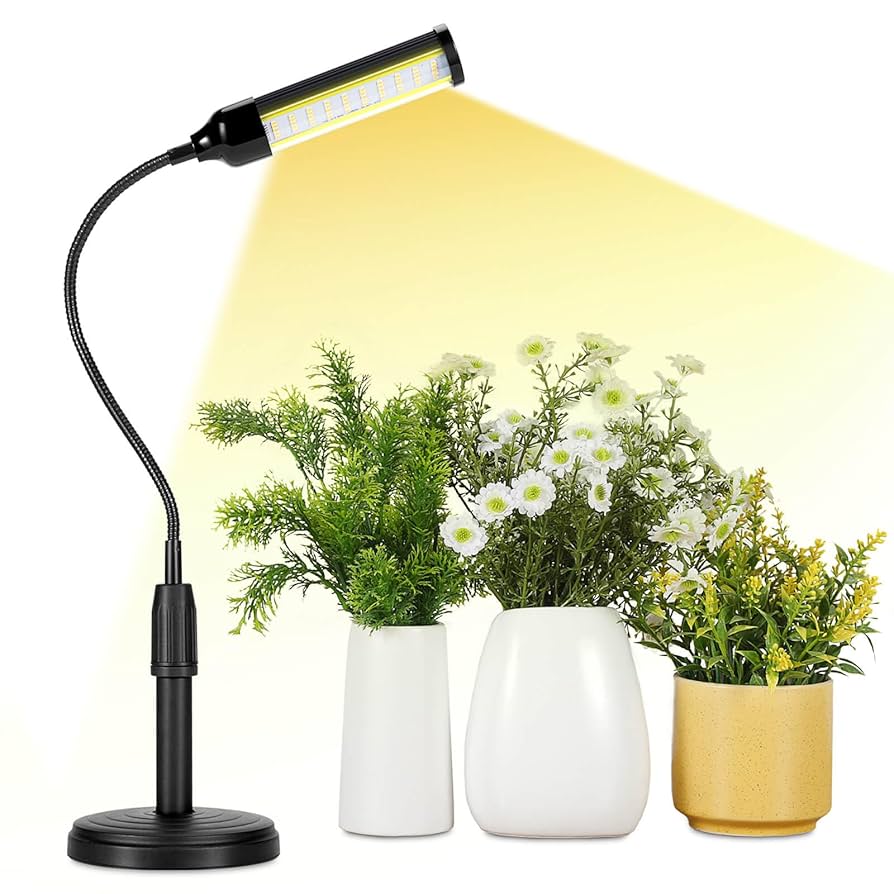
Are you wondering if your LED desk lamp can double as a grow light for your plants? It’s a question many plant lovers ask when they want to save space and money.
You might think any light that brightens your desk could help your plants grow, but there’s more to it than just brightness. Understanding how light affects your plants can make a big difference in their health and growth. Keep reading, and you’ll discover whether your LED desk lamp can really give your plants the boost they need.

Credit: www.succulentsandsunshine.com
Led Desk Lamps And Plant Growth
LED desk lamps are common in many homes and offices. They offer bright, focused light ideal for reading or working. Some plant lovers wonder if these lamps can help their plants grow. The question is whether LED desk lamps provide the right light for plant growth.
Plants need specific light wavelengths to grow well. Not all LED lights produce these wavelengths. Understanding the features of LED desk lamps helps clarify their use as grow lights.
Basic Features Of Led Desk Lamps
- Usually emit cool or warm white light.
- Designed for human comfort and eye protection.
- Light intensity is moderate, suitable for tasks.
- Often adjustable brightness and angle.
- Energy-efficient and long-lasting bulbs.
The light spectrum of these lamps mainly supports human vision. They lack the red and blue light plants need most. This limits their effectiveness as grow lights for healthy plant development.
Common Uses Beyond Lighting
- Reading and studying with focused light.
- Office work to reduce eye strain.
- Crafts and hobbies needing clear visibility.
- Decorative lighting for desks and rooms.
- Occasional task lighting for small areas.
While LED desk lamps help with many tasks, they are not designed for plant growth. Specialized grow lights have tailored light spectra and intensity. These features better support photosynthesis and plant health.

Credit: planethouseplant.com
Light Requirements For Plants
Plants need light to grow and stay healthy. Light helps plants make food through a process called photosynthesis. Different plants need different amounts and types of light. Understanding these needs can help you decide if an LED desk lamp works as a grow light.
Photosynthesis And Light Spectrum
Photosynthesis uses light to turn carbon dioxide and water into energy. Plants absorb mainly red and blue light. These colors help leaves and flowers grow well. Green light is mostly reflected, which is why plants look green.
A good grow light should provide the right colors. Many LED desk lamps do not have the full spectrum plants need. Without the correct light spectrum, plants might grow slowly or weakly.
Intensity And Duration Needs
Light intensity means how bright the light is. Plants need bright light to grow strong. Desk lamps often give low light intensity. This may not be enough for many plants.
Duration is how long plants get light each day. Most plants need 12 to 16 hours of light daily. Too little light time can stop growth. Too much can stress the plant.
To support healthy growth, plants need consistent and adequate light intensity and duration. Simple desk lamps may not meet these needs without modification.
Comparing Led Desk Lamps To Grow Lights
LED desk lamps provide light but lack the specific spectrum plants need to grow well. Grow lights emit the right colors and intensity to support healthy plant growth. Using a desk lamp may help small plants briefly, but it’s not ideal for long-term growth.
Comparing LED Desk Lamps to Grow Lights Choosing between an LED desk lamp and a grow light for your indoor plants can be a tricky decision. While both options offer unique benefits, understanding their differences can help you make an informed choice. Let’s delve into the key factors that set these lighting solutions apart.Differences In Light Spectrum
The light spectrum is crucial when it comes to plant growth. Grow lights are designed to emit specific wavelengths that plants need, such as red and blue light, which are essential for photosynthesis. In contrast, LED desk lamps are typically engineered to provide a broad spectrum of light aimed at human activities, lacking the precise wavelengths plants crave. If you’re using a desk lamp for your plants, you might notice slower growth. This is because your plants are not getting the right type of light they need to thrive. Wouldn’t you want to give them the best chance possible?Brightness And Coverage Area
When it comes to brightness and coverage, grow lights usually have the upper hand. They are specifically tailored to provide intense light across a wide area, supporting multiple plants at once. On the other hand, LED desk lamps are designed for focused lighting, ideal for reading or working at a desk, but not necessarily for illuminating a large plant area. Imagine setting up a small indoor garden. A single desk lamp might only cover one or two plants, while a grow light could support an entire windowsill garden. Wouldn’t that be more efficient?Energy Efficiency
Energy efficiency is another critical consideration. Both LED desk lamps and grow lights are known for being energy-efficient compared to older lighting technologies. However, grow lights often have advanced features like timers and adjustable settings that optimize energy use specifically for plant growth. Consider your electricity bill. A grow light, though potentially more expensive upfront, might save you money in the long run with its energy-saving features. Isn’t it worth investing in something that pays off over time? In the end, while an LED desk lamp can support plant growth to some extent, grow lights are purpose-built for the job. Understanding these differences will help you decide what best suits your indoor garden’s needs.
Credit: www.sansiled.com
Benefits Of Using Led Desk Lamps For Plants
Using LED desk lamps for growing plants offers several surprising benefits that can make your indoor gardening easier and more affordable. These lamps provide a practical light source that supports plant growth without the need for specialized equipment. Let’s look at why your everyday LED desk lamp might just be the perfect companion for your green friends.
Cost-effectiveness
LED desk lamps are generally much cheaper than dedicated grow lights. You don’t have to invest in expensive horticultural lighting to provide your plants with adequate light. Plus, LED bulbs consume less electricity, which can reduce your energy bills over time.
Think about how many times you’ve bought a pricey grow light only to use it sporadically. An LED desk lamp can serve multiple purposes—lighting your workspace and helping your plants thrive. This dual use means you get more value for your money.
Availability And Convenience
Most households already have LED desk lamps, making them an easily accessible option for plant lighting. You won’t need to wait for a special delivery or visit a specialty store. This convenience allows you to start supporting your plants’ growth immediately.
LED desk lamps are typically adjustable, letting you position the light exactly where your plants need it most. You can move the lamp closer or farther away depending on the plant’s growth stage and light requirements. Have you tried adjusting your lamp’s angle to see how your plants respond?
Limitations And Challenges
Using an LED desk lamp as a grow light might seem like a smart, budget-friendly idea at first. But there are some key limitations and challenges you need to consider before expecting it to support your plants’ growth effectively. Understanding these issues can save you time, money, and frustration.
Insufficient Light Spectrum
Plants need specific wavelengths of light to photosynthesize properly, mainly in the blue and red spectrum. Most LED desk lamps are designed for human vision, not plant growth, so their light spectrum often misses these crucial wavelengths.
This means your plants may not get the right type of light to grow strong and healthy. Have you noticed your seedlings stretching or looking pale under a regular desk lamp? That’s a sign they aren’t getting the light spectrum they need.
Low Intensity For Growth
Even if an LED desk lamp emits some useful wavelengths, it usually lacks the intensity required for effective plant growth. Plants need light strong enough to penetrate leaves and stimulate photosynthesis, which desk lamps often cannot provide.
For example, a typical desk lamp might only deliver a fraction of the light intensity that a dedicated grow light emits. This means your plants might grow slower or become weak simply due to insufficient light energy.
Potential Impact On Plant Health
Using an inadequate light source can lead to long-term health problems for your plants. Weak light can cause leggy, stretched stems, smaller leaves, and poor flowering or fruiting.
In some cases, plants under desk lamps may become more vulnerable to pests and diseases because they are stressed from poor light conditions. Ask yourself: is the convenience of a desk lamp worth the risk of unhealthy plants?
Tips For Using Led Desk Lamps As Grow Lights
Using LED desk lamps as grow lights can be a practical choice for small indoor plants. Some adjustments help your plants get the right light and grow healthy. These tips guide you on how to make the most of your LED desk lamp for plant growth.
Choosing The Right Lamp
Not all LED desk lamps suit plant growth. Look for lamps with full spectrum or daylight bulbs. These bulbs emit light similar to the sun. Avoid lamps with only cool white or warm white light. Check the lamp’s brightness. Plants need at least 2000 lumens for good growth. Choose lamps that allow you to change brightness levels.
Adjusting Distance And Duration
Keep the lamp close to the plants, but not too close. About 12 to 18 inches is a good distance. Move the lamp higher if leaves start to burn or turn yellow. Set the lamp on for 12 to 16 hours a day. Use a timer to keep the light consistent. Turn off the lamp at night to mimic natural cycles.
Supplementing With Natural Light
Use natural light along with your LED desk lamp. Place plants near windows to get extra sunlight. Natural light helps plants absorb more energy. If natural light is weak, increase the lamp’s duration. Rotate plants regularly for even light exposure. This balance supports stronger and healthier growth.
Alternative Lighting Options For Indoor Plants
Finding the right light for your indoor plants can be tricky. Not all lights serve the same purpose, and some may even do more harm than good. Understanding your options helps you choose a lighting setup that truly supports your plants’ growth and health.
Dedicated Led Grow Lights
These lights are built specifically for plant growth. They emit the right spectrum of light that plants need for photosynthesis, especially red and blue wavelengths. If you want your plants to thrive indoors, investing in a dedicated LED grow light can make a noticeable difference.
I’ve seen my herbs flourish faster once I switched from a regular desk lamp to a grow light. The plants looked healthier, with stronger stems and more vibrant leaves. Could your current lighting be holding your plants back?
Fluorescent And Hid Lights
Fluorescent lights are a common alternative and are more affordable than many LED grow lights. They work well for seedlings and low-light plants but may not be powerful enough for larger plants or flowering species.
High-Intensity Discharge (HID) lights, like metal halide or high-pressure sodium lamps, offer intense light suitable for large setups. However, they consume more energy and produce heat, so consider your space and energy costs before choosing these options.
Natural Light Enhancements
Sometimes, adjusting natural light can be the simplest and cheapest solution. Using reflective surfaces like mirrors or white walls can help spread sunlight to darker corners of your room.
You might also try positioning plants closer to windows or using sheer curtains to diffuse harsh sunlight. These small changes can boost the light your plants receive without extra electricity.
Frequently Asked Questions
Can An Led Desk Lamp Support Plant Growth?
An LED desk lamp can support plant growth if it emits the right light spectrum. Most desk lamps lack full-spectrum light, limiting their effectiveness as grow lights.
What Light Spectrum Do Plants Need To Grow?
Plants primarily need blue and red light for photosynthesis. Full-spectrum grow lights mimic natural sunlight, providing these essential wavelengths for healthy plant growth.
How Long Should An Led Desk Lamp Be Used For Plants?
Plants generally require 12-16 hours of light daily for optimal growth. Using an LED desk lamp within this timeframe can aid growth if it has suitable light wavelengths.
Are Led Desk Lamps Energy Efficient For Plant Growth?
LED desk lamps are energy-efficient but may not be powerful enough for plants. Specialized grow lights deliver higher intensity and targeted spectra, improving plant health and growth.
Conclusion
An LED desk lamp can support small plants with enough light. Still, it may not replace a full grow light system. Plants need specific light colors and intensity to grow well. Desk lamps often lack the right spectrum and power.
For small herbs or seedlings, they might do the job. For larger or more demanding plants, a grow light works better. Choose what fits your plants and space. Keep watching how your plants respond to the light. Adjust as needed for healthy growth.



