
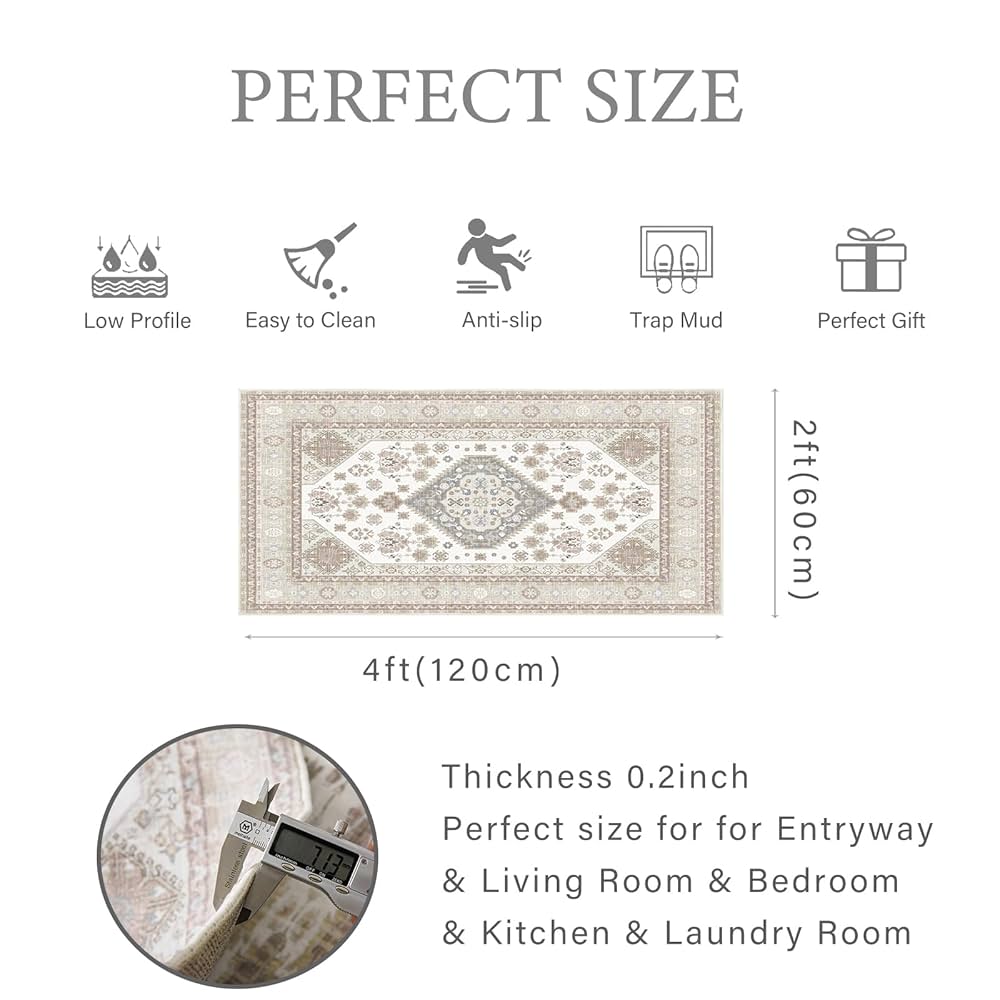
Are you wondering what size a carpet runner should be for your space? Choosing the right size can make a huge difference in how your hallway or stairs look and feel.
Pick one that’s too small, and it might seem out of place; too big, and it could overwhelm your room. You’ll discover simple tips to find the perfect carpet runner size that fits your home perfectly. Keep reading to transform your floors with confidence!
Choosing The Right Width
Choosing the right width for a carpet runner is key to both safety and style. The width affects how the runner fits on your stairs and how it looks in your home. Too narrow, and it might look out of place. Too wide, and it can cause tripping hazards or cover too much of your stairs.
Knowing the common sizes and how to measure your stairs helps find the perfect fit. Understanding the difference between narrow and wide runners lets you match your space and taste.
Standard Width Options
Carpet runners usually come in widths from 18 to 30 inches. The most common sizes are:
- 18 inches – for narrow stairs or tight spaces
- 24 inches – fits most standard staircases
- 27 to 30 inches – for wider stairs or a bold look
Choosing a standard width helps ensure the runner fits well without extra trimming.
Measuring Your Staircase
Measure the width of your stairs from wall to wall. Use a tape measure for accuracy. Also, note the length of each step if you plan a custom runner. Check for any irregular shapes or features.
Compare your measurements to the available runner widths. Leave about 2 to 4 inches of uncovered stair on each side. This balance keeps your stairs visible and safe.
Narrow Vs Wide Runners
Narrow runners offer a sleek, minimalist look. They work well in tight or narrow staircases. Wide runners cover more of the stair and can add warmth and softness. They may suit larger homes or grand staircases.
Consider foot traffic and style preferences. Narrow runners show more of the stair material. Wide runners provide extra cushioning and reduce noise. Choose based on your staircase size and personal taste.
Determining The Ideal Length
Choosing the right length for a carpet runner makes a big difference in your space. It affects safety, style, and how well the runner fits. The ideal length depends on the hallway or stairs size and your personal taste. Measuring carefully ensures the runner looks balanced and functions well. Consider the space’s shape and how much floor you want covered. This guide helps you find the perfect length for your carpet runner.
Measuring Hallways And Stairs
Start by measuring the full length of your hallway or stairs. Use a tape measure for accuracy. Measure from one end to the other in a straight line. For stairs, measure from the top step to the bottom step. Write down the length to avoid mistakes. Check if the area is not perfectly straight; measure in sections if needed. Accurate measuring helps the runner fit neatly without gaps or overlaps.
Allowing For Extra Length
Add extra length to prevent the runner from looking too short. Leave about 6 to 12 inches of bare floor at each end. This space frames the runner nicely and stops it from crowding doors or walls. Too short runners can look awkward and may cause tripping. Extra length also allows the runner to move slightly without slipping. Think about the room’s layout to decide the perfect extra space.
Custom Length Considerations
Custom runners fit unusual spaces better than standard sizes. They allow for curves, landings, or narrow sections. Custom length helps you get the exact fit for your stairs or hallway. Discuss options with a carpet supplier if standard runners don’t fit well. Custom runners may cost more but improve safety and style. Measuring carefully before ordering custom lengths prevents costly errors.
Material And Thickness Impact
Understanding the impact of material and thickness on carpet runners can significantly influence your buying decision. The material and thickness of your carpet runner not only affect its appearance but also its functionality and longevity. These factors can greatly affect how well the runner fits, its safety on stairs, and the overall comfort and durability you experience.
How Material Affects Fit
The material of a carpet runner directly impacts its flexibility and adaptability to different spaces. For example, a wool runner offers a snug fit due to its natural elasticity, making it ideal for areas with curves or turns. On the other hand, synthetic materials like nylon or polyester may require more precise measurements as they are less forgiving.
Consider the specific area where you plan to place the runner. If you have a high-traffic area, a durable material like jute might be perfect for maintaining fit over time. Balancing aesthetics with functionality is key when choosing the right material.
Thickness And Stair Safety
Thickness plays a crucial role in the safety of stair runners. A thick runner might feel plush underfoot, but it can also pose a tripping hazard if not installed properly. Generally, a medium-thickness runner is ideal for stairs, offering a balance between comfort and safety.
When I installed a runner on my stairs, I opted for a medium thickness, and it made a noticeable difference in safety and comfort. Have you considered how the thickness of your runner could affect the safety of your stairs?
Durability And Comfort
Durability and comfort are vital considerations when selecting a carpet runner. Thicker runners often provide more comfort, but they can wear out quicker in high-traffic areas. On the flip side, thinner runners may not offer the same comfort level but tend to last longer.
Choosing the right combination of material and thickness can enhance both the durability and comfort of your runner. A well-chosen runner not only adds style to your home but also lasts longer and provides the comfort you desire.

Credit: www.amazon.ca
Styles And Patterns That Influence Size
Choosing the right size for a carpet runner is more than just measuring your hallway or stairs. The style and pattern of the runner play a huge role in how its size is perceived and how well it fits into your space. Understanding these design elements can help you pick a runner that not only fits physically but also complements your home’s vibe.
Bold Patterns And Size Perception
Bold patterns can make a runner appear larger than it actually is. Large geometric shapes or vibrant colors draw the eye, expanding the visual space along narrow hallways or staircases. However, if the pattern is too overwhelming, it might clash with the room’s other elements, so balance is key.
Have you noticed how a small rug with a strong pattern grabs more attention than a plain, larger one? That’s the effect you can use to either highlight or minimize the runner’s presence. Opt for bold patterns if you want your runner to be a focal point, but keep the size moderate to avoid overpowering the area.
Runner Size For Modern Vs Traditional
Modern spaces often benefit from sleeker, narrower runners with minimalistic designs. These runners tend to be longer and thinner, complementing clean lines and open layouts. Think about sizes like 2 feet by 8 feet or 2.5 feet by 10 feet for a streamlined look.
Traditional settings, on the other hand, allow for more generous widths and intricate patterns. A wider runner, say 3 feet or more, with classic motifs can add warmth and richness to the space. This choice supports the room’s layered textures and detailed furniture, making the runner feel like part of the story.
Matching Runner To Room Decor
Consider the overall decor when selecting your runner size and pattern. If your room has heavy furniture and rich textures, a wider and patterned runner can anchor the space effectively. In simpler rooms, a narrower and subtler runner might enhance the flow without competing for attention.
Ask yourself: does the runner complement or compete with existing elements? Matching color tones and pattern scale can unify the look. Remember, the right runner size should feel intentional, fitting seamlessly with your room’s personality rather than standing out awkwardly.
Installation Tips For Perfect Fit
Installing a carpet runner with the right size ensures a neat look and safe use. Proper installation helps the runner stay in place and look great on any staircase or hallway. Follow these simple tips to achieve a perfect fit and avoid common problems like slipping or bunching.
Aligning The Runner Correctly
Start by laying the runner flat along the area. Check that it is centered and straight on the stairs or hallway. Use a measuring tape to confirm equal spacing from edges. Smooth out any wrinkles or folds before securing.
Securing The Runner Safely
Use carpet tape or non-slip pads under the runner to keep it from moving. Nail or staple the edges carefully on stairs to prevent tripping hazards. Attach fasteners only where needed to avoid damaging the carpet fibers.
Adjusting Fit After Installation
Walk on the runner to test its position and tightness. Pull or push gently to fix any uneven areas or loose spots. Trim excess edges with a sharp blade for a clean finish. Check regularly and re-secure if the runner shifts over time.

Credit: www.amazon.ca
Common Mistakes To Avoid
Choosing the right carpet runner size is crucial. Many make simple mistakes that affect look and safety. Avoiding these errors helps get the perfect fit and style.
Choosing Incorrect Width Or Length
Selecting a runner too narrow can expose stair edges. This creates tripping hazards and looks odd. A runner too wide may cover too much floor and feel bulky. Length matters too. A runner that is too short leaves gaps at the top or bottom. Too long runners bunch up and look messy. Measure stairs carefully before buying. Aim for a runner that leaves about 2 to 4 inches of stair visible on each side.
Ignoring Staircase Shape
Not all stairs are straight. Curved or angled stairs need special attention. A straight runner will not fit well on curved stairs. This causes wrinkles and safety risks. Consider custom runners or flexible materials for unique shapes. Also, check stair width changes. Some stairs get wider or narrower. Measure each step to ensure the runner fits properly along the whole flight.
Overlooking Runner Maintenance
Maintenance matters for runner size choice. Narrow runners are easier to clean but wear out faster. Wide runners can hide dirt but are harder to vacuum. Choose a size that fits your cleaning routine. Also, pick materials that resist stains and hold up to traffic. Regular vacuuming and spot cleaning extend runner life. Plan for easy removal if deep cleaning is needed.

Credit: directcarpet.com
Frequently Asked Questions
What Are The Common Carpet Runner Sizes?
Carpet runners typically range from 2 to 3 feet in width and 6 to 14 feet in length. Standard sizes include 2×8, 2. 5×10, and 3×12 feet. The size depends on the stair width or hallway length where it will be placed.
How To Choose The Right Carpet Runner Size?
Measure the width and length of the area first. The runner should leave 4-6 inches of floor visible on each side. For stairs, the runner should cover the middle portion, leaving edges exposed for balance.
Can Carpet Runners Be Custom-sized?
Yes, many manufacturers offer custom sizing options. Custom runners ensure a perfect fit for unique staircases or hallways. Custom sizes also allow for personalized designs and materials to suit specific décor needs.
What Width Is Best For Stair Carpet Runners?
A width of 27 to 30 inches is ideal for most stairs. This size covers the central part while leaving the stair edges visible. Proper width enhances safety and aesthetics, complementing the staircase design.
Conclusion
Choosing the right carpet runner size makes a big difference. It helps protect floors and adds style to your space. Measure your area carefully before buying to avoid mistakes. Remember, a good fit feels comfortable and looks neat. Use these tips to find the perfect runner size for your home.
A well-chosen carpet runner can brighten any hallway or stairway. Simple steps lead to a better, cozier room. Take your time and enjoy the process.



