
Have you ever wondered how a simple device can detect your every move without even seeing you? Motion sensors are everywhere—from security alarms to automatic lights—and they play a key role in making your daily life safer and more convenient.
But how exactly do they work? Understanding this can help you appreciate the technology around you and even choose the right sensor for your needs. Keep reading, and you’ll discover the fascinating science behind motion sensors in a way that’s easy to grasp.
Your curiosity is about to be rewarded!
Types Of Motion Sensors
Motion sensors come in various types, each designed to detect movement in unique ways. Understanding these types helps you choose the right sensor for your needs, whether it’s for home security, automatic lighting, or energy management. Let’s look at some common types of motion sensors and how they work.
Passive Infrared Sensors
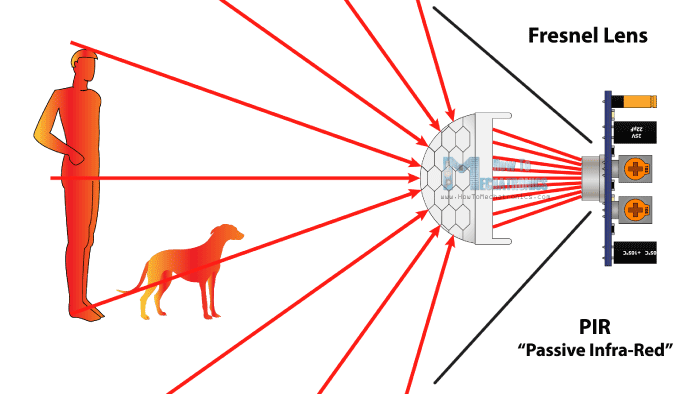
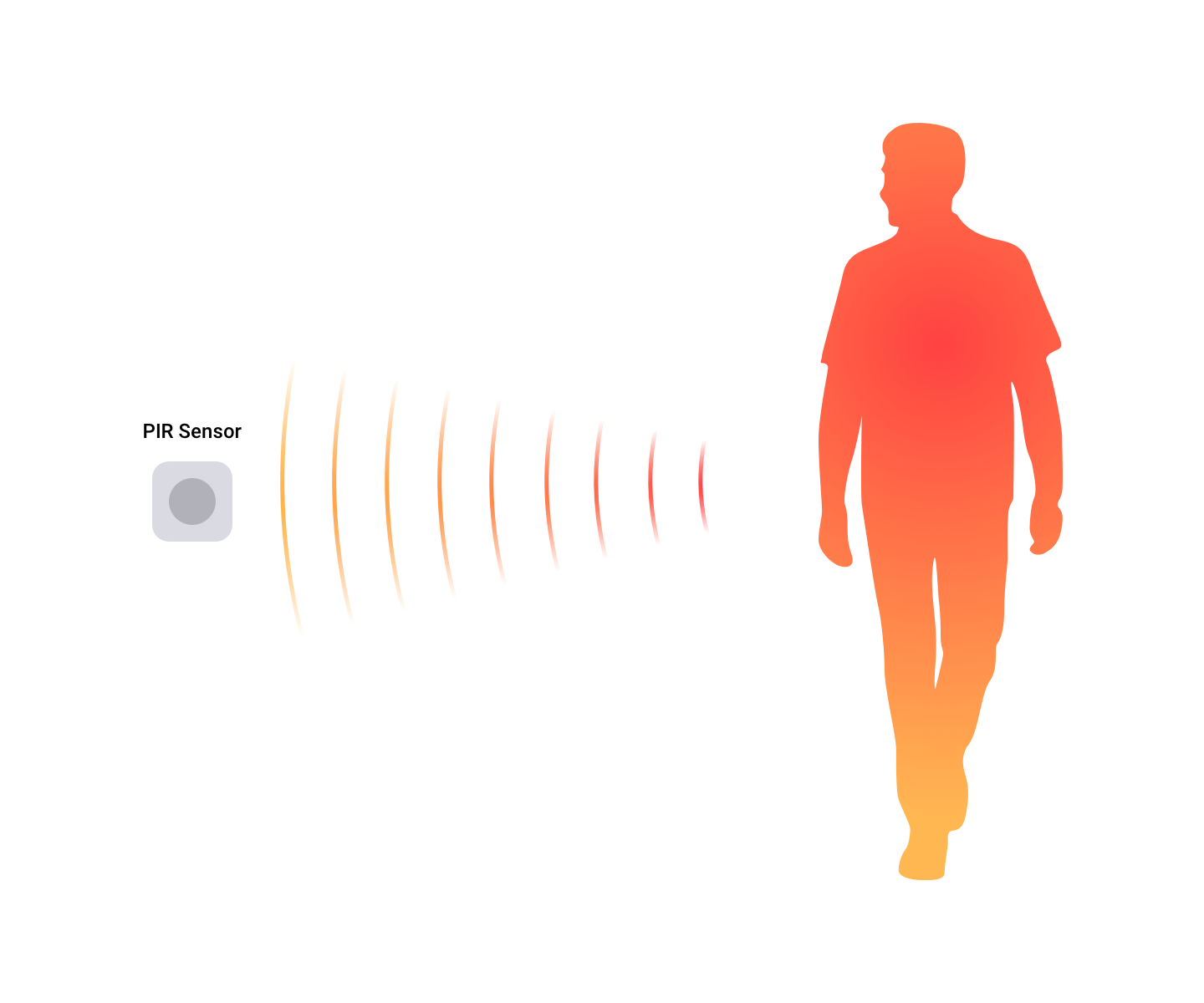
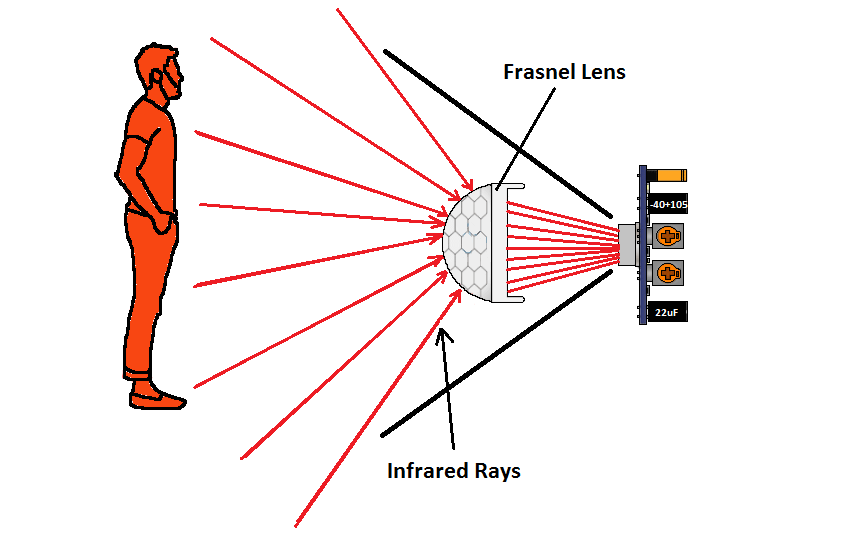
Passive Infrared (PIR) sensors detect body heat by measuring infrared light radiating from objects in their field of view. These sensors are common in home security systems because they only react to moving heat sources, reducing false alarms.
Have you noticed how your automatic lights turn on as soon as you step into a room? That’s often PIR sensors at work, sensing your body heat to activate the light instantly.
Ultrasonic Sensors
Ultrasonic sensors emit high-frequency sound waves and measure the reflection off moving objects. They work well in spaces where detecting motion through sound waves is more reliable than heat detection.
If you’ve ever used an automatic faucet or soap dispenser, ultrasonic sensors likely detected your hand movement to trigger the flow without touch.
Microwave Sensors
Microwave sensors send out microwave pulses and detect the reflection from moving objects. They cover larger areas than PIR sensors and can detect motion through walls or glass, making them useful in complex environments.
However, they can sometimes trigger false alarms from non-human movement, so placing them thoughtfully is key to avoid unnecessary alerts.
Tomographic Motion Detection
Tomographic sensors create a network of radio waves between multiple points to detect motion by changes in the signal patterns. This technology is effective for monitoring large or obstructed spaces.
Imagine a warehouse where traditional sensors fail due to walls and obstacles—tomographic detection can still sense movement accurately across the area.
Dual-technology Sensors
Dual-technology sensors combine two detection methods, often PIR and microwave, to improve accuracy and reduce false alarms. Both sensors must detect motion simultaneously to trigger an alert.
This approach is ideal if you want reliable security that minimizes false triggers from pets, curtains, or other non-threatening sources in your home.
Core Components Of Motion Sensors
Motion sensors rely on several key parts to detect movement accurately. Each component has a special role in sensing, processing, and signaling. Understanding these core components helps explain how motion sensors work in various devices.
Sensing Element
The sensing element detects motion by sensing changes in the environment. It can sense heat, sound, or light changes caused by moving objects. Common types include infrared sensors and ultrasonic sensors. This part acts as the sensor’s “eyes” or “ears.”
Signal Processor
The signal processor analyzes the data from the sensing element. It filters out noise and decides if the detected change means movement. This part makes the sensor smart by interpreting signals correctly. It ensures the sensor reacts only to real motion.
Power Supply
The power supply provides energy to all parts of the motion sensor. It can be a battery or connected to an electrical source. A steady power supply is crucial for continuous operation. It keeps the sensor ready to detect motion at any time.
Output Interface
The output interface sends the motion detection signal to other devices. It can trigger alarms, lights, or cameras. This component connects the sensor with the outside world. It turns the sensor’s detection into an action.
How Infrared Sensors Detect Movement
Infrared sensors detect movement by sensing heat changes in their surroundings. When a warm object, like a person, moves, the sensor picks up the change and triggers a response. This helps devices know when something is nearby without physical contact.
Understanding how infrared sensors detect movement can be both fascinating and practical. These sensors play a crucial role in our daily lives, from automatic lighting systems to advanced security solutions. By focusing on the heat emitted by objects, infrared sensors can detect changes in their environment and trigger specific actions.Heat Signature Detection
Infrared sensors work by identifying heat signatures. Every object emits infrared radiation as a function of its temperature. Imagine walking into a dark room, and the lights automatically turn on. That’s your motion being detected by the sensor due to the heat your body emits. The sensor measures the difference in the infrared radiation between the background and a moving object. If you’ve ever noticed how some security lights only activate when someone walks by, it’s because the sensor has detected a distinct heat signature change.Signal Changes And Triggers
Once a heat signature is detected, the sensor undergoes a change in its electrical signal. This change acts as a trigger for the connected system to perform a specific action, like turning on a light or sounding an alarm. Think of it like a switch being flipped. The sensor sends a signal to the connected device, prompting it to react immediately. This mechanism can be incredibly useful in enhancing security or conserving energy by ensuring lights or devices are only active when needed. Have you considered how this technology might simplify your life or enhance your security measures? By understanding these sensors, you can make informed decisions about integrating them into your home or workplace.Ultrasonic And Microwave Detection Methods
Ultrasonic and microwave detection methods are common ways motion sensors detect movement. Both use waves that humans cannot hear or see. These sensors send out waves and watch how they bounce back or change. This helps the sensor know if something is moving nearby.
Sound Wave Reflection
Ultrasonic sensors use sound waves above the human hearing range. They send out these waves in short bursts. When the waves hit an object, they bounce back to the sensor. The sensor measures the time it takes for the waves to return. This helps it figure out how far the object is.
If the time changes, the sensor knows the object moved. This method works well in small areas and indoors. It is very accurate for detecting small movements.
Radio Wave Doppler Shift
Microwave sensors use radio waves instead of sound. They send out a steady radio wave beam. When the waves hit a moving object, the frequency changes. This change is called the Doppler shift.
The sensor detects this frequency change to know if something is moving. It can sense motion through walls or glass. Microwave sensors cover larger areas than ultrasonic ones. They are common in outdoor and security systems.
Applications Of Motion Sensors
Motion sensors have many uses across different fields. They detect movement and trigger actions automatically. This ability makes daily tasks easier and environments safer. Below are some common areas where motion sensors play a key role.
Home Security Systems
Motion sensors help protect homes by detecting intruders. They activate alarms or send alerts to homeowners instantly. These sensors cover doors, windows, and large rooms. They also save energy by turning off security devices when no one is present.
Automated Lighting
Motion sensors control lights in homes and offices. Lights turn on only when someone is nearby. This reduces electricity waste and lowers bills. Sensors work well in hallways, bathrooms, and outdoor areas. They improve convenience and add safety at night.
Industrial Automation
Factories use motion sensors to monitor machines and workers. Sensors ensure machines operate safely and efficiently. They detect human presence to prevent accidents. Motion sensors also help control robotic arms and conveyor belts. This boosts productivity and reduces downtime.
Healthcare Monitoring
Hospitals use motion sensors to track patient movement. They alert staff if a patient falls or leaves the bed. Sensors help monitor elderly or disabled patients. This technology supports quick responses and better care. It also improves patient safety without constant supervision.
Credit: homey.app
Challenges And Limitations
Motion sensors have many benefits but also face some challenges. These issues can affect their accuracy and performance. Understanding these limitations helps users set realistic expectations and improve their use.
False Alarms
False alarms happen when a sensor detects movement that is not a threat. Small animals, falling leaves, or shadows can trigger the sensor. False alarms cause annoyance and reduce trust in the system. Some sensors have settings to reduce these triggers but may not eliminate them completely.
Environmental Interference
Weather conditions can interfere with sensor accuracy. Rain, fog, and strong sunlight may affect sensor signals. Heat sources like heaters or sunlight can cause incorrect readings for infrared sensors. Physical obstacles such as walls or furniture can block sensor detection. Proper placement helps minimize environmental issues but cannot remove them fully.
Power Consumption
Motion sensors need power to operate continuously. Battery-powered sensors face limits in battery life. Frequent use or constant monitoring drains batteries quickly. Wired sensors avoid battery problems but require installation effort. Power consumption influences sensor choice based on use and location.
Future Trends In Motion Detection
Motion sensors have come a long way, and their future looks even more promising. Advances in technology are making these devices smarter, more precise, and energy-conscious. Understanding where motion detection is heading can help you make better choices for your home or business security.
Ai Integration
Artificial intelligence is changing how motion sensors interpret data. Instead of just detecting movement, sensors can now analyze patterns to decide if the motion is a potential threat or just a harmless activity like a pet moving around. This reduces false alarms and makes your security system more reliable.
Imagine your motion sensor learning your daily routine and alerting you only when something unusual happens. AI integration means sensors will get better at distinguishing between a family member and an intruder, saving you time and worry.
Enhanced Sensitivity
New technologies are pushing the limits of sensitivity in motion sensors. Sensors are becoming capable of detecting even the slightest movement from greater distances, improving coverage without increasing false alarms. This means better protection for larger areas with fewer devices.
Have you noticed how some modern sensors can track movement through walls or around corners? This enhanced sensitivity makes them ideal for complex environments like warehouses or busy offices.
Energy Efficiency Improvements
Energy consumption is a big concern for devices running 24/7. Motion sensors are getting smarter about power use, switching to low-energy modes when no movement is detected. This extends battery life and reduces the need for frequent replacements.
Some sensors now use solar power or energy harvesting techniques to stay charged. This not only cuts down maintenance costs but also makes them more environmentally friendly.

Credit: wasserstein-home.com
Credit: medium.com
Frequently Asked Questions
How Does A Motion Sensor Detect Movement?
A motion sensor detects movement by sensing changes in infrared radiation or sound waves. It identifies heat signatures or vibrations caused by moving objects. This triggers the sensor to activate connected devices like lights or alarms. Different types use various technologies for accurate motion detection.
What Are The Common Types Of Motion Sensors?
Common motion sensors include Passive Infrared (PIR), ultrasonic, microwave, and dual-technology sensors. PIR sensors detect body heat, ultrasonic use sound waves, and microwave sensors emit radio waves. Dual-technology combines two methods to reduce false alarms and improve reliability in detecting motion.
Where Are Motion Sensors Typically Used?
Motion sensors are widely used in security systems, automatic lighting, and home automation. They help save energy by activating lights only when needed. These sensors also enhance safety by alerting to intruders or monitoring occupancy in commercial and residential spaces.
Can Motion Sensors Work In Complete Darkness?
Yes, many motion sensors like Passive Infrared (PIR) work effectively in complete darkness. They detect heat emitted by humans or animals rather than relying on light. This makes them ideal for night security and automatic lighting in dark areas.
Conclusion
Motion sensors detect movement using light, heat, or sound. They help improve security and save energy. Many devices use them, from lights to alarms. Understanding how they work can help you choose the right one. They react quickly to changes in their surroundings.
This makes them useful for many daily tasks. Simple and smart technology at its best. Motion sensors make life safer and more convenient.



