
Have you ever wondered what happens when you look through a diffraction grating at a simple desk lamp? It might seem like just an ordinary light, but through this tiny tool, you can unlock a hidden world of colors and patterns right on your desk.
Imagine turning everyday light into a stunning rainbow, revealing secrets that are invisible to the naked eye. If you want to see your desk lamp in a whole new way and understand the science behind this colorful magic, keep reading.
Your curiosity is about to light up!

Credit: www.ebay.com
Diffraction Grating Basics
Understanding diffraction grating basics is key when you peek through one at your desk lamp. It’s not just about seeing a pretty rainbow; it’s about how light behaves in surprising ways. Knowing what makes a diffraction grating work will change how you look at everyday light sources.
How Diffraction Gratings Work
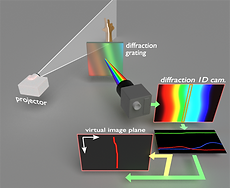
A diffraction grating is a surface with many tiny, evenly spaced lines or grooves. When light hits these lines, it bends and spreads out into different directions. This bending separates light into its colors or wavelengths, much like a prism does but with sharper detail.
Imagine shining your desk lamp through a grating and seeing the white light split into a spectrum of colors. This happens because each color bends at a slightly different angle. Have you ever wondered why some colors appear more intense or spread out than others?
Types Of Diffraction Gratings
Diffraction gratings come in a few varieties, mainly reflective and transmissive types. Reflective gratings bounce light off their surface, while transmissive ones let light pass through tiny lines etched on glass or plastic.
- Reflective Gratings:Often used in spectrometers, these gratings handle high light intensities well.
- Transmissive Gratings:Common in educational kits, these are easy to use with desk lamps and simple setups.
Choosing the right type depends on your goal. Are you trying to study the spectrum carefully or just enjoy the color patterns? Your choice shapes the experience.
Light Wave Interaction
Light acts like a wave, and when it meets the grating’s lines, waves spread out and overlap. This overlap creates patterns of bright and dark spots called interference. The bright spots represent specific colors where waves combine nicely.
Think about it: each groove sends out new wavelets. These wavelets add up or cancel out depending on their alignment. This interaction is why you see those distinct bands of color instead of a blur.
Have you noticed how moving the grating slightly changes the colors you see? That’s because the angle affects how waves line up. Playing with these angles can turn your desk lamp into a personal light show—scientifically explained and visually stunning.
Setting Up The Desk Lamp Experiment
Setting up the desk lamp experiment correctly is key to observing clear and vivid diffraction patterns. Your setup impacts the quality of the light spectrum you see through the diffraction grating. Let’s focus on how to arrange your desk lamp and diffraction grating for the best visual experience.
Choosing The Right Desk Lamp
Not every desk lamp works well for this experiment. You want a lamp with a bright, white LED or halogen bulb. These bulbs provide a consistent and strong light source, which is essential for producing clear diffraction patterns.
A lamp with adjustable brightness is even better. You can reduce glare and prevent the light from overwhelming the diffraction grating. Have you noticed how some lamps flicker or create uneven light? Avoid those to keep your results steady.
Positioning The Diffraction Grating
Hold the diffraction grating close to your eyes, but not too close to the lamp. Ideally, place it about 10 to 20 centimeters away from the light source. This distance allows the light waves to spread evenly across the grating’s surface.
Try tilting the grating slightly until you catch the light at the perfect angle. Small adjustments make a huge difference in the sharpness of the colors you see. What happens when you move it closer or farther? Experiment to find your sweet spot.
Optimal Viewing Angles
Your viewing angle controls how the diffracted light separates into a rainbow of colors. Look through the grating from different heights and side angles. Changing your perspective can reveal hidden spectral lines you might have missed.
Make sure your eyes are aligned with the central beam of light from the lamp. If you look from too far off to the side, the pattern may blur or disappear. Have you tried slowly rotating the grating while watching the colors? This simple move can enhance your observation significantly.
Stunning Light Patterns Explained
Stunning light patterns appear when shining a desk lamp through a diffraction grating. This happens because the grating splits light into many colorful beams. The result is a beautiful display of bright lines and shapes.
When you look through a diffraction grating at a desk lamp, the ordinary light transforms into a mesmerizing display of colors and patterns. This phenomenon, often overlooked in daily life, can be both fascinating and educational. Understanding why these stunning light patterns occur can deepen your appreciation for the intricate world of optics.Rainbow Spectrum Formation
The first thing you notice is a beautiful spectrum of colors, reminiscent of a rainbow. This happens because the diffraction grating splits the white light into its constituent colors. Each color bends at a different angle, creating a spread of colors that is both vivid and vibrant.Multiple Order Diffraction
But the spectacle doesn’t stop at a single spectrum. You might observe multiple sets of these rainbow patterns. These are known as higher-order diffractions, where light waves interfere in such a way that multiple series of the spectrum appear. It’s a testament to the wave nature of light and how it can create multiple images under different conditions.Influence Of Light Intensity
The brightness of the patterns also changes based on the intensity of the light source. A brighter lamp will generate more pronounced and distinct patterns. This is because a stronger light source emits more photons, enhancing the visibility of the diffracted light. So next time you have a diffraction grating handy, take a moment to explore the light around you. What stunning patterns do you see? Are there more colors or orders than you expected? These small observations can lead to a greater appreciation of the science behind everyday phenomena.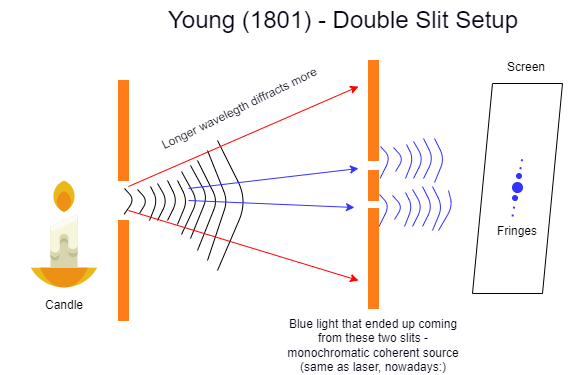
Credit: medium.com
Factors Affecting Light Effects
Understanding the factors that affect light effects when looking through a diffraction grating at a desk lamp can deepen your appreciation of this simple yet fascinating phenomenon. Various elements influence how the light disperses and what colors or patterns you observe. By paying attention to these details, you can better control and predict the visual outcome.
Grating Spacing And Lines Per Millimeter
The distance between the lines on the diffraction grating plays a crucial role. Smaller spacing means more lines per millimeter, which leads to greater separation of colors and sharper patterns.
If you’ve ever tried different gratings, you might notice how some produce vivid rainbows while others show muted colors. This happens because the grating spacing directly affects the angle at which different wavelengths of light spread out.
Lamp Color Temperature Impact
The color temperature of your desk lamp changes the type of light you see through the grating. A warm light bulb, which emits more red and yellow hues, will create a different spectrum compared to a cool white or daylight bulb.
Think about how a cozy yellow lamp casts softer and warmer colors, while a bright white LED creates a sharper and more distinct color spread. Your choice of lamp influences the mood and clarity of the diffraction pattern.
Ambient Light Conditions
The surrounding light conditions around your desk can either enhance or diminish the diffraction effect. In a dark room, the colors and patterns appear more vivid and easier to distinguish.
On the other hand, strong ambient light, like sunlight or overhead fluorescent lights, can wash out the colors and reduce contrast. Have you noticed how your diffraction grating looks different during the day compared to nighttime? That’s the ambient light at work.
Practical Applications
Diffraction gratings reveal a spectrum of colors by splitting light into its components. This simple tool offers many practical uses beyond curiosity. It helps explain how light works and creates beautiful visuals. Scientific fields also rely on it for precise measurements. The desk lamp and diffraction grating setup is a small window into these broad applications.
Educational Demonstrations
Teachers use diffraction gratings to show light’s nature clearly. Students see how white light breaks into colors like a rainbow. It makes learning about waves and light more hands-on. Simple experiments boost curiosity and understanding of physics basics. This tool fits well in classrooms and science fairs.
Artistic Light Displays
Artists use diffraction gratings to craft stunning light patterns. The split colors add depth and movement to visual art. Light installations often include gratings for vibrant effects. This technique enhances performances and creative projects. It turns ordinary light into a dynamic art form.
Scientific Research Uses
Researchers employ diffraction gratings to study light properties precisely. It helps analyze light from stars and distant objects in space. The grating measures wavelengths in chemistry and physics experiments. Instruments use it to separate light for detailed analysis. This tool supports many fields like astronomy and materials science.
Troubleshooting Common Issues
Encountering issues while looking through a diffraction grating at your desk lamp can be frustrating. However, many common problems have simple fixes that can improve your experience quickly. Let’s break down some typical challenges and how you can address them effectively.
Blurry Or Faint Patterns
Are the light patterns you see unclear or too dim? This often happens if the grating isn’t held steady or is too far from the light source. Try moving the grating closer to the lamp and ensure you hold it firmly without shaking.
Another cause might be the brightness of the lamp. Using a desk lamp with a stronger bulb or increasing the room’s darkness can help the patterns stand out more sharply. Don’t forget to clean the grating gently; smudges or dust can blur the image.
Uneven Spectrum Colors
Notice some colors brighter than others or missing entirely? This can happen if the angle between your eye, the grating, and the lamp isn’t right. Adjust your viewing angle slowly while observing the spectrum to find the best position.
Also, check if the light source emits a full range of colors. Some bulbs, especially LEDs or fluorescents, may lack certain wavelengths, causing an uneven spectrum. If possible, switch to an incandescent bulb for a richer display of colors.
Handling Diffraction Gratings
How you handle your diffraction grating affects the quality of the patterns you see. Avoid touching the surface directly; oils from your fingers can damage the grooves and reduce clarity. Use clean, dry hands or hold the edges only.
Store the grating in a protective sleeve or case when not in use to prevent scratches. Even small marks can distort the light and degrade the diffraction effect. Have you ever noticed how a tiny scratch can completely ruin the neat rainbow you expect?
Enhancing The Visual Experience
Enhancing the visual experience when looking through a diffraction grating at a desk lamp can transform a simple observation into an intriguing exploration of light and color. Small adjustments can reveal vibrant patterns and deepen your appreciation of how light behaves. Let’s look at some ways to make those patterns even more captivating and dynamic.
Using Colored Filters
Adding colored filters between your eye and the diffraction grating changes the colors you see in the light spectrum. Try placing a red or blue filter to highlight specific wavelengths and make certain colors pop.
This simple tweak can help you isolate parts of the spectrum, making it easier to study subtle shifts or compare different light sources. Have you noticed how a green filter can soften harsh whites into soothing hues?
Combining Multiple Light Sources
Using more than one light source creates overlapping diffraction patterns that can be quite mesmerizing. Position a warm desk lamp alongside a cooler LED light to see how their combined spectra interact.
This setup allows you to observe the way different light temperatures mix and influence the colors seen through the grating. What new patterns emerge when you mix artificial and natural light?
Creating Dynamic Effects
Moving the diffraction grating slowly or changing the angle of the light adds motion to the patterns, making the visual experience more engaging. Watch how shifting the grating reveals a cascade of colors that seem to dance.
Try rotating the grating gently to see how the spectrum shifts and changes. Could this simple movement turn your desk lamp into a mini light show?

Credit: www.youtube.com
Frequently Asked Questions
What Is A Diffraction Grating And How Does It Work?
A diffraction grating is an optical tool with many parallel lines. It splits light into its spectral colors by diffraction. When light passes through, it bends and separates based on wavelength, creating a rainbow pattern. This helps analyze light properties precisely.
Why Use A Desk Lamp With A Diffraction Grating?
A desk lamp provides a stable, bright, and continuous light source. It allows clear viewing of diffraction patterns. Using a lamp helps observe how different wavelengths spread, making it ideal for studying light spectra at home or in classrooms.
What Colors Appear When Looking Through Diffraction Grating?
You see a spectrum of colors from violet to red. Light separates into distinct bands due to wavelength differences. This colorful display reveals the light’s composition, showing visible wavelengths clearly and vividly when viewed through the grating.
How Does Distance Affect Diffraction Pattern Visibility?
Increasing distance between grating and screen spreads the pattern wider. This makes colors easier to distinguish but less bright. Closer distance shows a compact, brighter pattern but with less separation. Adjust distance for optimal clarity and visibility.
Conclusion
Observing the desk lamp through a diffraction grating reveals light’s hidden colors. This simple tool shows how white light splits into a rainbow. You can see bright lines and patterns clearly. Such experiments help us understand light’s nature better. Try it yourself to explore science in a fun way.
Science is everywhere, just waiting to be discovered. Small steps lead to big learning moments. Enjoy the beauty of light and its secrets.



