
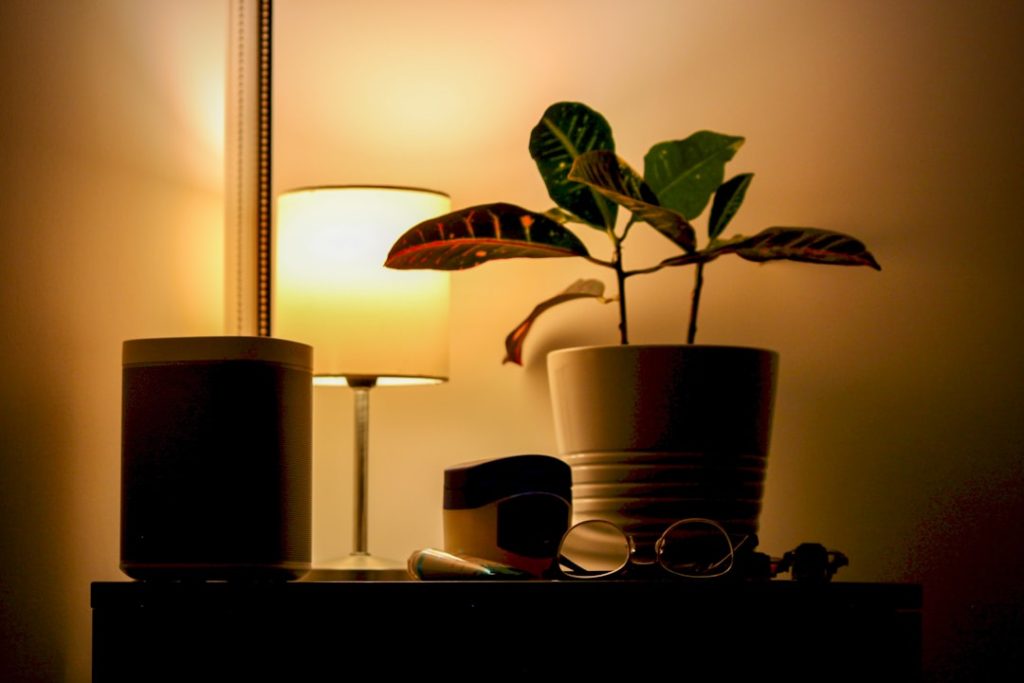
Are you wondering if your desk lamp can give your plants the direct light they need to grow? You want your green friends to thrive, but not all light sources are created equal.
Understanding whether a desk lamp provides the right kind of light could make all the difference in your plant’s health. Keep reading to discover how to make your desk lamp work for your plants and avoid common mistakes that might be holding them back.
Your plants will thank you!

Credit: www.reddit.com
Benefits Of Desk Lamp Lighting
Desk lamp lighting offers several benefits for indoor plants. It provides a steady light source that supports plant health. This lighting helps plants thrive even in spaces with little natural sunlight. Using a desk lamp can be a simple way to boost plant growth and keep them vibrant.
Enhancing Plant Photosynthesis
Plants need light to make food through photosynthesis. Desk lamps supply the light energy plants require. This process helps plants convert light into energy. A direct light desk lamp can increase photosynthesis in indoor plants. It keeps plants healthy and active, even in darker rooms.
Improving Growth In Low Light Areas
Many homes have areas with poor natural light. Desk lamps bring light to these shaded spots. This extra light helps plants grow better in low light conditions. It reduces the risk of weak, leggy plants. Plants become stronger and fuller with desk lamp lighting.
Convenience For Indoor Gardening
Desk lamps are easy to use for indoor gardening. They fit on desks, shelves, or tables. You can adjust the lamp’s position to suit each plant. This flexibility means plants get light exactly where needed. Desk lamps also save space and require little setup.
Types Of Desk Lamp Lights For Plants
Choosing the right type of desk lamp light for your plants can make a big difference in their growth and health. Not all lights work the same way, and some are better suited for certain plants than others. Understanding the different types of desk lamp lights helps you create the perfect environment for your green friends.
Led Grow Lights
LED grow lights are energy-efficient and produce very little heat, making them safe to use close to plants. They provide a balanced spectrum of light tailored to the needs of plants, especially in the blue and red wavelengths. If you want a light that supports photosynthesis without wasting electricity, LED grow lights are a smart choice.
Many plant lovers find that LED lights encourage faster growth and healthier leaves. Have you noticed how some desk lamps come with adjustable settings? This feature lets you change the light intensity to match your plant’s stage of growth.
Fluorescent Lamps
Fluorescent lamps are affordable and widely available, offering a cool light that many plants enjoy. They emit a broad spectrum of light, though not as precisely tuned as LED grow lights. These lamps work well for seedlings and low-light plants.
One downside is that fluorescent bulbs tend to generate more heat, so you need to keep an eye on the distance between the lamp and your plant. Have you ever seen the difference in leaf color when a plant doesn’t get enough light? Fluorescent lamps can help maintain that healthy green glow.
Incandescent Bulbs
Incandescent bulbs are the least ideal choice for plant growth. They produce a lot of heat and emit mostly yellow and red light, lacking the blue light essential for healthy photosynthesis. Using them can dry out your plants or even cause leaf burn.
However, some people use incandescent bulbs in combination with other light sources to add warmth during colder months. If you already have incandescent lamps, consider supplementing with LED or fluorescent lights to cover the full spectrum your plants need.
Direct Vs. Indirect Light Impact
Desk lamps usually provide direct light, which shines straight onto plants. This light type helps plants grow by giving them focused energy. Indirect light, softer and spread out, suits plants that need less intense light.
When you’re nurturing plants indoors, the type of light you provide can significantly influence their growth and health. Understanding the difference between direct and indirect light is crucial for ensuring your plants thrive. Both types of light have their merits and knowing which to use can make all the difference in your indoor garden.Effects Of Direct Light On Plant Health
Direct light is intense and can be beneficial or harmful depending on the plant species. Plants like succulents and cacti flourish under direct light as it mimics their natural arid environment. But too much direct light can scorch sensitive leaves, causing damage over time. One afternoon, I noticed brown spots on my peace lily—a classic sign of too much direct light. A quick adjustment to its position saved it from further harm. Have you ever noticed similar signs on your plants?When Indirect Light Works Better
Indirect light is softer and gentler, making it ideal for plants like ferns and philodendrons. These plants naturally grow under the canopy of larger trees and thus thrive with filtered light. Indirect light can be as simple as the light that bounces off a wall before reaching your plant. I moved my spider plant to a shelf where it only received indirect light, and its leaves became greener and more vibrant. Have you tried this approach with your own indoor jungle?Choosing The Right Light Type
Selecting the right light type for your plants involves understanding their specific needs. Conduct some research or experiment with different light settings to see what works best. Consider using adjustable desk lamps to provide flexible lighting options. You can easily switch between direct and indirect light by adjusting the lamp’s position or using shades. Wouldn’t it be satisfying to see your plants flourish with just a simple adjustment? Remember, each plant is unique, and your attention to their light needs can make a noticeable difference.
Credit: www.reddit.com
Optimal Desk Lamp Positioning
Optimal desk lamp positioning plays a key role in helping plants grow indoors. The right placement ensures plants get enough light to thrive. Poor positioning can cause weak growth or leaf damage. Understanding the best distance, angle, and timing of light exposure makes a big difference.
Distance From Plant
Keep the desk lamp close enough to provide sufficient light. A distance of 12 to 18 inches works well for most small plants. Too far, and the light becomes weak and ineffective. Too close, and the leaves might burn. Adjust the distance based on the lamp’s brightness and plant type.
Angle And Direction
Point the lamp so light hits the plant’s leaves directly. Angling the light between 45 to 60 degrees helps cover more leaf surface. Avoid shining light from below or behind the plant. Rotate the plant occasionally to expose all sides evenly to light.
Duration And Timing
Provide plants with 12 to 16 hours of light daily for healthy growth. Use a timer to keep light consistent each day. Turn off the lamp at night to mimic natural darkness. Avoid leaving the lamp on 24/7, as plants need rest periods too.
Common Plant Types For Desk Lamps
Choosing the right plants for your desk lamp setup can make a huge difference in how well they thrive. Not all plants respond the same way to direct light from a desk lamp, so knowing which types fit best can save you time and effort. Let’s look at some common plants that do well under desk lamp lighting and how they react to it.
Succulents And Cacti
Succulents and cacti are popular choices for desk plants because they require minimal care and can handle direct light from desk lamps. These plants store water in their leaves, so they don’t need constant moisture, making them forgiving if you forget to water occasionally.
Desk lamps with LED or fluorescent bulbs can provide enough light for these plants to stay healthy. Have you noticed how your succulent’s leaves get plump and vibrant with just a few hours of desk lamp light? That’s a good sign they’re happy.
Herbs And Small Vegetables
If you want something edible, herbs like basil, mint, or small vegetables such as cherry tomatoes can do well under a desk lamp. These plants need more light than succulents, so placing your lamp closer and using bulbs with a full spectrum can help them grow.
Keep in mind that herbs often require regular trimming to encourage growth, so pairing your lamp with a timer can mimic natural daylight cycles effectively. Have you tried growing your own herbs at your workspace? It’s both practical and satisfying.
Foliage Plants
Foliage plants like pothos, spider plants, or philodendrons are great for desks because they tolerate lower light but can benefit from additional light from desk lamps. These plants add greenery and improve air quality without needing intense direct light.
Using a desk lamp with adjustable brightness lets you customize the light to suit your plant’s needs. Notice how your pothos vines stretch or how your spider plant’s leaves stay lush with the right lighting? That’s the power of proper desk lamp use.
Signs Of Light Stress In Plants
Plants need the right amount of light to grow healthy and strong. Too much or too little light causes stress. Light stress affects a plant’s appearance and growth. Recognizing signs of light stress helps you adjust lighting for your plants.
Leaf Discoloration
Leaves change color when light is too strong or weak. Bright light can cause leaves to turn yellow or white. This happens because the plant cells get damaged. Low light often results in pale green or dull leaves. Healthy leaves should be vibrant green and uniform in color.
Wilting And Dryness
Plants may wilt or feel dry under poor lighting. Strong direct light from a desk lamp can dry out leaves quickly. Wilting means the plant loses water faster than it absorbs. Dry, crispy edges or spots are signs of light stress too. Keep an eye on leaf texture and moisture.
Slow Growth Or Legginess
Light stress slows plant growth. Too little light makes plants stretch out looking tall and thin. This is called legginess. The plant tries to reach for more light. Slow growth and weak stems show the plant is not getting enough light. Adjust your lamp position to fix this problem.
Tips To Maximize Plant Growth Indoors
Maximizing plant growth indoors requires more than just placing your plant near a light source. It’s about creating the right environment where light, water, and reflection work together to boost photosynthesis and keep your plants healthy. Small adjustments in how you manage these factors can make a big difference in your plant’s growth and vibrancy.
Combining Natural And Artificial Light
Natural sunlight is the best energy source for your plants, but it’s not always enough, especially on cloudy days or in rooms with limited windows. Adding a desk lamp with direct light can fill in those gaps and extend the hours of effective light your plants receive.
Position your desk lamp close enough so the light reaches the leaves but not so close it overheats them. You can also rotate your plant regularly to ensure all sides get equal light exposure, preventing uneven growth. Have you noticed how your plant leans toward the window? That’s a sign it needs more balanced lighting.
Maintaining Proper Watering
Water is essential but too much or too little can stress your plant and stunt growth. Check the soil moisture before watering by sticking your finger about an inch deep—if it feels dry, it’s time to water.
Remember, the amount of light your plant gets affects how quickly it uses water. Plants under desk lamps may dry out faster, so keep an eye on their needs. Using pots with drainage holes also helps prevent root rot by letting excess water escape.
Using Reflective Surfaces
Reflective surfaces can boost the amount of light your plants receive by bouncing light onto their leaves. Placing a white wall, mirror, or even a piece of aluminum foil near your plant can increase light exposure without extra energy use.
This simple trick helped me save on electricity while seeing my indoor garden thrive. Try positioning reflective materials opposite your desk lamp to catch and spread light evenly. Have you ever tried using reflective surfaces to brighten a dark corner for your plants?

Credit: thegreenmadhouse.com
Frequently Asked Questions
What Is Direct Light From A Desk Lamp For Plants?
Direct light from a desk lamp means light shines straight onto the plant. It mimics sunlight and helps plants grow by providing essential energy for photosynthesis.
Can Desk Lamp Direct Light Support Plant Growth?
Yes, desk lamp direct light can support growth if the lamp emits the right spectrum. Full-spectrum or LED grow lights are best for healthy plants.
How Close Should Plants Be To Desk Lamp Light?
Place plants 6 to 12 inches from the desk lamp for optimal direct light. Adjust distance based on light intensity and plant type to avoid burning.
Are All Desk Lamps Suitable For Plant Lighting?
No, not all desk lamps suit plants. Choose lamps with full-spectrum or grow light bulbs designed to provide the right light wavelengths.
Conclusion
Desk lamp direct light can help some plants grow well. Many plants need bright, steady light to thrive indoors. Desk lamps provide focused light, but may not suit all plants. Choose plants that like direct light, such as succulents or herbs.
Place the lamp close enough to deliver enough light. Watch your plants to see if they respond well. Adjust the lamp position or time if needed. Simple care and the right light can keep plants healthy. Desk lamp light works best as part of a good plant routine.



