
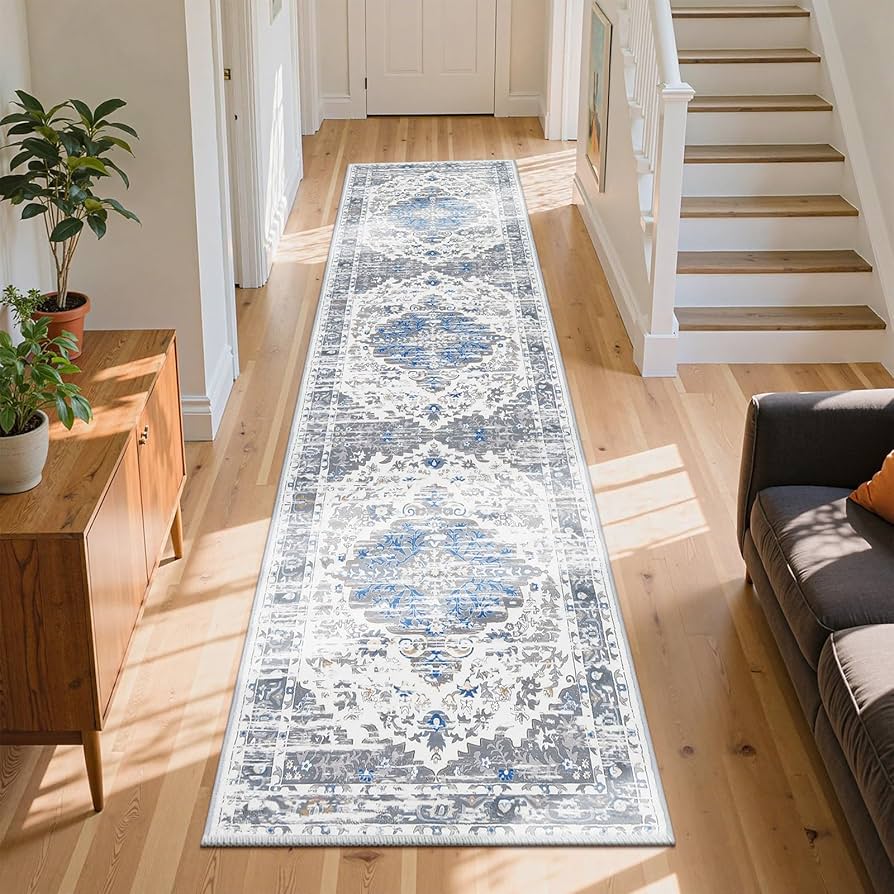
Are you wondering if you can use both an area rug and runners in your home? Maybe you love the cozy feel an area rug brings but also want the practicality of runners in hallways or narrow spaces.
The good news is, yes—you can have both! But how do you make sure they work well together without clashing or making your space look messy? Keep reading, and you’ll discover simple tips to mix and match rugs that will transform your rooms into stylish, comfortable spaces you’ll love.

Credit: www.amazon.com
Benefits Of Layering Rugs
Layering rugs is more than just a trendy design choice; it offers practical benefits that can transform your living space. Combining an area rug with runners allows you to mix patterns, colors, and textures in ways that breathe new life into your rooms. You might be surprised how this simple technique can make your home feel cozier, more organized, and visually interesting.
Adding Texture And Depth
When you layer rugs, you add multiple textures to the floor, making the space feel more inviting. Imagine placing a soft wool runner over a flatwoven area rug—it creates a tactile contrast that draws attention. This mix can make your room feel richer and more dynamic without overwhelming the senses.
Have you noticed how a room can feel flat with just one rug? Layering solves that by creating visual layers that engage the eye. You can even use different pile heights or materials to add complexity and style.
Enhancing Room Warmth
Layered rugs add extra insulation, making your floors warmer underfoot. This is especially useful in chilly seasons or in rooms with hard flooring like tile or hardwood. You’ll appreciate the cozy feeling when stepping out of bed or walking through your hallway.
Besides physical warmth, layered rugs contribute to a warmer atmosphere visually. Soft colors and plush textures can soften harsh lines and cold surfaces, making the whole room feel more welcoming.
Defining Spaces
Using an area rug with runners helps you clearly define different zones within a larger room. For example, an area rug can anchor your living room seating while runners guide traffic in hallways or entryways. This separation helps create order and flow, especially in open-plan layouts.
Think about your own home—do certain areas feel cluttered or undefined? Layering rugs can create intentional boundaries that make your space feel organized and purposeful. It’s a subtle but effective way to control how people move and interact with your rooms.

Credit: www.amazon.com
Choosing The Right Area Rug
Choosing the right area rug can transform your space, especially when you want to use both an area rug and runners. The right rug ties your room together, adding warmth and style without overwhelming your decor. Think about your room’s size, colors, and how much foot traffic it gets before making a decision.
Size And Shape Considerations
Measure your room carefully. An area rug should fit the space without crowding it or looking too small. If you’re pairing an area rug with runners, consider how they work together in terms of flow and coverage.
Rectangular rugs fit well in most rooms, but don’t overlook round or oval shapes for smaller spaces or to soften sharp corners. Remember, a runner is usually narrow and long, perfect for hallways or alongside furniture.
Color And Pattern Matching
Pick colors that complement your existing furniture and walls. You don’t want your rugs to clash but to enhance the room’s vibe. If you have bold patterns in your furniture, choose simpler rug designs to balance the look.
When using both an area rug and runners, coordinate their patterns and colors. You can mix solids with patterns or use a similar color palette to create harmony. Ask yourself if the rug’s colors make your room feel inviting or too busy.
Material And Durability
Think about how much wear your rugs will face. High-traffic areas need durable materials like wool or synthetic fibers. These hold up well and are easier to clean.
For runners in hallways, choose materials that resist stains and don’t slip. If you have pets or kids, you’ll want rugs that stand up to spills and rough use without losing their look.
Selecting Complementary Runners
Choosing runners that match or complement your area rug helps create a balanced look. Select similar colors or patterns to tie the space together and add warmth. Mixing different textures can also enhance the room without clashing.
Selecting the perfect runners to complement your area rug can transform your space into a harmonious and stylish haven. Whether you aim to create a seamless flow or to add a distinctive touch, choosing the right runners is essential. They not only enhance the aesthetic appeal but also bring functionality and comfort to your home.Length And Width Tips
When it comes to selecting runners, size truly matters. The length of your runner should ideally match the length of the hallway or space it occupies, leaving a few inches of floor visible on each end. This ensures a balanced look and prevents the runner from overwhelming the space. In terms of width, aim for a runner that covers the majority of the width of the walkway but leaves a small border on each side. This not only frames the runner beautifully but also protects your flooring. Before purchasing, measure your space carefully to avoid any sizing mishaps.Coordinating Colors And Styles
Choosing complementary colors and styles can make or break the cohesion of your space. If your area rug boasts bold patterns or vibrant colors, consider a runner with a more subtle design to balance the look. Conversely, if your area rug is understated, a runner with a striking pattern can inject personality. Consider your home’s overall color scheme when selecting a runner. Are there existing colors you can pull from to create a cohesive look? Mixing styles can work if done thoughtfully—imagine a modern geometric runner paired with a classic oriental area rug for an eclectic vibe.Runner Materials For High Traffic
In high-traffic areas, durability is key. Materials like wool and nylon are excellent choices for runners, as they can withstand frequent use while maintaining their appearance. Wool is naturally stain-resistant and durable, while nylon is known for its resilience and easy maintenance. Think about the practicality of cleaning as well. Runners in busy areas might need more frequent cleaning, so opt for materials that are easy to vacuum or spot clean. Consider how your choice will hold up against kids, pets, and daily foot traffic. By carefully selecting complementary runners, you create a cohesive and inviting atmosphere in your home. What will your choice say about your style?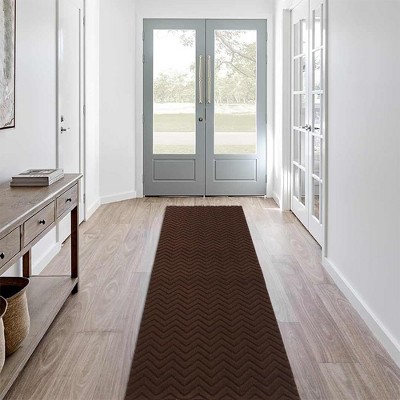
Credit: www.target.com
Layering Techniques
Layering area rugs and runners can transform your space, adding depth and personality. The key is to use techniques that make your rugs work together rather than compete. Think about how you want your rugs to interact and the story you want your floor to tell.
Centering And Alignment
Aligning your rugs properly is essential for a balanced look. Place your area rug as the anchor in the room, then add runners that align with its edges or key furniture pieces. This creates a harmonious flow that guides the eye naturally through the space.
Imagine your living room: the area rug sits centered under the coffee table, and runners lead from entryways directly toward that focal point. This simple alignment technique helps avoid visual chaos and enhances the room’s structure.
Overlapping Styles
Overlapping rugs is a bold way to add texture and interest. Let a runner partially cover an area rug to highlight both pieces without overwhelming the floor. This layering approach works well with different sizes and shapes, making your floor feel curated.
Try overlapping a narrow runner over a large patterned rug to create a striking contrast. It’s a playful mix that can define separate zones in open spaces, like between a hallway and a living area.
Balancing Bold And Subtle Patterns
Mixing bold and subtle patterns requires a careful eye. If your area rug has a loud design, pair it with a runner that features a simple, muted pattern or solid color. This balance prevents the space from feeling too busy or disjointed.
Think about your color palette here: a bright floral area rug can calm down with a neutral runner that echoes one of its colors. This harmony keeps your floor visually appealing and comfortable to the eye.
Room-by-room Layering Ideas
Layering rugs in different rooms adds warmth and style to your home. It lets you play with textures, colors, and patterns, making each space unique. Thinking about where and how to place area rugs and runners can transform your rooms without overwhelming them.
Living Room Combinations
In the living room, try placing a large area rug under your furniture and add a smaller runner to highlight a walkway or entry point. Choose rugs with complementary colors to keep the look balanced. If your sofa is neutral, a bold runner can add a pop of color and personality.
Think about texture too. A soft wool area rug paired with a flatwoven runner can create a cozy yet clean look. Have you noticed how layering rugs can help define seating areas while guiding guests through your space?
Hallway Runner Pairings
Hallways are perfect for runners, but adding a small area rug at the entrance or near a doorway can break up the space. Select runners that echo the colors or patterns of the area rug to create a smooth flow. This simple pairing keeps narrow halls inviting without cluttering them.
Consider durability as well. High-traffic areas need sturdy materials, so look for runners made from natural fibers or blends that can handle daily wear. How often do you walk down your hallway and notice the floor feeling cold or bare? A runner and rug combo can solve that.
Bedroom Rug Layering
Layer a large, plush area rug under your bed and place runners on each side to create soft paths for your feet. This setup adds comfort and makes your bedroom feel more luxurious. You can mix patterns here—try a subtle geometric runner with a solid or textured area rug.
Don’t shy away from color; even a muted hue in the runner can add depth. Have you ever woken up and wanted a soft landing spot instead of cold floors? Layering rugs in your bedroom offers that everyday comfort.
Maintenance And Care
Maintaining both area rugs and runners together requires a bit more attention, but it’s definitely manageable with the right care. Keeping them clean and in good shape not only preserves their look but also extends their life. Let’s look at practical ways you can keep your layered rugs looking fresh and safe.
Cleaning Tips For Layered Rugs
Start by vacuuming both rugs regularly, but avoid using the beater bar on delicate fibers to prevent damage. Spot clean spills immediately using a mild detergent mixed with water—dab gently rather than rubbing. If you have a natural fiber rug underneath, be cautious with moisture to avoid warping or mold.
Rotating your rugs every few months helps even out wear and tear. You might also want to take the rugs outside occasionally and give them a good shake or beat to remove dust trapped deep in the fibers. Have you noticed that layered rugs sometimes trap more dust? Regular attention can stop that buildup.
Preventing Slips And Wrinkles
Safety is key when layering rugs. Use rug pads designed for both area rugs and runners to keep them firmly in place. These pads reduce slipping and help keep wrinkles from forming, which can be a tripping hazard.
Check the edges frequently to make sure they lay flat. If wrinkles do appear, try rolling the rug in the opposite direction or placing heavy objects on the affected area for a day or two. Are your rugs prone to shifting during busy times? Adding a non-slip pad might be the simplest fix.
Extending Rug Longevity
Protect your rugs from direct sunlight to avoid fading. Even rotating rugs can help prevent uneven discoloration. For high-traffic areas, runners are great, but ensure they’re cleaned more often to handle the extra wear.
Consider professional cleaning once a year, especially for natural or delicate fibers. This deep cleaning refreshes the rugs and tackles dirt that regular vacuuming misses. How often do you think your rugs need a deep clean? Paying attention to this can save you money on replacements down the road.
Frequently Asked Questions
Can I Use An Area Rug And Runners Together?
Yes, combining an area rug with runners adds style and function. Place runners in high-traffic zones and area rugs in seating areas. This enhances comfort and protects floors effectively.
How Do Area Rugs And Runners Complement Each Other?
Area rugs define spaces while runners guide foot traffic. Together, they create visual interest and improve room flow. Choose matching colors or patterns for a cohesive look.
Are Area Rugs And Runners Safe To Use Together?
Yes, but secure both with non-slip pads. This prevents slipping and protects floors. Proper placement ensures safety and maintains rug shape.
Can I Mix Different Rug Styles With Runners?
Absolutely, mixing styles adds personality. Balance bold patterns with neutral runners for harmony. Mixing textures can also enhance room depth and appeal.
Conclusion
Area rugs and runners can work well together in many spaces. They add color, texture, and comfort to your floors. Choose sizes and styles that match your room’s look. Place runners in narrow areas like hallways, and area rugs in larger spaces.
Mixing them creates a cozy, inviting feel in your home. Experiment with placement to find what feels right for you. Rugs and runners make your space both stylish and practical.



