
Choosing the right desk lamp can make a huge difference in how well you work or study. But have you ever wondered, how many lumens should a desk lamp have to give you the perfect light?
Too dim, and your eyes strain. Too bright, and you feel uncomfortable. Finding that sweet spot is easier than you think. You’ll discover exactly how many lumens your desk lamp needs to keep your space bright, comfortable, and productive. Keep reading to learn how to light up your work area the right way!
Credit: www.nytimes.com
Lumens And Brightness
Understanding lumens and brightness helps you choose the right desk lamp. Brightness affects how well you can see your work. Too little light causes eye strain. Too much light causes glare. Lumens measure the amount of light a lamp gives off. Knowing about lumens makes picking a lamp easier.
What Are Lumens
Lumens measure the total visible light from a source. Higher lumens mean a brighter light. It shows how much light reaches your desk. Lumens focus on brightness, not energy use. This unit helps compare different bulbs easily. It is the best way to find bright desk lamps.
Lumens Vs Watts
Watts measure energy use, not brightness. A 60-watt bulb uses more power than a 10-watt LED. Lumens tell you how bright a bulb is, regardless of watts. LEDs give more lumens with less wattage. Always check lumens, not watts, for brightness needs.
Why Lumens Matter For Desk Lamps
Desk lamps need enough lumens for clear visibility. Too few lumens make reading or writing hard. Too many lumens cause glare and discomfort. A balanced lumen level protects your eyes and improves focus. The right brightness depends on your desk size and tasks.
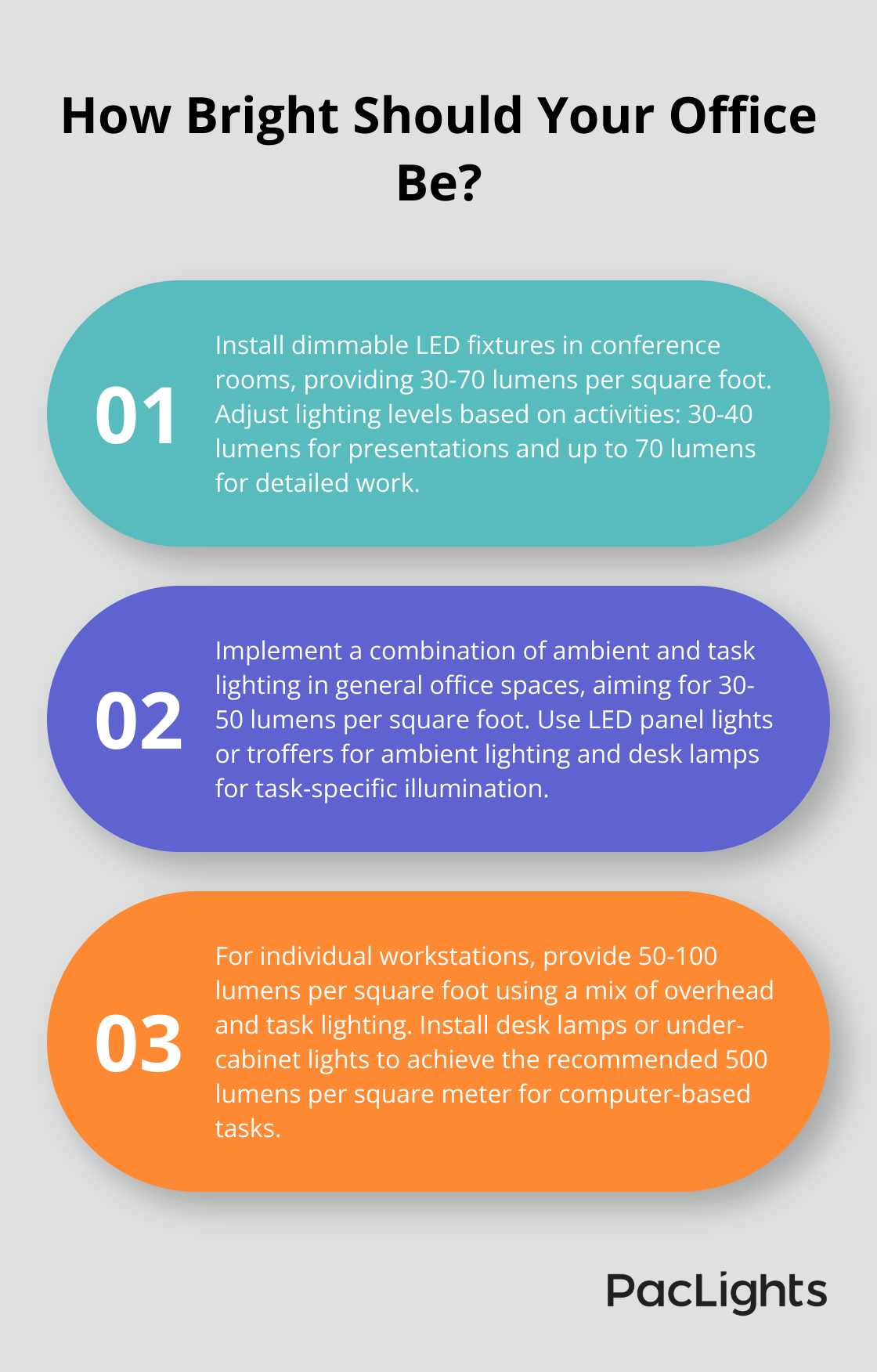
- For basic tasks, 400-600 lumens works well.
- For detailed work, 700-1000 lumens is better.
- Adjust brightness with dimmable lamps for comfort.
Credit: www.paclights.com
Ideal Lumens For Different Tasks
Choosing the right brightness for a desk lamp depends on the task at hand. Different activities need different light levels to avoid eye strain and improve focus. The ideal lumens vary based on what you do at your desk.
Reading And Writing
Reading and writing require clear, comfortable light. A desk lamp with 450 to 800 lumens works well. This range helps you see text easily without harsh glare. Soft, warm light also reduces eye fatigue during long reading sessions.
Computer Work
Computer work needs less intense light to prevent screen glare. A desk lamp with 300 to 500 lumens is suitable. This brightness keeps your workspace visible without causing reflections on the screen. Balanced lighting helps maintain focus and reduces eye strain.
Crafting And Detailed Tasks
For crafting or detailed work, bright, focused light is essential. Choose a lamp with 800 to 1,200 lumens. This level highlights small details and colors clearly. A lamp with adjustable brightness helps adapt light based on the task.
Desk Lamp Types And Their Brightness
Choosing the right desk lamp can significantly impact your productivity and comfort. The brightness of your lamp, measured in lumens, plays a crucial role in creating an optimal workspace. Let’s explore different types of desk lamps and their brightness levels to help you make an informed decision.
Led Desk Lamps
LED desk lamps are a popular choice due to their energy efficiency and long lifespan. They typically offer a wide range of brightness settings, from 200 to 1,000 lumens. This flexibility allows you to adjust the light intensity according to your task, whether you’re reading, writing, or working on a computer.
In my personal experience, using a 500-lumen LED lamp has been perfect for late-night study sessions. Have you considered how an adjustable LED lamp might improve your focus?
Incandescent Desk Lamps
Incandescent desk lamps are known for their warm and cozy light. They usually emit between 400 to 800 lumens, making them suitable for tasks that require moderate lighting. However, these lamps consume more energy and have a shorter lifespan compared to LEDs.
If you’re nostalgic about the classic glow of incandescent bulbs, you might enjoy the ambiance they create. Do you think the nostalgic warmth outweighs the energy consumption for your workspace?
Fluorescent Desk Lamps
Fluorescent desk lamps are less common but offer a bright and efficient light source. They can produce 500 to 1,200 lumens, ideal for detailed tasks that need strong illumination. These lamps are more energy-efficient than incandescent lamps but might not match the lifespan of LEDs.
I once used a fluorescent lamp for intricate art projects, and its bright light was a game-changer. Could a fluorescent lamp provide the clarity you need for your detailed tasks?

Credit: hirosarts.com
Adjustable Brightness Features
Adjustable brightness features enhance a desk lamp’s usability. They help create the perfect light for different tasks. Brightness control reduces eye strain and improves comfort during long work sessions.
These features make a desk lamp versatile for reading, writing, or computer work. Users can easily set the light intensity to their preference. Adjustable brightness also saves energy by using only the needed light level.
Dimmable Lamps
Dimmable lamps allow you to change the brightness smoothly. They offer multiple brightness levels from low to high. This feature is useful for switching between relaxed and focused activities.
Many dimmable lamps use a simple dial or button for adjustments. Some models provide memory settings to save your favorite brightness. This saves time and keeps lighting consistent.
Color Temperature Settings
Color temperature settings change the light’s warmth or coolness. Warm light feels cozy and helps with relaxation. Cool light is sharper and better for detailed work.
Adjustable color temperature helps match lighting to the time of day. It supports natural eye comfort and alertness. Many desk lamps offer multiple color temperature modes.
Smart Desk Lamps
Smart desk lamps use technology for easy brightness control. They connect to apps or voice assistants. This lets you adjust light without touching the lamp.
Some smart lamps adjust brightness based on room light automatically. Others offer schedules to change light at set times. These features add convenience and improve your workspace.
Factors Affecting Brightness Needs
Choosing the right brightness for a desk lamp depends on several key factors. These affect how much light you actually need for comfort and productivity. Understanding these helps pick a lamp that fits your workspace perfectly.
Room Lighting Conditions
The amount of natural or artificial light in a room changes your lamp’s brightness needs. A bright room needs less lamp light. Dark rooms require stronger, brighter lamps to avoid eye strain. Consider the room’s light sources and their intensity before choosing lumens.
Desk Size And Layout
Large desks need more light to cover the entire workspace. Smaller desks need less brightness to avoid glare. The lamp’s position matters too. Lamps that spread light evenly work better for wide desks. Focused lamps suit compact spaces where you need direct light.
Personal Eye Sensitivity
Eyes differ in how they handle light. Some people need softer, dimmer light to feel comfortable. Others prefer bright light to stay alert. Age also affects light sensitivity. Older eyes often need higher lumens for clear vision. Adjust brightness based on what feels right for your eyes.
Choosing The Right Desk Lamp
Choosing the right desk lamp involves more than just brightness. The lamp must suit your specific needs, saving energy and fitting your style. Proper lighting helps reduce eye strain and improves focus. Consider how much light you need for your daily tasks.
Matching Lumens To Your Task
Different tasks need different light levels. Reading or writing requires about 450 to 800 lumens. For detailed work like drawing or crafting, 800 to 1,200 lumens works best. A desk lamp with adjustable brightness offers flexibility for many activities.
Energy Efficiency Considerations
Look for lamps with LED bulbs. LEDs use less power and last longer than traditional bulbs. Check the lumens per watt rating to find energy-efficient models. This saves money on electricity and reduces waste.
Budget And Style Preferences
Desk lamps come in many prices and designs. Choose one that fits your budget and workspace. Simple lamps often cost less and still provide enough light. Stylish lamps can enhance your room’s look and make work more enjoyable.
Frequently Asked Questions
How Many Lumens Are Ideal For Reading Desk Lamps?
For reading tasks, a desk lamp should emit between 450 to 800 lumens. This range provides enough brightness to reduce eye strain and enhance focus without causing glare.
What Lumen Level Suits Computer Work On A Desk?
A desk lamp with 400 to 600 lumens is perfect for computer work. This brightness level minimizes screen glare and provides comfortable ambient lighting for prolonged use.
How Do Lumens Affect Desk Lamp Energy Consumption?
Higher lumens typically mean more energy use, but LED lamps are efficient. Choose LEDs with adequate lumens for brightness and low power consumption.
Can Too Many Lumens Harm Your Eyes At A Desk?
Yes, excessively bright lamps (over 1000 lumens) can cause glare and eye fatigue. It’s best to select moderate brightness suited to your task.
Conclusion
Choosing the right lumen level helps you see clearly and work well. Too bright can hurt your eyes. Too dim makes reading hard. Aim for 450 to 800 lumens for most desks. Think about your tasks and room light too.
A good desk lamp makes work easier and less tiring. Bright, soft light helps focus and comfort. Keep it simple and choose what fits your needs best. Your eyes will thank you.



