
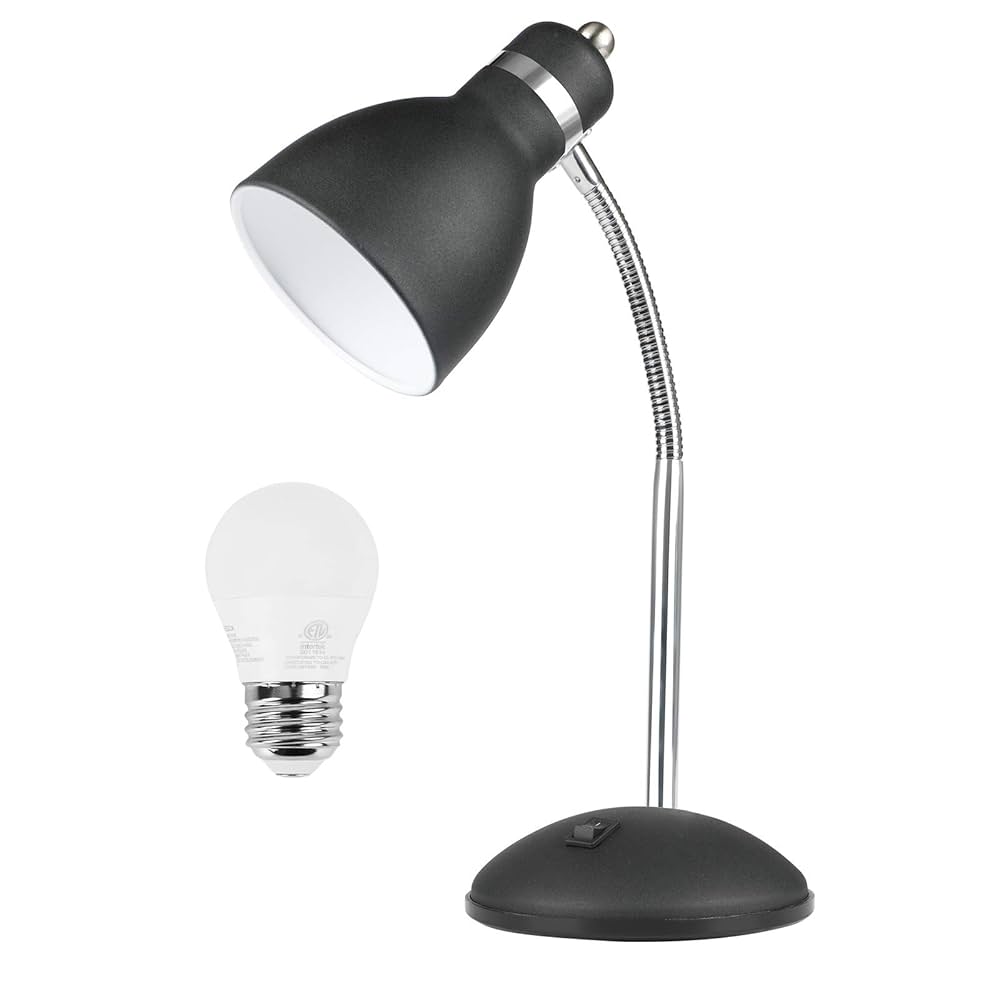
Are you thinking about switching to LED bulbs for your desk lamp but wonder if they will actually fit or work properly? You’re not alone.
Many people want brighter, energy-saving light but worry about compatibility. What if the bulb doesn’t fit right, or it damages your lamp? What if the light feels too harsh or flickers? Understanding whether you can use an LED bulb in any desk lamp can save you time, money, and frustration.
Keep reading to discover the simple facts that will help you make the best choice for your workspace lighting.
Credit: www.amazon.ca
Types Of Desk Lamps
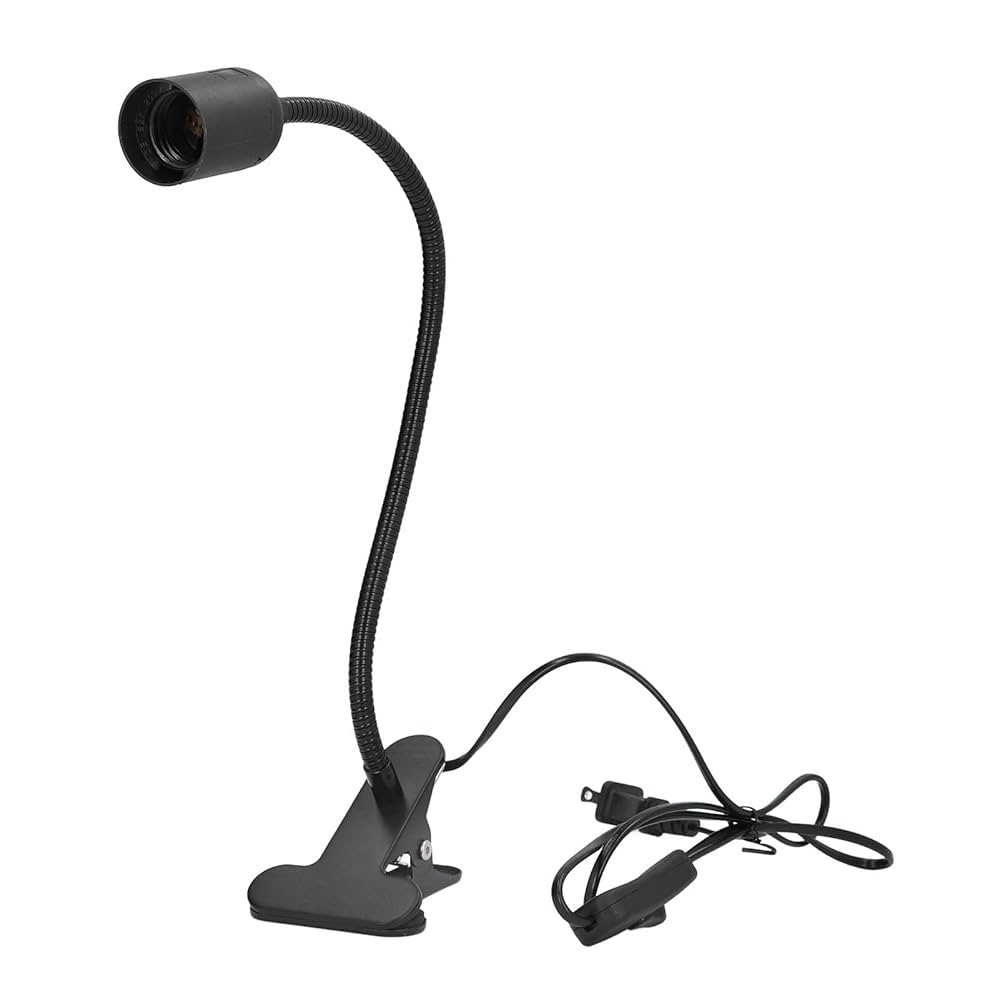
Choosing the right desk lamp is more than just picking a design you like. Understanding the types of desk lamps available helps you decide if an LED bulb will fit and perform well. Different lamps have different structures, socket types, and lighting needs that influence your bulb choice.
Traditional Vs Modern Lamps
Traditional desk lamps usually feature classic designs with metal or wood finishes. They often use incandescent or compact fluorescent bulbs, which may not always be compatible with LED bulbs without adapters.
Modern lamps tend to have sleek, minimalistic designs and are frequently built with LED technology in mind. These lamps often come with integrated LEDs or standard sockets that accept LED bulbs easily. If your desk lamp is older, check if it can handle LED bulbs to avoid flickering or poor light quality.
Have you noticed how some older lamps feel warmer when turned on? That heat is a sign incandescent bulbs are in use, and swapping them for LEDs can reduce heat and save energy.
Common Socket Types
Desk lamps usually come with a few common socket types. The most popular are:
- E26/E27:Standard screw-in sockets found in many lamps across the globe.
- B22:Bayonet-style sockets, less common but still widely used in certain regions.
- GU10:Twist-and-lock sockets often used in spotlight or task lamps.
- Integrated LED:Some modern lamps don’t have replaceable bulbs at all; the LEDs are built-in.
If your desk lamp uses a standard E26 or E27 socket, you can usually swap in an LED bulb without issue. However, if the lamp has a specialized socket or integrated LEDs, replacing the bulb might not be possible or straightforward.
Have you checked your lamp’s socket type lately? Knowing it can save you from buying bulbs that just won’t fit or work properly.
Credit: www.anyraymall.com
Led Bulb Basics
Understanding the basics of LED bulbs is essential before deciding whether you can use one in your desk lamp. LED bulbs have changed how we light our spaces, offering a mix of efficiency and durability. Knowing how they work and their benefits helps you make smarter choices for your lighting needs.
How Led Bulbs Work
LED stands for Light Emitting Diode. Inside the bulb, tiny semiconductors emit light when electricity passes through them. Unlike traditional bulbs, LEDs don’t rely on heating a filament, which makes them cooler and longer-lasting.
This technology means LED bulbs turn on instantly without flickering. You might notice how your desk lamp feels cooler even after hours of use. That’s because LEDs waste less energy as heat compared to older bulbs.
Energy Efficiency Benefits
One of the biggest advantages of LED bulbs is their energy efficiency. They use up to 80% less electricity than incandescent bulbs, which can significantly reduce your power bills. Imagine saving money just by swapping out your desk lamp bulb!
LEDs also last much longer, often 15,000 to 50,000 hours, meaning fewer replacements and less hassle. Think about how often you replace bulbs now—switching to LEDs could save you time and effort.
Are you considering an LED bulb for your desk lamp? Understanding these basics can help you decide if it’s the right fit for your space and budget.
Compatibility Factors
Understanding compatibility factors is crucial for using LED bulbs in desk lamps. These factors ensure safety and performance. Not all LED bulbs fit every lamp. Let’s explore these compatibility aspects.
Socket Size And Type
Check the socket size and type of your desk lamp. Most desk lamps use an E26 or E27 socket. Ensure your LED bulb matches this size. Some lamps use smaller sockets like E12. Always verify before purchase. A mismatched socket can cause issues.
Wattage And Voltage Limits
LED bulbs use less wattage than traditional bulbs. Verify the wattage limit of your lamp. Exceeding this can overheat the lamp. Check the voltage requirements too. LED bulbs are versatile in voltage. Yet, matching these ensures efficiency and safety.
Lamp Material And Heat Tolerance
Consider the material of your desk lamp. Metal lamps handle heat better than plastic ones. LED bulbs generate less heat. But, heat can still affect sensitive materials. Ensure your lamp can tolerate the heat output of the LED bulb. This prevents damage and extends lamp life.
Potential Issues
Using LED bulbs in desk lamps seems simple but can bring some issues. Not all LED bulbs work well with every lamp. Problems may affect light quality and lamp safety. Knowing these issues helps you choose the right bulb.
Flickering And Dimming Problems
Flickering happens if the bulb and lamp power don’t match. Some LED bulbs need special dimmers. Using a regular dimmer can cause flicker or buzzing sounds. Flickering tires your eyes and can annoy you.
Dimming may not work smoothly with all LED bulbs. Some lamps do not support LED dimming at all. The light might go too dark or turn off suddenly. Check if the bulb is labeled as dimmable for your lamp.
Size And Fit Challenges
LED bulbs come in many shapes and sizes. Desk lamps often have small or unique sockets. A bulb too big may not fit or block light. A bulb too small may fall out easily.
Look at the lamp’s socket size before buying an LED bulb. Some LED bulbs have large heat sinks. These can make fitting inside tight lamp shades hard. Measure space and bulb size to avoid problems.
Color Temperature Mismatch
LED bulbs offer different color temperatures. Some lamps look better with warm light, others with cool light. Choosing the wrong color can make your workspace uncomfortable.
Warm light is soft and yellowish, good for relaxing. Cool light is bright and white, better for focus and reading. Match the bulb’s color temperature to your lamp’s use.
Choosing The Right Led Bulb
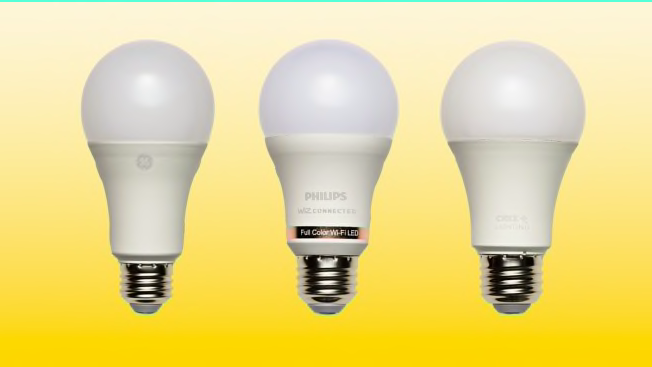
Choosing the right LED bulb for your desk lamp is important for comfort and efficiency. The right bulb affects how well you see and how the light feels in your space. Consider factors like brightness, color temperature, and whether the bulb is dimmable. These help create the perfect lighting for reading, working, or relaxing.
Brightness And Lumens
Brightness in LED bulbs is measured in lumens, not watts. Lumens tell you how much light the bulb produces. For desk lamps, a bulb with 400 to 800 lumens usually works well. Too much brightness can cause glare. Too little can make reading hard. Choose a brightness level that suits your tasks and room size.
Color Temperature Options
Color temperature affects the mood and clarity of light. It is measured in Kelvins (K). Lower Kelvin numbers mean warmer, yellow light. Higher numbers mean cooler, blue light.
- 2700K to 3000K: Soft, warm light for relaxing.
- 3500K to 4100K: Neutral white light for general use.
- 5000K to 6500K: Bright, cool light for focused work.
Choose a color temperature that fits your needs and reduces eye strain.
Dimmable Features
Dimmable LED bulbs let you adjust light brightness. This feature adds flexibility to your desk lamp. Lower light levels create a cozy atmosphere. Higher levels help with detailed work. Make sure your lamp supports dimmable bulbs. Pair the bulb with a compatible dimmer switch for smooth control.
Credit: www.consumerreports.org
Installation Tips
Installing an LED bulb in your desk lamp can be straightforward, but paying attention to a few key details ensures safety and functionality. Proper installation not only extends the lifespan of your bulb but also protects your lamp and your workspace. Let’s look at some practical tips that can help you replace and test your LED bulb with confidence.
Safe Bulb Replacement Steps
First, always turn off the lamp and unplug it from the power source before you start. This simple act prevents any risk of electric shock.
Remove the old bulb carefully by twisting it counterclockwise. If it feels stuck, don’t force it; check if there’s a locking mechanism or cover that needs to be removed first.
Before inserting the LED bulb, wipe the socket gently with a dry cloth to remove dust or debris. This helps maintain good contact and prevents flickering.
When placing the new LED bulb, align it properly with the socket and twist it clockwise until it’s snug. Avoid overtightening as it can damage the bulb or socket.
Testing For Compatibility
Not every LED bulb fits every desk lamp, so testing is crucial. After installation, plug the lamp back in and switch it on to see if the bulb lights up correctly.
If the bulb flickers or doesn’t turn on, check the wattage and base type printed on the bulb and compare it with your lamp’s specifications. Some lamps, especially those with dimmers or smart controls, may require specific LED bulbs designed to work with those features.
Have you ever been surprised by a bulb that seemed perfect but didn’t work? Testing saves you the hassle of returns and ensures you get the right lighting for your desk.
Maintenance And Longevity
Maintaining your LED bulb properly can extend its lifespan and keep your desk lamp working well. LED bulbs are known for their longevity, but regular care helps avoid early damage. Understanding how to clean your lamp and recognize when the bulb needs replacing can save time and money.
Cleaning And Care
Keep the bulb and lamp free from dust. Use a soft, dry cloth to wipe the bulb gently. Avoid using water or cleaning sprays directly on the bulb. Make sure the lamp is off and cool before cleaning. Check the lamp’s vents for dust buildup and clear them to prevent overheating. Proper cleaning keeps the light bright and prevents damage.
Signs Bulb Needs Replacement
- The light flickers or dims unexpectedly.
- The bulb takes longer to turn on.
- Noticeable changes in color or brightness.
- The bulb feels unusually hot after use.
- The lamp does not light up at all.
Replace the bulb promptly when these signs appear. Using a damaged bulb can harm your lamp and affect your workspace lighting.
Frequently Asked Questions
Can Led Bulbs Fit In Any Desk Lamp Socket?
Most desk lamps use standard sockets compatible with LED bulbs. Check the socket size before buying. Common sizes are E26 or E27 for easy LED bulb replacement. Always verify lamp specifications for compatibility to ensure proper fit and function.
Are Led Bulbs Safe For All Desk Lamps?
LED bulbs are generally safe for desk lamps if wattage limits are followed. They produce less heat, reducing fire risk. Avoid using LEDs in lamps designed only for incandescent bulbs without checking compatibility first.
Will Led Bulbs Affect Desk Lamp Brightness?
LED bulbs provide bright, energy-efficient light with various brightness options. They often match or exceed incandescent brightness levels. Choose LED bulbs with appropriate lumens to achieve desired desk lamp lighting.
Do Led Bulbs Save Energy In Desk Lamps?
Yes, LED bulbs use up to 80% less energy than incandescent bulbs. They reduce electricity bills and last longer. Switching to LEDs in desk lamps is an eco-friendly, cost-effective lighting upgrade.
Conclusion
Choosing the right LED bulb for your desk lamp matters a lot. Not every LED bulb fits every lamp socket or design. Check the bulb size, wattage, and base type first. Also, consider the lamp’s maximum wattage limit to avoid damage.
Using the right LED bulb saves energy and gives good light. It helps your eyes stay comfortable while working or reading. So, take time to match your lamp with a suitable LED bulb. This small step ensures safe and bright lighting every day.



