
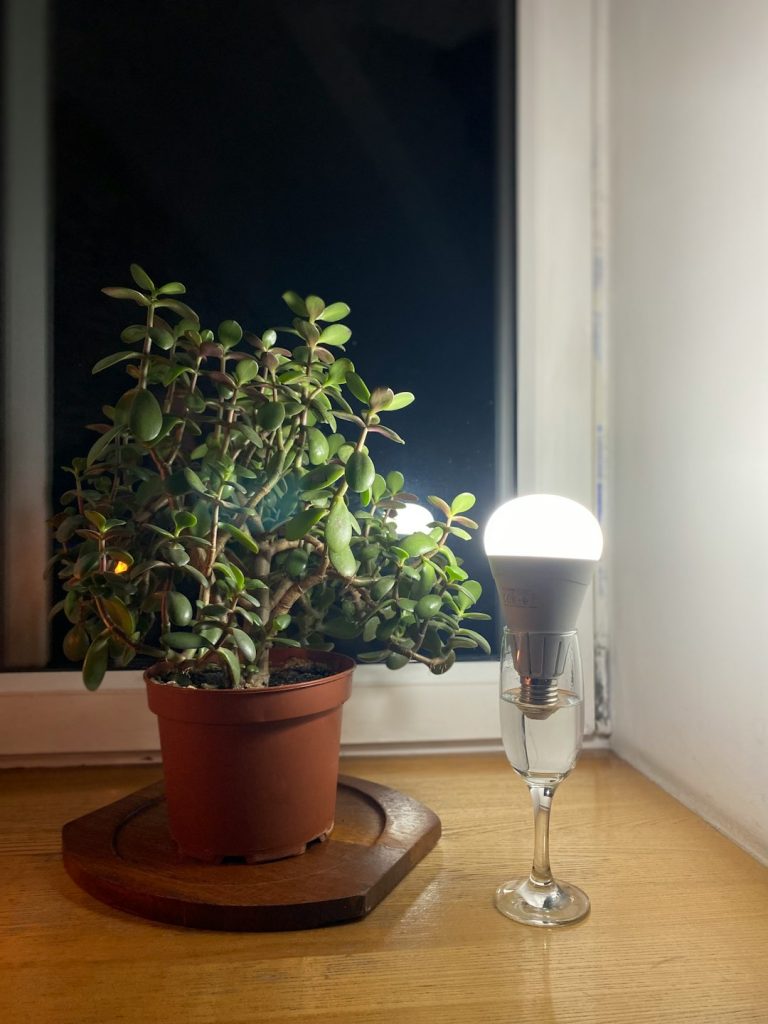
Have you ever wondered if your simple desk lamp could do more than just light up your workspace? What if that same lamp could help your plants grow healthy and strong right on your desk?
You might be surprised to learn how the right desk lamp can actually support your green friends. If you want to bring life to your indoor space but don’t have a garden or special grow lights, this article is for you.
Keep reading to discover whether your desk lamp can be a secret weapon for growing plants and how to make it work best for your leafy companions.
Benefits Of Using Desk Lamps
Using a desk lamp to grow plants offers several unique benefits that can make your gardening journey both fun and practical. Desk lamps provide a simple yet effective way to give your plants the light they need without demanding too much space or investment. Let’s look at how these benefits can fit into your lifestyle and help your plants thrive.
Cost-effectiveness
Desk lamps are generally affordable and widely available, making them a budget-friendly option for plant growers. You don’t need to buy expensive grow lights or special equipment to start. Many desk lamps use LED bulbs, which consume less electricity and last longer, saving you money on your energy bills.
Think about how much you spend on other gardening tools versus a simple desk lamp. Could this small investment be the key to healthier plants without stretching your budget?
Space Efficiency
One great advantage of desk lamps is their compact size. They fit easily on your desk, windowsill, or any small corner, perfect for apartments or rooms with limited space. Unlike large grow lights, desk lamps won’t take over your living area.
Imagine having fresh herbs or small houseplants right next to your workspace. How much more enjoyable would your daily routine be with greenery so close at hand?
Ease Of Use
Desk lamps are simple to set up and operate. You just need to position the lamp at the right distance from your plants and switch it on. No complicated timers or settings are necessary, which makes it perfect for beginners.
Have you ever struggled with high-tech gardening gear? Using a desk lamp removes the hassle and lets you focus on watching your plants grow.
Types Of Desk Lamps Suitable For Plants
Choosing the right desk lamp can help your plants thrive indoors. Not all desk lamps are the same, and some are better for plant growth. Let’s explore the types of desk lamps suitable for plants.
Led Desk Lamps
LED desk lamps are energy-efficient and emit minimal heat. They provide a spectrum similar to sunlight, essential for plant growth. LEDs have a long lifespan, reducing the need for frequent replacements. Choose full-spectrum LED lamps for the best results. They’re adjustable and often come with dimming options.
Fluorescent Desk Lamps
Fluorescent lamps are a popular choice for growing plants indoors. They produce a cool light that plants need for photosynthesis. These lamps are affordable and widely available. Compact fluorescent lamps (CFLs) are particularly effective. They fit in most desk lamps and provide adequate light for small plants.
Incandescent Desk Lamps
Incandescent lamps are less suitable for growing plants. They emit more heat than light, which can harm plants. These lamps also have a limited spectrum range. If used, keep them at a safe distance from plants. Consider them only if no other options are available. Their high energy consumption is another drawback.
Light Requirements For Plant Growth
Plants need light to make food through photosynthesis. The right light helps plants grow strong and healthy. Understanding the light requirements is key to growing plants indoors with a desk lamp.
Light Spectrum
Plants use different colors of light to grow. Blue light helps leaves and stems grow. Red light supports flowering and fruiting. Most desk lamps do not provide the full spectrum plants need. Using a lamp with a mix of red and blue light is best for plant growth.
Intensity And Duration
Plants need enough light intensity to make food. A low light level slows growth. Bright light helps plants grow faster and healthier. Plants also need light for a certain number of hours daily. Most plants require 12 to 16 hours of light each day to thrive.
Distance From Plants
The distance between the lamp and plant matters. Too close, and plants may get burned. Too far, and plants may not get enough light. Keep the lamp 6 to 12 inches from the plant. Adjust the distance based on the light intensity and plant type.

Credit: www.reddit.com
Setting Up Your Desk Lamp For Plants
Setting up your desk lamp correctly can make a big difference in how well your plants grow. It’s not just about turning on a light; you need to consider where to place the lamp, how long to keep it on, and the kind of bulb you use. These details can help your plants thrive indoors, even without natural sunlight.
Positioning The Lamp
Place the lamp close enough to your plants so they receive sufficient light, usually about 6 to 12 inches away. Too close, and the heat might damage the leaves; too far, and your plants won’t get enough light to grow. Watch how your plants respond and adjust the lamp’s position accordingly.
Think about the plant’s natural light needs. For example, succulents prefer bright light, so keep the lamp nearer. Leafy plants like ferns might need a bit less intensity, so you can place the lamp a bit farther away.
Adjusting Light Duration
Most plants need around 12 to 16 hours of light each day to grow well indoors. Using a timer can help you maintain a consistent schedule without guessing. If you notice your plant’s leaves turning brown or curling, it might be getting too much light—try reducing the duration.
Conversely, if your plant grows leggy or leans toward the light, it might need more hours under the lamp. Experiment with different durations to find the right balance for your specific plant type.
Choosing The Right Bulb
Not all desk lamps are created equal for growing plants. Look for bulbs labeled as “full spectrum” or “grow lights” because they emit light that closely mimics the sun. Standard incandescent bulbs often don’t provide the right wavelengths needed for photosynthesis.
LED grow bulbs are energy-efficient and stay cool, reducing the risk of burning your plants. If you’re unsure, check the bulb’s color temperature—plants generally benefit from bulbs in the 5000K to 6500K range, which produce a bright, white light ideal for growth.
Best Plants To Grow Under Desk Lamps
Choosing the right plants to grow under a desk lamp can brighten your workspace. Not all plants thrive with artificial light. Some species adapt well to low light and limited space. Selecting suitable plants helps them stay healthy and vibrant. Here are some great options for your desk garden.
Low-light Tolerant Plants
These plants survive well with minimal light. They are perfect for spaces with only desk lamp illumination.
- Snake Plant (Sansevieria): Easy to care for and tough.
- Pothos: Grows fast and cleans air.
- ZZ Plant: Can handle very low light.
- Philodendron: Does well with indirect light.
Herbs And Small Vegetables
Growing herbs and small veggies on your desk is rewarding. They need moderate light, which many desk lamps provide.
- Basil: Loves warmth and bright light.
- Mint: Grows quickly and smells fresh.
- Chives: Great for cooking and compact.
- Lettuce: Small varieties grow well indoors.
Succulents And Cacti
Succulents and cacti need bright light but little water. Desk lamps with the right bulb type support their growth.
- Aloe Vera: Useful and easy to care for.
- Echeveria: Attractive rosette shape.
- Haworthia: Small and tough succulent.
- Moon Cactus: Bright colors and small size.
Common Challenges And Solutions
Using a desk lamp to grow plants brings unique challenges. Understanding these issues helps you create a better environment for your plants. Simple adjustments can improve plant health and growth.
Overheating Issues
Desk lamps can get very hot, which may harm plants. Leaves may burn or dry out near the light source. To avoid this, keep the lamp at a safe distance from the plant. Use LED bulbs, which produce less heat. Ensure good airflow around the plant to prevent heat buildup.
Insufficient Light
Many desk lamps do not provide enough light for plants. Plants need specific light wavelengths for photosynthesis. Standard bulbs may lack these essential rays. Choose full-spectrum or grow light bulbs designed for plants. Place the lamp close enough but avoid overheating the leaves.
Plant Stress Signs
Plants under desk lamps can show stress signs quickly. Look for yellowing leaves, drooping stems, or slow growth. These signs mean the plant is unhappy with its light or heat. Adjust the lamp height or light duration to help. Monitor the plant daily and make small changes as needed.
Tips For Maximizing Growth Success
Maximizing the growth success of your plants under a desk lamp involves more than just turning on the light. You need to balance light, water, and soil conditions carefully. These tips will help you create an environment where your plants can thrive, even with limited natural sunlight.
Combining Natural And Artificial Light
Natural sunlight provides a full spectrum of light that plants love. If your desk lamp doesn’t offer full-spectrum light, try placing your plants near a window during the day.
This way, your plants benefit from natural light and get an extra boost from the desk lamp when the sun goes down. Have you noticed how your plants perk up with a bit of sunlight before the lamp comes on? That’s the kind of synergy you want.
Regular Monitoring And Adjustments
Check your plants daily to see how they respond to the light. Are the leaves turning yellow or stretching out too much? These signs tell you if your lamp is too weak or too strong.
Adjust the lamp’s distance and duration based on what you observe. A timer can help keep the light consistent, but don’t forget to tweak settings as your plants grow.
Proper Watering And Soil Care
Light alone won’t grow your plants; water and soil quality play big roles too. Use well-draining soil to avoid root rot and water only when the top inch of soil feels dry to the touch.
Overwatering can be as harmful as underwatering, especially under artificial light where evaporation rates differ. Have you tried checking soil moisture before watering? It can make a big difference in keeping your plants healthy.

Credit: www.reddit.com

Credit: www.amazon.com
Frequently Asked Questions
Can A Desk Lamp Replace Sunlight For Plants?
A desk lamp can supplement light but rarely replace sunlight fully. Plants need specific light wavelengths for photosynthesis. Using a desk lamp with the right bulb type and intensity helps grow small indoor plants effectively.
What Type Of Desk Lamp Is Best For Plants?
LED grow lamps or full-spectrum bulbs are best for plants. They provide the necessary light spectrum for photosynthesis. Regular desk lamps with incandescent bulbs usually lack the right light quality for healthy plant growth.
How Long Should Plants Stay Under A Desk Lamp?
Plants typically need 12 to 16 hours of light daily under a desk lamp. This mimics natural sunlight duration. Avoid overexposure by turning the lamp off at night to prevent plant stress.
Can All Plants Grow Under A Desk Lamp?
Not all plants thrive under desk lamps. Low-light plants like herbs and succulents do well. However, high-light plants require stronger light sources or natural sunlight for optimal growth.
Conclusion
A desk lamp can help plants grow, but not all lamps work well. Plants need light that looks like sunlight. Regular desk lamps may not give the right kind of light. Special grow lights are better for plant health. Still, a desk lamp can be useful for small plants or seedlings.
Watch your plants closely and change the light if needed. Growing plants indoors takes care and the right tools. Choose your lighting wisely and enjoy your green space.



