
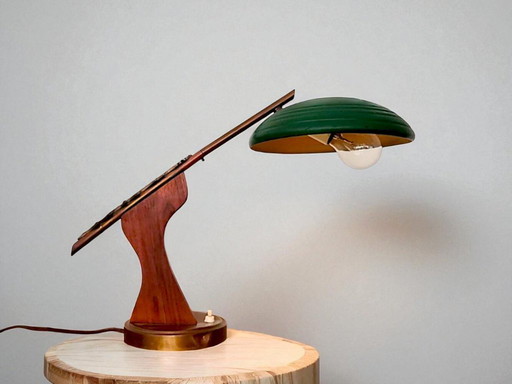
Have you ever found a wooden desk lamp and wondered just how old it really is? Knowing the age of a vintage wooden lamp desk can add a special charm to your space and even increase its value.
But figuring out its age isn’t always easy. You might ask yourself, what clues should you look for? How can you tell if it’s truly vintage or just a modern piece made to look old? You’ll discover simple ways to uncover the story behind your wooden lamp desk.
By the end, you’ll feel confident in identifying its age and appreciate your lamp even more. Keep reading, and let’s unlock the secrets of your vintage find together.

Credit: www.ebay.com
Identifying Vintage Wooden Lamps
Identifying vintage wooden lamps requires attention to detail. These lamps tell a story through their materials, design, and markings. Knowing these signs helps you estimate their age and value.
Materials And Craftsmanship
Vintage wooden lamps often use solid woods like oak, walnut, or mahogany. The wood shows signs of hand carving or shaping. Look for smooth finishes and natural aging, such as slight cracks or patina. Joints are usually dovetailed or glued, not nailed. The quality of the wood and craftsmanship reflects the era it was made in.
Design Styles Through The Decades
Each decade has distinct design styles for wooden lamps. The 1920s and 1930s favored Art Deco shapes with geometric patterns. Mid-century lamps from the 1950s and 1960s show sleek lines and minimal details. The 1970s lamps often feature rustic or natural themes with rougher wood finishes. Recognizing these styles helps narrow down the lamp’s age.
Common Maker Marks And Labels
Many vintage lamps carry maker marks or labels. These can be found on the base, underside, or inside the lamp body. Marks may include a brand name, logo, or production number. Some labels are paper stickers, others are stamped or engraved. Researching these marks can reveal the manufacturer and approximate production date.
Dating Techniques For Wooden Lamps
Dating a vintage wooden lamp desk can be tricky, but understanding the right techniques helps you uncover its true age. You don’t need to be an expert to start; simple observations and a bit of research can reveal a lot about your lamp’s history. Let’s look at some practical ways you can date your wooden lamp accurately.
Examining Wood Types And Aging
Start by identifying the type of wood used in your lamp. Different woods were popular during specific periods—mahogany and oak were common in the early 20th century, while plywood became widespread later. You can often spot aging signs like slight warping or darkening, which happen naturally over decades.
Look closely at the grain pattern and texture. A smooth, worn surface indicates long-term use, while rougher wood might suggest a newer piece. Have you noticed any small cracks or shrinkage? These details point to natural aging and can help you place the lamp in a specific era.
Analyzing Patina And Wear
Patina is the subtle shine or discoloration that wood develops over time. It’s a key indicator of authenticity and age. Check areas that get frequent touch, such as the lamp base or edges—if the finish looks naturally worn rather than artificially distressed, that’s a good sign your lamp is genuinely old.
Wear patterns tell a story. Uneven fading or slight dents from daily use are hard to fake. Ask yourself: does the wear look consistent with how the lamp would have been used? If yes, it adds credibility to your dating.
Using Historical Catalogs And References
Old catalogs, advertisements, and manufacturer records can be gold mines for dating your lamp. Many lamp makers have detailed archives that show designs by year or decade. Compare your lamp’s style, hardware, and markings with these references to narrow down its production period.
Libraries and online antique forums often have scanned catalogs you can browse. Don’t hesitate to reach out to vintage lamp collectors or experts—they might recognize features you missed. Have you tried matching your lamp’s design to any known catalog images yet? This step often gives the clearest clue about its age.
Key Features Of Vintage Desk Lamps
Vintage wooden desk lamps often show age through wood type, finish, and craftsmanship details. Signs like patina and wear reveal their history and era. Examining these features helps estimate how old a lamp truly is.
Understanding the key features of vintage desk lamps can help you identify the era and authenticity of your wooden lamp desk. These lamps, with their unique characteristics, often add a touch of elegance and history to any room. Let’s explore the distinctive elements that set vintage desk lamps apart.Lamp Bases And Shapes
Vintage desk lamps often feature bases made from high-quality materials like brass, bronze, or cast iron. The shapes can range from sleek and streamlined to ornate and decorative. Imagine a lamp with a heavy, ornate base that tells a story of craftsmanship from a bygone era.Shade Materials And Styles
The shades of vintage lamps are frequently crafted from glass, fabric, or metal. Tiffany glass shades, for example, are known for their intricate designs and vibrant colors. A classic fabric shade might have intricate embroidery or pleating, adding a touch of vintage charm to your space.Electrical Components And Wiring
Electrical components in vintage lamps can reveal much about their age. Older lamps may have cloth-covered wires, while newer ones might feature plastic insulation. If you’ve ever rewired a lamp, you know how these small details can affect both functionality and safety. Next time you come across a vintage lamp, take a closer look at these features. You might just uncover a piece of history. How do these elements influence your perception of vintage desk lamps?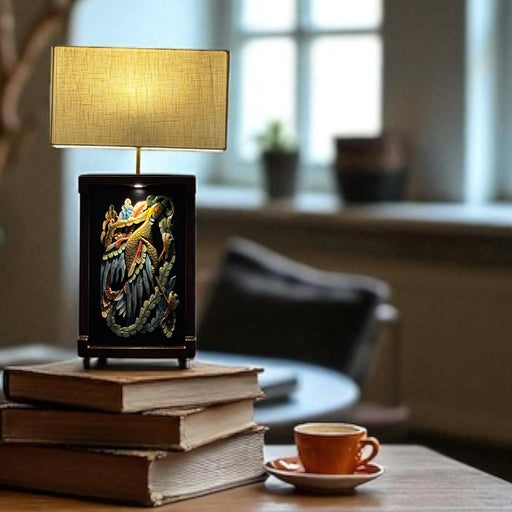
Credit: khojcrafts.com
Restoring And Preserving Vintage Lamps
Restoring and preserving vintage wooden desk lamps requires a careful balance between maintaining their charm and ensuring they function safely today. These lamps carry history in their grain and design, so your approach must respect their age while refreshing their usability. Taking the time to clean, repair, and protect these pieces can bring them back to life without losing their original soul.
Cleaning Without Damaging Wood
Wood can be delicate, especially when it has aged for decades. Avoid harsh chemicals or abrasive tools that strip away the finish or scratch the surface.
Use a soft cloth slightly dampened with warm water and mild soap to gently wipe off dust and grime. If the wood feels dry, applying a small amount of natural oil like lemon or linseed oil can revive its luster without overpowering the original finish.
Have you noticed how sometimes less cleaning actually preserves the character of the wood better? Over-cleaning can remove the natural patina that makes the lamp unique.
Replacing Electrical Parts Safely
Safety is crucial when updating the electrical components of a vintage lamp. Old wiring may be brittle or unsafe to use with modern power standards.
Consult a qualified electrician or use a reliable wiring kit designed specifically for vintage lamps. Make sure the lamp’s original socket is compatible with new bulbs, or replace the socket while keeping the original exterior intact.
Remember, preserving the lamp’s appearance doesn’t mean risking your safety. Upgrading wiring might feel like a loss, but it keeps your lamp usable and prevents potential hazards.
Maintaining Original Aesthetics
Your goal is to keep the lamp looking as close to its original form as possible. Avoid over-restoring by preserving small imperfections and signs of wear that tell the lamp’s story.
If you need to replace parts like the lampshade or finial, try to find vintage or reproduction pieces that match the original style and materials. This attention to detail keeps the authenticity intact.
Ask yourself if each restoration choice honors the lamp’s history or just makes it look new. Sometimes, a little imperfection adds more value and character than a flawless finish.
Valuing Vintage Wooden Desk Lamps
Valuing vintage wooden desk lamps can be tricky, but understanding what influences their worth helps you make smarter decisions. Each lamp carries a story, and that story affects its price. Knowing how to spot valuable features can save you money or help you get the best deal when selling.
Factors Affecting Lamp Value
Several elements shape the value of a vintage wooden desk lamp:
- Age and Origin:Older lamps, especially those made by renowned makers or from specific periods, tend to be worth more.
- Condition:Chips, cracks, or missing parts reduce value, while well-preserved pieces attract higher prices.
- Craftsmanship and Design:Unique designs or intricate woodwork increase desirability.
- Materials Used:The type of wood and hardware can boost or lower value.
Imagine finding a lamp with its original wiring intact. That detail alone can significantly raise its market price.
Market Trends And Collector Interest
Market demand fluctuates based on style popularity and collector preferences. Mid-century modern lamps, for example, have surged in interest over recent years.
Ask yourself: Is this style currently sought after? Trends can change quickly, so keeping an eye on auction results or antique fairs helps.
Collectors often look for lamps with provenance or limited editions. Lamps linked to famous designers or brands fetch premium prices.
Where To Buy And Sell Vintage Lamps
Knowing where to trade vintage lamps is as important as knowing their value. Here are reliable options:
- Online Marketplaces:Sites like eBay or Etsy offer wide selection but require patience and research.
- Antique Shops:These provide expert appraisal but may offer lower prices due to commissions.
- Flea Markets and Estate Sales:Great for finding hidden gems at bargain prices.
- Specialized Auction Houses:Best for rare or high-end lamps targeting serious collectors.
Before buying or selling, check recent sales of similar lamps to gauge current prices. Would you take a risk on a lamp without knowing its market value?
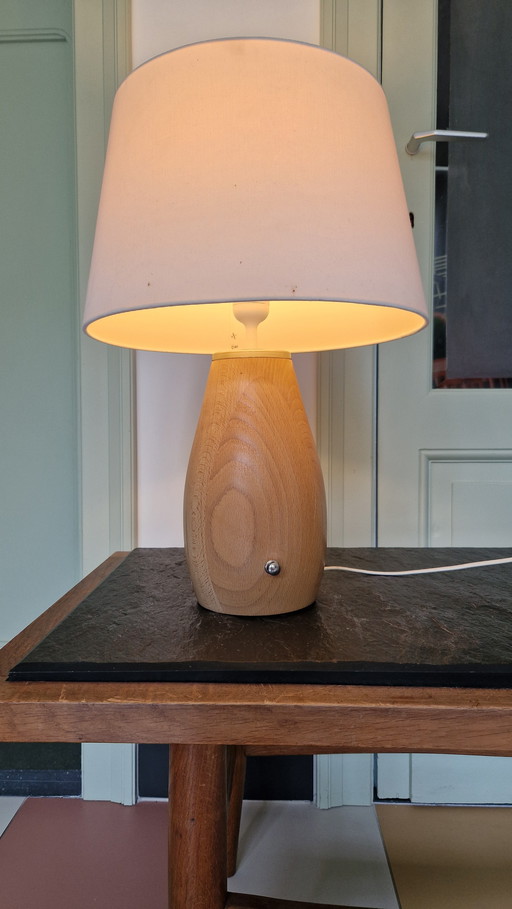
Credit: www.whoppah.com
Adding Vintage Lamps To Modern Spaces
Adding vintage wooden lamp desks to modern spaces creates unique charm. These lamps offer warmth and history to fresh interiors. They stand out with their classic designs and rich wood tones. Mixing old lamps with new décor adds character and style.
Vintage lamps bring soft, inviting light that contrasts modern brightness. Their handcrafted details can complement simple furniture. Placing them thoughtfully enhances both function and aesthetics in any room.
Blending Old And New Styles
Pair vintage wooden lamps with sleek, modern desks for balance. Use neutral colors around to highlight the lamp’s wood grain. Mix metal and glass with wood for an interesting texture play. Keep surrounding décor minimal to let the lamp shine. This blend creates a stylish, lived-in look without clutter.
Functional Lighting Tips
- Choose lamps with adjustable arms or shades for task lighting.
- Position lamps to reduce screen glare and shadows.
- Use warm LED bulbs to mimic vintage lamp glow.
- Keep lamps within easy reach for reading or writing.
- Match lamp height to desk size for comfortable use.
Creative Display Ideas
- Group vintage lamps with antique books or small plants.
- Place a lamp on a side table near a modern chair.
- Use vintage lamps as statement pieces in minimalist rooms.
- Mix lamps of different sizes for visual interest.
- Highlight lamps with focused ceiling lights or spotlights.
Frequently Asked Questions
How Can I Determine The Age Of A Vintage Wooden Lamp Desk?
You can determine its age by checking maker’s marks, construction style, and wood type. Also, look for signs of wear and craftsmanship details that match certain historical periods.
What Are Common Characteristics Of Vintage Wooden Lamp Desks?
Vintage wooden lamp desks often feature solid wood, handcrafted joints, and classic design. They usually have patina, minor imperfections, and vintage hardware that reveal their age.
Why Is The Wood Type Important For Dating Wooden Lamp Desks?
Wood types used changed over decades. Older desks often use hardwoods like oak or mahogany. Identifying the wood helps narrow down the manufacturing period.
How Does Lamp Desk Design Reflect Its Vintage Era?
Design styles follow historical trends such as Art Deco or Mid-Century Modern. Examining design elements helps date the desk within specific timeframes.
Conclusion
Determining the age of a vintage wooden lamp desk takes some careful observation. Look at the style, materials, and craftsmanship closely. These details tell a story about its time. Small signs of wear can also give clues about its history.
Knowing its age helps appreciate the lamp desk more. It makes the piece feel special and unique. Take time to study each part carefully. This way, you connect with the past through your vintage lamp desk. The charm of old wood never fades.



