
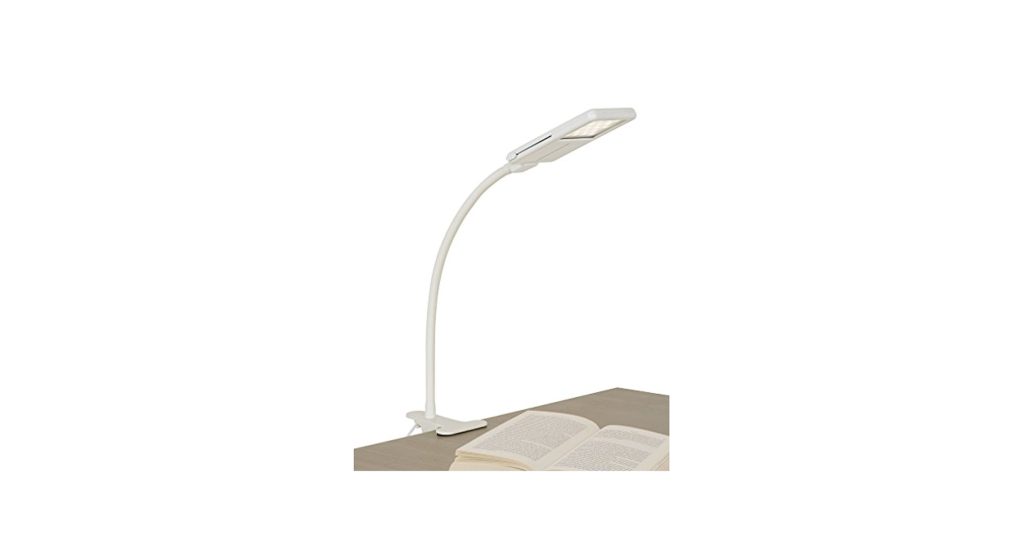
Are you wondering if most desk lamps can handle 120 volts safely? This question matters because using the wrong voltage can damage your lamp or even pose a safety risk.
Understanding how voltage works with your desk lamp helps you make smart choices when buying or plugging it in. Keep reading, and you’ll learn exactly what you need to know to protect your lamp and your home.

Credit: www.hammacher.com
Voltage Basics For Desk Lamps
Understanding voltage is key when choosing or using a desk lamp safely and effectively. Voltage tells you how much electrical force powers your lamp, and matching it correctly prevents damage or hazards. Let’s break down the basics of voltage related to desk lamps so you can make smarter decisions for your workspace lighting.
Standard Voltage In Homes
In most countries, the standard voltage supplied to homes is either 120 volts or 230 volts. If you live in the United States, Canada, or parts of Mexico, your home outlets typically provide 120 volts. This means most appliances and lamps are designed to operate safely at this voltage level.
Knowing the standard voltage in your home helps you avoid plugging in devices that aren’t compatible. Have you ever wondered why some lamps feel warm or flicker? It could be a voltage mismatch causing stress on the electrical components.
Common Voltage Ratings For Lamps
Desk lamps usually come with voltage ratings clearly marked on their labels or packaging. Most desk lamps are rated for 120 volts if sold in North America, fitting perfectly with the home supply. Some specialty lamps might require lower voltage, like 12V or 24V, especially if they use LED bulbs with adapters.
Check your lamp’s voltage rating before plugging it in. Using a lamp rated for a different voltage can shorten its lifespan or cause electrical issues. If your lamp’s rating matches your home voltage, you’re all set for safe, efficient lighting.

Credit: www.amazon.com
Desk Lamp Compatibility With 120v
Desk lamps are common in homes and offices. Understanding their voltage compatibility is key to safe use. Many desk lamps are designed to work with 120 volts, a standard voltage in many countries. Using the correct voltage ensures the lamp works well and lasts longer.
Checking Manufacturer Specifications
Always check the label or manual for voltage information. Manufacturers list the voltage range the lamp supports. This info is often near the bulb socket or on the base. Look for “Input Voltage” or “Voltage” followed by numbers like 120V. If unsure, visit the manufacturer’s website for details. Using a lamp outside its voltage range can cause damage.
Types Of Lamps Suited For 120v
Most LED and incandescent desk lamps handle 120 volts well. Compact fluorescent lamps (CFLs) also often support 120V. These lamps are common in North America and parts of Asia. Some specialty lamps may need different voltages. Always pick lamps labeled for 120V use to avoid issues. This choice guarantees compatibility with standard home outlets.
Risks Of Using Incompatible Lamps
Using a lamp with the wrong voltage can cause problems. The lamp may flicker, not turn on, or get very hot. This heat can damage the lamp or cause fire hazards. The bulb or wiring might burn out quickly. Electrical shocks or short circuits are possible. Always match the lamp voltage to the power supply for safety.
Safety Features To Look For
Choosing a desk lamp that handles 120 volts safely is important. Safety features protect you and your home from electrical hazards. These features help prevent fires, shocks, and damage to the lamp. Knowing what to check makes buying easier and safer.
Built-in Surge Protection
Surge protection guards the lamp against sudden voltage spikes. These spikes can happen during storms or power outages. A lamp with built-in surge protection absorbs excess voltage. This stops damage to the lamp’s wiring and bulbs. It also reduces the risk of electrical fires.
Certified Safety Labels
Look for lamps with certified safety labels. These labels show the lamp meets strict safety rules. Common certifications include UL, ETL, and CSA. They prove the lamp has passed tests for electrical safety. Certified lamps are less likely to have defects or hazards.
Proper Wiring And Insulation
Good wiring and insulation keep electricity contained inside the lamp. Wires should be thick and covered with strong insulation. Insulation stops electricity from leaking or causing shocks. Check that cords are free from cracks or frays. Proper wiring helps the lamp work safely with 120 volts.
How To Safely Use Desk Lamps
Using desk lamps safely is important for your home and office. Many desk lamps work with 120 volts, but safety depends on how you use them. Knowing the right bulb wattage, avoiding electrical overloads, and doing regular maintenance keeps your lamp safe and lasting longer.
Correct Bulb Wattage
Always check the lamp’s label for the maximum bulb wattage. Using bulbs with higher wattage than recommended can cause overheating. Overheated lamps may lead to fire risks. Use LED bulbs for lower heat and energy use. They fit most desk lamps and last longer.
Avoiding Overloads
Do not plug too many devices into one outlet. Overloading outlets can cause electrical shorts or fires. Use power strips with surge protectors for multiple devices. Keep cords untangled and away from heat sources. Unplug lamps when not in use to save energy and reduce risks.
Regular Maintenance Tips
Clean your desk lamp regularly to remove dust and dirt. Dust buildup can cause heat to stay inside the lamp. Check the cord and plug for damage or fraying. Replace damaged parts immediately. Tighten loose parts and bulbs to avoid poor connections. Regular care keeps your lamp working safely and well.
Troubleshooting Common Issues
Desk lamps are a staple in most homes and offices, providing essential lighting for work and relaxation. But what happens when your trusty desk lamp starts acting up? Understanding and troubleshooting common issues can save you from unnecessary frustration and expenses. Let’s dive into some frequent problems people encounter with desk lamps operating at 120 volts and how you can tackle them effectively.
Flickering Or Dim Light
Nothing is more annoying than a flickering or dim desk lamp when you’re trying to focus. Often, this can be traced back to a loose bulb or a faulty connection. Start by ensuring that the bulb is tightly secured in its socket.
If the flickering persists, consider swapping the bulb with a new one to rule out the possibility of a faulty bulb. Remember, not all bulbs are created equal, so verify that the wattage and type are compatible with your lamp.
Has your lamp been flickering more since you moved it to a new location? It might be worth checking the outlet’s stability. A simple test with another device can help determine if the issue lies with the outlet.
Overheating Concerns
It’s alarming to feel your desk lamp getting hotter than usual. Overheating can be a sign of excessive wattage or poor ventilation. Ensure that your bulb matches the lamp’s recommended wattage to prevent overheating.
Consider the placement of your lamp. Is it too close to walls or other objects, limiting airflow? Creating space around your lamp can significantly reduce heat buildup.
If your lamp continues to overheat, it might be time to let a professional examine the internal wiring. This can prevent potential hazards and prolong the life of your lamp.
Electrical Smells Or Sparks
Smelling something burning or noticing sparks from your lamp can be frightening. Immediately unplug the lamp and refrain from using it until the issue is resolved. These symptoms often indicate a short circuit or faulty wiring.
It’s tempting to tinker with the wiring yourself, but safety should be your top priority. Consulting an electrician can ensure that the problem is correctly diagnosed and fixed.
Have you recently experienced a power surge or outage? Such events can sometimes damage the lamp’s internal components, making professional assessment crucial.
Troubleshooting your desk lamp doesn’t have to be daunting. With a little patience and attention to detail, you can often resolve these issues and restore your workspace lighting to its optimal state. What’s the most persistent lamp problem you’ve encountered, and how did you handle it?
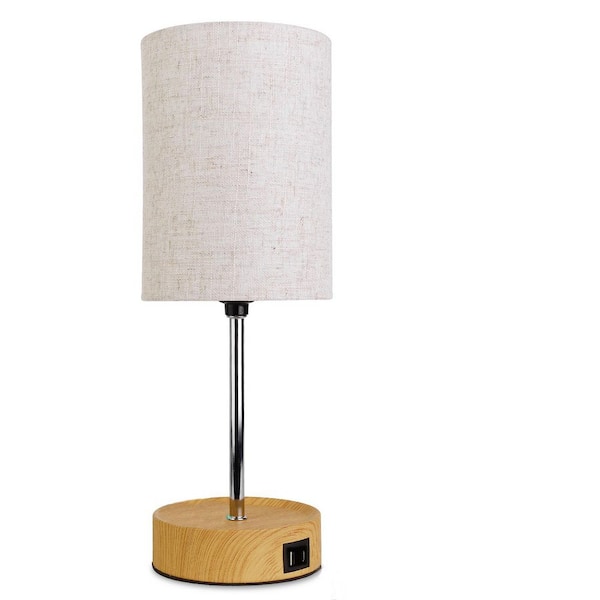
Credit: www.homedepot.com
Upgrading To Safer Lighting Options
Upgrading to safer lighting options protects your home and improves energy use. Many older desk lamps do not handle 120 volts safely. Choosing new lamps with modern technology helps avoid electrical hazards and reduces energy bills. Safer lighting also means better light quality and longer lamp life.
Led Lamps And Energy Efficiency
LED lamps use less electricity compared to traditional bulbs. They convert more energy into light, not heat. This reduces fire risks from overheating. LED desk lamps last longer and save money on power bills. Many LED lamps work well with 120-volt outlets without special adapters.
Smart Lamps With Safety Controls
Smart lamps include features that improve safety and convenience. They can turn off automatically if they overheat. Some models monitor voltage and prevent electrical surges. Smart lamps also allow remote control, reducing the need to touch switches with wet hands. These safety controls make smart lamps a safer choice for desk lighting.
When To Replace Old Lamps
Replace desk lamps if the wiring looks damaged or frayed. Bulbs that flicker or dim suddenly may indicate electrical issues. If a lamp becomes very hot, it is time to upgrade. Old lamps without safety certifications should be replaced. New lamps provide safer operation and better light quality for daily use.
Frequently Asked Questions
Can Desk Lamps Work With 120 Volts Safely?
Most desk lamps are designed to handle 120 volts safely. This voltage is standard in many countries, including the US. Always check the lamp’s label or manual to confirm voltage compatibility before use.
What Happens If A Desk Lamp Isn’t 120 Volts?
Using a lamp not rated for 120 volts can cause damage or electrical hazards. The lamp may overheat, fail, or pose a fire risk. Always match the lamp’s voltage rating with your power supply.
Are Led Desk Lamps Compatible With 120 Volts?
Yes, most LED desk lamps are compatible with 120 volts. They are energy-efficient and designed for standard household voltages. Always verify the product specifications to ensure proper voltage support.
How To Check If A Desk Lamp Supports 120 Volts?
Look for voltage information on the lamp’s label, packaging, or user manual. It should state “120V” or a voltage range including 120 volts. This confirms the lamp’s suitability for your power source.
Conclusion
Most desk lamps can safely use 120 volts. Check the lamp’s label to be sure. Using the correct voltage keeps lamps working well. It also prevents damage or fire risks. Always use bulbs that match the lamp’s wattage. Simple steps help keep your workspace bright and safe.
Choose the right lamp for your home or office. Safety and performance go hand in hand. Small checks make a big difference in lamp use.



