
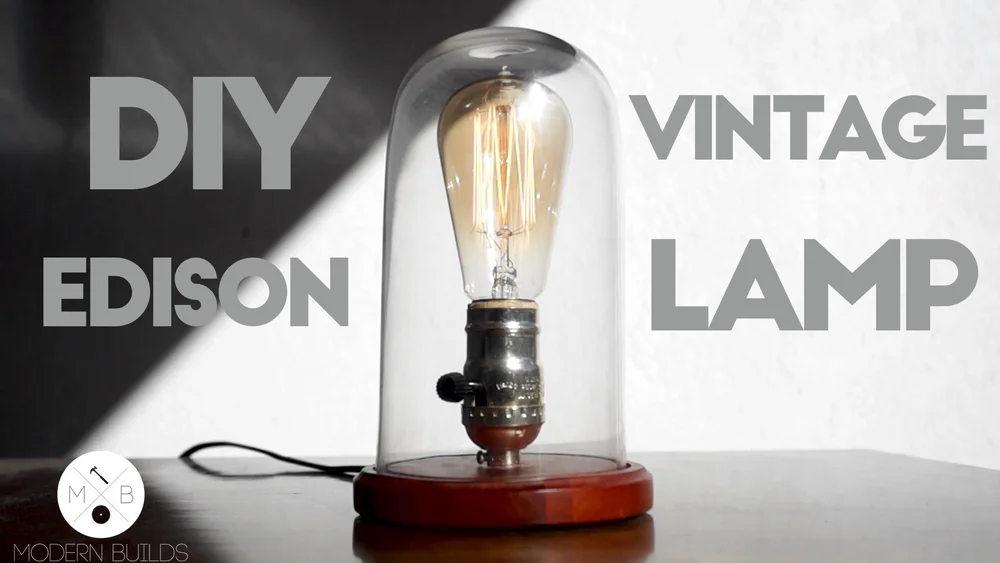
Are you looking to add a unique touch to your workspace? Making your own Edison desk lamp can give your room a warm, vintage glow that stands out.
Imagine the satisfaction of crafting a stylish lamp that fits perfectly with your style and needs. In this guide, you’ll discover simple steps to build your own Edison desk lamp, even if you’ve never worked with lighting before. Ready to turn your desk into a cozy, creative corner?
Keep reading, and let’s bring your idea to light!
Materials Needed
Gathering the right materials is the first step to building your own Edison desk lamp. Having everything prepared makes the process smoother and more enjoyable. It also helps you avoid interruptions caused by missing parts.
Think about the style and size of your lamp before choosing materials. Would you prefer a vintage look or a modern twist? Your choice affects the types of materials you’ll need.
Essential Electrical Components
- Edison Bulb:This is the heart of your lamp. Pick one with the right wattage for your workspace.
- Socket:Choose a socket that fits your Edison bulb and supports your wiring setup.
- Electrical Cord with Plug:A sturdy cord with a switch is best for safety and convenience.
- Wire Connectors:These ensure secure and safe connections between wires.
Structural Materials
- Wood or Metal Base:This supports your lamp. I found reclaimed wood adds character, but metal can give a sleek look.
- Arm or Stand:You can use metal pipes or wooden rods depending on your desired style and durability.
- Screws and Fasteners:These hold everything together firmly.
Tools You’ll Need
- Screwdriver Set:A variety of sizes helps with different screws.
- Wire Stripper:This tool makes connecting wires safer and easier.
- Drill:Useful for creating holes in the base or arm for wiring and mounting.
- Measuring Tape:Helps ensure accurate cuts and placements.
Do you have all these materials at hand, or will you need to make a quick trip to the hardware store? Preparing your workspace and tools first can save you time and frustration later on.
Choosing The Right Edison Bulb
Choosing the right Edison bulb is key to making your desk lamp both functional and stylish. The bulb sets the mood, affects the brightness, and even impacts energy use. Picking the perfect bulb means balancing these factors to fit your space and needs.
Understanding Bulb Sizes And Base Types
Not all Edison bulbs fit every lamp socket. You need to check the base type, usually labeled as E26 or E27 for standard desk lamps. The size affects how the bulb sits and how easy it is to replace later.
Think about your lamp’s socket before buying. A wrong base means your bulb won’t fit, which can be frustrating after all your hard work.
Choosing The Right Brightness And Wattage
Brightness is measured in lumens, not watts. A typical Edison bulb ranges from 200 to 800 lumens. Decide how much light you need—too bright can cause glare, too dim might not be useful.
Energy use matters too. LED Edison bulbs offer vintage looks with low wattage. Have you considered saving on your electricity bill while keeping that warm glow?
Selecting The Color Temperature
Edison bulbs come in various color temperatures, measured in Kelvins (K). Warm white (around 2200K to 2700K) creates a cozy atmosphere. Cooler whites (above 3000K) suit workspaces better.
Do you want your lamp to invite relaxation or boost focus? Your choice of color temperature will guide this feeling.
Deciding Between Led And Incandescent Bulbs
Traditional incandescent Edison bulbs give off a soft, warm light but use more energy. LED versions mimic this look while lasting longer and using less power. They also produce less heat, making your lamp safer.
Think about how often you’ll use the lamp. LED bulbs can save money over time, but some purists prefer the glow of incandescent bulbs. Which one fits your lifestyle better?
Preparing The Lamp Base
Begin by selecting a sturdy base that can hold the lamp securely. Drill a hole in the center to fit the lamp rod and wiring. Ensure the base is stable and smooth to support the Edison bulb safely.
Preparing the lamp base is a crucial step in making an Edison desk lamp. A solid foundation ensures stability and enhances the lamp’s aesthetic appeal. Whether you’re a seasoned DIY enthusiast or a beginner, setting up the base properly is key. The following sections guide you through each step of this process.Choosing The Right Material
Select a sturdy material for the base. Wood, metal, or concrete are popular choices. Each offers unique benefits. Wood brings warmth. Metal offers a modern look. Concrete provides industrial charm. Consider the decor style you want.Measuring And Cutting
Measure the dimensions of your base. Use a ruler or measuring tape for accuracy. Mark the spots with a pencil. Ensure your cuts are precise. Use a saw suitable for your chosen material. Safety goggles and gloves are essential during this process.Sanding The Edges
Smooth the edges with sandpaper. This step prevents splinters and enhances appearance. Start with coarse grit and move to fine. Pay attention to corners and curves. A smooth surface is easier to paint or stain later.Drilling The Hole For Wiring
Drill a hole for the cord. Choose a drill bit slightly larger than the wire. Position the hole near the center. Ensure it’s clean and smooth. This allows easy passage for the wiring.Applying The Finish
Decide on paint or stain for the base. Apply evenly with a brush. Let it dry completely. A finish protects the material and adds visual appeal. Choose a color that complements your workspace.Attaching Non-slip Pads
Prevent the lamp from sliding with non-slip pads. Attach them to the base’s underside. These pads also protect surfaces from scratches. Ensure they’re evenly spaced. Your lamp will stand securely.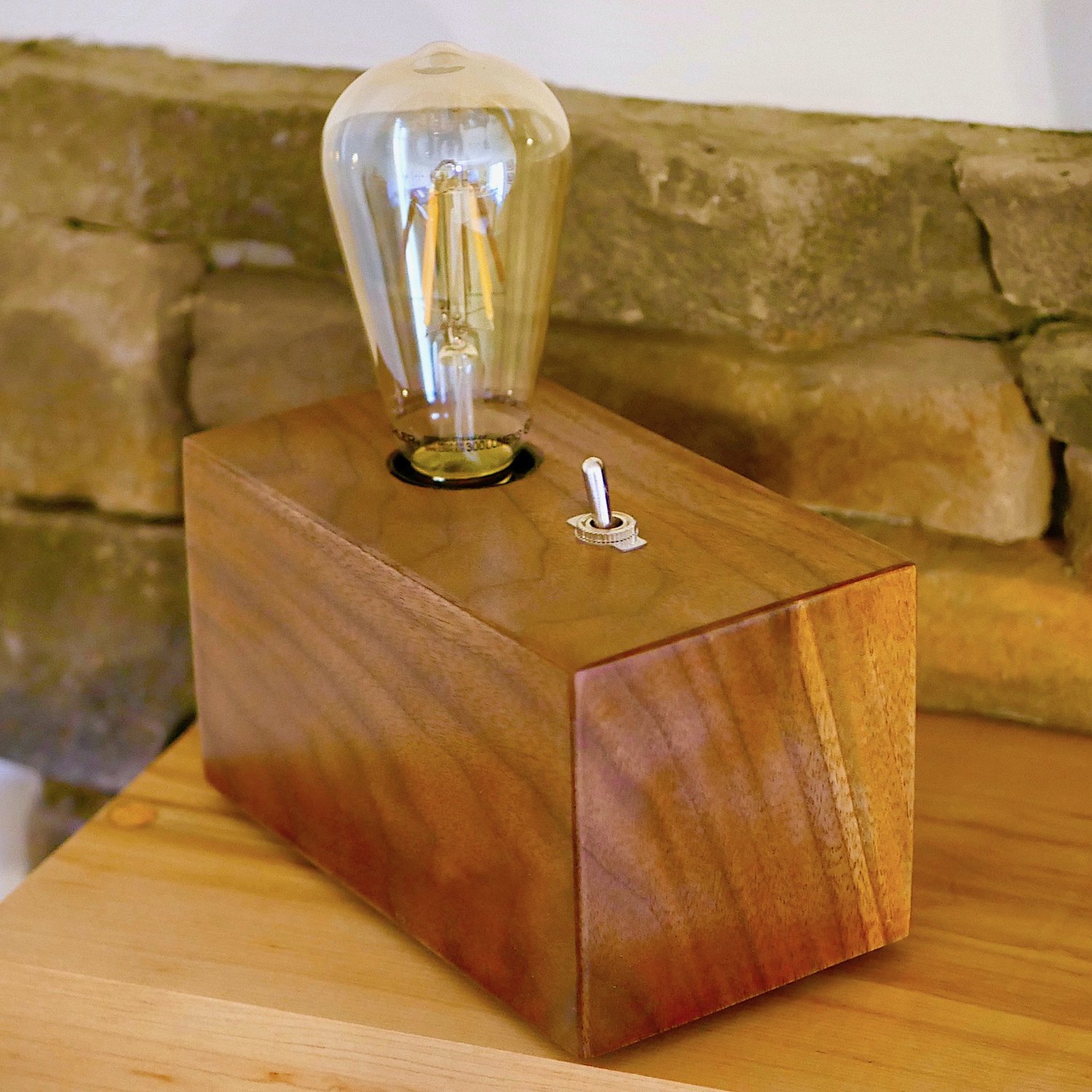
Credit: amanalawyers.com
Wiring The Lamp Safely
Wiring your Edison desk lamp correctly is crucial for both safety and functionality. Faulty wiring can lead to short circuits, shocks, or even fire hazards. Taking your time and paying attention to detail ensures your lamp not only looks great but operates safely for years.
Understanding The Wiring Components
Before you start, familiarize yourself with the essential parts: the power cord, socket, switch, and plug. Each has a specific role in completing the electrical circuit and must be compatible with your lamp design.
- Power Cord:Choose a cord rated for the lamp’s voltage and current.
- Socket:Make sure the socket fits your Edison bulb and supports the wattage.
- Switch:Decide if you want an inline switch or a base switch for convenience.
- Plug:Use a grounded plug to reduce electrical risks.
Have you checked the ratings on your components? Using mismatched parts can cause overheating or failure.
Preparing Your Workspace And Tools
Set up a clean, dry workspace with good lighting. Gather insulated wire strippers, a screwdriver, electrical tape, and a multimeter. These tools are essential for precise and safe wiring.
Make sure your hands are dry and avoid working near water sources. Safety starts with your environment.
Connecting Wires Correctly
Strip about half an inch of insulation from each wire end carefully to avoid damaging the copper strands. Connect the live (usually brown or black) and neutral (blue or white) wires to their corresponding terminals on the socket.
Secure each connection tightly to prevent loose contacts. Loose wiring can cause flickering or sparks.
- Match wire colors to terminal markings.
- Twist strands neatly before inserting them.
- Use a screwdriver to firmly tighten screws.
Testing Your Wiring Setup
Before assembling the lamp fully, test the wiring with a multimeter to check for continuity and proper connections. This step helps catch any mistakes early and avoids hazards later on.
Plug the lamp into a low-risk power source and switch it on briefly. Does the bulb light steadily without flickering or unusual sounds? If not, recheck your wiring carefully.
Adding Final Safety Measures
Wrap exposed wire joints with electrical tape or use heat shrink tubing for insulation. Ensure no bare wires are visible once the lamp is assembled.
Consider installing a fuse or a circuit breaker if your lamp design supports it. This extra protection can save your lamp and your home from electrical faults.
Assembling The Lamp Components
Assembling the Edison desk lamp components requires careful attention. Each part must fit perfectly to ensure safety and function. This section guides you through connecting the main parts step-by-step. The process is simple and rewarding.
Preparing The Base And Stand
Start by placing the lamp base on a flat surface. Attach the stand or arm to the base securely. Use screws or bolts provided with your kit. Tighten them until the stand feels stable. This forms the lamp’s foundation.
Wiring The Electrical Components
Next, connect the wires from the power cord to the lamp socket. Strip the wire ends carefully to expose the copper. Attach the wires to the socket terminals using screws. Make sure the connections are tight and safe.
Attaching The Edison Bulb
Insert the Edison bulb into the socket by turning it clockwise. Check that it fits snugly without forcing it. The bulb’s vintage glow is key to the lamp’s style. Handle the bulb gently to avoid damage.
Securing The Lampshade
Place the lampshade over the bulb and socket. Align it with the holder or ring on the stand. Secure the shade using screws or clips included. Ensure it does not wobble or tilt.
Plug the lamp into an outlet. Switch it on to verify the bulb lights up. If it does not, double-check all wire connections. Adjust any loose parts for better stability. Your Edison desk lamp is now ready to use.
Adding Vintage Finishing Touches
Adding vintage finishing touches to your Edison desk lamp transforms it from a simple light source into a statement piece filled with character. These details bring warmth and charm that instantly catch the eye. You don’t need to be an expert to add these nostalgic accents—small changes create a big impact.
Choosing The Right Bulb For Authentic Glow
The bulb defines the lamp’s vintage vibe. An Edison-style filament bulb offers a warm, amber light that feels cozy and timeless. Look for bulbs with exposed filaments and a soft glow rather than harsh white light. This choice alone can change how your lamp fits into the room’s mood.
Distressing The Metal And Wood
Give your lamp a weathered look by lightly sanding edges or using paint techniques that mimic rust or patina. A few spots of chipped paint or a slightly rough surface suggest the lamp has stories to tell. You can achieve this with sandpaper or a dry brush and some brown or green paint to imitate age.
Adding Vintage Hardware Details
Swap out plain screws and knobs for antique brass or copper hardware. These little upgrades add authenticity and a tactile vintage feel. Hardware from old furniture or specialty shops often has unique shapes and a worn finish that complements the lamp’s style.
Incorporating Fabric Cord Covers
Replace standard plastic cords with braided fabric-covered wires. They come in various colors and textures, adding a subtle retro touch. This small switch enhances your lamp’s overall look and feels more tactile and genuine.
Personalizing With Unique Finishing Touches
Think about what vintage elements speak to you—maybe a small tag with a date, a leather strap wrapped around the base, or a tiny metal charm. Adding these personal details makes your lamp truly yours. What vintage accents would you add to tell your lamp’s story?
Testing The Lamp
Testing your Edison desk lamp is a crucial step that ensures everything works safely and efficiently. It’s not just about flipping the switch; you need to verify all connections, check the bulb, and confirm the lamp’s stability. Taking your time here can save you from electrical hazards and improve your lamp’s longevity.
Checking Electrical Connections
Start by inspecting every wire connection carefully. Make sure all wires are tightly secured to the sockets and switches without any loose strands. Loose connections can cause flickering or even short circuits, so this step is vital.
Use a multimeter to test the continuity of the wiring if you have one. This tool helps you confirm that electricity flows correctly through your lamp’s circuit. If you don’t have a multimeter, a simple visual check and gentle tug on wires can reveal obvious issues.
Testing The Light Bulb
Choose an Edison bulb that matches the lamp’s specifications. Screw it in gently but firmly to avoid damaging the socket. Once installed, turn on the lamp and observe if the bulb lights up evenly without flickering.
If the bulb doesn’t light, double-check your wiring and socket connections. Sometimes, the bulb itself might be faulty, so try another bulb if you’re unsure. A properly working bulb will glow warmly, creating the characteristic Edison lamp ambiance.
Ensuring Stability And Safety
Place your lamp on a flat surface and gently shake it to test its stability. A wobbly lamp can be a hazard, especially if you plan to use it near papers or electronics. Tighten any loose screws or joints to keep the lamp steady.
Also, feel the lamp’s base and socket area after it’s been on for a while. If you notice excessive heat, this might indicate a problem with the wiring or the bulb’s wattage. Safety comes first, so never ignore unusual warmth.

Credit: www.youtube.com
Troubleshooting Common Issues
Troubleshooting common issues with your Edison desk lamp can save you time and frustration. Many problems are simple fixes that don’t require professional help. Understanding these can keep your lamp glowing bright and working smoothly.
Checking The Power Source
If your lamp doesn’t turn on, start by verifying the power source. Make sure the outlet is working by plugging in another device.
Inspect the plug and cord for visible damage. Sometimes, a loose connection inside the plug can cause the lamp to fail.
Inspecting The Bulb And Socket
A flickering or dim light often points to bulb or socket issues. Remove the bulb and check for signs of damage or burn marks.
Try replacing the bulb with a new Edison-style filament bulb to see if the problem persists. Also, gently clean the socket with a dry cloth to remove dust or corrosion.
Testing The Switch
If flipping the switch doesn’t light the lamp, the switch itself might be faulty. You can test this by bypassing the switch temporarily.
Carefully disconnect the switch wires and connect them directly. If the lamp works, the switch needs replacement.
Addressing Wiring Problems
Wiring issues are common but fixable. Look for loose or disconnected wires inside the lamp base.
Use a multimeter to test continuity if you have one. If any wire looks damaged or frayed, it’s best to replace it to avoid safety hazards.
Dealing With Overheating
If your lamp gets unusually hot, it might be using the wrong bulb wattage. Check the maximum wattage rating on the lamp and avoid exceeding it.
Also, ensure the bulb has enough ventilation and isn’t covered by anything that traps heat.
Have you experienced other issues with your Edison desk lamp? Sometimes a simple fix like cleaning contacts or tightening screws can make a big difference. What troubleshooting tips have worked best for you?
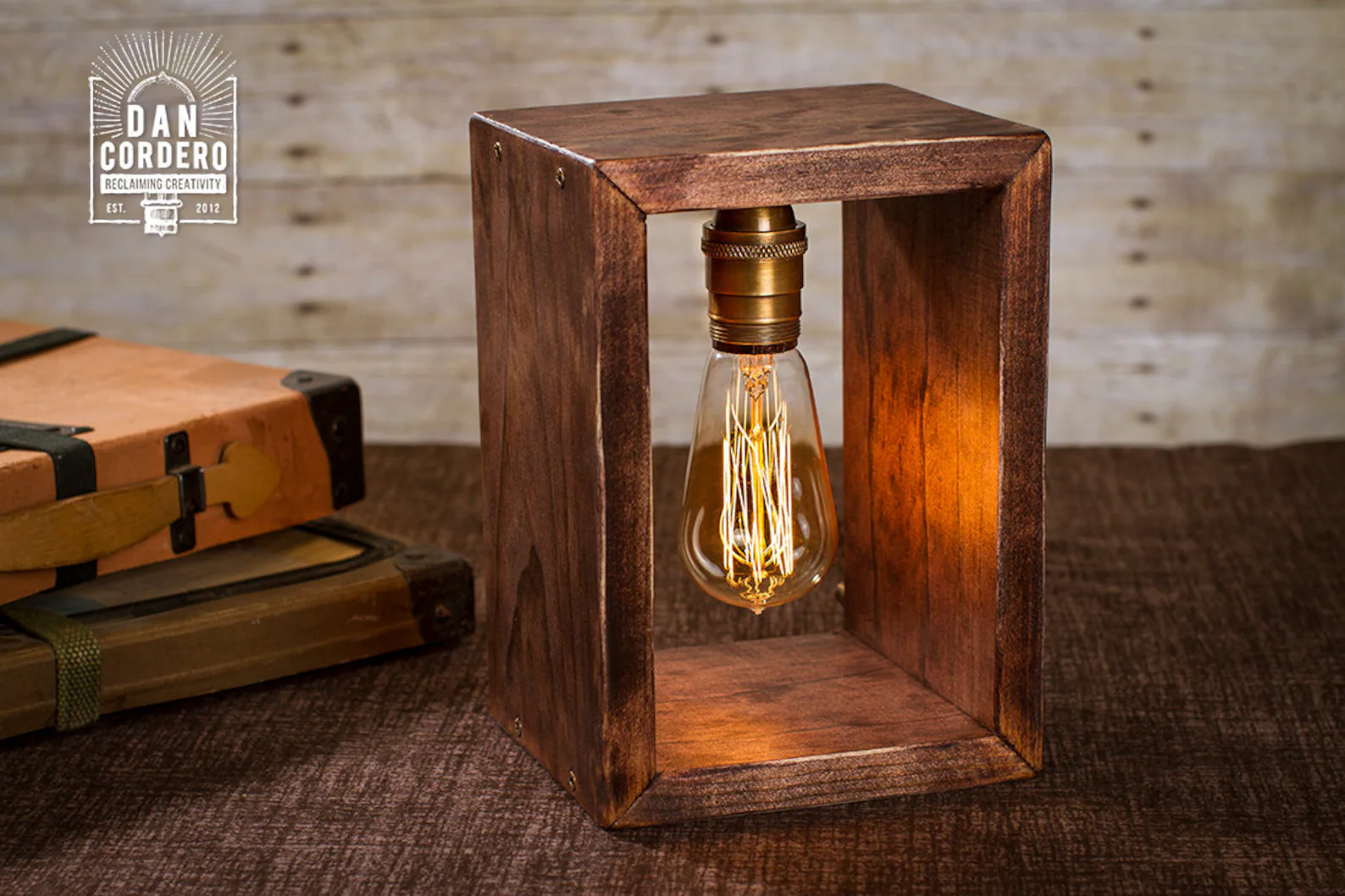
Credit: corderohomeandlighting.com
Frequently Asked Questions
What Materials Are Needed To Make An Edison Desk Lamp?
You need an Edison bulb, lamp socket, electrical cord, wooden base, and basic tools. These materials are affordable and easy to find.
How Do I Safely Wire An Edison Desk Lamp?
Turn off power before wiring. Connect wires to the socket terminals securely. Use insulated connectors and test with a voltage tester.
Can I Customize The Edison Desk Lamp Design?
Yes, customize by choosing different bulb shapes, base materials, and finishes. Personalize to match your room style and lighting needs.
How Long Does It Take To Assemble The Lamp?
Assembly typically takes 30 to 60 minutes. Time varies based on skill level and design complexity.
Conclusion
Creating your own Edison desk lamp is a fun and simple project. You get a unique light that fits your style. The steps are easy to follow and use common materials. This lamp adds warmth and charm to any room.
Enjoy the soft glow and vintage look you made yourself. Try making one today and see how rewarding it feels. A homemade lamp brings light and pride to your space.



