
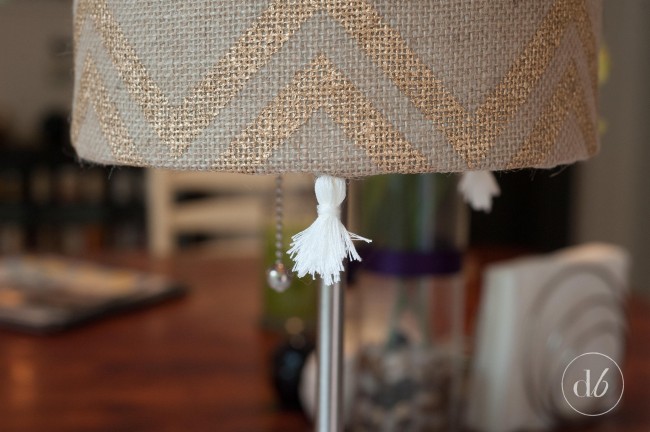
Are you tired of the plain look of your desk lamp? Imagine giving your workspace a fresh, personal touch without spending a lot of money.
Making your own desk lamp cover is easier than you think. With just a few simple materials and steps, you can create a stylish cover that reflects your style and brightens your room. Keep reading, and you’ll discover how to transform your lamp into a unique piece that you’ll love every time you turn it on.
Ready to get creative? Let’s dive in!

Credit: www.youtube.com
Choosing Materials
Choosing the right materials is key to making a desk lamp cover. The material affects the light quality, durability, and look. Picking a soft fabric creates a warm glow. Paper options can offer unique textures and patterns. Recycled materials add an eco-friendly touch and save money.
Fabric Options
Fabric is a popular choice for lamp covers. Cotton and linen work well because they let light pass through gently. Silk adds elegance but may need lining for safety. Choose light colors to brighten your workspace. Dark fabrics block too much light. Make sure the fabric is flame-resistant or treated for safety.
Paper Alternatives
Paper is lightweight and easy to shape. Rice paper and parchment offer a soft, diffused light. Printed paper can add patterns or colors to your lamp. Use thick paper to avoid tearing. Treat paper with a flame retardant spray for safety. Paper covers work best for decorative lamps or low-heat bulbs.
Recycled Materials
Recycled materials save resources and create unique designs. Old maps, magazines, or fabric scraps can become lamp covers. Cardboard can be cut and shaped with care. Recycled items add character and personality. Make sure recycled materials are clean and safe for use near heat. Experiment with layers or mixed materials for an original look.
Tools You’ll Need
Before you start crafting your desk lamp cover, gathering the right tools is essential. The right tools make the process smoother and ensure your cover fits perfectly. You don’t need an entire toolbox, just a few key items to get the job done efficiently.
Cutting Tools
Sharp and precise cutting tools are a must-have. Scissors work well for fabric or thin materials, but a craft knife or utility knife is better for cardboard or plastic covers. A cutting mat protects your work surface and helps keep your cuts straight.
Have you ever struggled with uneven edges? Using a ruler alongside your cutting tool can solve that issue quickly. It’s worth investing in tools that give you clean cuts to avoid frustration later.
Adhesives And Fasteners
Choosing the right adhesive depends on your cover material. Hot glue guns are quick and hold well for most fabrics and plastics. For paper or lightweight materials, double-sided tape or craft glue can work just fine.
Sometimes, glue isn’t enough. Small screws, clips, or even Velcro strips can add extra security and make your cover removable for cleaning or changing styles. Think about how you want to attach your cover before you start.
Measuring And Marking
Accurate measurements are the backbone of a well-fitting cover. A flexible tape measure helps when dealing with curved surfaces of lamp shades. Mark your cut lines clearly with a pencil or tailor’s chalk to avoid mistakes.
Do you know how frustrating it is to cut twice and fit once? Taking the time to measure and mark carefully will save you both time and materials. Precision here leads to a professional-looking finish.
Basic Lamp Cover Shapes
Common lamp cover shapes include drum, cone, and empire styles. Choosing a simple shape helps create an easy desk lamp cover. These shapes offer good light direction and suit most desk setups.
Creating a custom desk lamp cover can instantly transform your workspace, adding personality and style. The shape of the lamp cover is crucial as it dictates both the aesthetics and the functionality of the light. Let’s explore some basic lamp cover shapes that you can easily craft at home to enhance your desk lamp.Cylindrical Covers
Cylindrical covers are a classic choice, providing a sleek and modern look. They allow for even distribution of light, ideal for tasks that require consistent illumination. To make a cylindrical cover, you can use materials like fabric, paper, or even thin sheets of wood. Start by measuring the circumference and height of your lamp. Cut your chosen material accordingly, leaving an extra inch for overlap. Secure the edges with strong glue or double-sided tape, ensuring a neat seam. Would a touch of color or pattern make your workspace more inviting? Consider painting or wrapping the cover in a vibrant fabric for a personalized touch.Cone Covers
Cone covers offer a stylish and functional design, focusing light downward, perfect for reading or studying. They can be made using sturdy materials like cardstock or metal sheets. To create a cone cover, trace a semicircle on your material with a protractor. Cut it out, then bring the straight edges together to form a cone shape. Fasten with adhesive, and trim any excess for a clean edge. Experiment with different cone heights to see which best suits your needs. How much light do you prefer on your desk? Adjusting the cone’s angle can help direct light exactly where you want it.Boxy Designs
Boxy designs are unique and can add a modern or industrial touch to your lamp. They typically work best with square or rectangular lamps. To make a boxy cover, use cardboard or lightweight wood. Measure and cut four equal panels for the sides and a slightly larger panel for the top. Assemble with glue or small nails, ensuring the edges align perfectly. Think about incorporating cut-outs or patterns to create interesting light effects. What shapes could add intrigue to your workspace? By choosing the right shape for your lamp cover, you can enhance both the functionality and the style of your desk lamp. Which shape will you try first?Step-by-step Assembly
Assembling a desk lamp cover is a simple process that anyone can follow. It involves a few key actions to make sure the cover fits perfectly and looks great. This guide breaks down the tasks into clear parts. Each part helps create a lamp cover that is both functional and stylish.
Measuring Your Lamp
Start by measuring your lamp carefully. Use a tape measure to get the height and width of the lamp shade. Note the diameter if your lamp has a round shade. Write down these numbers to use later. Accurate measurements ensure the cover fits well without slipping or being too tight.
Cutting Your Material
Choose your material based on style and durability. Fabric, paper, or thin plastic works well. Lay the material flat on a clean surface. Use scissors or a craft knife to cut the shape. Cut slightly larger than your measurements to allow for adjustments. Keep the edges smooth to avoid fraying or tearing.
Attaching The Cover
Attach the cover using glue, tape, or sewing, depending on the material. For fabric, use fabric glue or stitch the edges. Paper or plastic can be attached with double-sided tape or hot glue. Make sure to secure all sides firmly. Check the fit by placing the cover over the lamp. Adjust as needed to keep it stable and neat.
Creative Decoration Ideas
Creative decoration ideas can transform a simple desk lamp cover into a unique piece that reflects your personality and style. Adding your personal touch makes your workspace more inviting and inspiring. Let’s look at some fun and easy ways to decorate your lamp cover.
Painting And Stenciling
Painting your lamp cover gives you full control over colors and patterns. Use acrylic paints for bright, lasting colors. You can create bold shapes or delicate designs depending on your mood.
Stenciling helps if you want precise patterns without freehand painting. Cut out shapes or letters on stencil paper, then dab paint gently over it. This technique is perfect for geometric designs or repeating motifs.
Have you tried mixing colors directly on the lamp cover? It creates interesting gradients and a soft glow when the lamp is on. Experiment with metallic or glow-in-the-dark paints to add an unexpected twist.
Adding Textures
Textures add depth and interest to your lamp cover. Try gluing on materials like sand, small pebbles, or even bits of dried flowers for a natural feel. These elements catch light differently, making your lamp more dynamic.
You can also use modeling paste or fabric glue to create raised patterns. Once dry, paint over them to highlight the textures. This tactile approach invites you to touch and admire your creation.
Think about how the texture changes the lamp’s ambiance. Will it soften the light or create intriguing shadows? Your choice can completely change the mood of your room.
Using Fabric Embellishments
Fabric is a versatile way to decorate your lamp cover. Wrap the cover with lace, burlap, or colorful cotton for a cozy look. Secure the fabric with glue or double-sided tape to keep it neat.
Add small fabric flowers, buttons, or ribbons to make the design pop. These small details can turn a plain lamp into a charming accent piece. Mixing different fabrics also creates a rich visual effect.
Have you considered how fabric changes the light diffusion? Thicker fabrics soften light, while sheer fabrics create delicate patterns. Choose your fabric based on the atmosphere you want to create.

Credit: makezine.com
Safety Tips
Creating a desk lamp cover adds style to your workspace. Safety is key during this project. Proper care prevents accidents and damage. Follow these safety tips to keep your lamp secure and safe.
Heat Resistance
Choose materials that can handle lamp heat. Fabrics like cotton or linen work well. Avoid plastics or paper that melt easily. Test material near a heat source first. Keep the cover away from the bulb itself.
Secure Attachment
Fasten the cover tightly to the lamp. Use strong clips or Velcro for stability. Loose covers can fall and cause hazards. Check attachment points regularly for wear. Make sure no wires get pinched or damaged.
Avoiding Fire Hazards
Never leave the lamp on unattended. Keep flammable items away from the cover. Use LED bulbs that produce less heat. Place the lamp on a stable, flat surface. Always inspect the cover for signs of damage or burning.
Maintaining Your Lamp Cover
Maintaining your desk lamp cover ensures it stays attractive and functional for a long time. A well-kept cover not only improves the lamp’s look but also protects the bulb and controls the light quality. Let’s look at some practical ways to keep your lamp cover in great shape.
Cleaning Techniques
Dust and dirt can quickly dull your lamp cover’s appearance. Use a soft cloth or a microfiber duster regularly to remove surface dust. For fabric covers, gently vacuum with a brush attachment to avoid damage.
If your cover is made of glass or plastic, wipe it with a damp cloth and mild soap. Avoid harsh chemicals that can discolor or weaken the material. Have you noticed how a clean lamp cover instantly brightens the room?
Repairing Damage
Small tears or cracks don’t always mean you need a new cover. Fabric covers with minor rips can be sewn or patched with matching material. For plastic or glass covers, consider using clear adhesive or epoxy designed for the specific material.
Check the frame or support structure as well. Tightening loose screws or bending bent wires can extend the cover’s lifespan. What small repairs could you do today to save money and reduce waste?
Replacing Covers
Sometimes, a cover is beyond repair or you want a fresh look. Measure your lamp carefully to find a cover that fits perfectly. Many online stores offer customizable options to match your style and lamp size.
When replacing, keep the old cover as a backup or repurpose it in craft projects. Have you thought about how swapping covers can change your room’s mood without a full redesign?
Credit: gatheredinthekitchen.com
Frequently Asked Questions
What Materials Do I Need For A Desk Lamp Cover?
You need fabric, scissors, measuring tape, glue or sewing kit, and a lamp shade frame or wire. Choose materials that are heat-resistant and durable.
How Do I Measure For A Desk Lamp Cover?
Measure the lamp shade’s height and circumference accurately. Add extra fabric for seams and hems to ensure a snug fit.
Can I Use Any Fabric For A Desk Lamp Cover?
Use only heat-resistant fabrics like cotton or linen. Avoid synthetic materials that can melt or catch fire easily.
How Do I Attach The Cover To The Lamp?
Secure the fabric with glue or sew it around the lamp shade frame. Ensure a tight fit without blocking light.
Conclusion
Making a desk lamp cover is simple and fun. You can use materials you have at home. It helps protect your eyes from bright light. Plus, it adds a personal touch to your room. Try different colors and shapes to match your style.
Keep practicing, and you will get better each time. This small project brings both comfort and creativity to your space. Give it a try and enjoy your new lamp cover!



