
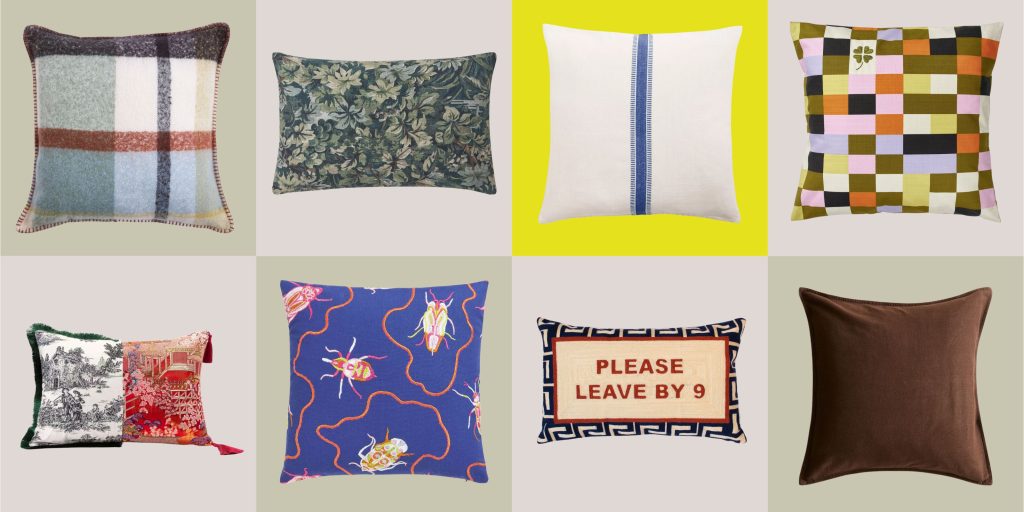
Have you ever picked up a throw pillow and wondered why it costs so much? You’re not alone.
Throw pillows might seem like small, simple accessories, but their prices can surprise you. If you’ve ever hesitated before buying one, this article is for you. We’ll uncover the real reasons behind those high price tags and help you understand what makes a throw pillow worth the cost.
Keep reading—you’ll see your favorite home decor in a whole new light.

Credit: www.sheknows.com
Material Quality Matters
Material quality plays a big role in the cost of throw pillows. Cheaper pillows often use low-grade fabrics and fillings. These materials wear out fast and feel less comfortable. Higher quality materials provide better look and feel. They also last longer, which adds value over time.
Premium Fabrics And Fillings
High-end throw pillows use fine fabrics like silk, linen, or velvet. These fabrics have a soft touch and vibrant colors. They resist stains and fading better than cheap options. Fillings also matter. Down feathers and memory foam offer superior support. Synthetic fillings may be less costly but often lack comfort and durability.
Durability And Comfort
Good materials make pillows last longer without losing shape. Durable pillows keep their fluff and support after many uses. Comfort is key for pillows used for resting or decoration. Quality materials provide a cozy feel and proper support. This makes them worth the extra price for many buyers.

Credit: www.amazon.ca
Craftsmanship And Design
The price of throw pillows often reflects the craftsmanship and design behind them. Quality materials and skilled work increase their value. Each pillow tells a story through its making, not just its look.
Craftsmanship involves detailed work by artisans. Design adds uniqueness and style. Together, they make throw pillows stand out in any space.
Handmade Versus Mass-produced
Handmade pillows require hours of careful work. Each stitch is placed by hand, ensuring durability and detail. Artisans use traditional methods to create textures and shapes.
Mass-produced pillows come from machines. They are faster and cheaper to make but lack personal touches. This difference affects quality and cost.
Handmade pillows often use higher quality fabrics. The time spent on each piece adds to the price. Buyers pay for skill and care, not just materials.
Unique Patterns And Embellishments
Unique patterns demand creativity and precision. Designers experiment with colors, shapes, and themes. This makes each pillow special and visually appealing.
Embellishments like embroidery, beading, or appliqué take extra effort. These details require skilled hands and patience. They add texture and depth to the pillow’s design.
Such features increase production time and cost. They cannot be easily replicated by machines. This exclusivity justifies a higher price tag.
Brand Influence
Throw pillows can be surprisingly pricey, and one significant factor behind this is brand influence. When a well-known brand attaches its name to a product, it can dramatically affect the price. But why does a simple name on a tag make such a difference in cost?
Designer Labels And Trends
Designer labels carry a lot of weight in the home decor world. When a pillow is branded by a famous designer, it often reflects the latest trends and styles. Consumers are willing to pay more for the assurance of owning something fashionable and exclusive.
Think about your last visit to a high-end store. Did you notice how the designer throw pillows stood out? Their unique designs and high-quality materials scream luxury. This allure often justifies the higher price tag.
Marketing And Perceived Value
Marketing plays a crucial role in shaping the perceived value of throw pillows. Brands invest heavily in advertising to create an image of elegance and sophistication. This creates a perception that owning such items elevates your living space.
Consider the emotional appeal used in ads. They often showcase homes that appear warm and inviting, all thanks to a few strategic throw pillows. You might start to believe that these pillows are a key ingredient to achieving the perfect home aesthetic.
Have you ever wondered if the price reflects the actual quality or just the brand hype? It’s essential to weigh the true value against the marketing influence. Would you pay more for a brand name or seek out similar styles at a more affordable price?
Production Costs
Production costs play a major role in the price of throw pillows. Every step from making the fabric to the final stitching adds to the expense. Understanding these costs can help you see why some pillows come with a higher price tag.
Labor Expenses
Labor is one of the biggest costs in producing throw pillows. Skilled workers carefully cut, sew, and stuff each pillow to ensure quality. This work takes time and patience, and paying fair wages raises the overall price.
Think about a local artisan you know who makes handmade pillows. Their attention to detail and craftsmanship can’t be rushed, which means their time and effort must be valued. Would you expect a machine-made pillow to have the same quality?
Sourcing Sustainable Materials
Choosing eco-friendly materials often costs more than synthetic alternatives. Organic cotton, natural dyes, and recycled fillings require careful sourcing and processing. These materials support a healthier environment but also increase the pillow’s price.
Have you ever checked the label on your pillow? Sustainable materials are usually highlighted because they’re a selling point. If you want pillows that are kind to the planet and your home, be ready to invest a bit more upfront.
Retail Markups And Distribution
Retail markups and distribution play a major role in why throw pillows often come with a higher price tag than you might expect. The journey from manufacturer to your living room involves several layers, each adding to the final cost. Understanding this process can help you spot where prices inflate and how to make smarter buying choices.
Wholesale Versus Retail Pricing
Wholesale prices are what retailers pay to get throw pillows directly from manufacturers or distributors. These prices are significantly lower because buyers purchase in bulk. However, when these products reach the retail shelves, the price often doubles or even triples.
This markup covers several expenses such as store rent, employee wages, shipping, and marketing. Retailers also need to make a profit to stay in business. Have you ever wondered why the same pillow costs so much less if you buy it in bulk or from a wholesaler?
Online Versus In-store Costs
Shopping online might seem cheaper at first glance, but it’s not always the case. Online stores save on physical space and staff, yet they often add shipping fees or require minimum orders to offer discounts. This can sometimes push the price above what you’d pay at a local shop.
On the other hand, in-store shopping allows you to see and feel the pillow before buying, which adds value but also increases overhead costs for the retailer. These costs are passed on to you through higher prices. Which do you value more—convenience or price?
Credit: www.apartmenttherapy.com
Consumer Demand And Trends
Consumer demand and trends play a huge role in why throw pillows can feel pricey. Your taste isn’t formed in isolation—it’s shaped by what’s popular and sought after at the moment. When many people want the same style or design, prices tend to rise because brands recognize the opportunity.
Home Decor Popularity
Throw pillows have become a staple in home decor, turning simple sofas and beds into stylish statement pieces. As more people focus on creating cozy, Instagram-worthy spaces, the demand for unique and high-quality pillows skyrockets.
Think about the last time you shopped online or visited a store: did you notice a huge variety of throw pillows with trendy patterns, textures, and colors? Retailers know that customers like you want options that match current decor themes, such as farmhouse chic or minimalist modern.
This constant push to keep up with evolving styles means manufacturers often invest in new designs and materials. That investment reflects in the price you pay for your favorite throw pillow.
Seasonal And Limited Editions
Have you ever seen throw pillows designed specifically for holidays or seasons? These limited editions create urgency—they’re available only for a short time, so many people rush to buy them.
Brands often release special collections to tap into seasonal moods, like cozy autumn leaves or festive winter patterns. Because these pillows are produced in smaller batches, production costs rise, and retailers pass that cost on to you.
Owning a limited-edition pillow can make your space feel exclusive. But it also means you might pay more than for a regular, year-round design. Do you value having something unique enough to justify the higher price?
Frequently Asked Questions
Why Do Throw Pillows Cost More Than Expected?
Throw pillows often use high-quality fabrics and fillings, increasing production costs. Skilled craftsmanship and unique designs add value. Shipping and branding also influence prices, making throw pillows more expensive than simple cushions.
What Factors Influence Throw Pillow Pricing?
Material quality, manufacturing processes, and brand reputation strongly affect prices. Limited editions or designer collaborations raise costs. Additionally, specialty fillings like down feathers or memory foam increase the price.
Are Handmade Throw Pillows Pricier Than Machine-made?
Yes, handmade pillows usually cost more due to detailed craftsmanship. They require more labor and time, justifying higher prices. Handmade items often feature unique, customizable designs, adding exclusivity and value.
Does Fabric Type Affect Throw Pillow Prices?
Absolutely. Premium fabrics like silk, velvet, or linen cost more than cotton or polyester. Fabric durability, texture, and origin impact material expenses, influencing the overall pillow price.
Conclusion
Throw pillows cost more because of quality and design. Materials like down feathers or special fabrics raise the price. Skilled workers spend time making each pillow perfect. Unique patterns and brand names also add value. These factors combine to explain the higher cost.
Choosing the right pillow means balancing price and comfort. Good pillows last longer and improve your space. Think of them as small investments for home style. Now, you understand why throw pillows aren’t cheap.



