
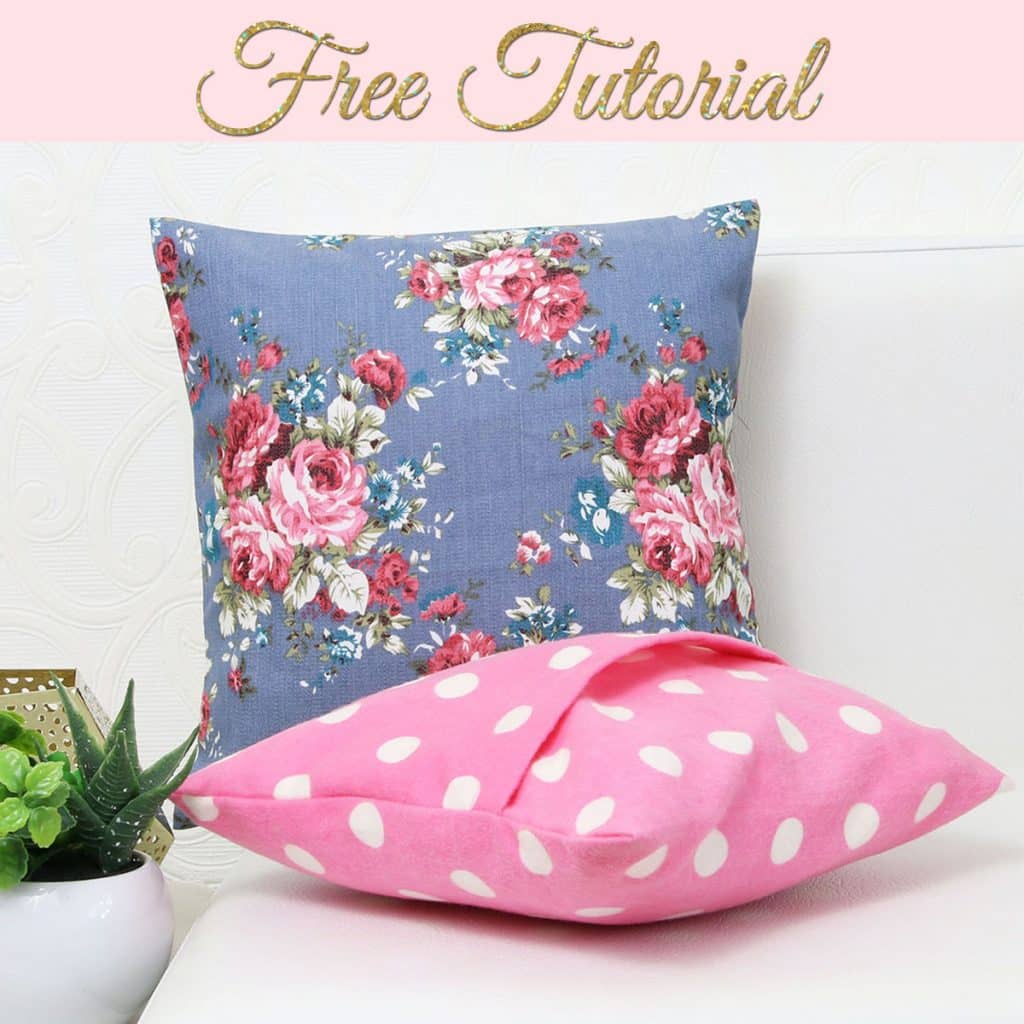
Are you looking to refresh your living space without spending a fortune? Making a decorative pillow cover is an easy and fun way to add a personal touch to your home.
Imagine having a unique pillow that perfectly matches your style and mood. In this guide, you’ll discover simple steps to create your own beautiful pillow covers, even if you’re new to sewing. By the end, you’ll have the skills to turn any plain pillow into a stunning accent piece that draws attention and makes your space feel truly yours.
Ready to get started? Let’s dive in!

Credit: www.exquisitelyunremarkable.com
Materials Needed
Gathering the right materials is key to making a beautiful decorative pillow cover. Choosing quality fabrics and supplies ensures your project looks great and lasts long. Prepare everything before starting to sew for a smooth process.
Fabric Choices
- Cotton: Soft, easy to sew, and widely available.
- Linen: Breathable with a natural texture.
- Velvet: Adds a rich, plush feel.
- Canvas: Durable and sturdy for heavy use.
- Printed fabrics: Bring color and patterns to your pillow.
Sewing Supplies
- Sewing machine or needle for hand stitching.
- Thread matching your fabric color.
- Scissors to cut fabric cleanly.
- Measuring tape or ruler for accuracy.
- Pins or clips to hold fabric pieces together.
- Iron to press seams flat.
Additional Decorations
- Buttons for a classic or playful touch.
- Ribbons or lace for added texture.
- Fabric paint for custom designs.
- Appliques to create shapes or patterns.
- Pompoms or tassels for fun edging.
Preparing The Fabric
Preparing the fabric is a key step in making a decorative pillow cover. It ensures the fabric is the right size and shape. It also helps prevent shrinking or color bleeding after sewing. Taking time to prepare the fabric well leads to a better finished pillow cover.
Measuring And Cutting
Start by measuring your pillow insert to know the fabric size. Add extra inches for seam allowance and hems. Use a ruler or measuring tape for accuracy. Mark the fabric with tailor’s chalk or a fabric pen. Cut the fabric carefully along the marked lines. Straight cuts help the pillow cover fit perfectly.
Pre-washing Tips
Pre-wash the fabric before cutting. This removes dirt, oils, and factory chemicals. It also stops the fabric from shrinking later. Use cold water and mild detergent for gentle washing. Avoid bleach or harsh chemicals. Let the fabric dry flat or hang it. Iron the fabric after drying to smooth wrinkles. This step makes sewing easier and neater.
Basic Sewing Techniques
Mastering basic sewing techniques is key to creating a decorative pillow cover that looks polished and lasts long. These foundational skills help you handle fabric confidently and produce neat, durable seams. Whether you’re new to sewing or refreshing your skills, understanding these techniques will make your project smoother and more enjoyable.
Straight Stitching
Straight stitching is the backbone of most sewing projects. It’s the simplest stitch but requires steady hands and focus to keep the line even and straight. Try practicing on scrap fabric first to get a feel for controlling your sewing machine’s speed and fabric feed.
Keep your fabric aligned with the machine’s guide marks to maintain a consistent seam allowance. This consistency is what gives your pillow cover a clean, professional edge. Have you noticed how a shaky stitch can make even the best fabric look messy? Avoid that by sewing slowly and steady.
Seam Finishing
Seam finishing prevents your fabric edges from fraying and falling apart over time. There are simple ways to finish seams without special tools—like using a zigzag stitch along the raw edges. This technique adds durability and keeps your pillow cover looking neat after many washes.
If you want a cleaner finish, try pinking shears to trim the fabric edges before sewing. The serrated edge reduces fraying naturally. What’s your experience with seam finishing—do you find it tedious or a crucial step for long-lasting projects?

Credit: www.youtube.com
Creating The Pillow Cover
Creating the pillow cover is where your fabric and creativity come together. This part transforms simple cloth into a stylish accent for your space. Focus on precise sewing, adding a practical closure, and finally placing the pillow inside to see your work come alive.
Sewing The Sides
Start by folding the fabric with the right sides facing each other. Pin the edges to keep the fabric from shifting while you sew. Use a straight stitch along three sides, leaving one side open for the closure.
Keep your stitches close to the edge to make the seams strong and neat. If you want extra durability, sew a second line of stitching parallel to the first. Have you noticed how a steady hand makes a big difference in the final look?
Adding A Closure
The open side needs a way to close and open easily. You can sew in a zipper, add buttons, or use Velcro strips. Each option offers different ease and style, so choose what fits your needs best.
Zippers give a clean look and secure fit, but buttons add charm and are easier to replace. Velcro is perfect for quick removals and washes. Think about how often you’ll want to change your pillow cover when picking your closure.
Inserting The Pillow
After finishing the sewing and closure, turn the cover right side out. Push the corners out carefully to get a crisp shape. Then, slide your pillow inside and close it up.
Make sure the pillow fits snugly without being too tight. This helps keep the cover looking full and smooth. How does it feel to see your project take its final form? It’s a simple step but hugely satisfying.
Decorative Touches
Creating a decorative pillow cover is a simple way to brighten any room. Choose fabric you like, cut to size, and sew edges neatly. Add buttons or zippers for easy removal and cleaning.
Decorative touches can transform a simple pillow cover into a piece of art that reflects your personal style. Adding unique elements not only enhances the visual appeal but also gives you an opportunity to experiment with creativity. Whether you fancy a bit of classic elegance or contemporary flair, these ideas will help you achieve a bespoke look for your decorative pillows.Adding Piping Or Trim
Piping or trim can add a professional finish to your pillow cover. Choose a contrasting color to make it pop or go for a subtle shade for a more understated look. When I added piping to my living room pillows, it instantly elevated their appearance. The extra detail around the edges made them look store-bought, even though they were handmade.Using Appliques And Embroidery
Appliques and embroidery offer endless possibilities to personalize your pillow covers. Consider motifs that resonate with your interests or seasonal themes for a fresh touch. If you’ve never tried embroidery, start with a simple design. You might find it surprisingly therapeutic and rewarding, as I did when I stitched a floral pattern onto a plain cover.Attaching Buttons Or Tassels
Buttons and tassels add texture and interest to your pillows. Buttons can be functional or decorative, while tassels add a playful or bohemian vibe. Think about mixing materials—wooden buttons on a linen cover or silk tassels on velvet. When I attached tassels to my bedroom pillows, it created a cozy, inviting atmosphere that I now can’t imagine living without. Have you thought about how these decorative touches could change the feel of a room? Try one or all, and watch how your space transforms with these small yet impactful details.Care And Maintenance
Proper care keeps your decorative pillow cover looking fresh and new. It helps maintain fabric quality and color. Simple maintenance steps prevent damage and extend the pillow cover’s life. Follow easy washing and storage tips for the best results.
Washing Instructions
Check the fabric label before washing your pillow cover. Use cold water to prevent shrinking and color fading. Choose a gentle cycle on the washing machine. Hand washing is best for delicate fabrics like silk or linen.
- Use mild detergent without bleach
- Turn the cover inside out to protect designs
- Avoid overloading the washing machine
- Air dry flat or hang to dry
- Do not wring or twist the fabric
Storage Tips
Store pillow covers in a cool, dry place away from sunlight. Sunlight can fade colors and weaken fabric fibers. Keep covers folded neatly to avoid wrinkles and creases.
- Use breathable fabric bags or cotton pillowcases
- Avoid plastic bags that trap moisture
- Add lavender sachets or cedar blocks to deter pests
- Store covers separately from heavy items to prevent crushing

Credit: www.youtube.com
Frequently Asked Questions
How Do I Choose Fabric For A Decorative Pillow Cover?
Choose fabric based on durability, texture, and style. Cotton and linen are breathable, while velvet adds luxury. Consider the room’s decor and how often the pillow will be used for best results.
What Tools Are Needed To Make A Pillow Cover?
Basic tools include fabric scissors, a sewing machine or needle, pins, measuring tape, and thread. Optional tools are a rotary cutter and iron for precise cuts and neat seams.
How Do I Measure My Pillow For The Cover?
Measure the pillow’s width and height accurately. Add about ½ inch on each side for seam allowance. This ensures the cover fits snugly without being too tight or loose.
Can I Add Zippers Or Buttons To Pillow Covers?
Yes, adding zippers or buttons is common for easy removal. Choose closures that match your fabric and sewing skill level. Zippers offer a sleek look, while buttons add decorative charm.
Conclusion
Creating a decorative pillow cover is simple and fun. Choose your fabric and design carefully. Cut and sew with patience and care. Add your personal touch to make it unique. Small steps lead to beautiful results. Enjoy the comfort and style it brings.
Your room feels fresh and inviting now. Try different colors and patterns next time. Handmade pillow covers brighten any space. Keep practicing and see your skills grow.



