
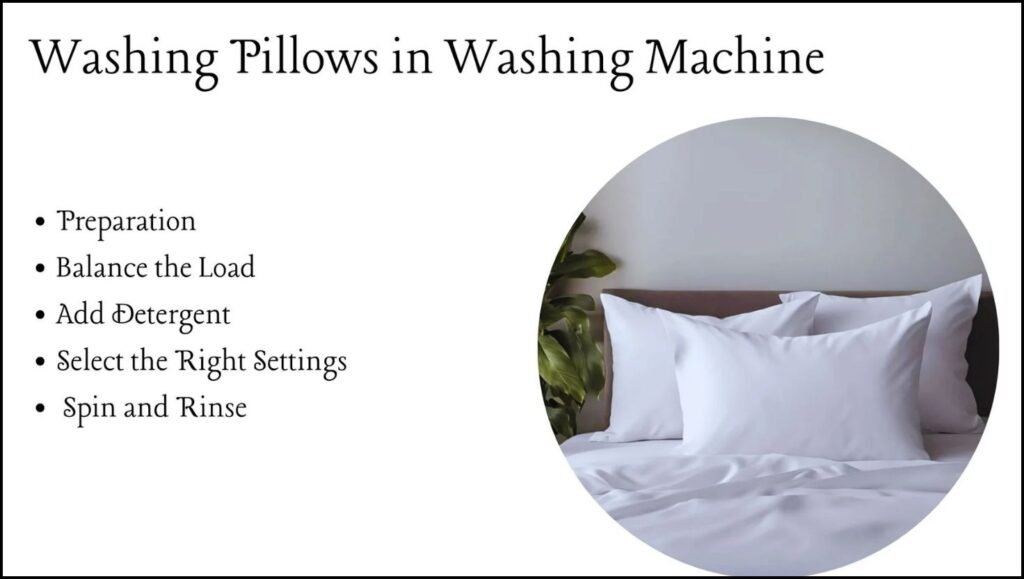
Are you wondering if you can put your decorative pillows in the washer without ruining them? You’re not alone.
Those cozy, stylish pillows add charm to your home, but keeping them fresh and clean can be tricky. What if washing them damages the fabric or stuffing? Before you take the risk, it’s important to know the right way to clean your decorative pillows safely.
Keep reading to discover simple tips that will help you refresh your pillows without any worry.
Types Of Decorative Pillows
Decorative pillows come in a wide range of styles, and understanding the types you have can help you decide if they’re safe to put in the washer. Different materials and fillings react differently to water and agitation. Knowing these details ensures your pillows stay beautiful and last longer.
Fabric Varieties
Decorative pillows can be made from many types of fabrics, each with unique care needs. Common fabrics include:
- Cotton:Durable and usually machine washable, cotton pillows handle regular washing well.
- Linen:Breathable and soft but may shrink or wrinkle if washed improperly.
- Velvet:Luxurious but delicate; washing can damage its texture, so spot cleaning is often better.
- Silk:Elegant but very sensitive to water and detergent; usually requires dry cleaning.
- Polyester:Sturdy and often machine washable, making it a practical choice for frequently used pillows.
Have you checked your pillow’s fabric tag? This simple step can save you from ruining a cherished pillow.
Filling Materials
The filling inside your decorative pillow plays a big role in how it should be cleaned. Common fillings include:
- Down or Feathers:Soft and fluffy but may clump or lose shape if washed too aggressively. Gentle washing and thorough drying are key.
- Polyester Fiberfill:Affordable and washable, but can sometimes get lumpy after washing.
- Foam:Supportive but sensitive to water; usually not suitable for machine washing.
- Memory Foam:Holds shape well but can deteriorate if soaked. Spot cleaning is recommended.
- Natural Fibers (like wool or cotton batting):Breathable but might shrink or felt if washed in hot water.
Think about the last time you washed a pillow—did it come out as good as before? If not, the filling might be the reason.
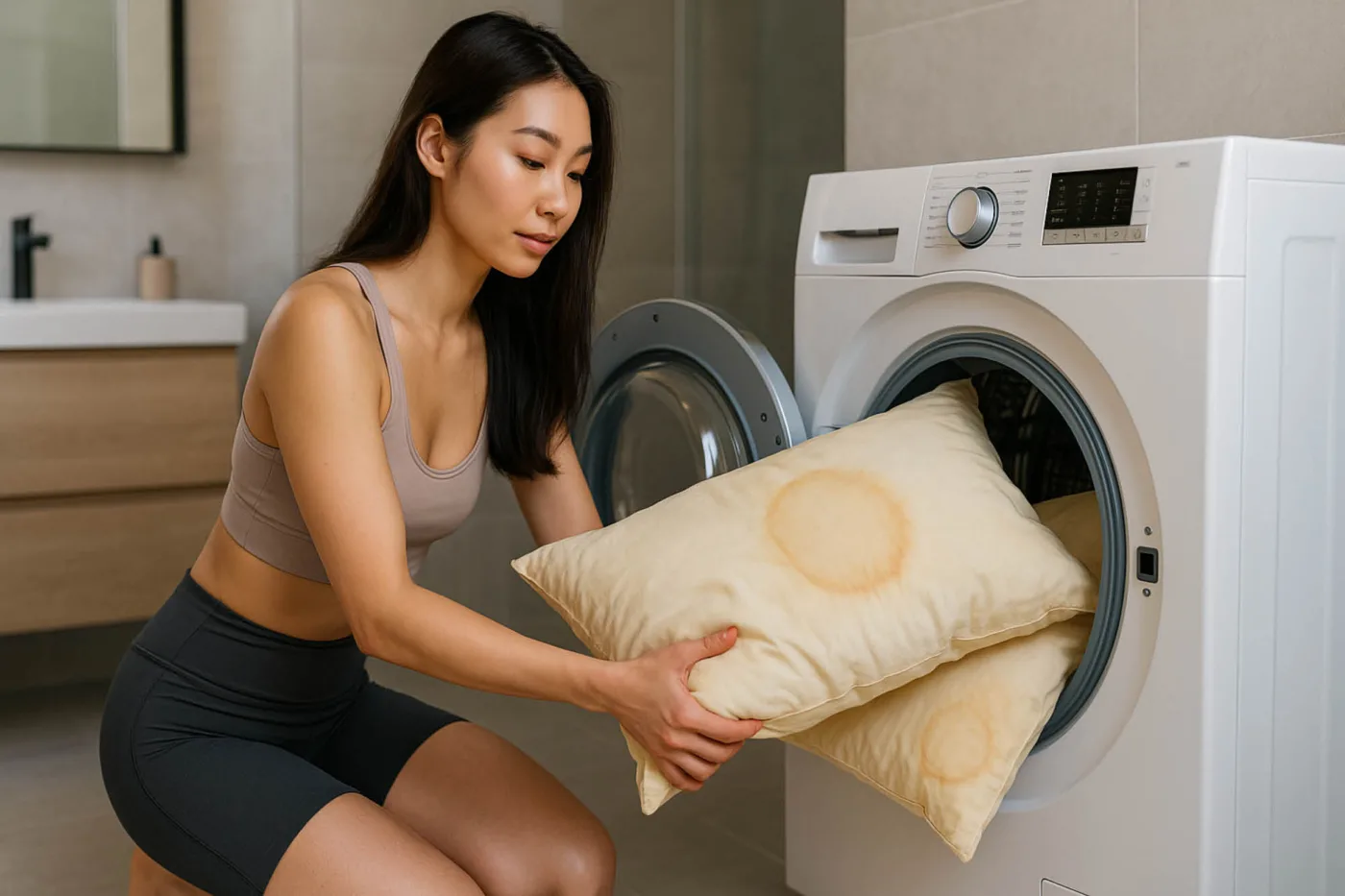
Credit: citymagazine.si
Washer Safety Basics
Before tossing your decorative pillows into the washing machine, understanding washer safety basics is crucial. Not all pillows and washers are created equal, and ignoring this can lead to damaged pillows or even a broken machine. Let’s break down the key factors to keep in mind to protect both your pillows and your washer.
Machine Compatibility
Not every washing machine can handle decorative pillows safely. Front-loading washers are generally gentler and better for bulky items like pillows, while top-loading machines with agitators might be too rough.
Check your washer’s manual to see if it mentions washing pillows or bulky items. If you have a high-efficiency (HE) machine, using too many pillows can throw off the balance and cause errors.
Have you ever tried washing a heavy pillow only to hear banging noises from your machine? That’s often a sign your washer isn’t compatible with that load.
Load Size Considerations
Overloading your washer can damage both your pillows and the machine. Decorative pillows need plenty of room to move around during the wash cycle for thorough cleaning.
A good rule is to wash no more than two pillows at once in a standard-sized machine. Adding towels can help balance the load and cushion the pillows, reducing wear and tear.
Think about your last laundry day. Did you cram too many items in, hoping to save time? That’s a common mistake that often leads to poor cleaning and appliance strain.
Preparation Steps
Preparing decorative pillows for washing helps keep them safe and clean. Proper preparation avoids damage and keeps pillows looking fresh. Follow simple steps before placing pillows in the washer.
Check Care Labels
Look for the care label on each pillow. The label shows if the pillow is machine washable. It also gives washing instructions like water temperature and cycle type. Some pillows may need hand washing or dry cleaning only. Ignoring the label can cause damage or shrinkage.
Remove Covers Or Inserts
Take off any removable covers before washing. Covers and inserts often need different care. Wash covers separately if the label allows. Pillow inserts may need spot cleaning instead of full washing. Separating them prevents damage and helps clean better.
Washing Techniques
Decorative pillows add charm to any space. They also gather dust and dirt. Keeping them clean is essential. Let’s explore washing techniques to maintain their beauty.
Hand Wash Vs Machine Wash
Hand washing offers gentle care. Fill a tub with lukewarm water. Add mild detergent. Submerge the pillow. Gently squeeze and swirl. Rinse thoroughly. Lay flat to dry.
Machine wash is quicker. Use a gentle cycle. Choose cold or warm water. Place pillows in a mesh bag. This prevents damage. Use minimal spin to avoid warping.
Recommended Detergents
Choose mild detergents. They preserve fabric integrity. Avoid bleach and harsh chemicals. They can damage colors and materials. Look for labels stating ‘gentle’ or ‘delicate’.
Water Temperature Tips
Water temperature impacts cleaning. Cold water is best for delicate fabrics. Warm water tackles deeper stains. Avoid hot water. It can shrink or warp pillows.
Always check care labels. Follow specific instructions for each pillow. This ensures longevity and cleanliness.
Drying Methods
Drying decorative pillows properly keeps them fresh and extends their life. Choosing the right drying method depends on the pillow’s material and care label. Avoid rushing the drying process to prevent damage or mildew.
Air Drying
Air drying is the safest way to dry decorative pillows. Spread the pillow out on a clean, flat surface or hang it in a well-ventilated area. Make sure to turn the pillow regularly to help it dry evenly and avoid damp spots.
Sunlight can help remove odors and kill bacteria. Avoid direct sunlight on delicate fabrics as it may fade colors. Air drying takes longer but protects the pillow’s shape and fabric.
Using A Dryer Safely
Using a dryer can speed up the drying process but requires caution. Set the dryer to a low heat or air fluff setting to avoid shrinking or melting synthetic fibers. Adding clean tennis balls or dryer balls helps keep the filling fluffy and prevents clumping.
Check the pillow every 10 to 15 minutes to avoid overheating. Remove the pillow while it is still slightly damp and let it finish drying in the air. This method balances speed with care.
Common Mistakes To Avoid
Washing decorative pillows can seem simple, but many people make mistakes that damage their favorite cushions. Knowing what to avoid helps keep your pillows looking fresh and lasting longer. Let’s look at some common errors and why they matter.
Overloading The Washer
Putting too many pillows in the washer at once can cause several problems. The machine won’t have enough space to clean the pillows thoroughly, leaving dirt trapped inside. Overloading also strains the washer, which might lead to uneven spinning or damage to the machine.
Think about your last laundry load—did you cram everything in? It’s better to wash fewer pillows at a time and give them room to move around. This way, each pillow gets a proper rinse and spin cycle.
Ignoring Stains
Many people toss pillows into the washer without treating stains first. This mistake can cause stains to set deeper during the wash. If you spot any marks, take a moment to apply a gentle stain remover or a little detergent directly on the stain before washing.
Have you ever washed a pillow and noticed the stain didn’t disappear? That’s often because it wasn’t pre-treated. Addressing stains early improves the chances of a spotless, refreshed pillow after washing.
Alternatives To Machine Washing
Sometimes, washing decorative pillows in your machine isn’t the best choice. These pillows can be delicate, and machine washing might ruin their fabric or stuffing. Luckily, there are effective alternatives that help keep your pillows fresh without risking damage.
Spot Cleaning
Spot cleaning is a quick way to deal with small stains or spills. Use a mild detergent mixed with water and apply it gently to the affected area with a soft cloth or sponge.
Blot the stain instead of rubbing it to avoid spreading the dirt. After cleaning, let the pillow air dry completely before using it again. This method saves time and prevents unnecessary wear on your pillows.
Professional Cleaning Services
If your pillows have stubborn stains or are made of delicate materials like silk or velvet, professional cleaning is a smart option. Experts use specialized techniques that protect the fabric and filling.
Consider professional cleaning if your pillow has sentimental value or intricate designs that you don’t want to risk damaging. Have you ever tried sending a pillow to a cleaner? It might surprise you how much longer your decorative pillows can last with this care.
:max_bytes(150000):strip_icc()/SPR-how-to-get-musty-sweat-smell-out-of-pillows-11783165-recirc-af37346ec6844fd98cfa65ae7dd068fc.jpg)
Credit: www.thespruce.com

Credit: www.wikihow.com
Frequently Asked Questions
Can All Decorative Pillows Be Washed In A Washer?
Not all decorative pillows are washer-safe. Check the care label for washing instructions. Some pillows require spot cleaning or dry cleaning to avoid damage.
How To Safely Wash Decorative Pillows In A Washing Machine?
Use a gentle cycle with cold water and mild detergent. Place pillows in a mesh laundry bag to protect them during washing.
Can Washing Decorative Pillows Damage Their Shape Or Filling?
Yes, washing can damage delicate fillings and alter the pillow’s shape. Use gentle cycles and air dry to maintain structure.
How Often Should Decorative Pillows Be Washed?
Wash decorative pillows every 3 to 6 months or when visibly dirty. Regular cleaning keeps them fresh and allergen-free.
Conclusion
Decorative pillows can often go in the washer, but check the label first. Some need gentle cycles or hand washing to stay safe. Use mild detergent and cold water to protect colors and fabric. Dry pillows completely to avoid mold or smells.
Taking these steps helps keep pillows fresh and looking nice. Cleaning your pillows this way saves money and keeps your home cozy. Small care makes a big difference in pillow life. Simple and careful washing works best every time.



