
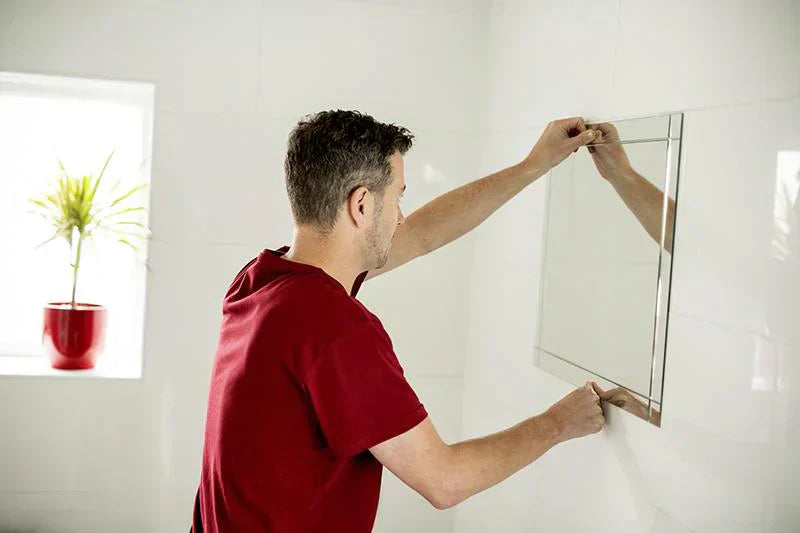
Hanging a mirror on your wall might sound simple, but getting it just right can change the whole look and feel of your room. You want it to be secure, straight, and perfectly placed to catch the light and open up your space.
If you’ve ever struggled with crooked mirrors or worried about damage to your walls, this guide is made for you. Keep reading, and you’ll discover easy, step-by-step tips that make hanging your mirror quick, safe, and stress-free. By the end, you’ll have the confidence to transform any wall with a beautiful mirror that fits your style perfectly.
Credit: www.melanielissackinteriors.com
Choose The Right Mirror
Choosing the right mirror is the first step to hanging it perfectly on your wall. A suitable mirror enhances the room’s look and fits your space well. It also ensures safety and ease during installation.
Consider Size And Style
Pick a mirror size that matches your wall space. A too-large mirror can overwhelm the room. A small mirror may look lost on a big wall.
Think about the room’s style. Modern rooms suit simple, clean-lined mirrors. Traditional rooms work well with ornate or vintage frames. Match the mirror’s frame to your furniture and décor.
Select Mirror Weight
Know your mirror’s weight before hanging it. Heavy mirrors need stronger wall anchors. Light mirrors can be hung with basic hooks.
Check the mirror’s packaging or label for weight details. Use suitable hardware to hold the mirror safely on the wall. This prevents damage and accidents.
Pick The Best Location
Choose a wall that gets enough light and fits the room’s style. Avoid spots with direct sunlight to protect the mirror’s surface. Place it at eye level for easy use and good reflection.
Finding the perfect spot for your mirror can transform a room, reflecting both natural light and your unique style. Selecting the right location isn’t just about aesthetics; it’s also about practicality. A well-placed mirror can make a small space feel larger and improve the overall ambiance of your home. But how do you determine the ideal spot for your mirror?Find Ideal Height
Height is crucial when hanging a mirror. Hanging it too high or too low can disrupt the visual flow of a room. Typically, the center of the mirror should be at eye level, around 57 to 65 inches from the floor. However, consider who will use the mirror most often. If it’s in a child’s room, for example, you might want to hang it lower. Remember, a mirror above furniture like a sofa or console table should have its bottom edge about 6 to 8 inches above the furniture. This creates a harmonious balance and ensures the mirror is both functional and stylish.Check Wall Material
Before you start drilling, understand your wall’s material. Different materials require different hanging methods. If your wall is drywall, you might need anchors to support the mirror’s weight. On the other hand, brick or concrete walls might require special masonry screws or a drill with a masonry bit. Have you considered what tools you will need? A stud finder can be invaluable for locating the best spot in drywall, while a level ensures your mirror hangs straight. Investing time to understand your wall type can prevent potential mishaps and ensure your mirror stays securely in place.Gather Necessary Tools
Before you hang a mirror on the wall, gathering the right tools makes the job smoother and safer. Having everything ready helps you avoid frustrating trips to the hardware store in the middle of the task. Plus, the right tools ensure your mirror stays securely in place.
Essential Hardware
Start by collecting the hardware that will hold your mirror firmly. Depending on the mirror’s weight and wall type, you might need:
- Wall anchors:These provide extra support for heavy mirrors, especially on drywall.
- Screws:Choose screws long enough to go into the studs or anchors securely.
- D-rings or mirror clips:These attach to the back of the mirror and hook onto the screws.
- Picture wire:Useful if your mirror has hooks for hanging.
Think about the size and weight of your mirror. Have you checked if your wall needs special anchors? Missing this detail might cause your mirror to fall and break.
Helpful Measuring Tools
Measuring tools ensure your mirror hangs exactly where you want it without guesswork. Essential items include:
- Tape measure:For precise height and width measurements.
- Level:To keep your mirror perfectly straight. A crooked mirror can ruin your room’s look.
- Pencil:To mark spots on the wall without permanent damage.
- Stud finder:Helps locate studs behind drywall, giving your mirror strong support.
Have you ever hung a picture only to realize it was off-center? Using these measuring tools prevents that disappointment and saves time.
Prepare The Wall
Preparing the wall is a key step before hanging any mirror. It ensures the mirror stays secure and looks great. Taking time to prepare the wall helps avoid damage and keeps the mirror stable over time.
Clean Surface
Start by cleaning the wall where the mirror will hang. Dust and dirt can stop hooks or nails from sticking properly. Use a damp cloth or mild cleaner to wipe the area. Let the wall dry completely before moving on. A clean surface means better grip and safer hanging.
Mark Hanging Points
Next, find the exact spots to place the hooks or nails. Measure the mirror’s width and height carefully. Use a pencil to mark points on the wall. These marks guide you to hang the mirror evenly. Double-check the marks by holding the mirror up to the wall. This avoids crooked or uneven hanging.
Install Hanging Hardware
Installing the right hanging hardware is crucial to keep your mirror secure and your wall damage-free. Choosing the appropriate fixtures depends on your wall type and mirror weight. Let’s look at how to prepare your wall and add the hardware that will hold your mirror safely in place.
Use Anchors For Drywall
Drywall alone can’t support heavy mirrors, so anchors are essential. These spread the mirror’s weight across a larger area, preventing the wall from crumbling. You can pick from plastic expansion anchors, toggle bolts, or molly bolts depending on the mirror’s weight.
Start by drilling a pilot hole slightly smaller than the anchor. Then, gently tap the anchor into place until it’s flush with the wall surface. Have you checked the weight limit on your anchors? It’s easy to assume all anchors are the same, but matching them to your mirror’s weight makes a big difference.
Secure Hooks Or Brackets
Once anchors are ready, attach your hooks or brackets firmly. Use a screwdriver or drill to tighten screws into the anchors, ensuring no wiggle room. Loose hooks can cause your mirror to fall, so double-check their stability before hanging.
If your mirror has D-rings or wire, choose hooks designed to hold those securely. For mirrors with a flat back, brackets or cleats offer more support. Think about the shape and size of your mirror—does the hardware fit its specific hanging mechanism? This simple detail often gets overlooked but is key to a secure setup.
Hang The Mirror
Hanging a mirror on your wall is more than just placing a reflective surface—it’s about adding depth and light to your space. Getting it right means your mirror stays secure and looks perfect. Let’s focus on the actual hanging process to make sure your mirror is both safe and stylish.
Align And Place
Start by holding the mirror against the wall where you want it. Take a moment to step back and see if the position feels balanced with other items in the room. Ask yourself: Does it complement the furniture and lighting?
Use a pencil to lightly mark the top corners or the hanging points on the wall. If your mirror has D-rings or wire, measure the distance between them and mark those spots precisely. This small step prevents mistakes and keeps your mirror centered.
Check Level
Before drilling or hammering, grab a level tool. Place it on the top edge of the mirror or where the mirror will hang. Ensuring it’s perfectly horizontal will avoid a crooked reflection—something that can annoy you every time you walk by.
If you don’t have a level, your smartphone’s built-in level app works just as well. Adjust the marks as needed until the bubble sits right in the middle. This simple check can save you from redoing holes and damaging your wall.
Adjust For Perfect Placement
Adjusting a mirror for perfect placement ensures it looks great and stays secure. Small changes can make a big difference in how the mirror fits the room. Taking time to fine-tune its position helps create balance and harmony on the wall. Proper adjustment also prevents damage and keeps the mirror safe for years.
Fine-tune Position
Step back and view the mirror from different angles. Check if it aligns well with furniture and room features. Use a level to confirm it hangs straight. Slight shifts can improve symmetry and visual appeal. Move the mirror left or right by small amounts. Adjust the height to suit eye level or room size. These tweaks create a polished, well-placed look.
Ensure Stability
Test the mirror’s hold by gently pressing on the frame. Ensure the hooks or brackets grip the wall securely. Tighten any loose screws or fasteners. Use wall anchors for heavy or large mirrors to increase support. Double-check the weight limit of hooks or hangers. A stable mirror prevents accidents and keeps your wall safe.

Credit: www.rjliving.com.au

Credit: www.rjliving.com.au
Frequently Asked Questions
How Do You Choose The Right Mirror Hanging Hardware?
Select hardware based on mirror weight and wall type. Use anchors for drywall and screws for studs. Heavy mirrors need sturdy hooks or brackets. Always check weight limits on packaging for safety.
What Tools Are Needed To Hang A Mirror Securely?
You need a drill, level, measuring tape, pencil, and appropriate screws or hooks. A stud finder helps locate wall studs. These tools ensure accurate, safe, and secure mirror installation.
How High Should A Mirror Be Hung On The Wall?
Hang a mirror so its center is at eye level, typically 57-60 inches from the floor. Adjust height based on room function and furniture placement for the best visual effect.
Can You Hang A Mirror On Drywall Without Studs?
Yes, use wall anchors or toggle bolts designed for drywall. These provide strong support without studs. Avoid nails or regular screws, as they may not hold the mirror securely.
Conclusion
Hanging a mirror on the wall is simple with the right tools. Measure carefully and choose the best spot. Use strong hooks or anchors to keep it secure. Check the mirror’s level before you finish. A well-hung mirror adds light and space to any room.
Take your time and follow these easy steps. Soon, your mirror will look perfect and stay safe. Ready to try it yourself?



