
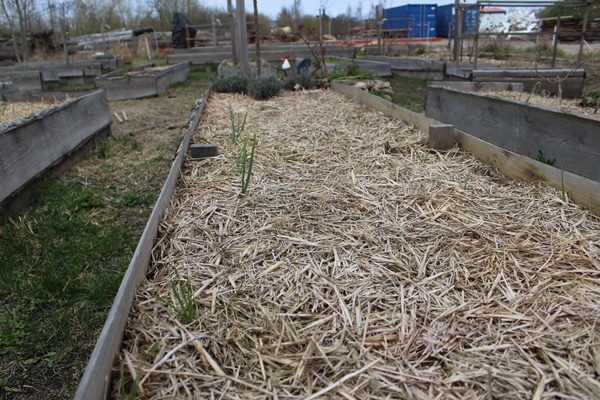
Are you ready to grow fresh, tasty onions right in your backyard? Planting onion sets in raised beds is one of the easiest and most effective ways to get a great harvest.
Whether you’re new to gardening or looking to improve your skills, this simple method can save you time and effort. In this guide, you’ll discover step-by-step how to prepare your raised bed, plant your onion sets correctly, and care for them so they thrive.
Keep reading, and soon you’ll be enjoying homegrown onions that add flavor and freshness to every meal.
Choosing The Right Onion Sets
Choosing the right onion sets is a key step for a healthy onion harvest in raised beds. The type and quality of sets impact growth speed and bulb size. Good sets ensure strong plants and reduce problems like rotting or poor yields. This section explains the different types of onion sets and what to look for when selecting bulbs.
Types Of Onion Sets
Onion sets come in three main types. Each type suits different growing conditions and timelines.
- Yellow Onion Sets:Common and versatile. Great for cooking and long storage.
- Red Onion Sets:Known for mild flavor and color. Ideal for salads and fresh use.
- White Onion Sets:Have a sharp taste. Often used in Mexican and Asian dishes.
Choose sets based on your taste preference and climate. Some sets grow better in cooler weather, while others thrive in warmth.
Selecting Quality Bulbs
Pick firm onion sets without soft spots or mold. Avoid any with cracks or signs of sprouting already.
Look for bulbs that are small to medium size. Too large can delay growth and cause splitting. Very tiny sets might not grow well.
Healthy sets have dry, papery skins. This skin protects the bulb until planting. Avoid sets that feel wet or slimy.
Buy from a trusted supplier to get disease-free sets. Inspect bulbs carefully before planting.
Credit: www.seattleurbanfarmco.com
Preparing Raised Beds
Preparing raised beds is a key step for growing healthy onions. It ensures proper soil conditions and good drainage. A well-prepared bed helps onion sets grow strong and produce big bulbs. Focus on soil quality and bed design to give onions the best start.
Soil Requirements
Onions prefer loose, well-drained soil. The soil should be rich in organic matter. Avoid heavy clay or waterlogged soils. Aim for a soil pH between 6.0 and 7.0. Add compost or aged manure to boost nutrients. Mix soil thoroughly for even texture and fertility. Good soil helps roots spread and bulbs grow evenly.
Bed Construction Tips
- Choose a sunny spot for your raised bed.
- Build beds 6 to 12 inches high for good drainage.
- Use untreated wood, bricks, or stone for the frame.
- Make beds at least 3 feet wide to reach inside easily.
- Leave paths between beds for access and air flow.
- Ensure the bed is level to prevent water pooling.
Planting Onion Sets
Raised beds offer loose soil that helps onion sets grow strong roots quickly. Plant sets about one inch deep and space them three to four inches apart for best growth. Keep soil moist and watch green shoots appear in a few weeks.
Planting onion sets in raised beds is a rewarding gardening task, offering fresh onions right from your backyard. These small bulbs are less time-consuming than starting onions from seeds and can be perfect for gardeners looking for a quick crop turnaround. Whether you’re a seasoned gardener or a newcomer, understanding the optimal time to plant, the right spacing, and planting depth can significantly enhance your harvest.Optimal Planting Time
Timing is crucial for planting onion sets. You should aim to plant them in early spring as soon as the soil is workable. The ground should not be frozen, and it’s best to wait until the last frost has passed for optimal growth. In some regions, fall planting is also an option, allowing onions to develop a strong root system before winter. This can lead to an earlier harvest in spring. Always consider your local climate and weather patterns to choose the best planting season.Spacing And Depth Guidelines
Proper spacing ensures that onions have enough room to grow without competing for nutrients. Plant each onion set about 4 inches apart in all directions. This spacing allows for adequate airflow and reduces the risk of fungal diseases. When it comes to depth, plant onion sets about 1 inch deep in the soil. Ensure that the pointed end faces upwards, as this will be where the shoots emerge. Cover them lightly with soil, but don’t bury them too deep, as this can hinder their growth. Have you ever noticed how some onions in the grocery store are much larger than others? The secret often lies in giving them enough space and the right conditions to grow. Pay attention to these details, and you might be surprised at how well your onions thrive in raised beds.Caring For Onion Sets
Caring for onion sets in raised beds is essential to ensure healthy growth and a bountiful harvest. Your attention to watering, fertilizing, and weed control directly impacts the size and quality of your onions. These tasks may seem simple, but they require consistency and observation to get right.
Watering Schedule
Onions need steady moisture, especially during the early stages of growth. Water your raised beds deeply once or twice a week, depending on rainfall and soil type. Avoid overwatering—soggy soil can cause bulbs to rot and stunt development.
Check the soil by sticking your finger about an inch deep; if it feels dry, it’s time to water. Early morning watering helps reduce evaporation and allows leaves to dry, lowering the risk of disease. Have you noticed how your onions react to different watering patterns? Adjust accordingly.
Fertilizing Tips
Onions thrive in nutrient-rich soil. Use a balanced fertilizer high in nitrogen during the first few weeks to encourage leafy growth. Once bulbs start forming, switch to a fertilizer with more phosphorus and potassium to support bulb development.
- Apply fertilizer every 3-4 weeks.
- Use organic options like compost or well-rotted manure for steady nutrient release.
- Avoid over-fertilizing; too much nitrogen can lead to excessive leaf growth with small bulbs.
Have you tried side-dressing your onions with fertilizer? It’s a great way to feed them without disturbing roots.
Weed Control
Weeds compete with onion sets for water and nutrients, so keeping your raised bed free of weeds is crucial. Hand-pulling is the safest method to avoid damaging shallow onion roots. Mulching with straw or shredded leaves helps suppress weeds and retains soil moisture.
Regularly inspect your beds and remove any weeds as soon as they appear. Do you find mulching makes a noticeable difference in your garden’s health? It’s a simple trick that saves time and effort in the long run.
Harvesting And Storage
Harvesting and storing onions properly ensures they last longer and taste better. Timing the harvest right keeps the onions fresh and prevents spoilage. Handling the bulbs gently during harvest protects them from damage. Proper storage extends the shelf life and maintains quality.
Signs Of Readiness
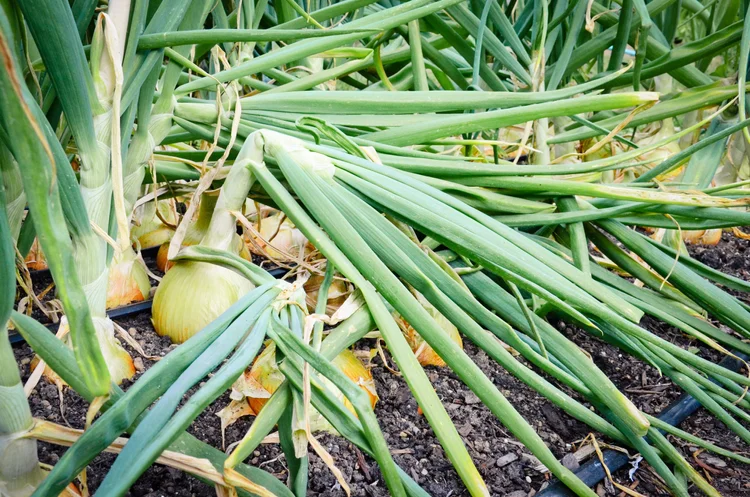
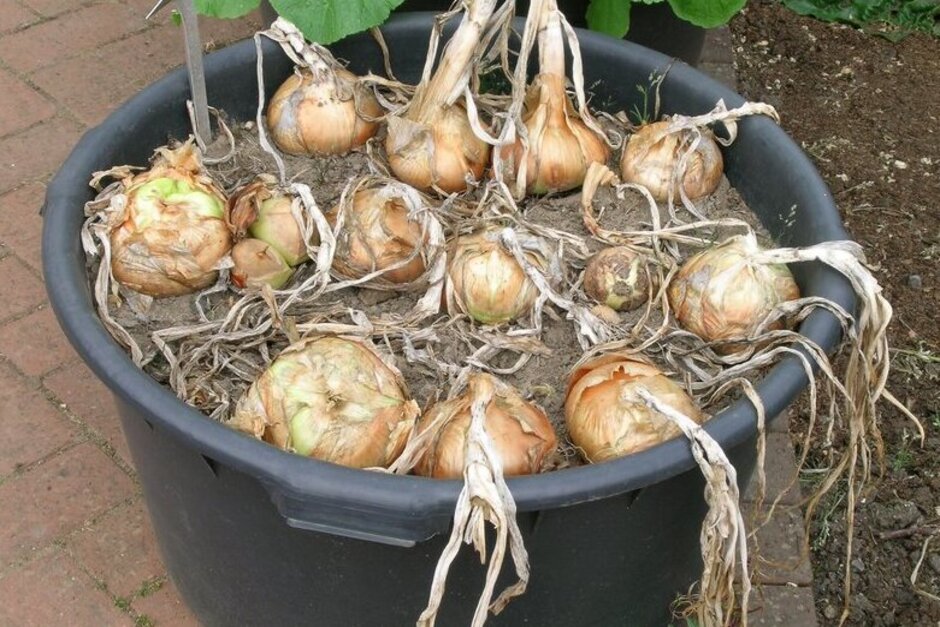
Onions are ready to harvest when their tops turn yellow and start to fall over. The bulbs should be large and firm to the touch. Dry, papery skins indicate the onions have matured fully. Avoid harvesting too early to prevent small or weak bulbs.
Proper Harvest Techniques
Loosen soil around the onions with a garden fork to avoid damage. Gently lift the bulbs from the raised bed without pulling the tops forcefully. Shake off excess soil but keep the roots intact. Leave onions on the soil surface for a few days to dry in the sun.
Storing Onions
Store onions in a cool, dry, and well-ventilated area. Avoid plastic bags to prevent moisture buildup and mold. Use mesh bags, crates, or baskets for better air circulation. Keep onions away from potatoes to stop sprouting and rotting. Check stored onions regularly and remove any soft or damaged bulbs.

Credit: allotmentjunkie.co.uk
Troubleshooting Common Issues
Troubleshooting common issues helps keep onion sets healthy and productive. Raised beds offer great growing conditions but some problems can still occur. Knowing how to handle pests and diseases is important. Early action prevents damage and saves your crop.
Pest Management
Onion sets attract pests like onion maggots, thrips, and aphids. These insects feed on leaves and bulbs, weakening the plants. Watch for small holes, discoloration, or sticky residue on leaves.
- Use insecticidal soap or neem oil to control pests naturally.
- Introduce beneficial insects like ladybugs to eat aphids.
- Keep the bed clean of weeds and debris that hide pests.
- Rotate crops to reduce pest buildup in the soil.
Disease Prevention
Onions can suffer from fungal and bacterial diseases such as downy mildew and neck rot. These diseases cause yellowing, wilting, or soft spots on the bulbs. Prevent disease with good practices.
- Plant sets in well-drained soil to avoid waterlogging.
- Space onions properly for air circulation around plants.
- Avoid overhead watering to reduce moisture on leaves.
- Remove and destroy infected plants immediately.
- Use disease-resistant onion varieties when possible.
Credit: www.rhs.org.uk
Frequently Asked Questions
How Deep Should I Plant Onion Sets In Raised Beds?
Plant onion sets about 1 inch deep in raised beds. Ensure the pointed tip faces upward for proper growth. Cover with soil and water lightly to encourage root development.
When Is The Best Time To Plant Onion Sets?
Plant onion sets in early spring, about 4-6 weeks before the last frost. This timing allows onions to establish before warmer weather arrives, promoting healthy growth.
How Far Apart Should Onion Sets Be Spaced?
Space onion sets 4-6 inches apart in raised beds. Proper spacing ensures good air circulation and bulb development, reducing the risk of disease.
What Soil Type Is Best For Growing Onions In Raised Beds?
Onions prefer loose, well-draining soil rich in organic matter. Raised beds with loamy soil help maintain moisture and provide nutrients for strong onion growth.
Conclusion
Planting onion sets in raised beds can bring great results. Raised beds offer good soil drainage and warmth. This helps onions grow strong and healthy. Remember to space sets properly for better bulb size. Water regularly but avoid overwatering to prevent rot.
Keep weeds away to reduce competition for nutrients. With simple care, you can enjoy fresh onions from your garden. Start small and learn as you go. Growing onions this way is easy and rewarding. Give it a try and watch your garden thrive.



