
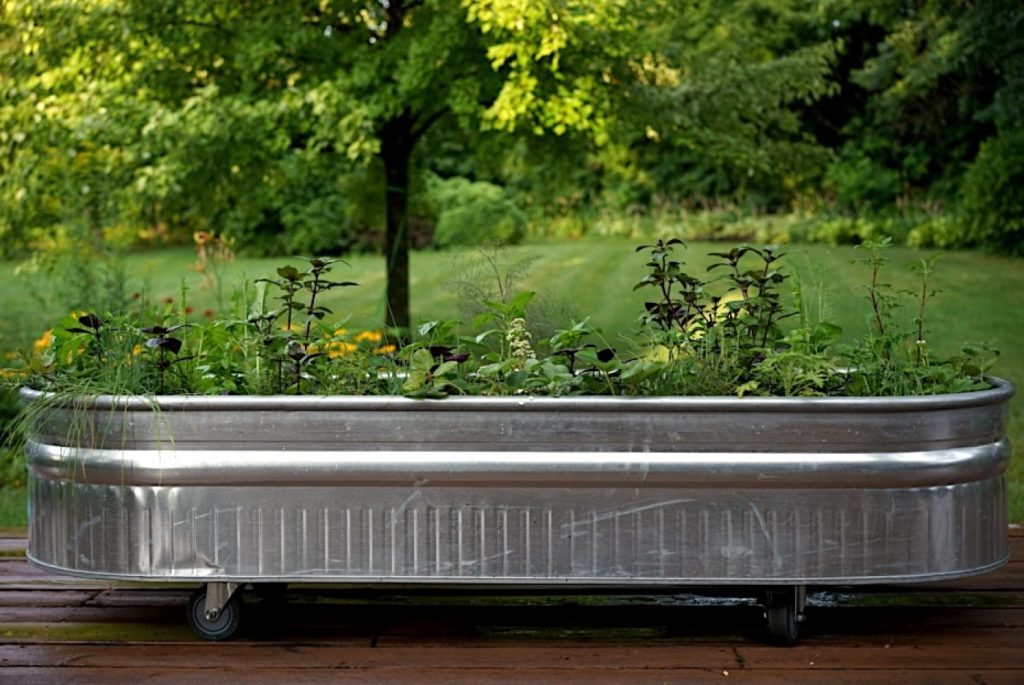
Are you ready to take your gardening to the next level? Setting up raised garden beds is one of the easiest ways to grow healthier plants, reduce weeds, and enjoy a more organized garden space.
Whether you have limited space, poor soil, or just want a garden that looks neat and tidy, raised beds can make a big difference. In this guide, you’ll discover simple steps to build your own raised garden beds quickly and effectively.
By the end, you’ll feel confident to start planting and watch your garden thrive like never before. Keep reading to unlock the secrets of a successful raised garden bed setup!
Benefits Of Raised Garden Beds
Raised garden beds offer many advantages that can transform your gardening experience. They create a controlled environment where you can grow healthier plants with less hassle. Understanding these benefits helps you decide if raised beds are the right choice for your garden.
Improved Soil Quality
With raised beds, you control the soil mix from the start. This means you can add nutrient-rich compost and avoid poor native soil. I once switched to raised beds after struggling with clay-heavy ground, and my plants thrived within weeks.
Good soil boosts root growth and increases yields. You can tailor the soil to specific plants, making your garden more productive.
Better Drainage
Raised beds naturally drain better than in-ground gardens. Excess water flows out easily, preventing root rot and waterlogging. This is especially helpful if your garden is in a low-lying or rainy area.
Have you noticed how some plants wilt even when the soil feels wet? Better drainage in raised beds helps avoid this problem and keeps your plants healthy.
Easier Maintenance
Gardening in raised beds reduces bending and kneeling, making it easier on your back and knees. You can reach plants comfortably and manage weeds more efficiently.
Raised beds also allow you to organize your garden neatly, saving time and effort. When I started using them, I found myself enjoying gardening more because the work felt lighter and quicker.
Pest Control Advantages
Raised beds create a physical barrier that can reduce pests like slugs and snails. You can also add protective covers more easily to keep out larger animals.
Because the soil is fresh and separate, it’s less likely to harbor diseases or pests from surrounding ground. Have you ever battled persistent garden pests? Raised beds might be the simple solution you need.
Choosing The Right Location
Choosing the right location for raised garden beds is crucial for healthy plant growth. The location impacts sunlight, soil quality, and ease of care. Careful selection helps plants thrive and reduces maintenance efforts.
Assessing Sunlight Exposure
Most vegetables need at least six hours of direct sunlight daily. Observe the area throughout the day to note sun patterns. Avoid spots shaded by trees, buildings, or fences. South-facing locations often receive the best light.
Considering Soil Drainage
Good drainage prevents water from pooling around plant roots. Check the soil by digging a small hole and filling it with water. If water drains within a few hours, the soil drains well. Avoid low spots that stay wet after rain.
Accessibility And Space
Place beds where you can easily reach all sides without stepping inside. Leave enough space for walking paths and garden tools. Consider nearby water sources for easy irrigation. Ensure the location fits your garden size and future plans.
Selecting Materials For Frames
Choosing sturdy materials like cedar or composite wood helps frames last longer. Avoid treated wood to keep soil and plants safe. Proper frame material supports healthy plant growth and easy garden maintenance.
Setting up raised garden beds is a rewarding task. A crucial step is selecting the right materials for the frames. The frame materials impact durability and aesthetics. They also influence the overall cost. Below, we explore various material options to help you decide.Wood Options
Wood is a popular choice for garden bed frames. It’s natural and blends well with outdoor spaces. Cedar and redwood are great for their resistance to rot and insects. Pine is affordable but needs treatment to last longer. Make sure to choose untreated wood for an organic garden. Treated wood can leach chemicals into the soil.Metal And Plastic Alternatives
Metal frames offer a modern look and last long. They resist weather better than some woods. Galvanized steel and aluminum are common metal choices. They are strong and low-maintenance. Plastic, like recycled HDPE, is another option. It’s lightweight and easy to install. Plastic won’t rot or rust, making it durable.Recycled Materials
Using recycled materials is eco-friendly. Old bricks or cinder blocks can work well. They add a rustic charm to your garden. Pallets are another choice for DIY enthusiasts. Ensure they are safe for garden use. Check for any harmful chemicals before using recycled wood. Recycling keeps costs low and reduces waste.
Credit: migardener.com
Building The Raised Beds
Building raised garden beds is an important part of starting your garden. It creates a controlled space for your plants. The process is simple and rewarding. The right construction helps your garden last longer. Use quality materials and careful assembly for best results.
Measuring And Cutting Materials
Start by measuring the space for your bed. Decide the length, width, and height. Use a tape measure for accuracy. Mark the wood pieces clearly with a pencil. Cut the boards using a saw. Make sure cuts are straight and smooth. Sand the edges to avoid splinters.
Assembling The Frame
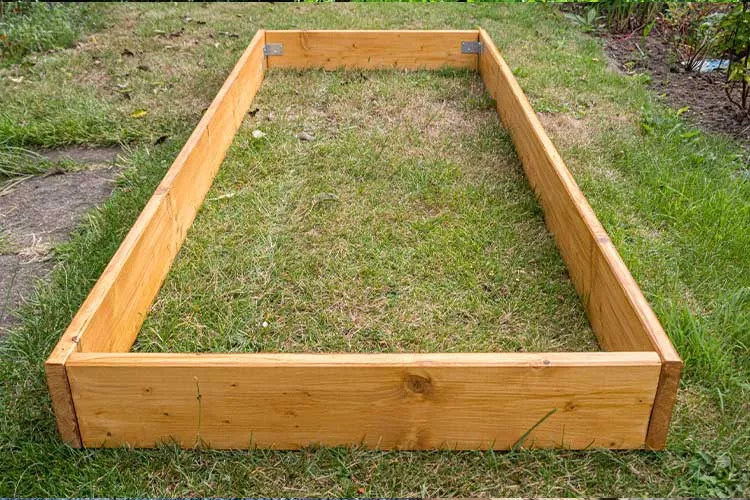
Arrange the cut wood to form a rectangle or square. Align the corners carefully. Use screws or nails to connect the boards. Pre-drill holes to prevent wood from splitting. Check the frame for squareness using a carpenter’s square. Tighten all fasteners securely to make a strong frame.
Securing The Bed In Place
Place the frame in your chosen garden spot. Level the ground underneath to prevent tilting. Use a spirit level to check. Secure the bed by driving stakes into the ground at corners. Attach the stakes to the frame for extra stability. This keeps the bed steady during weather changes.
Filling The Beds With Soil
Filling raised garden beds with the right soil is key to plant health. Good soil holds water, drains well, and provides nutrients. Avoid using soil directly from your yard. It may be heavy or full of weeds. Instead, prepare a soil mix that supports strong root growth and vibrant plants.
Choosing The Right Soil Mix
Use a light, well-draining soil mix. A good mix contains:
- Topsoil for structure
- Peat moss or coconut coir for moisture retention
- Perlite or vermiculite for aeration
This blend keeps the soil loose and easy for roots to grow. Avoid heavy clay soil as it holds too much water.
Adding Compost And Amendments
Compost adds nutrients and improves soil texture. Mix in rich, organic compost until the soil looks dark and crumbly. Add amendments like:
- Bone meal for phosphorus
- Blood meal for nitrogen
- Wood ash for potassium
These help plants grow strong and healthy. Use natural amendments to keep the garden eco-friendly.
Layering For Optimal Growth
Layering soil in the bed improves drainage and root access. Start with coarse materials at the bottom, like:
- Small branches or straw
- Shredded leaves
Next, add your prepared soil mix and compost. This structure allows water to drain while keeping nutrients near roots. Fill the bed to just below the top edge for easy watering.

Credit: www.sproutboxgarden.com
Planting In Raised Beds
Planting in raised beds transforms your garden into a vibrant, productive space. The controlled environment allows you to tailor soil, light, and water conditions precisely. This section will help you choose the right plants, organize them efficiently, and keep them well-watered for the best results.
Selecting Suitable Plants
Not every plant thrives in raised beds, so pick those that suit your climate and soil type. Leafy greens like lettuce and spinach do well because they grow quickly and need less space. Root vegetables such as carrots and radishes also benefit from loose, well-drained soil in raised beds.
Consider companion planting to maximize space and improve pest control. For example, planting basil alongside tomatoes can enhance growth and flavor. Have you thought about growing herbs or flowers that attract pollinators? These can boost your entire garden’s productivity.
Spacing And Arrangement Tips
Proper spacing prevents overcrowding, which can lead to poor air circulation and disease. Use the seed packet or plant label as a guide for spacing requirements. For instance, tomatoes need about 18-24 inches between plants, while radishes can be closer.
- Place taller plants like tomatoes or beans on the north side to avoid shading shorter ones.
- Group plants with similar water and sunlight needs together.
- Leave pathways or small gaps for easy access and maintenance.
Think about how your plants will grow over time. Will they spread out or grow vertically? Planning this helps you avoid future crowding and makes harvesting easier.
Watering Techniques
Raised beds dry out faster than ground-level gardens, so consistent watering is crucial. Drip irrigation systems work great because they deliver water directly to the roots and reduce waste. You can also use soaker hoses or water early in the morning to minimize evaporation.
Check moisture levels regularly by feeling the soil a couple of inches down. If it feels dry, it’s time to water. Overwatering can harm plants just as much as underwatering, so aim for even, moderate moisture.
Have you tried mulching your raised beds? Mulch helps retain moisture and keeps soil temperature steady, reducing how often you need to water. It’s a simple trick that makes a big difference in plant health.
Maintaining Raised Garden Beds
Maintaining raised garden beds is key to a healthy and productive garden. Consistent care helps plants grow strong and yields better harvests. Focus on watering, managing weeds and pests, and keeping soil fertile. These tasks keep your garden vibrant all season long.
Regular Watering Schedule
Water your raised beds deeply and evenly. Early mornings are best to reduce evaporation. Check soil moisture with your finger; water when the top inch feels dry. Avoid overwatering to prevent root rot. Use drip irrigation or soaker hoses for efficient watering. Mulch helps retain moisture and cuts down watering needs.
Weed And Pest Management
Remove weeds regularly to stop them from competing with your plants. Pull them out by hand or use a hoe gently around plants. Inspect your garden often for pests. Look under leaves and on stems. Use natural pest controls like insecticidal soap or neem oil. Encourage beneficial insects such as ladybugs to keep pests down.
Soil Health And Fertilization
Test soil yearly to check nutrient levels and pH. Add compost to improve soil structure and fertility. Use organic fertilizers like fish emulsion or bone meal as needed. Rotate crops to avoid nutrient depletion and reduce disease. Turn soil lightly to mix in amendments without harming roots. Healthy soil supports strong plants and better growth.
Credit: www.farmfreshchoice.com
Troubleshooting Common Issues
Raised garden beds offer many benefits but can face common problems. These issues affect plant growth and garden success. Troubleshooting helps keep your garden healthy and productive.
Some problems are easy to fix with simple changes. Others need more attention but can still improve with the right steps. Understanding these challenges helps you act fast and avoid bigger troubles.
Dealing With Poor Drainage
Poor drainage causes water to pool around roots. This leads to root rot and weak plants. Check the soil texture first. Heavy clay soils hold water and drain slowly.
- Mix organic matter like compost to improve soil structure.
- Raise bed height to allow better water flow.
- Add coarse materials like sand or small gravel at the bottom.
- Ensure bed sides have gaps or holes for water escape.
Addressing Soil Nutrient Deficiencies
Plants need nutrients to grow strong. Yellow leaves or stunted growth often show nutrient lack. Test soil to find missing elements.
- Use balanced organic fertilizers to restore nutrients.
- Add compost regularly to keep soil rich.
- Rotate crops to prevent nutrient depletion.
- Include nitrogen-fixing plants like beans to boost soil nitrogen.
Managing Pest Infestations
Pests damage plants and reduce harvest. Watch for holes, discoloration, or sticky residue on leaves. Identify pests early to control them.
- Handpick visible insects off plants.
- Use natural predators like ladybugs to fight pests.
- Spray with mild soapy water to remove pests.
- Keep garden clean to avoid hiding spots for pests.
Frequently Asked Questions
What Materials Are Best For Raised Garden Beds?
Wood, cedar, and composite materials are best for raised beds. They resist rot and are durable. Avoid treated wood with harmful chemicals to keep plants safe.
How Deep Should Raised Garden Beds Be?
Raised beds should be at least 12 inches deep. This allows ample room for root growth and proper drainage. Deeper beds are better for root vegetables.
Can I Build Raised Beds On Grass Or Soil?
Yes, you can build raised beds on grass or soil. Clear weeds and grass first. Adding a weed barrier or cardboard helps prevent weed growth.
How Often Should I Water Raised Garden Beds?
Water raised beds regularly, typically 2-3 times per week. Frequency depends on weather and soil type. Ensure soil stays moist but not waterlogged.
Conclusion
Raised garden beds make growing plants easier and more fun. They help keep soil healthy and water well. You can build them with simple tools and materials. Remember to choose a sunny spot for your garden. Keep the beds filled with good soil and water regularly.
Watch your plants grow strong and healthy. Enjoy fresh vegetables and flowers from your own garden. Start small, and soon you will see great results. Gardening with raised beds is a great way to connect with nature. Give it a try and enjoy the process!



