
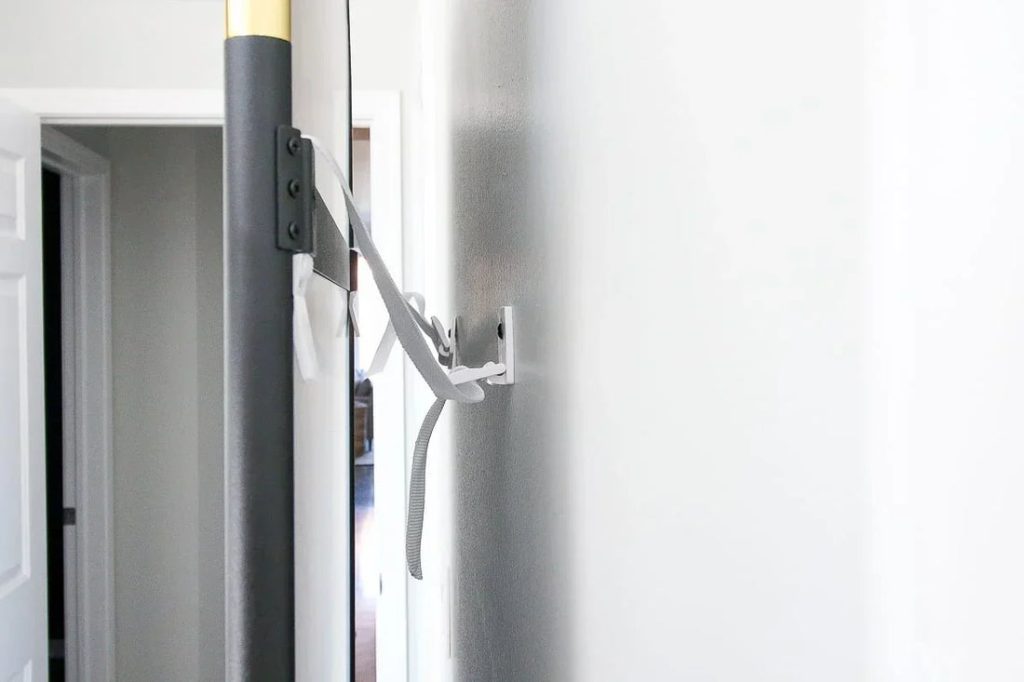
Looking to hang a mirror safely and securely on your wall? You might think it’s simple, but without the right technique, your mirror could fall and cause damage or injury.
This guide will show you exactly how to anchor your mirror so it stays put, no matter its size or weight. Whether you’re a beginner or just want to make sure you’re doing it right, these easy steps will give you confidence and peace of mind.
Keep reading, and you’ll learn the secrets to a perfectly mounted mirror that enhances your space and stays secure.

Credit: ledmirrorworld.co.uk
Choose The Right Mirror
Choosing the right mirror is the first step to ensure it stays securely anchored to your wall. The mirror’s size, weight, and frame type all affect how you should hang it. Picking the correct mirror helps avoid accidents and keeps your space looking great.
Consider Size And Weight
Start by measuring the mirror’s dimensions and checking its weight. Larger, heavier mirrors need stronger anchors and more support points. If you pick a mirror that’s too heavy for your wall type, even the best anchors might fail.
Ask yourself: where will the mirror hang, and what’s the wall made of? Drywall requires different anchors than brick or plaster. Knowing this helps you match the mirror’s size and weight with the right hardware.
Select Frame Type
The frame type affects how you anchor the mirror. Thin metal frames usually have built-in hanging hardware, while thick wooden frames might need separate hooks or brackets.
Some frames have a flat back, making it easier to install flush against the wall. Others have a deep frame, which may require more clearance and special mounting techniques. Think about how the frame design fits with your wall and the hanging method.

Credit: www.rjliving.com.au
Gather Necessary Tools
Gather a drill, wall anchors, screws, a level, and measuring tape before starting. Having the right tools makes the process easier and safer. Prepare everything first to avoid interruptions while anchoring your mirror.
Gathering the right tools before starting any DIY project can make all the difference. Anchoring a mirror to the wall might seem straightforward, but having the necessary tools at your disposal ensures the process is smooth and efficient. Imagine standing on a ladder, halfway through the job, only to realize you forgot an essential tool. Save yourself the hassle by preparing everything in advance. Here’s a guide to help you gather what you need.List Essential Tools
– Measuring Tape: Precision is key. Measure twice to ensure perfect placement. – Drill with Drill Bits: A reliable drill is crucial for making holes for the anchors. – Screwdriver: Choose one that matches the screws you’ll be using. – Level: Ensure your mirror hangs perfectly straight. A crooked mirror can throw off the balance of an entire room. – Pencil: Mark the spots where you’ll drill. It’s always easier to erase pencil marks than to patch holes in the wall. – Anchors and Screws: Make sure they are suitable for the weight of your mirror and the type of wall you’re working with.Safety Equipment
– Safety Glasses: Protect your eyes from dust and debris while drilling. – Gloves: Shield your hands from sharp edges or when handling glass. – Dust Mask: Especially useful if you’re drilling into drywall or plaster, which can release fine particles. Safety often takes a back seat to excitement when tackling a new project. Yet, consider the risk of overlooking essential safety gear. Is it worth the potential injury? Always prioritize your safety. By gathering these tools and safety equipment beforehand, you’re setting yourself up for success. What tools are your go-to for such projects?Find The Perfect Spot
Finding the perfect spot to anchor a mirror is key to a safe and attractive display. Choose a location that supports the mirror’s weight and matches your room’s style. Consider lighting and viewing angles for the best effect.
Check Wall Material
Identify the wall type before drilling. Common walls include drywall, plaster, concrete, or brick. Each material needs specific anchors for a secure hold. Use a stud finder for drywall to locate wooden studs. Anchoring into studs offers the strongest support. For concrete or brick, use masonry anchors and a hammer drill.
Measure And Mark Placement
Measure the mirror’s dimensions carefully. Mark the desired height and width on the wall. Use a pencil and a level to ensure straight lines. Mark the anchor points where the mounting hardware will go. Double-check measurements before drilling to avoid errors. Accurate marks help keep the mirror balanced and centered.
Select Appropriate Anchors
Choosing the right anchors is crucial to securely hang your mirror and protect your walls. The wrong anchor can cause your mirror to fall, damaging both the mirror and your wall surface. Understanding different types of anchors and matching them to your wall type and mirror weight will save you time and frustration.
Types Of Wall Anchors
There are several types of wall anchors designed for different purposes. Knowing which type fits your needs is the first step to a safe installation.
- Plastic Expansion Anchors:Best for lightweight mirrors and drywall. They expand when a screw is driven in, gripping the wall.
- Toggle Bolts:Ideal for heavy mirrors on drywall or hollow walls. They spread out behind the wall for extra support.
- Molly Bolts:Great for medium-weight mirrors on drywall. They expand inside the wall cavity, creating a strong hold.
- Concrete or Masonry Anchors:Designed for solid surfaces like brick or concrete walls. These anchors require drilling but offer excellent strength.
- Self-Drilling Anchors:Easy to install without pre-drilling, suitable for drywall and lighter loads.
Match Anchors To Wall And Mirror
Identifying your wall type is essential before selecting anchors. Drywall, plaster, concrete, or brick all require different anchors for a secure hold.
Consider the mirror’s weight carefully. A large, heavy mirror needs stronger anchors like toggle bolts or masonry anchors. For smaller, lighter mirrors, plastic anchors or self-drilling anchors might suffice.
Have you ever tried hanging a heavy mirror with just a nail and ended up with a cracked wall? Choosing anchors rated for your mirror’s weight prevents this common mistake.
Also, check if your wall has studs. Anchoring directly into studs provides the best support. Use a stud finder to locate them and match your anchors accordingly.
Prepare The Wall
Preparing the wall is crucial before anchoring a mirror. Proper preparation ensures the mirror stays secure and prevents damage to the wall. It also makes the installation process smoother and safer.
Start by selecting the right spot on the wall. Make sure the surface is clean and dry. Use a level to mark where the mirror will hang. Accurate marks help keep the mirror straight.
Drill Pilot Holes
Drilling pilot holes guides the screws and prevents wall cracks. Use a drill bit slightly smaller than the anchor size. Hold the drill steady and drill straight into the wall at the marked points.
Keep the drill speed slow and steady. Stop drilling once you reach the correct depth. Check the holes to ensure they are clean and free of dust.
Insert Anchors
Anchors support the weight of the mirror and protect the wall. Choose anchors that match your wall type and mirror weight. Push or tap anchors gently into the pilot holes until flush with the wall.
Use a hammer softly if needed, avoiding damage to the anchors. Make sure the anchors fit tightly and do not wiggle. Properly inserted anchors create a strong base for screws.

Credit: ledmirrorworld.co.uk
Mount The Mirror
Mounting the mirror correctly ensures it stays safe and looks great on your wall. Proper installation starts with preparing the mirror and the wall. Taking the right steps avoids damage and keeps the mirror secure over time.
Attach Hanging Hardware
Most mirrors do not come with hardware attached. Begin by fixing the right hanging pieces on the back. Use D-rings, wire, or brackets depending on the mirror’s style and weight. Make sure the hardware is strong and fits well.
- Measure and mark where the hardware will go.
- Use a drill or screwdriver to attach screws firmly.
- Check that the hardware is level and tight.
This step prepares the mirror for a safe wall mount. Loose hardware can cause accidents and damage.
Secure Mirror To Wall
Select anchors or hooks that support the mirror’s weight. Drywall anchors, toggle bolts, or wall studs work best for heavy mirrors. Mark the spots on the wall matching the mirror’s hanging points.
- Drill holes for anchors or screws at the marked points.
- Insert anchors if needed for extra support.
- Attach hooks or screws firmly to the wall.
Hang the mirror carefully on the hardware. Adjust it to make sure it is level and stable. A well-secured mirror enhances room decor and safety.
Check Stability
Ensuring your mirror is securely anchored to the wall is crucial for safety and aesthetics. Checking stability helps you avoid accidents and keeps your mirror looking great over time. A stable mirror resists wobbles and stays firmly in place, so let’s focus on how to verify this stability effectively.
Test For Firmness
After anchoring your mirror, gently press on its edges to feel for any movement. Try pushing and pulling slightly to check if it stays put without shifting. If the mirror wiggles or feels loose, it’s a sign the anchors might not be holding well enough.
Another tip is to tap the mirror lightly and listen—does it sound hollow or solid? A hollow sound might indicate poor contact with the wall, which can compromise stability.
Make Adjustments If Needed
If you find any looseness, don’t ignore it. Tighten screws or replace anchors with stronger ones designed for your wall type, such as toggle bolts for drywall or masonry anchors for brick walls.
Sometimes redistributing weight by adding a second anchor point improves stability significantly. Ask yourself: Have I evenly spread the mirror’s weight across all attachment points?
Remember, a few extra minutes adjusting now can prevent your mirror from falling later. Your walls—and your safety—will thank you for taking the time to get it right.
Maintenance Tips
Keeping your mirror securely anchored to the wall isn’t just about the initial installation. Ongoing care ensures it stays safe and looks great over time. Small efforts in maintenance can prevent accidents and save you from costly repairs.
Regular Inspection
Check your mirror’s mounting at least once every few months. Look for any signs of looseness, such as wobbling or gaps between the mirror and wall. Catching these early helps you tighten screws or replace anchors before the mirror falls.
Pay special attention if your home experiences vibrations from nearby construction or heavy foot traffic. These subtle movements can gradually loosen fittings without you noticing. Have you ever been surprised by a mirror suddenly shifting? Regular checks avoid that risk.
Avoid Excess Weight
Mirrors come with weight limits based on their size and anchor type. Avoid hanging additional items like heavy frames, shelves, or decorations on the same anchors. Even if it looks sturdy, extra weight stresses the wall and hardware.
If you want to add decor around your mirror, use separate anchors designed for those items. This keeps the mirror’s support focused on its own weight. Have you ever overloaded a wall hook and felt it give way? Protect your investment by respecting weight limits.
Frequently Asked Questions
What Tools Are Needed To Anchor A Mirror To The Wall?
You need a drill, wall anchors, screws, a level, a measuring tape, and a screwdriver. These tools ensure secure and precise mirror mounting.
How Do I Choose The Right Wall Anchors For My Mirror?
Select anchors based on your wall type and mirror weight. Use plastic anchors for drywall and toggle bolts for heavier mirrors.
Can I Anchor A Mirror On Drywall Without Studs?
Yes, use heavy-duty wall anchors like toggle bolts or molly bolts. These provide strong support without needing studs.
How High Should I Hang A Mirror On The Wall?
Hang the mirror at eye level, usually 57-60 inches from the floor. This height offers the best viewing experience.
Conclusion
Anchoring a mirror to the wall is easier than it seems. Choose the right tools and follow steps carefully. Secure the mirror firmly to avoid accidents. Take your time measuring and drilling. A well-anchored mirror adds style and safety to any room.
Now, you can hang mirrors with confidence and ease. Simple preparation makes all the difference. Try it yourself and see the great results.



