
Removing a mirror from your wall might sound simple, but it can quickly turn into a tricky task if you’re not prepared. You want to avoid damage to your wall and the mirror itself, right?
Whether you’re redecorating, moving, or just changing things up, knowing the right steps will save you time, money, and frustration. In this guide, you’ll discover easy, safe methods to take down your mirror without hassle. Keep reading—you’ll be surprised how straightforward it can be when you know exactly what to do.

Credit: www.youtube.com
Tools Needed
Removing a mirror from a wall needs the right tools. Using the proper tools makes the job easier and safer. Gather everything before starting to avoid interruptions. Here is a list of tools that help remove mirrors smoothly and safely.
Basic Tools
- Putty knife or flat scraper – to loosen the mirror edges
- Utility knife – to cut through caulk or adhesive
- Screwdriver – for removing screws or brackets
- Pliers – to handle clips or nails
- Painter’s tape – to protect the mirror surface
- Drop cloth or old sheet – to cover the floor and catch debris
Safety Gear
- Safety gloves – to protect hands from sharp edges
- Safety goggles – to shield eyes from glass shards
- Long sleeves and pants – to avoid cuts and scratches
- Dust mask – if removing old adhesive or paint

Credit: www.youtube.com
Preparing The Area
Clear the space around the mirror to avoid accidents. Lay down a cloth or sheet to catch any falling debris or dust. Gather all necessary tools nearby for easy access.
Preparing the area before removing a mirror ensures safety and efficiency. It prevents accidents and protects your home from damage. Let’s focus on the essential steps to create a safe workspace.Clear Surroundings
Remove items near the mirror. This includes furniture, decorations, and personal belongings. A clear area reduces the risk of tripping or knocking items over. It also gives you enough space to move freely. Use a soft cloth to dust the surrounding area. This prevents dirt from spreading during the process.Protect The Floor
Lay down a drop cloth or old blanket. This shields the floor from falling debris or glass. If the mirror is large, consider using cardboard sheets. They provide extra protection and are easy to move. Secure the edges of the cloth with tape. This prevents it from slipping while you work.Inspecting The Mirror
Before removing a mirror from a wall, inspecting it carefully is essential. This helps avoid damage to the wall and the mirror itself. Understanding how the mirror is fixed and its size and weight guides the removal process. Take your time to look closely and plan your next steps.
Check Mounting Type
Look at how the mirror is attached to the wall. Mirrors can be mounted with clips, adhesive tape, screws, or brackets. Identifying the mounting type tells you what tools you need. For example, screws require a screwdriver, while adhesive might need a heat gun or a putty knife. This step prevents surprises and damage during removal.
Assess Mirror Size And Weight
Estimate the mirror’s size and weight before starting. Large or heavy mirrors need extra hands or special tools. Small mirrors can be handled alone, but big ones might break or cause injury if dropped. Knowing the weight helps you prepare for safe removal and transport. Always consider safety first for yourself and others.
Removing Adhesive Mirrors
Removing a mirror that’s stuck with adhesive requires patience and care. Unlike mirrors with visible brackets or screws, adhesive mirrors cling tightly to the wall, making removal a bit tricky. However, with the right approach, you can avoid damage and keep your walls intact.
Soften Adhesive
Start by softening the adhesive holding the mirror to the wall. Heat works wonders here—use a hairdryer on medium heat and move it slowly across the edges of the mirror.
Be careful not to overheat one spot, as this can crack the glass. After a few minutes, the adhesive should become more pliable, making the next step easier.
Gently Pry Mirror Off
Once the adhesive is softened, use a thin, flat tool like a plastic putty knife to gently pry the mirror away from the wall. Insert the tool between the mirror and wall at the edge, and slowly wiggle it to create space.
Work your way around the mirror’s perimeter instead of forcing one spot. This reduces the risk of cracking or shattering the glass and helps to evenly loosen the adhesive.
Removing Mirrors With Screws Or Clips
Removing mirrors fixed with screws or clips can seem tricky, but it’s manageable once you know what to look for. These fasteners are designed to hold the mirror securely, so identifying and carefully handling them is key to avoiding damage to both the mirror and your wall.
Locate Fasteners
Start by examining the edges of the mirror closely. Look for small screws around the frame or metal clips holding the mirror against the wall.
Sometimes, these fasteners are hidden behind decorative caps or painted over, so don’t rush. Gently feel along the mirror’s border—do you notice any unevenness or slight gaps? That often signals where screws or clips are.
If you’re unsure, try shining a flashlight at an angle to reveal shadows or reflections that highlight the fasteners’ positions. Have you noticed any hardware that looks removable without forcing the mirror?
Unscrew Or Release Clips
Once you’ve pinpointed the fasteners, gather the right tools—usually a screwdriver or a flathead to pry clips gently. If you encounter screws, turn them counterclockwise slowly to avoid stripping them.
For clips, carefully lift or slide them away from the mirror’s edge. Avoid pulling hard on the mirror itself; instead, focus on releasing these supports first.
Remember, patience here saves you from cracked glass or wall damage. If a clip feels stuck, try applying a little penetrating oil and wait a few minutes before trying again. Are you ready to see your mirror come free without a scratch?
Handling Large Or Heavy Mirrors
Handling large or heavy mirrors can be challenging and risky if not done carefully. These mirrors are often bulky and fragile, making it easy to cause damage or injury during removal. Taking the right precautions helps protect both you and your mirror, ensuring a smooth and safe process.
Get Assistance
Don’t try to remove a heavy mirror on your own. Ask a friend or family member to help you. Having an extra pair of hands makes the task safer and more manageable.
Two people can evenly distribute the weight and maintain better control. This reduces the risk of dropping or cracking the mirror. Have clear communication about when and how you will lift to avoid sudden movements.
Use Proper Lifting Techniques
Lift with your legs, not your back. This simple rule helps prevent strain and injury. Keep your back straight and bend your knees before picking up the mirror.
Hold the mirror close to your body for better balance. Avoid twisting your torso while carrying it; instead, turn your whole body if you need to change direction. Using gloves can improve your grip and protect your hands from sharp edges.
Cleaning Up After Removal
After removing a mirror from your wall, the cleanup process is just as important as the removal itself. Leftover glue, tape, or wall damage can make your space look messy and unfinished. Taking time to clean up properly ensures your wall is ready for its next use, whether that means repainting, rehanging, or leaving it blank.
Remove Residual Adhesive
Sticky residue is often the biggest challenge after a mirror comes down. You can tackle this by gently scraping off large glue chunks with a plastic scraper or an old credit card to avoid damaging the wall.
For tougher spots, apply a small amount of adhesive remover or rubbing alcohol on a cloth. Rub the area slowly, testing first on a hidden spot to make sure it won’t harm your paint or wallpaper.
Patience is key here—rushing can cause more harm than good. Have you ever tried peeling off glue only to tear the paint? Taking your time will save you from that frustration.
Repair Wall Damage
Removing a mirror can leave holes, cracks, or dents in the wall. Small holes from nails or screws can be filled with spackling paste. Apply it with a putty knife, smooth it out, and let it dry completely.
If the damage is more extensive, like large cracks or chipped paint, consider sanding the area lightly before applying a patch or joint compound. This helps create a smooth surface ready for repainting.
Have you noticed how a little wall repair can transform a room’s look? Taking the time to fix these imperfections makes a big difference, especially if you plan to hang a new mirror or artwork.
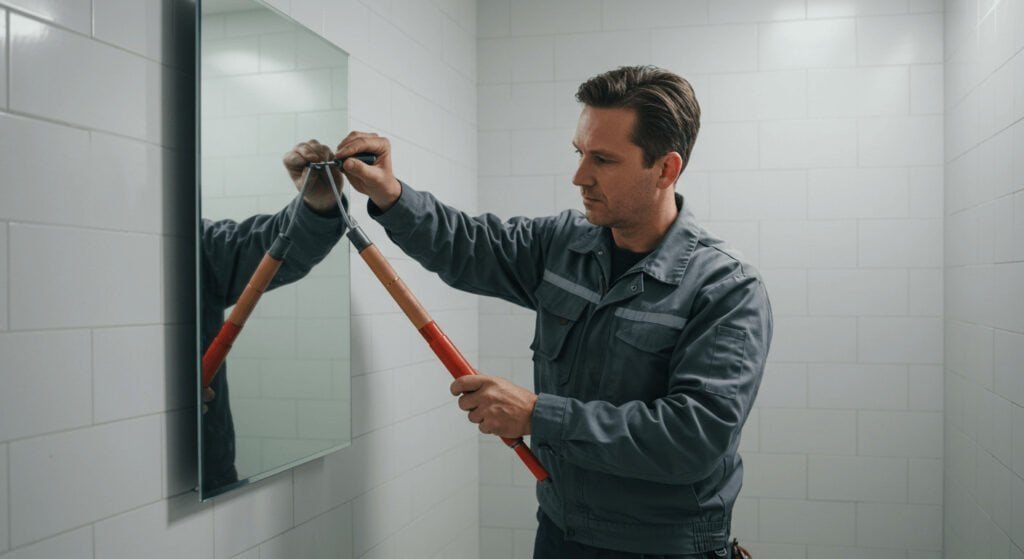
Credit: bfymirror.com
Safety Tips
Removing a mirror from a wall can be tricky and sometimes dangerous. Following safety tips helps prevent injuries and damage. Prioritizing safety keeps you calm and focused during the task.
Wear Protective Gear
Always wear thick gloves to protect your hands from sharp edges. Safety goggles shield your eyes from glass shards or dust. Consider wearing long sleeves to protect your arms. Closed-toe shoes protect your feet from falling pieces. Proper gear reduces risks and helps you work confidently.
Work Slowly And Carefully
Take your time to avoid mistakes. Rushing can cause accidents or broken glass. Use gentle pressure when detaching the mirror. Observe how the mirror reacts to your actions. Stop if you feel resistance and reassess the situation. Slow, careful work lowers the chance of injury or damage.
Frequently Asked Questions
How Do I Safely Remove A Mirror From Drywall?
Use a utility knife to cut the caulk around the mirror. Then gently pry the mirror with a putty knife to avoid damage. Wear gloves to protect your hands from sharp edges.
What Tools Are Needed To Remove A Wall Mirror?
You need a utility knife, putty knife, gloves, and possibly a screwdriver. These tools help you cut caulk, pry the mirror, and remove screws safely.
How Can I Prevent Wall Damage When Removing A Mirror?
Cut all caulk or adhesive thoroughly before prying. Use gentle, even pressure to avoid pulling off drywall. Patch any small holes with spackle after removal.
Is It Necessary To Have Two People To Remove A Mirror?
For large or heavy mirrors, yes. Having two people helps prevent accidents and damage. Smaller mirrors can usually be removed safely by one person.
Conclusion
Removing a mirror from a wall can be simple and safe. Take your time and follow each step carefully. Use the right tools to avoid damage. Protect your hands and eyes while working. Clean the wall after removal to prepare for new decor.
With patience and care, you can do this yourself. Enjoy your refreshed space once the mirror is gone. Remember, safety first and work slowly. Easy and effective—just as it should be.



