
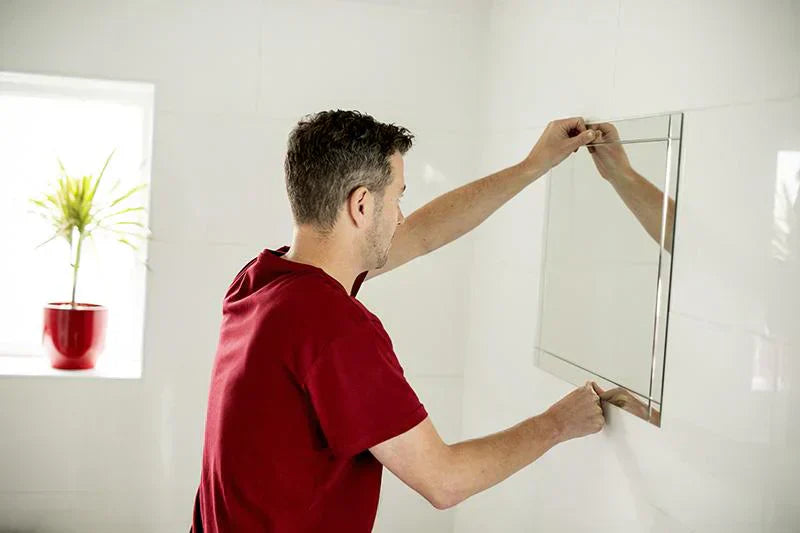
Hanging a mirror can instantly brighten up your room and make it feel bigger. But what if you don’t want to drill holes in your walls?
You’re not alone. Many people hesitate to damage their walls with nails or screws. The good news is, you don’t have to. You’ll discover simple, effective ways to hang your mirror without drilling. These methods will save your walls and make your space look great.
Keep reading, and you’ll learn easy tricks that anyone can do—no special tools or skills needed. Your perfect mirror setup is just a few steps away!

Credit: ledmirrorworld.co.uk
Choose The Right Mirror
Choosing the right mirror is key to hanging it without drilling. The mirror’s size and weight affect how it will stay on the wall. The frame material also plays a big role in selecting the right mounting method. Picking the perfect mirror makes the process easier and safer. It ensures your wall stays intact and your mirror looks great.
Consider Size And Weight
Small, lightweight mirrors work best for no-drill hanging. Heavy or large mirrors need strong support. Measure the mirror before choosing the hanging method. Check the weight on the label or ask the seller. Lightweight mirrors can use adhesive hooks or strips. Large mirrors may require special no-drill brackets. Always pick a mirror size that fits your wall space.
Select Suitable Frame Material
Frame material affects how the mirror attaches to the wall. Wooden or plastic frames are lighter and easier to hang. Metal frames can be heavier and need stronger hangers. Glass frames may break if not handled carefully. Some frames have built-in hooks or holes for hanging. Choose a frame material that matches your wall surface and hanging method. This helps keep the mirror steady and safe.
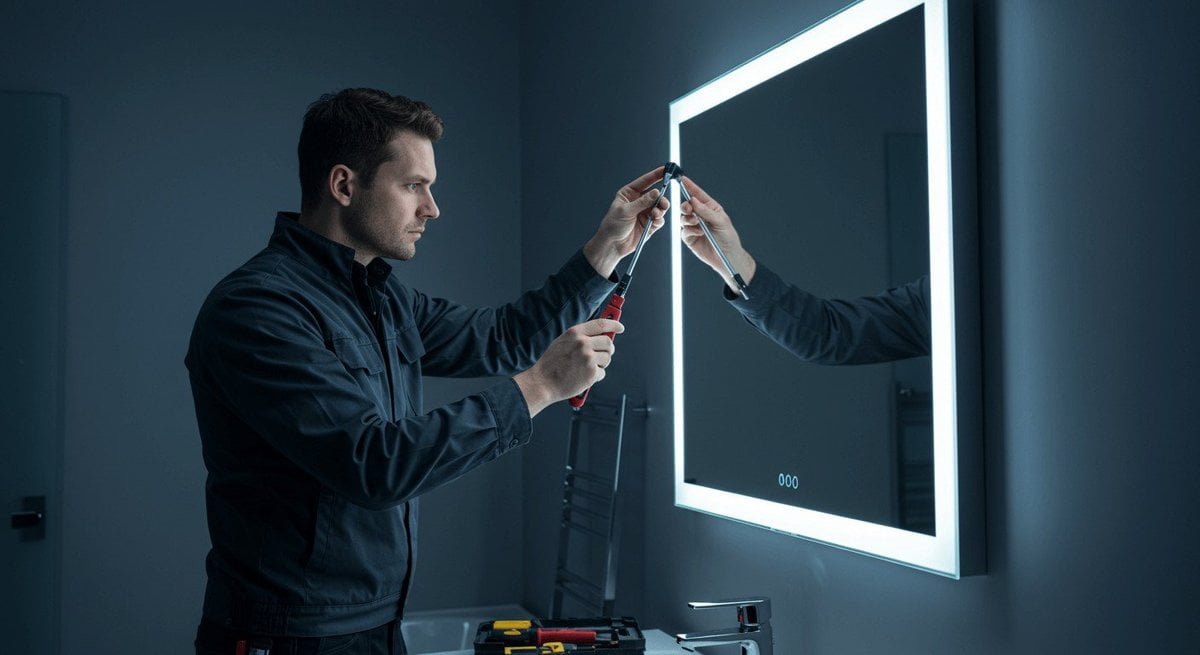
Credit: bfymirror.com
Prepare The Wall Surface
Clean the wall surface thoroughly to remove dust and grease. Ensure the area is dry and smooth for better adhesion of hanging materials. This helps the mirror stick firmly without damage.
Preparing the wall surface is crucial before hanging a mirror without drilling. A clean and stable surface ensures the mirror stays securely in place. Follow these steps to make sure your wall is ready.Clean And Dry The Area
Start by cleaning the wall surface. Use a mild cleaner or soapy water on a soft cloth. Wipe the area where the mirror will hang. This removes dust and oils that may affect adhesion. After cleaning, dry the area thoroughly. Any moisture left can weaken the adhesive.Check Wall Material
Identify the material of your wall. Is it drywall, plaster, or tile? Different materials need different adhesive methods. For example, tile surfaces might require special adhesive strips. Knowing the wall type ensures you choose the right products. This step is vital for a secure and lasting hold.Use Adhesive Strips
Use adhesive strips to hang mirrors without damaging walls. These strips hold mirrors firmly and remove cleanly. Perfect for renters or anyone avoiding holes.
Types Of Strips Available
Several adhesive strips work well for mirrors. Choose based on mirror weight and wall surface.
- Command Strips:Popular for easy removal and strong hold.
- Velcro Strips:Allow easy removal and repositioning.
- Double-Sided Foam Tape:Offers strong grip on smooth surfaces.
- Heavy-Duty Mounting Tape:Best for heavier mirrors.
Check weight limits on packaging to avoid accidents.
Step-by-step Application
- Clean the wall and mirror frame surface with rubbing alcohol.
- Let surfaces dry completely before applying strips.
- Attach adhesive strips to mirror edges, pressing firmly.
- Remove the strip backing carefully without touching the adhesive.
- Press the mirror onto the wall, holding for 30 seconds.
- Wait one hour before letting go to ensure a strong bond.
- Test the hold gently to confirm secure placement.
Try Command Hooks And Hangers
Trying Command hooks and hangers offers a simple, damage-free way to hang your mirror without drilling holes into your walls. These adhesive-backed products hold surprisingly well and come in various weight limits and styles. They’re perfect if you want to avoid mess and keep your walls intact, especially in rentals or temporary spaces.
Choosing The Right Hook
Picking the right Command hook depends on your mirror’s size and weight. Small decorative mirrors might only need hooks rated for 1-3 pounds, while larger ones require stronger hooks rated for 5-7 pounds or more.
Consider the mirror’s frame too. If it has a wire or D-rings, use hooks designed to hold hanging wires. Flat-backed mirrors might need adhesive strips that stick directly to the glass or frame.
- Check the package for weight limits and choose a hook slightly stronger than your mirror’s weight.
- Look for hooks with a design that matches your wall surface (smooth, textured, painted).
- Choose clear or white hooks for a discreet look.
Installation Tips
Clean your wall surface thoroughly before applying hooks. Use rubbing alcohol to remove any dust or oils—this helps the adhesive stick better.
Press the hook firmly against the wall for at least 30 seconds. Then wait about an hour before hanging the mirror to ensure maximum adhesion.
If your mirror has a hanging wire, loop it securely over the hook. For flat-backed mirrors, follow the instructions on applying adhesive strips to avoid them slipping off.
Have you ever struggled with a mirror falling after hanging? Taking the time to prepare the surface and pick the right hook can save you from that frustration. How much easier would your wall decor routine be if you could hang mirrors confidently without drilling?
Apply Mirror Adhesive Or Glue
Applying mirror adhesive or glue is a smart way to hang your mirror without drilling holes in the wall. This technique is perfect if you want to avoid damage or if you’re renting and need a temporary solution. Choosing the right adhesive and using it correctly will keep your mirror secure and your wall intact.
Best Adhesive Products
Not all adhesives work well with mirrors, so picking one designed for heavy glass is key. Look for products labeled as mirror adhesive or heavy-duty mounting glue. Some popular options include:
- Liquid Nails Mirror Adhesive:Strong bond and dries clear, ideal for indoor use.
- Loctite PL Premium Construction Adhesive:Works on various surfaces, offering excellent strength.
- Gorilla Heavy Duty Construction Adhesive:Weather-resistant and durable for different wall types.
Have you checked if the adhesive is safe for your specific wall material? Using the wrong glue can cause damage or weak bonds.
Safe Application Techniques
Applying adhesive properly is just as important as choosing the right one. First, clean the wall and the back of the mirror to remove dust and grease. This helps the glue stick better.
Use a caulking gun or a squeeze tube to apply the adhesive in a zigzag or dot pattern. Avoid spreading it too thin or too thick—too little won’t hold, and too much can ooze out and make a mess.
Press the mirror firmly onto the wall and hold it in place for several minutes. Then, use painter’s tape to support the mirror while the glue cures, usually for 24 to 48 hours.
What could happen if you skip the curing time? The mirror might slip or fall, risking injury and wall damage.

Credit: ledmirrorworld.co.uk
Use Tension Rods For Temporary Hanging
Using tension rods to hang a mirror offers a clever, damage-free solution that’s perfect for renters or anyone hesitant to drill holes. This method uses the pressure between two surfaces to hold the rod firmly in place, supporting your mirror without permanent fixtures. It’s quick to install and just as easy to remove, making it ideal for temporary setups or frequent redecorations.
Ideal Placement Spots
Look for narrow spaces where tension rods can fit snugly. Doorways, window frames, and inside closets often provide perfect spots. These areas have two parallel surfaces that can hold the rod tightly without slipping.
Think about where you want your mirror to be functional yet out of the way. A hallway between rooms or a small nook can benefit from a mirror hung with tension rods. Avoid wide walls where the rod may not get enough grip.
Installation Process
Start by measuring the distance between the two surfaces where you plan to place the rod. Choose a tension rod slightly longer than this measurement for a secure fit.
Adjust the rod length by twisting it until it’s just a bit longer than the space. Press the rod into place, ensuring it’s tight and won’t slide down.
Next, attach your mirror to the rod. Lightweight mirrors work best here; you can hang them using hooks, clips, or by tying them with strong cords. Test the setup gently to make sure everything stays secure before relying on it fully.
Explore Alternative Hanging Methods
Exploring alternative hanging methods helps keep walls intact and avoids damage. Mirrors can still be displayed stylishly without drilling holes. These options fit renters, dorm rooms, or anyone avoiding permanent changes. Choose a method that suits your space and mirror size.
Lean Mirrors Against The Wall
Leaning a mirror creates a relaxed, modern look. Place the mirror on the floor, tilted slightly against the wall. Use a non-slip pad under the mirror to keep it steady. Choose a safe spot where it won’t be easily knocked over. This method works well for large mirrors and adds depth to any room.
Use Easels Or Stands
Easels and stands offer flexible mirror placement without wall damage. They come in various sizes and styles to match your decor. Simply set the mirror on the easel and position it anywhere in your room. This option allows easy moving and repositioning. It’s perfect for small to medium-sized mirrors and adds a decorative touch.
Maintain And Remove Mirrors Safely
Maintaining your mirror and removing it safely without drilling requires some care and the right approach. You want to keep your mirror looking great while avoiding any damage to your walls or the mirror itself. Paying attention to cleaning and removal techniques can save you time and money, and prevent frustration.
Cleaning Tips
Keep your mirror spotless by using a soft, lint-free cloth. Avoid abrasive materials that can scratch the surface. A mixture of equal parts water and white vinegar works wonders for a streak-free shine.
Spray the cleaner onto the cloth, not directly on the mirror. This prevents liquid from seeping behind the glass and damaging the backing. Wipe gently in a circular motion to avoid streaks.
Have you ever noticed spots that just won’t come off? Try using a little rubbing alcohol on a cotton pad for tough grime, but test a small corner first to be safe.
Damage-free Removal
Removing your mirror without damaging the wall or the mirror is possible with patience. Start by loosening the adhesive or hooks carefully. If you used adhesive strips, pull the tab slowly, stretching it downwards rather than pulling straight out.
If the mirror feels stuck, use a hairdryer on low heat to soften the adhesive. Heat the edges for a minute or two, then gently wiggle the mirror free. This method reduces the risk of peeling paint or drywall.
Do you worry about leftover adhesive? Use a soft cloth with warm soapy water or a mild adhesive remover to clean the wall. Avoid harsh chemicals that might harm your paint or wallpaper.
Frequently Asked Questions
What Are The Best Alternatives To Drilling For Hanging Mirrors?
Use adhesive hooks, double-sided tape, or mounting strips. These options avoid wall damage and hold lightweight mirrors securely.
Can I Hang A Heavy Mirror Without Drilling?
For heavy mirrors, use strong adhesive hooks or wall-safe mounting brackets. Ensure the product’s weight limit matches the mirror’s weight.
How Do I Prepare The Wall Before Hanging A Mirror?
Clean the wall surface thoroughly and let it dry. Smooth, dust-free walls help adhesives stick better and prevent mirror falls.
Are Adhesive Hooks Safe For All Wall Types?
Adhesive hooks work well on smooth surfaces like drywall, tile, and glass. Avoid textured or porous walls for best results.
Conclusion
Hanging a mirror without drilling keeps walls safe and damage-free. Use strong adhesive strips or hooks designed for your mirror’s weight. Clean the wall surface well before applying to ensure good hold. Choose a spot with enough light to enhance room brightness.
This method saves time and effort, making decorating easy and quick. Try these tips to hang mirrors safely and neatly anywhere. Enjoy your refreshed space without worry or mess. Simple, smart, and stress-free.



