
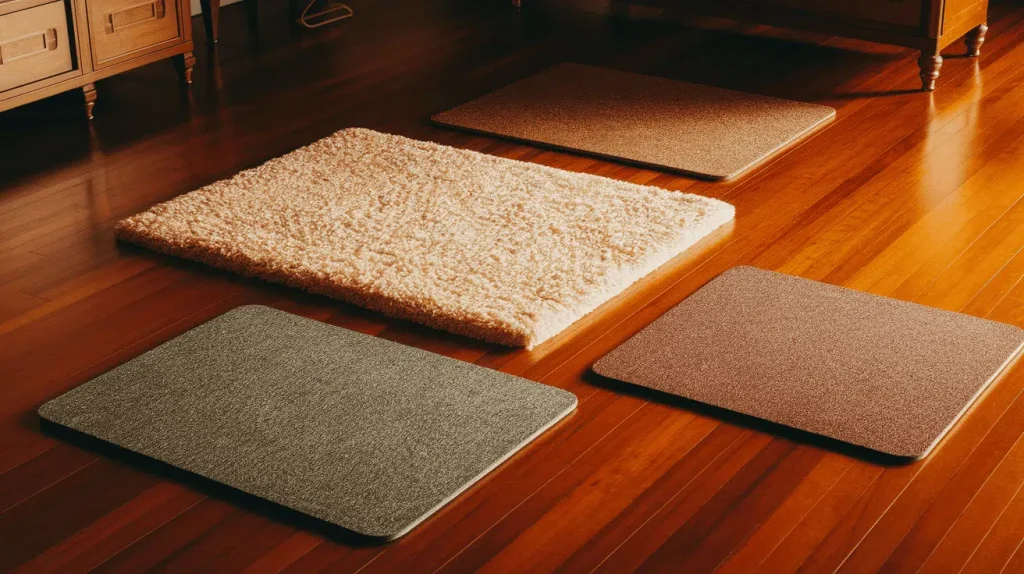
Are you tired of your beautiful rug sliding all over your wood floors every time you walk by? It’s frustrating, unsafe, and can even damage both your rug and your floor.
But don’t worry—you’re not alone, and there’s a simple solution. You’ll discover easy and effective ways to keep your rugs firmly in place, making your home safer and more comfortable. Keep reading, and you’ll learn how to enjoy your rugs without the constant slipping and sliding.

Credit: www.amazon.ca
Causes Of Rug Slipping
Rugs slipping on wood floors can be more than just a nuisance; they pose safety risks and can damage both your rug and flooring. Understanding why rugs slip is the first step to solving the problem effectively. Several factors contribute to this issue, from the nature of your wood floors to the rug itself and how your space is used daily.
Smooth Wood Surfaces
Wood floors with a smooth finish often lack the friction needed to keep rugs in place. Polished or varnished surfaces create a slippery base, allowing rugs to slide easily.
Have you noticed how a rug shifts more on a newly refinished floor? That’s because the glossy coating reduces grip. The smoother your wood floor, the more likely your rug will slip.
Rug Material And Backing
The type of rug and its backing play a big role in slipping. Rugs made from slick materials like silk or synthetic fibers tend to glide over wood floors.
Also, rugs without a non-slip backing or those with worn-out backing lose their grip over time. If your rug feels like it’s sliding whenever you walk on it, the material and backing are probably the culprits.
Foot Traffic And Movement
High foot traffic areas increase rug movement significantly. Every step you take can push or pull the rug, especially if it’s lightweight or loosely placed.
Think about a hallway rug that constantly shifts because of frequent walking. This constant movement wears down any grip the rug has, causing it to slip more easily. Are you positioning your rugs in areas where foot traffic could be affecting their stability?

Credit: www.amazon.ca
Choosing The Right Rug Pad
Choosing the right rug pad is essential to keep your rugs stable on wood floors. A good pad prevents slipping and protects your floor from scratches. It also adds comfort and extends the life of your rug. Selecting a pad that fits your rug size and floor type is key to a secure setup.
Non-slip Pads
Non-slip pads have a gripping surface that holds rugs firmly in place. They use materials like rubber or latex to create friction between the rug and floor. These pads work well on smooth wood floors to stop sliding. They also help prevent trips and falls caused by shifting rugs.
Cork And Rubber Options
Cork and rubber pads offer natural and durable support for rugs. Cork is eco-friendly and soft, adding slight cushioning under the rug. Rubber pads provide strong grip and resist moisture, ideal for high-traffic areas. Both materials protect wood floors from dents and scratches.
Thickness And Size Considerations
Choose a pad thick enough to cushion but thin enough to avoid tripping hazards. Most rug pads range from 1/8 inch to 1/4 inch thick. The pad should be slightly smaller than the rug to prevent edges from curling. Proper sizing ensures the pad stays hidden and supports the entire rug evenly.
Diy Solutions To Prevent Slipping
Secure rugs on wood floors with non-slip pads or double-sided tape. Press firmly to keep rugs steady and avoid falls. Simple fixes protect floors and improve safety.
Have you ever found yourself frustrated by rugs that just won’t stay put on your beautiful wood floors? It’s a common problem that can lead to slips and falls, not to mention the hassle of constantly readjusting your rugs. Fear not! There are simple, cost-effective DIY solutions to keep your rugs in place and ensure safety and comfort in your home.Double-sided Tape
Double-sided tape is a quick and easy solution. You can find it at most hardware stores. Just cut the tape into strips and apply it to the underside of your rug. Press the rug firmly onto the floor. This will create a strong bond that prevents slipping. It’s especially useful for smaller rugs or those placed in high-traffic areas like hallways.Hot Glue Dots
Hot glue dots are a creative and affordable way to stop your rug from sliding. Simply heat up your glue gun and apply small dots of glue around the edges and corners of the rug. Allow the glue to cool slightly before placing the rug on the floor. The dots will grip the wood, securing the rug in place. This method is ideal for rugs with thicker piles.Silicone Caulk Strips
Silicone caulk strips offer a more permanent solution. Apply a thin line of silicone caulk along the edges of your rug’s underside. Let it dry completely before placing the rug on the floor. The silicone creates a non-slip grip that holds firm against the wood surface. This method works well for larger area rugs. These DIY methods are easy to implement and can save you from the annoyance of slipping rugs. Which method will you try first to keep your home safe and stylish?Professional Anti-slip Products
Professional anti-slip products offer reliable and long-lasting solutions to keep rugs firmly in place on wood floors. They are designed to provide strong grip without damaging your floor’s finish. Choosing the right product can make your living space safer and more comfortable, especially if you have children or pets.
Commercial Rug Grippers
Commercial rug grippers are thick pads made from rubber or silicone that sit under your rug’s edges or corners. They create friction between the rug and the floor, preventing slipping effectively. I once used these grippers on my living room rug, and they held up perfectly through months of foot traffic without any shifting.
These grippers are easy to install and remove, making them a practical choice for renters or seasonal rug users. They come in various sizes and shapes to fit different rug styles, ensuring a customized fit.
Adhesive Sprays
Adhesive sprays work by creating a sticky layer between the rug and the floor. They offer a near-invisible hold that doesn’t alter the rug’s appearance or feel. When I tried adhesive sprays, I appreciated how quickly they dried and how firmly they kept the rug in place.
However, you should test a small area first to ensure the spray won’t damage your wood finish. Adhesive sprays work best on smaller rugs or in areas with less foot traffic.
Velcro Strips
Velcro strips attach to the underside of your rug and the floor, offering a strong and adjustable grip. They are perfect if you want a semi-permanent solution that allows for easy rug removal when needed. I found Velcro strips useful for securing runner rugs in hallways where slipping is common.
Be sure to clean both surfaces thoroughly before applying for the best hold. Velcro strips also come in different strengths, so you can pick one that matches the rug’s weight and your floor type.
Placement Tips For Stability
Keeping rugs stable on wood floors can be tricky, but where you place your rug makes a big difference. Thoughtful placement not only prevents slipping but also protects your floors from scratches. Let’s look at some smart ways to position your rug for better grip and safety.
Avoiding High-traffic Areas
High-traffic spots on your wood floors are prime candidates for slipping rugs. Placing rugs in less busy areas reduces constant shifting. Consider placing rugs under furniture or in cozy corners where foot traffic is lighter.
I once placed a beautiful rug right in front of my entryway door. It kept sliding every time someone entered. Moving it slightly away from the door made a noticeable difference in stability.
Layering Rugs For Grip
Layering rugs can add both style and stability. Use a non-slip rug pad between your wood floor and the rug to increase friction. Adding a thin, textured rug underneath your main rug also helps it stay put.
Try combining a jute or cotton rug under a decorative wool rug. The natural fibers grip the floor better and prevent movement. Have you tested different rug combinations to find what grips best on your floor?
Securing Rug Corners
Loose corners are a common cause of rug slipping. Use double-sided carpet tape or rug grippers to anchor the corners firmly. This small step can stop tripping hazards and keep your rug flat all day.
If you have pets or kids, securing corners becomes even more important. I use clear rug tape under each corner, which holds strong without damaging the wood finish. What’s your go-to method for keeping corners in place?
Maintenance To Keep Rugs In Place
Maintaining rugs on wood floors requires regular care to keep them secure. Proper upkeep prevents slipping and protects both the rug and the floor. Small actions help extend the life of anti-slip materials and keep rugs looking neat.
Regular Cleaning
Clean rugs often to remove dirt and dust. Dirt can reduce the grip of pads and tapes under the rug. Vacuum both the rug and the floor beneath it. Use a damp cloth to wipe pads if needed. This keeps surfaces clean and sticky materials effective.
Inspecting Pads And Tapes
Check anti-slip pads and tapes regularly for wear or damage. Look for curled edges or areas where grip weakens. Test the rug by gently pulling to see if it shifts. Replace pads or tapes that no longer hold well. This prevents accidents and keeps the rug stable.
Replacing Worn Anti-slip Materials
Old pads and tapes lose their grip over time. Remove worn materials carefully to avoid residue on wood floors. Choose new pads or tapes designed for hardwood surfaces. Cut them to fit the rug size exactly. Proper replacement ensures strong grip and safer rugs.

Credit: gatheredinthekitchen.com
Frequently Asked Questions
How Do Rug Pads Prevent Slipping On Wood Floors?
Rug pads add friction between the rug and floor, stopping movement. They protect wood floors from scratches and extend rug life. Choose non-slip, non-adhesive pads for easy cleaning and safe use on wood.
What Materials Work Best For Non-slip Rug Pads?
Natural rubber and felt combine grip and cushioning well. Rubber prevents sliding, while felt protects hardwood from dents. Avoid plastic pads that can discolor or damage wood over time.
Can Double-sided Tape Secure Rugs On Hardwood Floors?
Yes, double-sided tape can hold rugs firmly in place. Use tape designed for hardwood to avoid residue or finish damage. Regularly check and replace tape to maintain effectiveness and protect floors.
How Often Should I Replace Rug Pads On Wood Floors?
Replace rug pads every 1 to 2 years or if worn. Worn pads lose grip and may harm the floor. Regular replacement ensures safety and maintains floor and rug condition.
Conclusion
Keeping rugs from slipping on wood floors is easier than you think. Use rug pads or double-sided tape for better grip. Regularly check and adjust your rugs to stay safe. A stable rug protects your floors and prevents falls. Small changes make your home cozy and secure.
Try these simple tips today for a slip-free rug experience. Enjoy your beautiful floors without worry or hassle.



