
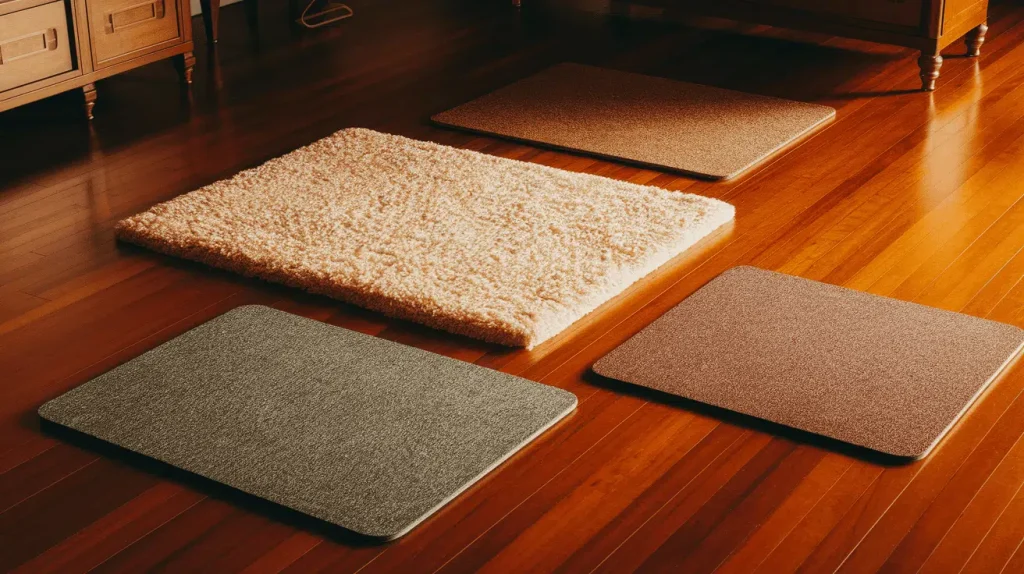
Are you wondering if you really need a rug pad on your hardwood floors? It’s a question many homeowners face, and the answer might surprise you.
Using a rug pad isn’t just about comfort—it can protect your floors, keep your rug in place, and even improve safety. But how do you know if it’s worth the extra step? Keep reading to find out why a rug pad could be one of the best investments for your hardwood floors and your home.

Credit: enthrallinggumption.com
Why Use A Rug Pad
Using a rug pad under your rug on hardwood floors offers many benefits. It acts as a barrier between the rug and the floor. This helps keep both in good condition for a longer time. A rug pad also improves comfort and safety. It stops the rug from slipping and sliding around.
Protecting Hardwood Floors
A rug pad prevents scratches and dents on hardwood floors. It stops dirt and grit from getting trapped under the rug. This reduces the chance of floor damage. The pad also allows air to circulate. This helps avoid moisture buildup that can harm wood.
Enhancing Rug Longevity
The rug pad absorbs pressure from foot traffic. This reduces wear and tear on the rug fibers. It keeps the rug flat and prevents wrinkles. This helps your rug look new for a longer time. A good pad also supports the rug’s shape and structure.
Improving Comfort And Safety
Rug pads add a soft layer underfoot. This makes walking or standing on the rug more comfortable. They also keep the rug from slipping. This lowers the risk of trips and falls. A secure rug pad helps keep your home safer for everyone.
Types Of Rug Pads
Choosing the right rug pad for your hardwood floors can make a big difference in both comfort and floor protection. Rug pads come in different materials, each offering unique benefits. Understanding these types helps you pick one that fits your needs perfectly.
Felt Pads
Felt pads are soft and thick, providing excellent cushioning under your rug. They help protect your hardwood floors from scratches and dents by creating a gentle barrier. If you want extra comfort underfoot, felt pads are a solid choice.
However, felt pads don’t have a strong grip, so they may allow your rug to slip slightly on smooth floors. You might need to pair them with an anti-slip solution if this concerns you. Felt pads work well in low-traffic areas where comfort is a priority.
Rubber Pads
Rubber pads offer a strong non-slip grip, keeping your rug firmly in place on hardwood floors. This prevents accidents and helps maintain the rug’s position, especially in high-traffic areas. If you’ve ever had a rug slide unexpectedly, a rubber pad can fix that problem.
On the downside, pure rubber pads may cause discoloration or stickiness on some hardwood finishes. It’s important to choose high-quality, non-staining rubber pads designed for hardwood floors. They don’t provide much cushioning, so they might feel firmer underfoot compared to felt.
Combination Pads
Combination pads mix felt and rubber to offer the best of both worlds—cushioning and grip. The felt side cushions your floor, while the rubber side prevents slipping. This type is especially popular for hardwood floors because it balances protection and safety.
Using a combination pad can extend the life of both your rug and your hardwood floor. It’s a practical choice if you want comfort without worrying about your rug moving. Have you tried a combination pad yet? It might just be the upgrade your space needs.
Choosing The Right Rug Pad
Choosing the right rug pad protects your hardwood floors and extends your rug’s life. It also keeps the rug from slipping, creating a safer space. Different rugs and floors need specific pad types. Understanding your rug’s material and floor finish helps pick the best pad. Size and thickness also matter for comfort and protection.
Matching Rug Material
Rug pads come in various materials. Natural fibers like wool pads work well with wool rugs. Synthetic pads suit synthetic rugs better. Some pads may damage delicate rug fibers. Choose a pad that complements your rug’s texture. This prevents damage and keeps the rug looking good.
Considering Floor Finish
Hardwood finishes vary from matte to glossy. Some pads can stick or discolor certain finishes. Look for non-staining pads to protect your floor’s look. Rubber and felt pads are usually safe choices. Avoid pads with adhesives or harsh chemicals. They may ruin your floor’s finish over time.
Sizing And Thickness
Size your rug pad to fit just under the rug. A pad too small won’t protect edges well. A pad too big can curl under the rug edges. Thickness affects cushioning and firmness. Thin pads suit low-traffic areas. Thicker pads add comfort in busy rooms. Choose thickness based on foot traffic and comfort needs.
Potential Risks Without A Rug Pad
Choosing to skip a rug pad on your hardwood floors might seem like a small decision, but it can lead to several hidden issues. Without this simple addition, your floors and rugs face risks that could cost you time, money, and frustration. Understanding these risks helps you make smarter choices to protect your investment.
Scratches And Damage
Hardwood floors are delicate and prone to scratches from constant friction. Rugs without pads can move slightly with foot traffic, causing abrasive wear on the floor surface.
Over time, dirt trapped under the rug acts like sandpaper against the wood. A quality rug pad acts as a protective barrier, reducing direct contact and preventing unsightly marks.
Rug Slippage
Have you ever walked on a rug that suddenly slips out from under your feet? Without a rug pad, rugs tend to slide on smooth hardwood floors, creating safety hazards.
This movement not only risks falls but also causes uneven wear on the rug itself. A good rug pad grips both the floor and rug, keeping everything firmly in place no matter how much traffic you have.
Reduced Rug Durability
Rugs without pads endure more stress from constant bending and folding at the edges when they move. This causes fibers to break down faster and edges to curl or fray.
Padding adds cushioning that absorbs impact and prevents premature wear. Protect your rugs like you protect your floors—both need the right foundation to last longer.
Installation Tips For Rug Pads
Rug pads protect hardwood floors from scratches and slipping. They also add extra comfort and help rugs last longer. Choosing the right size and material is key for best results.
Installing a rug pad on your hardwood floors can significantly enhance comfort, prevent slipping, and prolong the life of both your rug and the floor beneath. However, ensuring that your rug pad is installed correctly is crucial for achieving these benefits. Let’s delve into some practical tips for installing rug pads effectively.Cleaning The Floor
Before you lay down your rug pad, make sure the floor is spotless. Dust and debris can cause the pad to slip and even scratch the floor. Use a soft broom or vacuum to clear away any particles, ensuring a clean surface for the pad. A damp mop with a gentle cleaner can also help remove any sticky residue or spills. Ensure the floor is completely dry before proceeding to the next step.Aligning The Pad And Rug
Positioning the rug pad correctly is vital for maximum efficiency. Lay out the rug pad flat, ensuring it aligns with the area where you’ll place your rug. Trim any excess material to ensure it doesn’t peek out from under the rug. A pair of sharp scissors will do the trick. Once trimmed, carefully place the rug on top, aligning it perfectly with the pad. This ensures that the rug won’t slip or bunch up.Maintenance And Replacement
Rug pads require regular maintenance to keep them in optimal condition. Check under your rug periodically for any signs of wear or dust accumulation. If your rug pad starts to wear thin or loses its grip, it’s time for a replacement. Typically, rug pads should be replaced every 1-2 years, depending on foot traffic and wear. Maintaining the rug pad ensures your floors remain protected, and your rug stays in place. Isn’t it amazing how such a simple addition can make such a significant difference in your home’s safety and aesthetics? Following these straightforward tips can help you get the most out of your rug pad, ensuring your hardwood floors stay beautiful and your rugs remain firmly in place.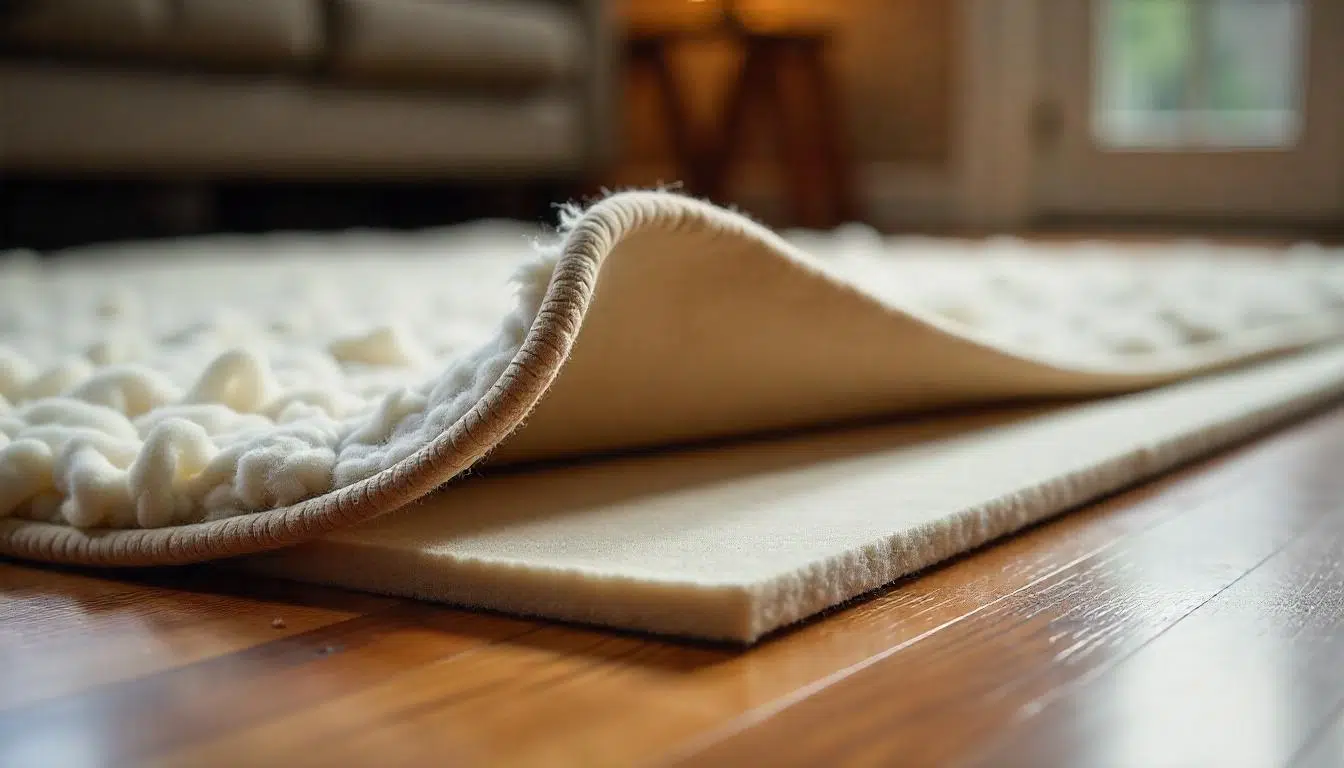
Credit: enthrallinggumption.com

Credit: enthrallinggumption.com
Frequently Asked Questions
Do Hardwood Floors Need A Rug Pad?
Yes, hardwood floors benefit from rug pads. They prevent scratches, absorb impact, and keep rugs from slipping, protecting your flooring and enhancing safety.
What Type Of Rug Pad Suits Hardwood Floors?
Choose a felt or natural rubber rug pad. These materials protect hardwood floors without causing discoloration or damage, providing cushioning and grip effectively.
Can A Rug Pad Prevent Floor Damage?
Absolutely. Rug pads reduce friction and wear between the rug and floor. They protect hardwood from scratches, dents, and moisture buildup, extending floor lifespan.
Will A Rug Pad Keep Rugs From Slipping?
Yes, rug pads improve traction and prevent slipping. This enhances safety, especially in high-traffic areas, while keeping rugs securely in place on hardwood floors.
Conclusion
Rug pads protect hardwood floors from scratches and dents. They keep rugs from slipping, making rooms safer. Pads also help rugs last longer by reducing wear. Choosing the right pad depends on your floor and rug type. Using a rug pad is a smart way to keep floors looking nice.
It adds comfort underfoot and improves rug stability. A small step that makes a big difference. Consider a rug pad for a safer, cleaner home.



