
Are you tired of your rug slipping and sliding every time you walk across your hardwood floors? It’s not just annoying—it can also be dangerous.
You want your space to look great and feel safe, but keeping your rug in place can feel like a constant battle. Luckily, there are simple, effective ways to stop your rug from moving around. You’ll discover easy tips that will keep your rug steady and your floors protected.
Keep reading to find out how you can make your home safer and more comfortable right now.
Causes Of Rug Slipping
Rugs often slip on hardwood floors due to several key factors. Understanding these causes helps prevent accidents and keeps rugs in place. A few simple reasons make rugs slide more than expected.
Smooth Hardwood Surfaces
Hardwood floors with a smooth finish offer little grip for rugs. The lack of texture reduces friction between the rug and floor. This smoothness allows rugs to slide easily underfoot. Glossy or polished floors are especially slippery.
Rug Material And Backing
The type of rug fabric and backing affects how well it stays put. Rugs with slick or plastic backings slide more. Natural fiber rugs with rough backs tend to grip better. Thin rugs without a non-slip backing are prone to movement.
Foot Traffic Impact
High foot traffic pushes rugs in different directions. Walking or running creates forces that move the rug across the floor. Frequent movement loosens the rug’s hold on the surface. Heavy traffic areas need extra care to keep rugs stable.

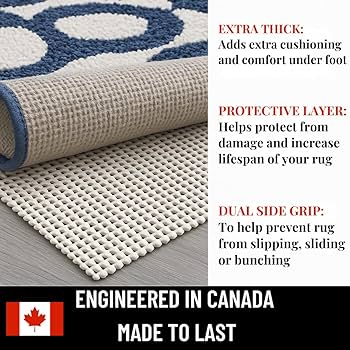
Credit: www.amazon.ca
Choosing The Right Rug Pad
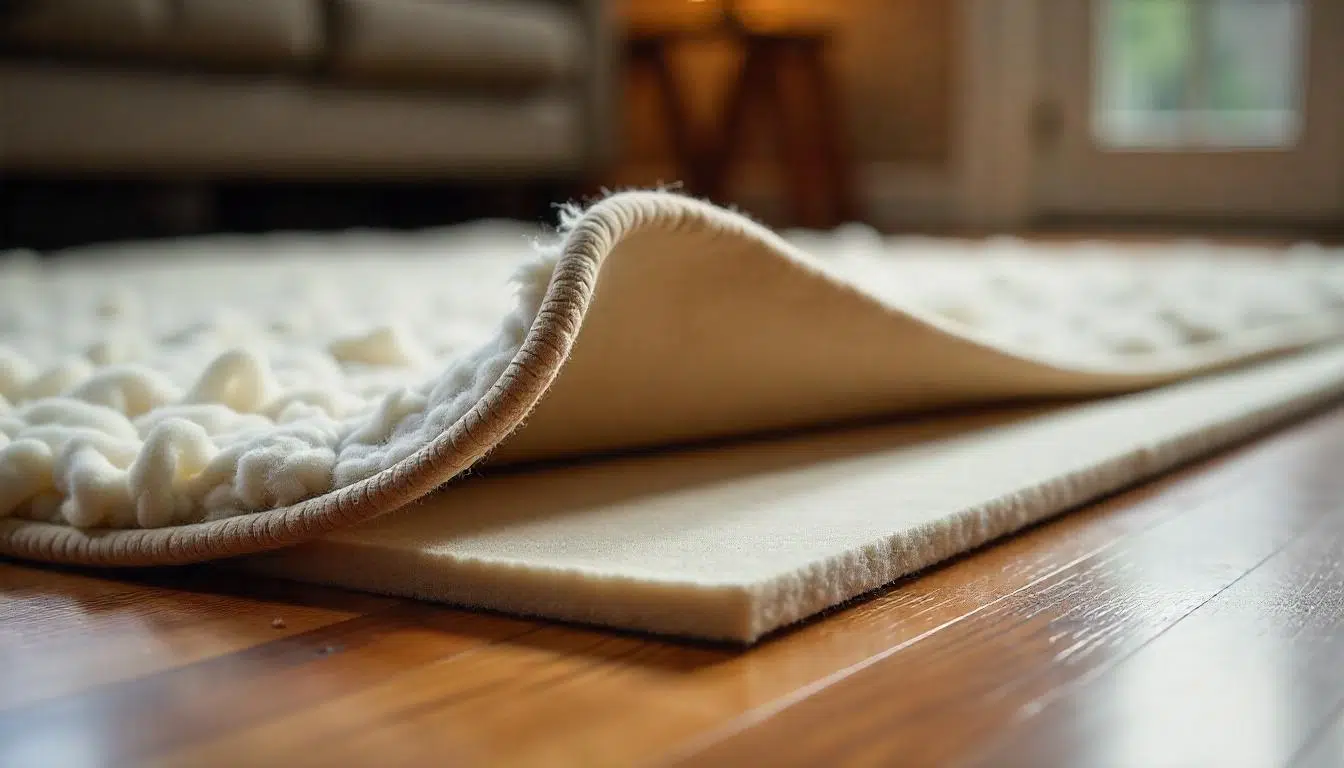
Choosing the right rug pad is key to keeping your rug firmly in place on hardwood floors. The right pad not only prevents slipping but also protects your flooring and extends the life of your rug. Understanding the different materials, sizes, and types of pads will help you make the best choice for your home.
Materials For Grip
Rug pads come in various materials designed to grip both the rug and the hardwood floor. Natural rubber pads offer excellent traction without damaging the wood. If you’ve ever noticed your rug sliding despite a pad underneath, it might be because the material isn’t sticky enough on one or both sides.
Some pads combine rubber with felt to add cushioning and grip simultaneously. Avoid pads made with latex if you want to protect your floor from discoloration. Have you tried different materials and noticed a change in how your rug stays put?
Size And Thickness
Choosing the right size rug pad is as important as the material. The pad should be slightly smaller than your rug—usually about 1 to 2 inches less on each side—to avoid visible edges that can cause tripping. Thickness matters too; a thicker pad adds comfort but might cause the rug edges to curl.
For hardwood floors, a pad thickness between 1/8 to 1/4 inch works well. Thicker pads may work better on carpeted floors but can lift the rug too much on hard surfaces. What thickness feels right for your space and walking comfort?
Non-slip Vs. Felt Pads
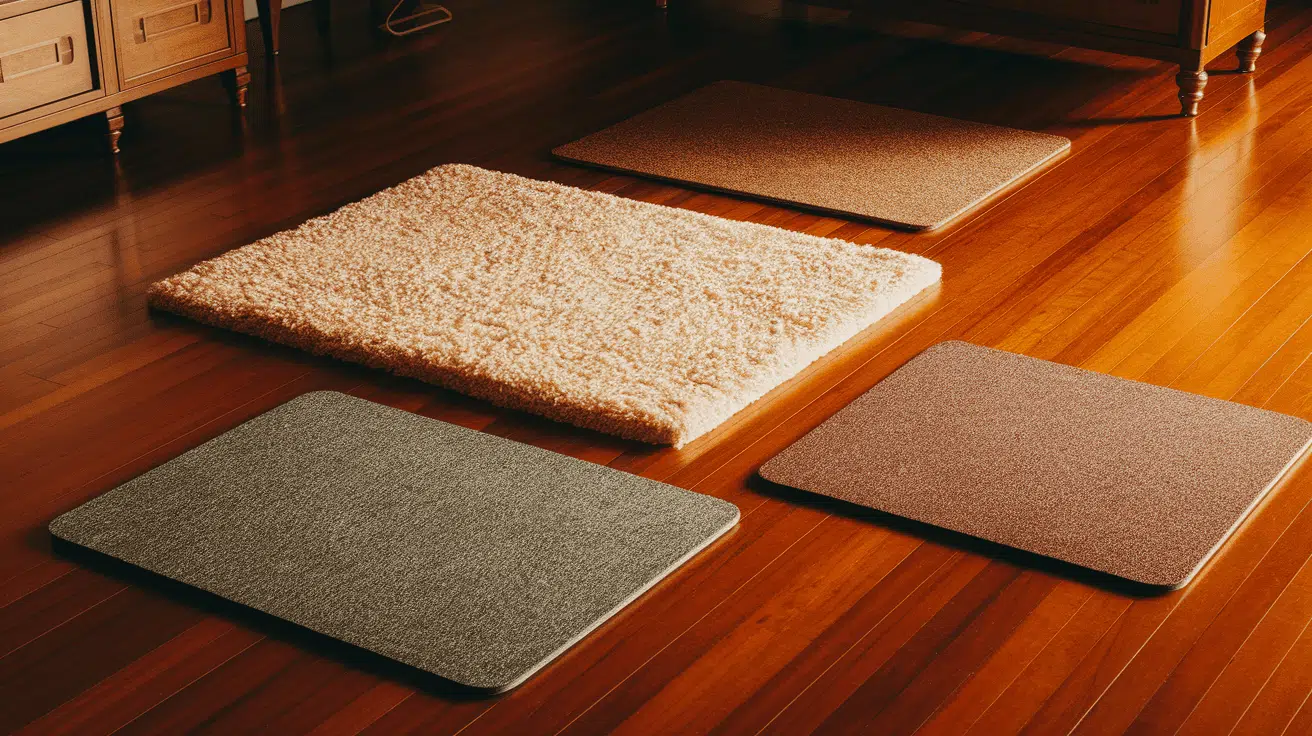
Non-slip pads focus on preventing movement with materials like rubber or PVC, which grip tightly. Felt pads provide cushioning and protect hardwood floors but don’t offer much slip resistance on their own. Some pads blend both features, giving you the best of comfort and stability.
If your priority is stopping your rug from sliding, non-slip or rubber-backed pads are the way to go. But if you want softness underfoot and floor protection, felt or combination pads might be better. Which aspect matters more in your room—comfort or grip?
Diy Non-slip Solutions
Preventing a rug from sliding on hardwood floors is easy with simple DIY fixes. These solutions use common household items. They keep rugs in place without damaging floors. Each option offers a quick and affordable way to stop slipping.
Double-sided Tape
Double-sided tape sticks the rug firmly to the floor. Choose a tape designed for rugs or carpets. Cut small pieces and place them under the rug’s corners and edges. Press down firmly to secure the tape. This method works well for small to medium rugs.
Rubber Shelf Liner
Rubber shelf liners provide a non-slip base under rugs. Cut the liner slightly smaller than the rug size. Lay it flat on the floor, then place the rug on top. The rubber texture grips both the rug and the floor. It prevents sliding without leaving residue.
Hot Glue Dots
Hot glue dots offer a creative way to add grip to rugs. Use a hot glue gun to create small dots on the rug’s underside. Space the dots evenly across the corners and edges. Allow the glue to dry completely before placing the rug. These dots help hold the rug in place without sticking to the floor.
Credit: enthrallinggumption.com
Proper Rug Placement
Proper rug placement on hardwood floors is essential to ensure safety and aesthetics in your home. A rug that constantly shifts or lifts can be a tripping hazard and disrupt the harmony of your decor. By strategically positioning your rug, you can enjoy the beauty and functionality without the worry of constant adjustment.
Area Rug Positioning
Positioning your area rug correctly can make all the difference. Place the rug so that at least two legs of your furniture rest on it. This not only anchors the rug but also creates a cohesive look in the room.
If you have a smaller rug, consider using it in entryways or under smaller furniture pieces. This helps to prevent the rug from sliding and keeps it in place. Think about the flow of the room and ensure the rug complements the overall layout.
Corner Lifting Prevention
Corner lifting is a common issue that can cause accidents. Use rug grippers or double-sided tape to secure the corners to the floor. These tools are easy to apply and provide a strong hold.
Another option is to use a non-slip rug pad. These pads can be cut to size and placed underneath the rug to prevent any unwanted movement. Regular checks and adjustments can help maintain the rug’s position over time.
Furniture Weight Usage
Utilizing the weight of your furniture is a practical way to keep your rug in place. Arrange heavier furniture pieces, like sofas or tables, over the edges of the rug. This naturally prevents it from sliding.
Be mindful of the balance and ensure that the furniture placement does not create an awkward arrangement. A well-placed rug under furniture not only stays put but also enhances the room’s visual appeal. Have you ever tried rearranging your furniture to solve a rug issue?
Maintaining Rug Stability
Keeping your rug stable on hardwood floors isn’t just about adding a non-slip pad once and forgetting it. Stability is an ongoing effort that requires some care and attention. A well-maintained rug feels safer underfoot and helps protect your floors from damage caused by constant shifting.
Regular Cleaning
Dirt and dust build-up between your rug and the floor reduce grip significantly. Cleaning your rug regularly helps maintain that grip, making it less likely to slide around.
Vacuum both the rug and the floor beneath it at least once a week. If you notice any debris stuck under the rug, remove it promptly to keep the surface smooth and stable.
Repositioning Tips
Have you ever noticed your rug creeping toward the room’s exit? This happens because of foot traffic and natural floor friction.
Try repositioning your rug every few weeks. Even a small shift can redistribute pressure points and prevent wear patterns that make slipping worse.
Replacing Worn Pads
Non-slip pads don’t last forever. Over time, they lose their stickiness and cushioning, making your rug more prone to sliding.
Check your rug pad regularly. If it looks compressed, torn, or less effective, replace it with a new one designed specifically for hardwood floors.
Credit: enthrallinggumption.com
Frequently Asked Questions
How Do I Stop My Rug From Sliding On Hardwood Floors?
Use a non-slip rug pad or double-sided carpet tape under the rug. These provide grip and prevent movement effectively. Ensure the pad matches your rug size for best results.
Can Rug Grippers Damage Hardwood Floors?
High-quality rug grippers or pads designed for hardwood floors won’t cause damage. Avoid rubber-backed or adhesive products that can leave residue or discoloration.
What Materials Work Best For Anti-slip Rug Pads?
Natural rubber and felt combination pads work best. They provide cushioning and strong grip without harming the floor or rug.
How Often Should I Replace My Rug Pad?
Replace your rug pad every 1 to 2 years or when it loses grip. Regular replacement maintains safety and floor protection.
Conclusion
Keeping a rug from sliding on hardwood floors is simple with the right tools. Use rug pads or double-sided tape to hold it in place. Clean the floor and rug bottom before applying any grip product. Choose a method that fits your rug size and floor type.
These small steps make your space safer and more comfortable. Enjoy your room without worrying about slipping rugs.



