
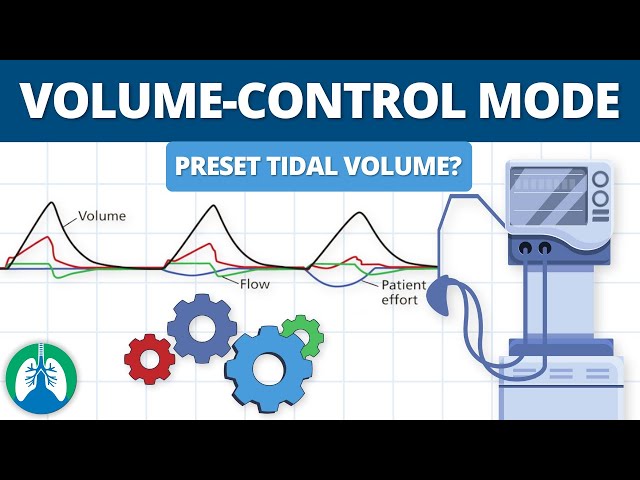
Have you ever wondered how a ventilator helps someone breathe? One key part of this process is something called tidal volume.
Understanding tidal volume can give you a clearer picture of how ventilators work to support breathing. If you want to know what tidal volume is and why it matters for your health or a loved one’s care, keep reading. This simple concept could make a big difference in how you see ventilator treatment.
Tidal Volume Basics
Tidal volume is a key concept in mechanical ventilation. It refers to the amount of air delivered to the lungs with each breath. Understanding tidal volume helps ensure proper breathing support for patients on ventilators.
Setting the right tidal volume is crucial. Too little air may not meet the patient’s oxygen needs. Too much air can cause lung injury. Knowing the basics of tidal volume helps caregivers provide safe and effective care.
Definition Of Tidal Volume
Tidal volume is the volume of air moved into or out of the lungs during one breath. It is usually measured in milliliters (mL). In healthy adults, normal tidal volume ranges from 400 to 700 mL. This value varies based on age, size, and lung condition.
Role In Ventilation
Tidal volume controls how much air the ventilator delivers each breath. It affects oxygen supply and carbon dioxide removal. Proper tidal volume helps maintain lung function and prevents damage.
- Supports gas exchange by filling the lungs adequately
- Prevents lung overdistension and injury
- Adjusts to patient needs during treatment
Credit: www.criticalcarepractitioner.co.uk
Factors Affecting Tidal Volume
Tidal volume is the amount of air delivered to the lungs with each breath on a ventilator. Several factors influence this volume. Understanding these helps provide proper care and adjust ventilator settings safely.
Patient Size And Lung Capacity
Body size affects tidal volume needs. Larger patients usually require more air per breath. Lung capacity also varies with age and health. Smaller lungs hold less air, so tidal volume must be lower. Matching tidal volume to patient size prevents lung injury.
Ventilator Settings
Settings on the ventilator control tidal volume directly. Healthcare providers set tidal volume based on patient needs. Modes like volume control deliver fixed volumes. Pressure control modes adjust volume based on lung pressure. Proper settings ensure safe and effective ventilation.
Lung Compliance And Resistance
Compliance means how easily lungs stretch. Low compliance means stiff lungs, reducing tidal volume. Resistance is how much airways block airflow. High resistance lowers tidal volume as well. Both factors change with illness and affect ventilation strategy.
Measuring Tidal Volume
Measuring tidal volume is vital for safe ventilation. It shows how much air enters the lungs with each breath. Accurate measurement helps adjust ventilator settings to meet patient needs. It prevents lung injury and ensures effective oxygen delivery.
Methods And Tools
Tidal volume measurement uses various methods and devices. One common tool is the spirometer. It measures the volume of air inhaled and exhaled. Flow sensors in ventilators also calculate tidal volume by tracking airflow.
Other devices include pneumotachographs and pressure transducers. They measure airflow and pressure changes. These readings convert into volume data. Ventilator software often displays tidal volume in real time.
- Spirometers
- Flow sensors
- Pneumotachographs
- Pressure transducers
Monitoring During Ventilation
Continuous monitoring of tidal volume ensures patient safety. Nurses and doctors watch for sudden changes or drops. Alarms alert staff if tidal volume falls outside safe limits.
Regular checks help detect problems like leaks or blockages. They allow timely adjustments to ventilator settings. Monitoring also supports lung protection strategies. It keeps ventilation effective and comfortable for the patient.
Optimal Tidal Volume Settings
Tidal volume on a ventilator is the amount of air delivered to the lungs with each breath. Setting the right tidal volume helps ensure proper breathing without causing lung injury. Proper settings support patient comfort and effective ventilation.
Determining the optimal tidal volume settings on a ventilator is crucial for ensuring effective and safe ventilation. Tidal volume refers to the amount of air delivered to the lungs with each breath. It’s a critical parameter that impacts the efficiency of ventilation and patient comfort. Getting it right can make a significant difference in patient outcomes.Guidelines For Adults
In adults, the standard recommendation is to set the tidal volume between 6-8 ml/kg of the patient’s ideal body weight. This range helps prevent lung injury while ensuring adequate ventilation. However, individual patient needs may vary, necessitating adjustments based on their condition and response.Considerations For Pediatrics
Children require a different approach due to their unique physiology. Pediatric tidal volumes are generally lower, often between 4-6 ml/kg. This setting helps minimize the risk of lung overdistension and associated complications. Always consider the child’s growth stage and specific health conditions.Adjustments For Lung Conditions
Lung conditions such as ARDS or COPD may demand tailored tidal volume settings. For ARDS patients, lower tidal volumes around 4-6 ml/kg are often recommended to reduce the risk of ventilator-induced lung injury. In COPD, the focus might be on avoiding air trapping, which could necessitate specific adjustments. Are you aware of how these settings impact recovery time? An informed choice on tidal volume can significantly influence the healing process. It’s essential to regularly assess and adjust based on patient response and evolving clinical guidelines.Risks Of Incorrect Tidal Volume
Setting the correct tidal volume on a ventilator is crucial for patient safety and recovery. If the volume is too high or too low, it can lead to serious complications. Understanding these risks helps you appreciate why precise ventilator settings matter so much.
Overinflation And Barotrauma
Giving too much tidal volume can stretch the lungs beyond their normal capacity. This overinflation increases pressure inside the lungs, which can cause barotrauma—damage to lung tissues.
Barotrauma may lead to air leaks like pneumothorax, where air escapes into the chest cavity. Have you ever wondered how delicate lung tissues are under mechanical stress? Too much volume can cause pain, inflammation, and even collapse parts of the lung.
Underinflation And Hypoventilation
On the other hand, too little tidal volume means not enough air reaches the lungs. This underinflation causes hypoventilation, reducing oxygen delivery and preventing proper carbon dioxide removal.
Hypoventilation can make you feel tired, confused, or short of breath. Imagine your body struggling to get enough oxygen because your ventilator settings are too low. It’s a reminder that less is not always better when it comes to tidal volume.
Tidal Volume In Different Ventilation Modes
Tidal volume is the amount of air delivered to the lungs with each breath on a ventilator. This volume changes depending on the ventilation mode used. Understanding how tidal volume behaves in different modes helps improve patient care. Each mode controls or supports breathing differently, affecting the volume of air moved in and out of the lungs.
Volume-controlled Ventilation
In volume-controlled ventilation, tidal volume is set by the clinician. The ventilator delivers a fixed amount of air with each breath. This mode ensures a consistent volume but pressure may vary. It is useful for patients needing precise control over air delivery.
Pressure-controlled Ventilation
Pressure-controlled ventilation sets a fixed pressure for breaths. The tidal volume changes based on lung compliance and resistance. This mode helps protect lungs from high pressure damage. It allows the volume to vary but keeps pressure within safe limits.
Spontaneous Breathing Modes
Spontaneous modes support the patient’s own breathing efforts. The tidal volume depends on the patient’s effort and lung condition. The ventilator assists but does not control the volume. These modes encourage natural breathing patterns and comfort.
Recent Advances And Research
Recent research has enhanced understanding of tidal volume settings on ventilators. Studies focus on improving patient care by tailoring ventilation to individual needs. New methods aim to reduce lung injury and improve breathing support. Innovations in technology support these advances by offering better control and monitoring.
Personalized Ventilation Approaches
Personalized ventilation adjusts tidal volume based on patient size and lung condition. Clinicians use data like lung compliance and resistance to set volumes accurately. This approach reduces risks of overdistension and lung damage. It helps patients with different lung problems receive safer ventilation. Research supports the use of adaptive algorithms that change settings in real time.
Technological Innovations
Modern ventilators include advanced sensors and software to monitor breathing closely. These devices can detect subtle changes and adjust tidal volume automatically. Machine learning models predict the best ventilation settings for each patient. Portable and user-friendly ventilators improve care outside hospitals. New interfaces allow doctors to track and modify ventilation easily at the bedside.
Credit: x.com

Credit: www.vhtc.org
Frequently Asked Questions
What Is Tidal Volume In Mechanical Ventilation?
Tidal volume is the amount of air delivered to the lungs with each ventilator breath. It ensures proper oxygen and carbon dioxide exchange. Correct tidal volume settings help avoid lung injury and maintain effective ventilation in patients on mechanical support.
Why Is Tidal Volume Important On A Ventilator?
Tidal volume controls lung inflation during ventilation. Proper settings prevent lung overdistension or collapse. It directly affects oxygen delivery and carbon dioxide removal, making it critical for patient safety and effective respiratory support.
How Is Tidal Volume Measured On A Ventilator?
Tidal volume is measured in milliliters (mL) or liters (L) per breath. Ventilators display this value digitally, showing the volume of air delivered to the patient’s lungs during each respiratory cycle.
What Factors Influence Tidal Volume Settings?
Tidal volume settings depend on patient weight, lung condition, and disease severity. Clinicians adjust it based on ideal body weight and lung compliance to ensure safe and effective ventilation.
Conclusion
Tidal volume helps control how much air a ventilator gives a patient. It affects breathing comfort and safety. Doctors adjust tidal volume to fit each person’s needs. Understanding it can improve care and recovery. Always ask healthcare providers if you want to learn more.
Clear breathing support depends on the right tidal volume settings. Simple but important.



