
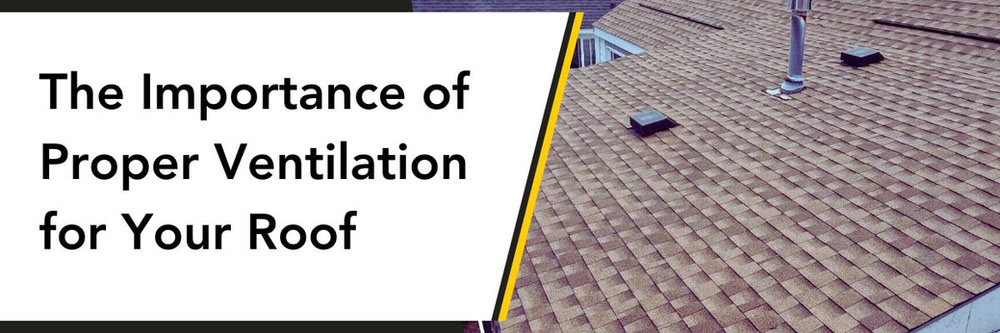
Have you ever wondered why ventilation is so important during an overhaul? Whether you’re managing a renovation or involved in maintenance work, proper airflow isn’t just a minor detail—it can make a huge difference for your safety and the success of the project.
You’ll discover the key reasons why ventilation matters and how it protects you and your team. Keep reading to uncover what might be the most overlooked step in any overhaul process.
Purpose Of Ventilation In Overhaul
Ventilation during overhaul is a crucial step that ensures safety and efficiency when dealing with the aftermath of a fire. Its primary purpose is to create a safer environment for firefighters and anyone else involved by managing the air quality and visibility. Understanding why ventilation matters can help you appreciate its role beyond just letting fresh air in.
Removing Toxic Gases
Fire produces a variety of harmful gases that linger long after the flames are out. Ventilation helps clear these toxic substances like carbon monoxide and hydrogen cyanide, which can be deadly if inhaled. By removing these gases quickly, you reduce health risks and make the space safer to work in.
Controlling Heat And Smoke
Even after the fire is extinguished, heat and smoke can trap inside a building. Ventilation releases this trapped heat and smoke, preventing the space from becoming dangerously hot or filled with thick smoke. This control helps limit further damage and allows firefighters to work more effectively.
Improving Visibility
Smoke can obscure vision, making it difficult to locate hotspots or assess structural damage during overhaul. Proper ventilation clears the air, improving visibility so you can spot hidden dangers quickly. Better visibility not only speeds up the overhaul process but also keeps you and your team safer.
Credit: amc911.com
Common Hazards Without Ventilation
Ventilation is crucial during overhaul to prevent serious dangers. Without proper airflow, harmful substances build up quickly. This can cause health risks and unsafe conditions for workers. Understanding these common hazards helps stress the need for ventilation.
Risk Of Carbon Monoxide Poisoning
Carbon monoxide is a deadly gas with no smell or color. It forms from burning fuels and can gather fast in closed spaces. Breathing this gas causes headaches, dizziness, or worse. Poor ventilation traps carbon monoxide, increasing the risk of poisoning.
Accumulation Of Flammable Vapors
Flammable vapors come from chemicals and fuels used during overhaul. These vapors can collect in enclosed areas without fresh air. A single spark can ignite these vapors, causing fires or explosions. Ventilation disperses vapors and lowers fire hazards.
Reduced Air Quality
Smoke, dust, and toxic fumes lower air quality in workspaces. Poor air quality leads to breathing problems and eye irritation. Workers may become tired or lose focus quickly. Ventilation brings in clean air and removes harmful particles.
Effective Ventilation Techniques
During overhaul, effective ventilation ensures safety and efficiency. Proper air movement removes harmful gases and improves air quality. This section explores techniques to achieve optimal ventilation.
Natural Ventilation Methods
Natural ventilation uses openings like windows and doors. It relies on wind and thermal buoyancy to move air. This method is cost-effective and eco-friendly. Large spaces benefit from cross-ventilation. Arrange openings on opposite walls to enhance airflow. Consider the building’s orientation to maximize wind flow.
Mechanical Ventilation Tools
Mechanical ventilation involves tools like fans and blowers. These devices enhance air circulation in enclosed spaces. Fans are portable and flexible, ideal for targeted areas. Blowers are powerful, suitable for large volumes of air. Choose equipment based on space size and specific needs. Regular maintenance ensures efficiency and longevity.
Strategic Vent Placement
Strategic vent placement optimizes airflow in confined spaces. Position vents to allow air to flow freely. Avoid obstructions that can hinder ventilation. Consider the height and location for maximum impact. This technique reduces energy consumption. It provides a safer environment during overhaul operations.

Credit: www.jacc.org
Safety Equipment For Overhaul
Safety equipment plays a crucial role during overhaul operations to protect firefighters from the hidden dangers that remain after a fire is controlled. The environment can still hold toxic gases, extreme heat, and unstable structures, making the right gear essential for survival and efficiency.
Using proper safety equipment not only safeguards your health but also boosts your confidence to perform thorough inspections and ensure the fire is fully extinguished. Let’s look at the key gear that keeps you safe during overhaul.
Respiratory Protection
Overhaul exposes you to smoke, chemical fumes, and harmful particles invisible to the naked eye. Respiratory protection, such as self-contained breathing apparatus (SCBA), is non-negotiable to prevent inhalation of these toxic substances.
Imagine working without it—you risk long-term lung damage or immediate respiratory distress. Always check your air supply before entering the overhaul area, and never remove your mask prematurely.
Heat-resistant Gear
Even after the main fire is out, hotspots and smoldering materials can cause severe burns. Heat-resistant gloves, helmets, and turnout gear shield you from unexpected flare-ups and intense residual heat.
Wearing this gear allows you to confidently move through debris and manipulate materials without hesitation. Have you ever felt the sting of heat through your gloves? Proper gear eliminates that worry and keeps your focus sharp.
Monitoring Devices
Gas detectors and thermal imaging cameras give you real-time information about hazardous conditions. These devices alert you to dangerous gases like carbon monoxide and reveal hidden hot spots behind walls or under floors.
Relying on your senses alone isn’t enough—monitoring tools provide critical data that can save your life. How often do you use technology to enhance your safety on the job? Integrating these devices into your routine overhaul process is a smart move.
Training And Best Practices
Training and best practices are vital for safe and effective ventilation during overhaul. Proper knowledge helps firefighters identify hazards and act quickly. It also ensures teamwork and use of the right tools. Regular practice builds confidence and reduces mistakes in dangerous situations.
Recognizing Ventilation Needs
Firefighters learn to spot signs that ventilation is needed. Thick smoke, high heat, and trapped gases are key indicators. Training teaches how these signs affect fire behavior and safety. Recognizing needs early prevents flare-ups and improves air quality.
Coordinating Team Efforts
Good communication keeps the team safe and efficient. Each member must know their role in ventilation tasks. Training drills focus on timing and clear signals. Coordination helps avoid errors and ensures fresh air flows properly.
Regular Equipment Checks
Ventilation tools must work well at all times. Training includes checking fans, hoses, and protective gear. Teams learn to spot damage or malfunction early. Regular maintenance avoids delays and keeps everyone safe during overhaul.
Credit: www.northeast-home.com
Frequently Asked Questions
Why Is Ventilation Important During Overhaul?
Ventilation removes harmful gases and smoke during overhaul. It improves air quality and helps firefighters see clearly. Proper ventilation reduces heat buildup, preventing flare-ups and structural damage. It ensures a safer environment for firefighters and occupants during post-fire operations.
How Does Ventilation Improve Firefighter Safety?
Ventilation lowers toxic gas concentration and heat levels. It enhances visibility, allowing firefighters to navigate safely. By reducing smoke and heat, it minimizes the risk of burns and smoke inhalation. Ventilation also helps prevent flashover, protecting firefighters during overhaul.
What Role Does Ventilation Play In Fire Control?
Ventilation controls fire spread by releasing hot gases and smoke. It reduces pressure inside the building, limiting fire growth. Proper airflow directs smoke away from escape routes. This helps firefighters locate hidden fire spots efficiently during overhaul.
When Should Ventilation Be Performed During Overhaul?
Ventilation is critical immediately after fire suppression. It should continue throughout overhaul to clear residual smoke and gases. Early ventilation prevents re-ignition and structural hazards. Ongoing airflow ensures a safer and more effective overhaul process.
Conclusion
Proper ventilation during overhaul keeps workers safe and healthy. It removes harmful gases and smoke from the area. Fresh air helps reduce heat and prevents suffocation. Good airflow also stops fires from spreading quickly. Workers can focus better when the air is clear.
Ventilation is not just a safety step but a vital part of the process. Ignoring it can lead to serious accidents and health risks. Always remember, clean air means safer work and faster completion. Safety starts with fresh air.



