
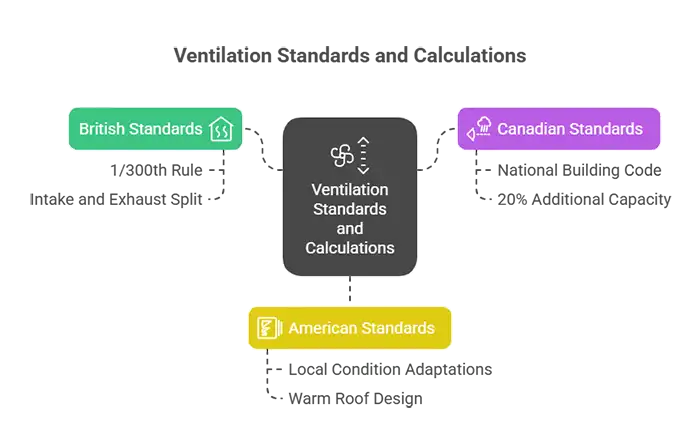
Are you sure your flat roof is getting the right amount of ventilation? Proper roof ventilation is crucial to prevent moisture buildup, reduce heat, and extend the life of your roof.
But how do you calculate the right ventilation for a flat roof? It might seem confusing at first, but once you understand the simple steps, you can ensure your roof stays healthy and efficient. Keep reading, and you’ll learn exactly how to measure and improve your flat roof’s ventilation with ease.
Importance Of Roof Ventilation
Roof ventilation plays a crucial role in maintaining a flat roof’s health and performance. Proper airflow helps balance temperature and moisture levels. This balance protects the roof structure and the indoor environment. Poor ventilation can cause many problems that reduce comfort and increase costs.
Preventing Moisture Buildup
Moisture collects under a flat roof without good ventilation. This leads to mold, mildew, and wood rot. Moisture damages insulation and weakens the roof deck. Ventilation removes excess moisture and keeps the roof dry. A dry roof prevents structural damage and health risks.
Extending Roof Lifespan
Heat and moisture shorten a roof’s life. Ventilation helps control heat buildup in summer. It also reduces condensation in winter. These factors prevent materials from breaking down early. A well-ventilated roof lasts longer, saving money on repairs.
Improving Energy Efficiency
Flat roofs absorb heat from the sun. Without ventilation, this heat increases cooling costs. Ventilation lowers roof temperature by allowing hot air to escape. Cooler roofs reduce indoor temperatures naturally. This lowers the need for air conditioning and cuts energy bills.

Credit: flatroofinginsights.com
Types Of Flat Roof Ventilation
Understanding the different types of flat roof ventilation is key to keeping your roof in great shape. Proper ventilation helps prevent moisture buildup, controls temperature, and extends the life of your roofing materials. Let’s look at the main types of ventilation you can use and how they work for flat roofs.
Passive Ventilation
Passive ventilation relies on natural airflow to move air through your roof space. It uses vents placed strategically to let hot air escape and fresh air enter without any mechanical help. This system is simple, cost-effective, and requires little maintenance.
Common passive vents include:
- Ridge vents
- Soffit vents
- Static roof vents
Have you ever noticed how warm air rises naturally? Passive ventilation takes advantage of this fact to keep your roof cool. However, it might not be enough in areas with low wind or extreme climates.
Mechanical Ventilation
Mechanical ventilation uses fans or blowers to actively move air in and out of your roof space. This type is more reliable in controlling airflow, especially in buildings where natural ventilation falls short.
Types of mechanical ventilation include:
- Exhaust fans
- Intake fans
- Powered attic ventilators
Installing mechanical systems means you can control exactly how much air moves through your roof. It can be a great choice if your flat roof traps heat or moisture, but it does add to your energy costs and maintenance needs.
Combination Systems
Combination systems blend passive and mechanical ventilation to get the best of both worlds. You might use passive vents for general airflow and mechanical fans for times when extra ventilation is needed.
This approach can be tailored to your climate and building use. It gives you flexibility and improved performance without relying solely on electricity.
Think about your local weather patterns and roof design: could a combination system offer better control over your roof’s environment? It’s worth considering if you want both efficiency and reliability.
Key Factors For Ventilation Calculation
Calculating roof ventilation on a flat roof requires measuring the attic space and roof area. Proper airflow depends on balancing intake and exhaust vents to prevent moisture buildup. Consider local building codes and roof design for accurate results.
Calculating roof ventilation on a flat roof involves understanding several key factors that can affect the efficiency and performance of your ventilation system. These factors are crucial to ensure that your roof has the proper airflow, which can extend its lifespan and enhance indoor comfort. Let’s dive into the essential elements you need to consider.Roof Size And Area
The size and area of your roof are fundamental in determining the amount of ventilation required. A larger roof requires more ventilation to ensure adequate air movement. Measure your roof’s dimensions accurately, as this will form the basis for all further calculations. Consider dividing the roof into sections if it’s particularly large or has varying heights. This approach ensures each part receives proper ventilation and helps avoid potential hot spots.Climate And Weather Conditions
Your local climate and typical weather patterns play a significant role in ventilation needs. In warmer climates, more ventilation may be necessary to combat heat build-up. Conversely, colder areas might need a different approach to prevent moisture accumulation. Think about the seasonal changes as well. For instance, heavy rains or snow might require additional considerations for moisture control. How does your current system handle these weather conditions?Insulation Levels
Insulation impacts how much ventilation is needed to maintain a comfortable indoor environment. With high insulation levels, less ventilation might be required as the building retains temperature better. However, ensure there’s still enough airflow to prevent condensation and moisture issues. On the other hand, buildings with minimal insulation might need enhanced ventilation to balance temperature fluctuations. Assess your insulation to decide if adjustments to your ventilation system are necessary.Building Usage
The way a building is used can influence its ventilation needs. For instance, a commercial building with numerous occupants might require more ventilation than a small residential home. Consider the activities taking place inside and how they might affect air quality. Are there specific areas within the building that generate more heat or moisture? Addressing these zones with targeted ventilation can optimize the overall system efficiency. What specific needs does your building have that could affect ventilation requirements? By understanding these key factors, you can calculate roof ventilation on a flat roof more accurately, ensuring a more comfortable and efficient building environment.Step-by-step Calculation Process
Calculating roof ventilation for a flat roof requires careful measurement and precise calculations to ensure proper airflow. Each stage builds on the previous one, so accuracy is key. Let’s break down the process to help you get it right the first time.
Measuring Roof Dimensions
Start by measuring the length and width of your flat roof. Use a tape measure and note the dimensions in feet or meters, depending on your preferred unit. Multiply these numbers to find the total roof area.
For example, if your roof is 40 feet long and 30 feet wide, the total area is 1,200 square feet. Keep this number handy—it’s the foundation for all further calculations.
Determining Required Airflow
Next, find out the ventilation needs based on your roof’s size. A common guideline is to provide 1 square foot of ventilation per 150 square feet of roof area. This ratio ensures enough air circulates to prevent moisture buildup.
Ask yourself: Does your roof have insulation or vapor barriers? These can affect the amount of ventilation required. Adjust your calculations if necessary to avoid under-ventilating your roof.
Calculating Ventilation Area
Once you know the required airflow, calculate the total ventilation area needed. Divide your roof area by the ventilation ratio (e.g., 150) to get the square footage of ventilation space.
| Roof Area (sq ft) | Ventilation Ratio | Required Ventilation Area (sq ft) |
|---|---|---|
| 1,200 | 1:150 | 8 |
This means you need 8 square feet of ventilation openings across your roof. It’s important to split this area between intake and exhaust vents for balanced airflow.
Selecting Vent Types And Placement
Choose vents that fit your roof style and meet your ventilation area needs. Common types include ridge vents, soffit vents, and turbine vents. Each has pros and cons depending on your roof’s structure.
Place intake vents near the roof’s lowest edge and exhaust vents near the highest points. This setup encourages natural airflow and helps moisture escape. Have you checked local building codes? They often specify vent placement rules you must follow.
Balancing vent size and location can be tricky but vital. Too little ventilation invites moisture problems, while too much can cause energy loss. Pay close attention to your calculations and vent choices to maintain your roof’s health and efficiency.
Common Ventilation Components
Effective roof ventilation depends on several key components. These parts work together to allow air to flow freely through the roof space. Proper airflow controls moisture and heat buildup. This helps protect the roof structure and improves energy efficiency. Understanding common ventilation components is essential for calculating ventilation needs on a flat roof.
Soffit Vents
Soffit vents are installed under the eaves of a roof. They allow fresh air to enter the attic or roof space. This helps push hot air out through upper vents. Soffit vents are crucial for creating a balanced airflow system. They come in various sizes and styles to fit different roof designs.
Ridge Vents
Ridge vents run along the peak of the roof. They provide an exit point for hot, moist air. Ridge vents work best with soffit vents. This combination creates a natural airflow path. Ridge vents are low profile and blend well with roofing materials.
Turbine Vents
Turbine vents spin with the wind to draw air out. They can increase ventilation without electricity. Turbine vents are often used on flat or low-slope roofs. They help remove heat and moisture quickly. Proper placement is important to maximize their effect.
Powered Fans
Powered fans actively move air in and out of the roof space. They are useful where natural ventilation is limited. These fans can be controlled by thermostats or humidistats. Powered fans improve air circulation and reduce moisture buildup. They require electricity but offer reliable ventilation.

Credit: flatroofinginsights.com
Tools And Resources For Calculation
Calculating roof ventilation for flat roofs requires precise tools and reliable resources. These help ensure proper airflow and prevent moisture buildup. Using the right tools improves accuracy and saves time. Understanding the resources available makes the task easier for beginners and experts alike.
Ventilation Calculators
Online ventilation calculators simplify the process. They ask for roof size, type, and climate data. Then, they provide the required ventilation area in square inches or square feet. Many calculators follow industry standards, ensuring reliable results. These tools reduce guesswork and help maintain balanced airflow.
Building Codes And Standards
Local building codes guide ventilation requirements. They specify minimum ventilation rates and installation methods. Common standards include the International Residential Code (IRC) and ASHRAE guidelines. Following these codes ensures safety and compliance. Always check your area’s specific codes before starting calculations.
Consulting Professionals
Consulting roofing or ventilation experts adds value. Professionals offer insights tailored to unique roof designs. They help interpret codes and recommend suitable materials. An expert review prevents costly mistakes and improves roof longevity. Seeking advice is wise for complex or large projects.
Troubleshooting Ventilation Issues
Dealing with ventilation problems on a flat roof can be tricky if you don’t know what signs to look for or how to fix them. Poor airflow doesn’t just make your attic uncomfortable; it can damage your roof and increase energy costs. Knowing how to spot issues and adjust your ventilation setup can save you from costly repairs down the line.
Signs Of Poor Ventilation
Is your flat roof showing any of these warning signs?
- Excessive Moisture:Condensation on the underside of the roof or damp insulation can mean air isn’t circulating properly.
- Heat Buildup:If your attic or top floor feels unusually hot, your vents might not be letting heat escape effectively.
- Mold or Mildew:These can grow when moisture lingers, damaging wood and other materials.
- Roof Material Damage:Warping, blistering, or peeling of roofing materials often points to trapped heat or moisture.
Have you noticed any of these? Identifying them early can help you act before the damage spreads.
Adjusting Vent Placement
Where you place vents on a flat roof matters more than you might think. A well-planned setup improves airflow and prevents hot spots.
- Position intake vents low on the roof or near the edges to allow fresh air in.
- Install exhaust vents higher up to let warm, moist air escape.
- Consider balanced ventilation, combining intake and exhaust vents to create a steady airflow.
- Check for obstructions like insulation or debris that block vents and reduce effectiveness.
Have you ever tried repositioning vents and noticed immediate improvement? Small changes can make a big difference.
Maintenance Tips
Keeping your roof vents clear and functional requires regular care. Simple upkeep can prevent many common ventilation problems.
- Inspect vents every few months for blockages caused by leaves, dirt, or bird nests.
- Clean vents with a soft brush or low-pressure water to remove buildup.
- Replace damaged or rusted vent covers to maintain proper airflow.
- Ensure insulation around vents isn’t compressed or misplaced, as this can restrict air movement.
Regular checks might feel tedious, but they help you catch issues before they cost time and money. When was the last time you looked at your roof vents closely?

Credit: flatroofinginsights.com
Frequently Asked Questions
How Do You Calculate Roof Ventilation For A Flat Roof?
Calculate roof ventilation by measuring the attic’s square footage. Use a 1:150 ratio of ventilation area to attic space. Divide the total net free vent area by 150 to find required ventilation in square inches.
Why Is Roof Ventilation Important For Flat Roofs?
Roof ventilation prevents moisture buildup, reducing mold and rot risks. It also regulates temperature, extending the roof’s lifespan. Proper ventilation improves energy efficiency and indoor comfort.
What Types Of Vents Suit Flat Roof Ventilation?
Common vents include ridge vents, soffit vents, and turbine vents. These ensure balanced airflow, removing hot air and moisture effectively. Choose vents based on roof design and local climate conditions.
Can Poor Ventilation Damage A Flat Roof?
Yes, poor ventilation causes moisture accumulation and heat buildup. This leads to mold, wood rot, and premature roofing material failure. Proper ventilation is crucial to maintaining flat roof integrity.
Conclusion
Calculating roof ventilation on a flat roof keeps your building safe. Proper airflow stops moisture and heat build-up inside. It helps extend your roof’s life and saves energy. Use simple steps to measure ventilation needs accurately. Good ventilation means a healthier, more comfortable space.
Check vents regularly to ensure they work well. A well-ventilated flat roof protects your home all year. Keep these tips in mind for better roof care.



