
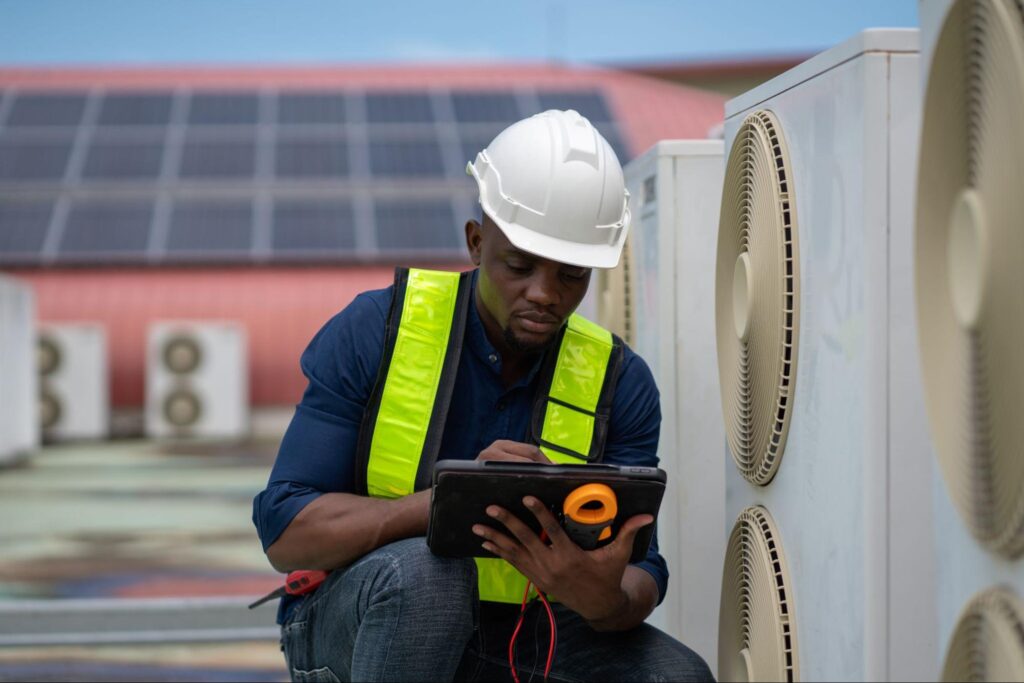
Have you ever wondered what an HVAC tech really does? Whether your air conditioner stops working on a hot day or your heater won’t turn on during winter, these skilled professionals are the ones who come to the rescue.
But their job is more than just fixing broken machines. Understanding what an HVAC tech does can help you spot problems early, save money on repairs, and keep your home comfortable all year round. Keep reading, and you’ll discover the important tasks these experts handle and why their work matters to your everyday comfort.
Role Of An Hvac Technician
The role of an HVAC technician involves installing, repairing, and maintaining heating, ventilation, and air conditioning systems. These professionals ensure indoor environments stay comfortable and safe. Their work helps homes and businesses save energy and avoid breakdowns.
HVAC technicians must understand how systems work and be able to troubleshoot problems quickly. They use tools and technology to keep equipment running smoothly. Their skills keep buildings warm in winter and cool in summer.
Core Responsibilities
- Install new HVAC systems in homes and businesses
- Perform routine maintenance to prevent system failures
- Diagnose and repair faulty equipment or parts
- Test system performance and adjust settings for efficiency
- Ensure compliance with safety and environmental regulations
- Provide advice on system upgrades and energy-saving options
Work Environments
- Residential homes requiring heating or cooling repairs
- Commercial buildings with large HVAC systems
- Industrial sites needing specialized ventilation solutions
- Outdoor locations during installation or repair tasks
- Workshops or company facilities for equipment maintenance
Typical Workday
An HVAC technician begins the day by reviewing assigned jobs. They gather tools and parts needed for tasks. Travel to job sites follows, where they inspect systems carefully.
Technicians perform repairs or install equipment based on client needs. They test the system for proper function before leaving. Paperwork and scheduling future visits complete the day.
Credit: dreambound.com
Key Skills For Hvac Technicians
HVAC technicians need a mix of skills to do their jobs well. These skills help them install, maintain, and fix heating, ventilation, and air conditioning systems. Understanding these key skills shows what makes a good HVAC tech stand out.
Technical Knowledge
HVAC techs must know how heating and cooling systems work. They learn about electrical wiring, plumbing, and system controls. Reading blueprints and manuals is part of their daily tasks. This knowledge helps them install and repair systems correctly.
Problem-solving Abilities
Finding the cause of a system failure requires sharp problem-solving skills. HVAC techs diagnose issues quickly and decide the best fix. They use tools and tests to identify faults. This skill saves time and prevents repeated breakdowns.
Customer Service Skills
HVAC technicians often work in customers’ homes or businesses. Clear communication helps explain problems and solutions. Being polite and patient builds trust. Good customer service leads to repeat business and referrals.
Physical And Safety Skills
Working with HVAC systems is physically demanding. Techs lift heavy equipment and work in tight spaces. They follow safety rules to avoid injuries. Wearing protective gear and handling tools carefully keeps them safe.
Common Hvac Systems Serviced
HVAC technicians work with various systems to keep indoor spaces comfortable. They service heating, cooling, and ventilation systems. Each system has parts that need regular checks and repairs. Understanding these common systems helps explain what an HVAC tech does daily.
Heating Systems
Heating systems keep buildings warm during cold months. HVAC techs maintain furnaces, heat pumps, and boilers. They check burners, heat exchangers, and thermostats. Regular inspections prevent breakdowns and improve safety. Repairs may include fixing pilot lights or replacing filters. Proper heating ensures energy savings and comfort.
Cooling Systems
Cooling systems cool indoor air in hot weather. HVAC techs service air conditioners and refrigeration units. They clean coils, check refrigerant levels, and test compressors. Fixing leaks or faulty wiring is common. Cooling systems require careful handling of chemicals. Good maintenance helps systems run efficiently and last longer.
Ventilation Components
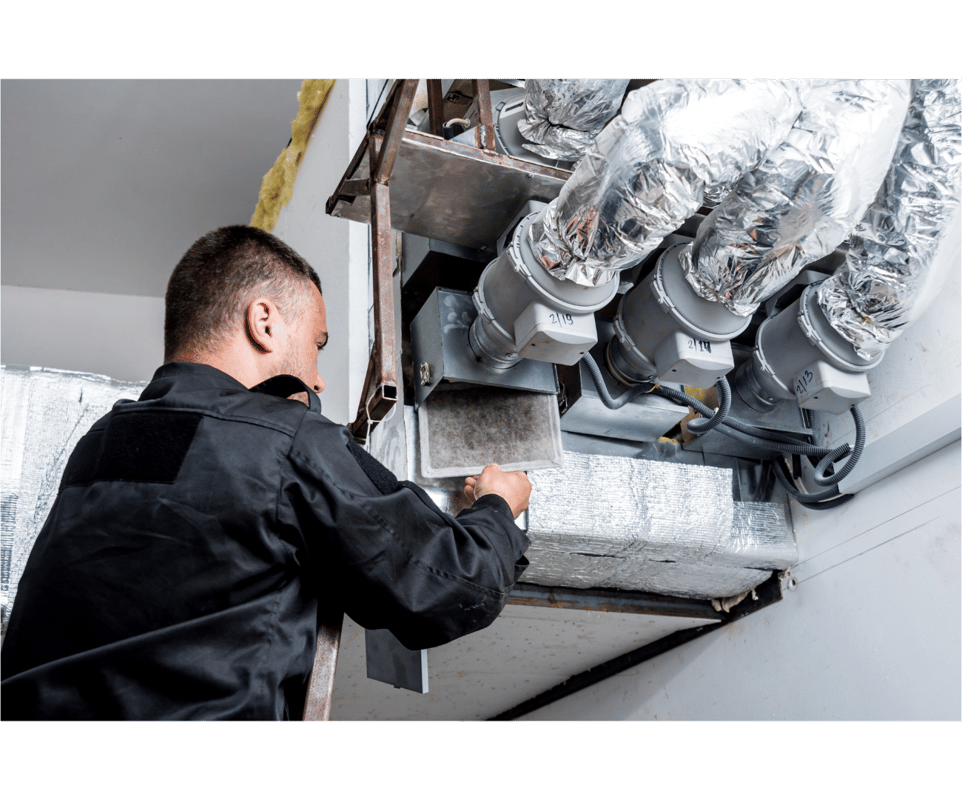
Ventilation moves fresh air inside and removes stale air. HVAC techs clean and repair ducts, vents, and fans. They ensure airflow is balanced and filters are clean. Proper ventilation improves air quality and reduces odors. Techs may adjust dampers or replace faulty motors. Ventilation keeps buildings healthy and comfortable year-round.
Credit: dreambound.com
Daily Tasks And Procedures
Understanding the daily tasks and procedures of an HVAC technician gives you a clear picture of what this job truly entails. Every day brings a mix of hands-on work and problem-solving that keeps homes and businesses comfortable. You’ll see how their skills protect your environment and save energy.
Installation Duties
Installing HVAC systems requires precision and patience. Technicians start by reading blueprints to determine the best location for equipment. They then assemble and connect parts like ducts, wiring, and thermostats carefully.
Have you ever noticed how a poorly installed air conditioner struggles to cool a room? That’s why technicians double-check every connection to avoid leaks and inefficiencies. They also explain system operation to customers, helping them avoid common mistakes.
Routine Maintenance
Regular upkeep is key to preventing breakdowns. Technicians clean filters, check refrigerant levels, and inspect electrical components during maintenance visits. These small actions can extend the life of your system significantly.
Imagine skipping maintenance for a year—your energy bills might spike, and your system could fail unexpectedly. Technicians spot issues like worn belts or clogged vents early, saving you money and discomfort. They often advise on when to upgrade parts or the entire system based on these inspections.
Troubleshooting And Repairs
When systems stop working, technicians become detectives. They use tools and experience to find the root cause quickly, whether it’s a faulty thermostat or a compressor problem. This helps reduce downtime and avoid unnecessary part replacements.
Ever wondered why your heater suddenly stops working on the coldest day? An HVAC tech knows how to fix it fast, restoring comfort. They keep detailed records of repairs, making future problems easier to diagnose. You can rely on their expertise to keep your system running smoothly.
Tools And Equipment Used
HVAC technicians rely on a variety of tools and equipment to keep heating, ventilation, and air conditioning systems running smoothly. These tools help diagnose issues quickly, perform precise repairs, and maintain safety throughout the job. Understanding what these tools are can give you a better sense of what an HVAC tech does on the job.
Diagnostic Tools
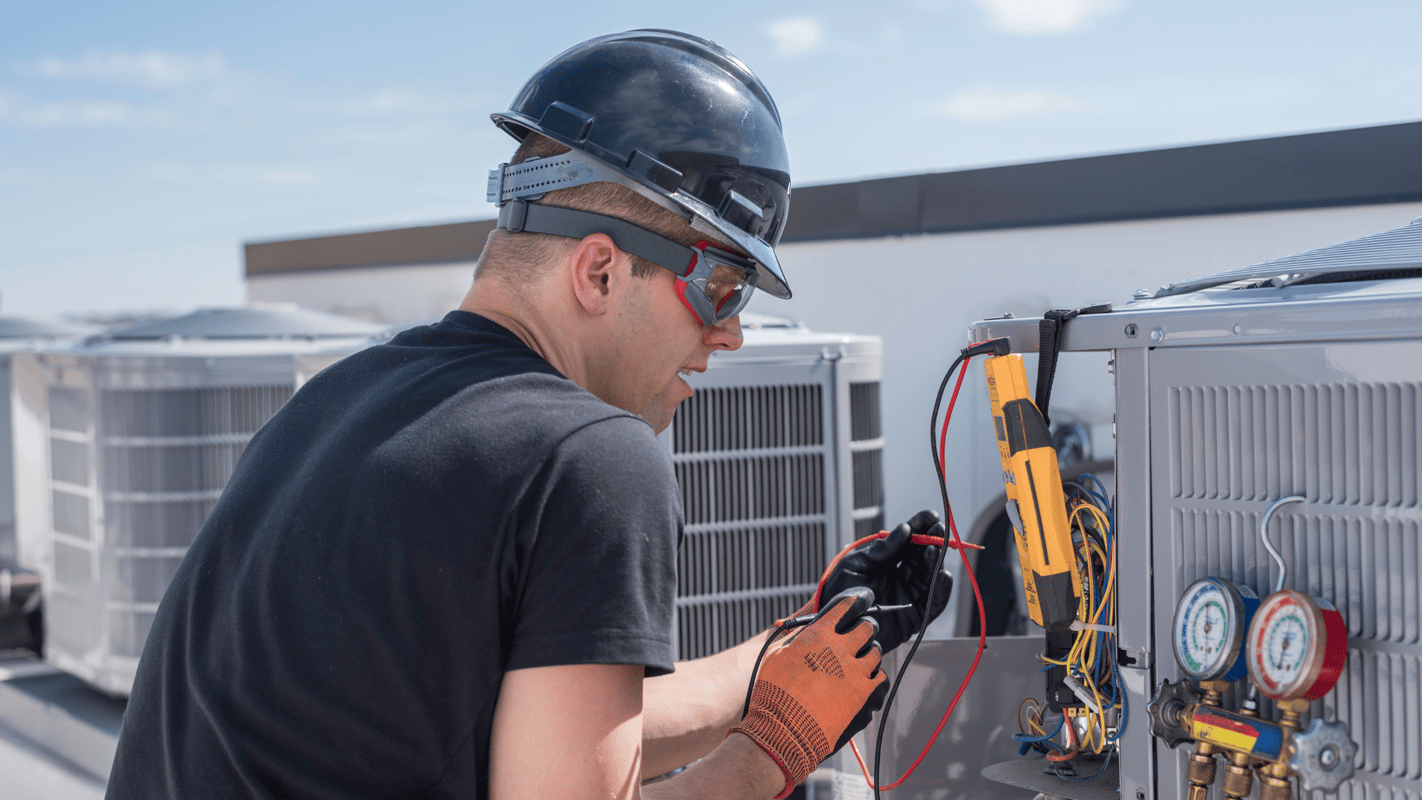
Diagnostic tools are essential for identifying problems in HVAC systems accurately. Technicians use multimeters to check electrical currents and voltages, ensuring components receive the correct power. Refrigerant gauges measure pressure levels in cooling systems, helping to spot leaks or inefficiencies.
Many HVAC techs also rely on thermal cameras to detect temperature variations that may indicate blockages or failing parts. These tools save time and reduce guesswork, making troubleshooting faster and more effective.
Repair Instruments
Repair instruments are the hands-on tools that fix the issues uncovered during diagnosis. Wrenches, screwdrivers, and pliers come in various sizes to handle different components within HVAC units. Tubing cutters and brazing kits allow techs to modify and join pipes safely and precisely.
Having the right repair tools means you can replace faulty parts or tighten connections without causing further damage. Imagine trying to fix a delicate valve without the proper wrench — it quickly becomes clear why these instruments matter.
Safety Gear
Safety gear protects HVAC technicians from hazards like electrical shocks, sharp edges, and harmful chemicals. Gloves and safety glasses are standard to prevent injuries during inspections and repairs. Respirators may be necessary when dealing with refrigerants or dusty environments.
Wearing the correct safety gear ensures you can focus on the task without risking your health. Have you ever considered how much safer a job becomes with the right equipment protecting you every step of the way?
Training And Certification
Training and certification prepare HVAC technicians to install, maintain, and repair heating and cooling systems. These credentials show they have the skills to work safely and efficiently. Hands-on practice and exams ensure readiness for real-world tasks.
Training and Certification The journey to becoming a skilled HVAC technician is both demanding and rewarding. It involves comprehensive training and obtaining necessary certifications. By understanding the educational requirements, certification programs, and the importance of ongoing learning, you can set a strong foundation for a successful career in HVAC.Educational Requirements
To start, an aspiring HVAC technician typically needs a high school diploma or GED. Subjects like math, physics, and vocational training courses can give you a strong edge. Many choose to attend technical schools where hands-on training is emphasized, making complex concepts more relatable.Certification Programs
Certifications are crucial in the HVAC industry. They not only validate your skills but also boost your credibility. The Environmental Protection Agency (EPA) Section 608 Certification is a must-have for handling refrigerants. Many states also offer additional certifications that can enhance your job prospects and salary potential.Ongoing Learning
The HVAC field is ever-evolving with technological advancements. Committing to ongoing learning ensures you stay updated with the latest systems and techniques. Many professionals attend workshops and seminars regularly, which not only enhance their skills but also expand their professional network. Are you willing to invest in continuous growth to stay ahead in your career?Challenges Faced By Hvac Technicians
HVAC technicians face many challenges every day. Their job demands physical strength, sharp skills, and patience. They work in different environments and handle complex systems. Meeting high customer expectations adds to their stress. Understanding these challenges shows how tough and important their role is.
Physical Demands
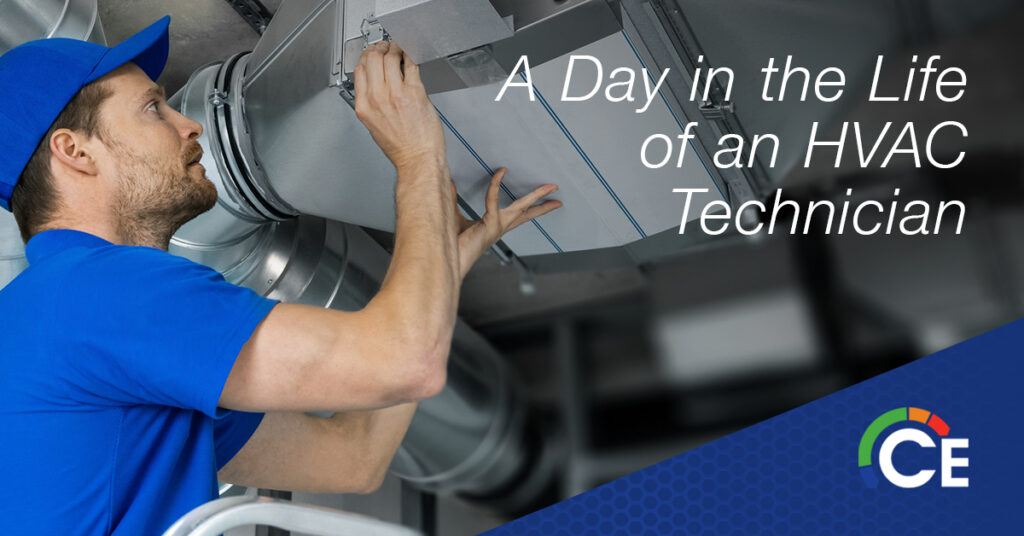
HVAC technicians often lift heavy equipment. They work in tight spaces, sometimes crawling or bending. Climbing ladders and working on rooftops is common. They face extreme temperatures, both hot and cold. Physical endurance is key to finishing tasks safely and well.
Technical Complexities
Modern HVAC systems have many parts and functions. Technicians must know how to fix electrical, mechanical, and digital components. Diagnosing problems requires careful testing and analysis. Staying updated with new technology is a constant need. Precision and skill prevent costly errors and ensure system efficiency.
Customer Expectations
Customers want quick, reliable service. They expect clear explanations and honest advice. Technicians must manage time wisely to meet deadlines. Handling complaints calmly is part of the job. Building trust through good communication helps create satisfied clients.
Credit: www.carrierenterprise.com
Frequently Asked Questions
What Tasks Does An Hvac Technician Perform Daily?
An HVAC technician installs, maintains, and repairs heating, ventilation, and air conditioning systems. They ensure systems run efficiently and safely. Regular tasks include diagnosing issues, replacing parts, and conducting routine inspections to improve indoor air quality and comfort.
How Do Hvac Techs Diagnose System Problems?
HVAC technicians use specialized tools to test system components. They check electrical connections, refrigerant levels, and airflow. By identifying faults accurately, they can fix issues quickly, preventing further damage and improving system performance.
What Skills Are Essential For An Hvac Technician?
HVAC techs need mechanical knowledge, problem-solving skills, and technical expertise. Good communication and customer service are important for explaining repairs. They must also follow safety protocols and stay updated with industry standards and technologies.
How Does Hvac Tech Work Impact Energy Efficiency?
HVAC technicians optimize system performance to reduce energy waste. Proper maintenance and timely repairs help systems run efficiently. This lowers utility bills and minimizes environmental impact, promoting sustainable energy use in homes and businesses.
Conclusion
HVAC technicians keep homes and buildings comfortable year-round. They install, maintain, and fix heating and cooling systems. Their work ensures air quality and energy efficiency. These techs use tools and skills daily to solve problems. Understanding their role helps you appreciate their importance.
Next time your AC or heater acts up, you know who to call. HVAC techs play a key part in everyday comfort and safety.



