
Have you ever noticed a stuffy room that makes it hard to breathe or leaves you feeling tired and uncomfortable? That’s a clear sign your space isn’t getting enough ventilation.
But what exactly happens when ventilation is not sufficient? Understanding this can help you protect your health and improve the air you breathe every day. You’ll discover the surprising effects of poor ventilation and learn what you can do to keep your environment fresh and safe.
Keep reading—your comfort and well-being depend on it.

Credit: www.jacc.org
Causes Of Poor Ventilation
Poor ventilation happens when fresh air cannot flow freely inside a building. It causes stale air, moisture buildup, and even health problems. Understanding the causes helps to fix these issues quickly. Several factors play a role in limiting proper airflow and ventilation.
Common Ventilation Issues
- Blocked or dirty vents stop air movement.
- Closed windows and doors reduce fresh air entry.
- Faulty exhaust fans fail to remove indoor pollutants.
- Clogged air filters restrict airflow in HVAC systems.
- Poor maintenance causes buildup of dust and debris.
Impact Of Building Design
Some buildings are built with limited ventilation features. Small or sealed windows cut off fresh air. Open spaces and high ceilings help air circulate better. Buildings with poor layout trap air inside. Walls and partitions may block airflow paths. Older homes often lack modern ventilation systems.
Effects Of Climate And Environment
Hot and humid climates increase indoor moisture and reduce air quality. Cold weather leads to tightly closed windows, limiting fresh air. Pollution outside can force residents to keep windows shut. Nearby trees or buildings may block wind flow. These environmental factors make ventilation less effective.
Indoor Air Quality Concerns
Indoor air quality is a crucial factor that affects your health and comfort. When ventilation is not enough, the air inside your home or office can become a mix of harmful substances. This can lead to various problems that you might not immediately notice but can impact you over time.
Accumulation Of Pollutants
Poor ventilation allows pollutants like dust, pet dander, and chemicals from cleaning products to build up. These particles linger in the air and can trigger allergies or respiratory problems. You may feel tired or have headaches without realizing that the air quality is the cause.
Think about the last time you stayed in a room with closed windows for hours. Did you notice the air feeling stale or heavier? That’s a sign pollutants are collecting and not being removed.
Humidity And Mold Growth
Without proper airflow, moisture levels rise and create a perfect environment for mold. Mold not only damages your walls and furniture but also releases spores that can cause coughing and skin irritation. You might spot a musty smell before seeing visible mold patches.
Have you ever felt a damp or sticky feeling inside your home after a rainy day? That’s a clue your ventilation isn’t managing humidity well, which can lead to mold problems if ignored.
Carbon Dioxide Buildup
High levels of carbon dioxide (CO2) occur when fresh air doesn’t circulate properly. This can cause you to feel sleepy, dizzy, or have trouble concentrating. It’s common in crowded rooms or spaces with sealed windows and doors.
Next time you’re in a stuffy room, notice how your alertness changes. Poor ventilation means your brain isn’t getting enough oxygen-rich air, which directly affects how well you function.
Short-term Health Effects
When ventilation is not sufficient, the air quality in your space deteriorates quickly. This can lead to a range of short-term health effects that you might not immediately link to poor air circulation. Understanding these effects can help you take proactive steps to ensure a healthier environment.
Respiratory Irritations
Inadequate ventilation can cause respiratory irritations. You might notice a scratchy throat or a persistent cough after spending time in a poorly ventilated area. This is often due to the accumulation of dust, mold, and other airborne irritants.
Headaches And Fatigue
Have you ever wondered why you feel unusually tired or have a nagging headache after staying indoors for too long? Poor ventilation can lead to a buildup of carbon dioxide, which contributes to these symptoms. Ensuring fresh air flow can significantly improve your alertness and energy levels.
Allergic Reactions
Without proper ventilation, allergens such as pollen and pet dander can linger in your living space. This can exacerbate allergies, causing sneezing, itching, and watery eyes. Regularly opening windows or using air purifiers can help mitigate these reactions.
Credit: itsairborne.com
Long-term Health Risks
Poor ventilation can cause serious health issues over time. Breathing stale, polluted air harms the body. Harmful particles and gases build up indoors. This leads to long-term health risks. Understanding these risks helps protect well-being.
Chronic Respiratory Diseases
Insufficient ventilation increases the chance of lung problems. Dust, mold, and chemicals cause inflammation in airways. People may develop asthma or chronic bronchitis. Symptoms include coughing, wheezing, and shortness of breath. Repeated exposure worsens lung function gradually. Children and the elderly face higher risks.
Cardiovascular Problems
Bad indoor air affects the heart and blood vessels. Pollutants enter the bloodstream through the lungs. This can raise blood pressure and cause artery damage. Over time, the risk of heart attacks and strokes grows. Poor ventilation is linked to higher rates of heart disease. Keeping air clean supports heart health.
Impact On Mental Health
Stale air reduces oxygen flow to the brain. This causes fatigue, headaches, and difficulty concentrating. Long-term exposure may increase anxiety and depression risks. Poor indoor air quality can harm mood and memory. Proper ventilation helps maintain clear thinking and emotional balance.
Vulnerable Populations
Ventilation plays a key role in maintaining air quality. Poor ventilation affects many people but hits vulnerable populations hardest. These groups face more health problems when air circulation is not enough. Understanding who these populations are helps highlight the risks they face.
Children And Elderly
Children and the elderly have weaker immune systems. They breathe faster and take in more air relative to their body size. Poor ventilation raises the chance of breathing harmful particles. This can cause respiratory infections, allergies, and asthma flare-ups. Indoor air pollutants affect their lungs and overall health more severely.
People With Preexisting Conditions
Those with asthma, heart disease, or lung problems suffer more from bad air. Pollutants build up without proper ventilation, worsening their symptoms. They may experience shortness of breath, chest pain, or frequent coughing. Their conditions can become harder to control and may lead to hospital visits.
Occupational Exposure Risks
Workers in factories, kitchens, or dusty places face higher risks. Poor ventilation traps fumes, dust, and chemicals indoors. This exposure can cause headaches, dizziness, or long-term lung damage. Employers must ensure proper airflow to protect these workers from harmful effects.
Detection And Monitoring
Detecting poor ventilation early helps protect health and comfort. Monitoring indoor air quality reveals problems before they worsen. Several tools and techniques assist in tracking air conditions and related symptoms. These methods provide clear data to act on quickly.
Air Quality Sensors
Air quality sensors measure pollutants like carbon dioxide, humidity, and dust. These devices offer real-time data on indoor air conditions. Many sensors connect to smartphones or home systems for easy monitoring. They alert users when air quality drops below safe levels. This technology helps maintain fresh and breathable air in any space.
Symptom Tracking
Tracking physical symptoms can indicate poor ventilation effects. Common signs include headaches, dizziness, and fatigue. Keeping a log of these symptoms helps identify patterns linked to air quality. It also assists healthcare providers in diagnosing ventilation-related issues. Symptom tracking supports timely interventions to improve indoor air.
Professional Assessments
Experts use specialized equipment to evaluate ventilation systems thoroughly. They measure airflow, pollutant levels, and humidity accurately. Professionals recommend improvements based on detailed analysis. Regular assessments ensure ventilation meets health and safety standards. Hiring experts can prevent long-term problems and costly repairs.
Improving Ventilation
Improving ventilation is key when the air inside your space feels stale or when moisture and pollutants build up. Without enough fresh air, discomfort and even health problems can arise. Luckily, there are straightforward ways to boost airflow that you can try right away.
Natural Ventilation Methods
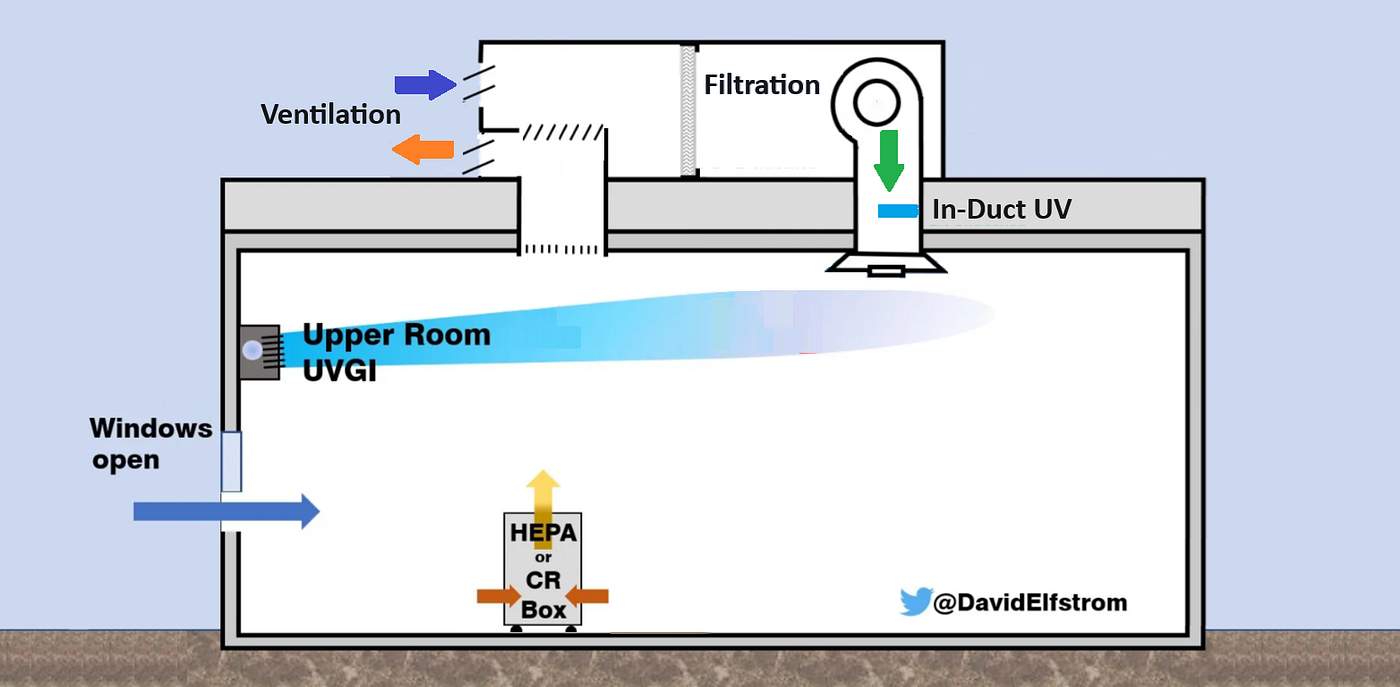
Opening windows and doors strategically allows fresh air to flow through your home or office. Cross-ventilation, where air enters from one side and exits from the opposite, is especially effective.
Adding vents or using trickle vents in windows can keep air moving even when it’s cold outside. You might also consider installing skylights that open to release hot air rising indoors.
Have you noticed how a simple breeze makes a room instantly more comfortable? That’s the power of natural ventilation working well.
Mechanical Ventilation Solutions
If natural airflow isn’t enough, mechanical systems can help. Exhaust fans in kitchens and bathrooms remove moisture and odors quickly.
Whole-house ventilation systems, such as heat recovery ventilators (HRVs), exchange indoor air with fresh outside air while saving energy. These are great in tightly sealed buildings where windows don’t open often.
Think about your last visit to a place with poor air circulation—did you feel stuffy or tired? Mechanical ventilation can fix that problem efficiently.
Maintenance Best Practices
Even the best ventilation systems need regular care to work well. Cleaning or replacing filters keeps air flowing freely and prevents dust buildup.
Check vents and fans for blockages or damage every few months. A simple inspection can stop small issues from turning into costly repairs.
Have you ever ignored a clogged vent and then wondered why the air felt bad? Staying on top of maintenance keeps your space fresh and healthy.
Credit: www.biosysmed.com
Frequently Asked Questions
What Happens When Ventilation Is Insufficient Indoors?
When ventilation is insufficient, indoor air quality deteriorates. Pollutants and moisture accumulate, causing discomfort and health risks like headaches and allergies.
How Does Poor Ventilation Affect Respiratory Health?
Poor ventilation increases exposure to indoor pollutants. This can cause respiratory issues, worsen asthma, and lead to infections or chronic lung conditions.
Can Insufficient Ventilation Cause Mold Growth?
Yes, inadequate ventilation traps moisture, creating damp environments. This promotes mold growth, which damages property and triggers allergic reactions and respiratory problems.
Why Is Proper Ventilation Crucial In Workplaces?
Proper ventilation removes contaminants and controls temperature. It ensures a safe, comfortable environment, enhancing productivity and reducing illness and absenteeism.
Conclusion
Poor ventilation causes stale air and discomfort indoors. It can lead to health problems like headaches and tiredness. Moisture builds up, causing mold and damage to walls. Airborne pollutants increase, making breathing harder. Proper airflow keeps spaces fresh and safe.
Always check ventilation to avoid these issues. Good air means better health and comfort. Don’t ignore signs of poor ventilation in your home or workplace. Act early to maintain clean and fresh air for everyone.



