
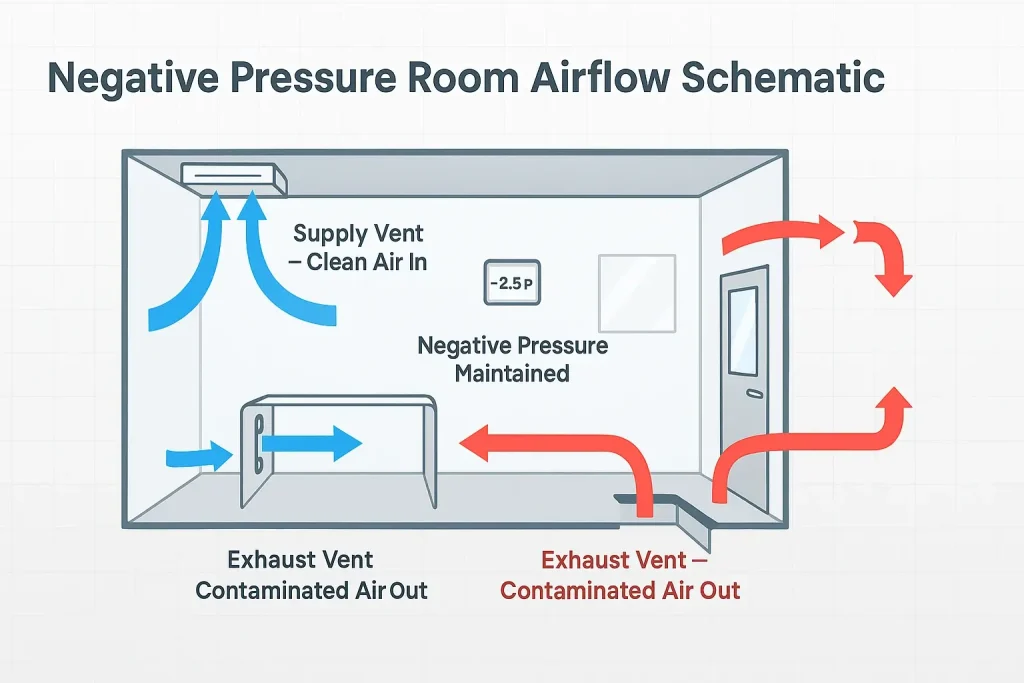
Is your room feeling stuffy, damp, or just plain uncomfortable? You might not realize it, but proper ventilation can make a huge difference in how your space feels and even how healthy it is.
Knowing how to vent a room correctly isn’t just about fresh air—it’s about creating a comfortable, safe environment for you and your family. You’ll discover simple, effective ways to improve airflow in any room. By the time you’re done, you’ll have practical tips you can use right away to breathe easier and enjoy your space more.
Ready to transform your room? Let’s dive in.
Benefits Of Proper Ventilation
Proper ventilation brings many important benefits to any room. It helps keep the air fresh and healthy. Ventilation also controls moisture levels and prevents harmful mold growth. Plus, it makes the room feel more comfortable for everyone inside.
Improved Air Quality
Ventilation removes stale air and replaces it with fresh air. This helps lower indoor air pollution. Dust, allergens, and odors get flushed out. Fresh air reduces the risk of breathing problems. Clean air supports better health and well-being.
Reduced Moisture And Mold
Proper airflow controls moisture in the room. It stops dampness that causes mold and mildew. Mold can damage walls and furniture. It also causes allergies and respiratory issues. Ventilation keeps surfaces dry and safe.
Enhanced Comfort
Good ventilation helps keep room temperature stable. It prevents stuffiness and overheating. Air moves freely, creating a pleasant space. Proper airflow can reduce the need for extra cooling or heating. This makes the room more comfortable for everyone.
Credit: www.thegeekpub.com
Signs Your Room Needs Venting
Recognizing the signs that your room needs venting can save you from discomfort and potential health issues. Poor ventilation often goes unnoticed until it causes noticeable problems. Paying attention to subtle clues can help you act before the situation worsens.
Musty Odors
Have you ever walked into a room and immediately noticed a damp, musty smell? This odor often signals trapped moisture and poor air circulation. It’s a clear sign that stale air is lingering, and your room needs fresh airflow.
Musty smells can also indicate mold growth. Mold thrives in damp, unventilated spaces and can affect your health over time. If you detect this odor, it’s time to open windows or use fans to circulate air.
Condensation On Windows
Do you see water droplets forming on your windows, especially in the morning? Condensation happens when moist air cools and turns into water on cold surfaces. This buildup points to high humidity levels inside your room.
Excess moisture can damage walls, paint, and furniture. It also creates a perfect environment for mold spores. Venting helps reduce humidity by allowing moist air to escape and dry air to enter.
Stale Or Stuffy Air
When your room feels heavy and hard to breathe in, it’s often because the air isn’t moving. Stale or stuffy air can cause headaches, fatigue, and even concentration problems. You might not notice it at first, but your body definitely will.
Try opening a window or door and see how quickly the air quality improves. If you feel better instantly, your room likely needs better ventilation. Regularly refreshing the air keeps your space healthy and comfortable.
Natural Ventilation Methods
Opening windows and doors on opposite sides lets fresh air flow through the room easily. Using vents or fans can also help move air and reduce stuffiness. Natural airflow keeps spaces cool and comfortable without extra energy.
Natural ventilation is an eco-friendly way to freshen indoor air. It uses the natural flow of air to remove stale air. This method can improve air quality without high energy costs. Here are some effective natural ventilation techniques.Opening Windows And Doors
Opening windows and doors allows fresh air to enter. This simple step can refresh your space quickly. Ensure windows and doors are open wide for better airflow. Choose opposite sides of the room for maximum effect. Fresh air can sweep through, pushing out stagnant air. This method works well in mild weather.Using Cross Ventilation
Cross ventilation uses wind to move air through your space. Open windows on opposite sides of the room. The wind enters from one side and exits from the other. This creates a natural breeze indoors. It helps cool down the room and removes pollutants. Ensure no obstructions block the airflow path.Adding Ventilation Grilles
Ventilation grilles help air circulate even when windows are closed. Install them on doors or walls for constant airflow. They allow air to move between rooms, improving ventilation. Grilles are useful in areas with limited window access. They maintain privacy while enhancing air movement. Choose designs that match your room’s decor. These methods can improve indoor air quality naturally. They are easy to implement and cost-effective.Mechanical Ventilation Options
Mechanical ventilation offers reliable ways to improve air circulation in your room, especially when natural airflow isn’t enough. These options help remove stale air and bring in fresh air, making your space healthier and more comfortable. Understanding these choices allows you to pick the best one for your needs and setup.
Installing Exhaust Fans
Exhaust fans are a smart choice for removing unwanted air, odors, and moisture quickly. They work by pulling air out of the room and pushing it outside, which reduces stuffiness and lowers humidity levels.
Think about installing an exhaust fan in rooms like kitchens or bathrooms where moisture builds up fast. These fans come in various sizes and power levels, so you can choose one that fits your room size and ventilation needs perfectly.
Using Air Purifiers With Ventilation Features
Air purifiers with ventilation functions not only clean the air but also help circulate it effectively. These devices often include filters that trap dust, allergens, and pollutants while moving air around the room.
If you suffer from allergies or want to reduce airborne particles, this option adds an extra layer of air quality control. Some models even have sensors to adjust airflow automatically based on air quality, making them convenient and energy efficient.
Adding Ceiling Fans
Ceiling fans don’t remove air from your room but help improve circulation by moving air around. This movement can make the room feel cooler in summer and help distribute warm air evenly in winter.
Adding a ceiling fan is a cost-effective way to boost ventilation, especially in rooms without windows or where you can’t install exhaust fans. Plus, many fans come with reversible motors to change the direction of airflow depending on the season.
Diy Ventilation Tips
Improving the ventilation in your room doesn’t have to be complicated or expensive. Small changes can make a big difference in how fresh and comfortable your space feels. You just need a few simple tools and some know-how to boost airflow and air quality effectively.
Creating Airflow With Fans
Fans are a quick way to create airflow and reduce stuffiness. Position a fan near an open window to pull fresh air inside and push stale air out. If you have two fans, try placing one facing inwards and the other facing outwards on opposite sides of the room to create a cross breeze.
Have you tried adjusting your fan’s speed settings? Sometimes a lower speed circulating air gently works better than blasting full power. This approach also reduces noise and energy use.
Using Plants To Improve Air Quality
Plants are natural air purifiers that add beauty while improving your room’s air. Snake plants, spider plants, and peace lilies are great choices because they remove toxins and increase oxygen levels. Place a few pots near your windows or fan to help freshen the air continuously.
Did you know some plants thrive better indoors with indirect sunlight? This means you can keep your air-cleaning greenery alive even in less sunny rooms. Plus, caring for plants encourages you to spend time near them, which boosts your mood and reminds you to open windows regularly.
Keeping Vents Clear
Blocked vents stop air from circulating properly, causing rooms to feel stale and uncomfortable. Make it a habit to check your vents regularly and remove dust or objects that might be blocking airflow. Even small obstructions can drastically reduce ventilation efficiency.
Have you noticed how much dust collects around your vents? Cleaning these areas with a vacuum or brush every few weeks can make the air feel fresher instantly. Clear vents also help your HVAC system work better, saving energy and money.
Credit: www.avsforum.com
Maintaining Ventilation Systems
Maintaining your ventilation system is key to keeping your room fresh and healthy. Neglecting it can reduce airflow, increase energy costs, and even cause unpleasant odors. Simple upkeep tasks can prevent these issues and extend the life of your system.
Regular Cleaning
Dust and debris build up quickly in vents and ducts. Cleaning them regularly ensures air moves freely and stays clean. You can use a vacuum with a brush attachment or a damp cloth to wipe down vent covers and accessible ducts.
I once ignored cleaning my vents for months, and my allergies worsened noticeably. After a thorough cleaning, the difference was clear—breathing became easier and the room felt fresher.
Checking For Blockages
Blockages like leaves, nests, or even small objects can stop air from circulating properly. Inspect vents and ducts periodically to spot any obstructions. Clear away anything blocking the airflow to keep your system running smoothly.
Have you ever noticed one room feels stuffy while others are fine? That might be a sign of a blockage. Taking a moment to check can save you from bigger problems down the line.
Replacing Filters
Filters trap dust and pollutants but get clogged over time. Replace your ventilation filters according to the manufacturer’s recommendation, usually every 3 to 6 months. Fresh filters improve air quality and reduce strain on your system.
Think about how a dirty filter is like trying to breathe through a straw. Changing filters regularly keeps air flowing freely and maintains a healthy environment in your room.
Energy-efficient Venting Strategies
Venting your room efficiently can save energy and keep your space comfortable. It’s not just about opening windows or turning on fans; smart venting means using methods that reduce energy waste. Small changes can make a big difference in your utility bills and the environment.
Using Timers And Sensors
Timers and sensors help control when and how long your ventilation runs. Instead of leaving fans on all day, set timers to operate only during peak humidity or cooking times. Sensors can detect moisture or air quality, turning vents on or off automatically to keep your room fresh without wasting power.
Think about your own routine. Would a humidity sensor in your bathroom prevent mold and save energy? This simple tool can keep your room healthy and your energy use low.
Sealing Air Leaks
Air leaks let conditioned air escape and outdoor air in, making your heating or cooling work harder. Check windows, doors, and vents for gaps or cracks. Use weatherstripping or caulk to seal these leaks and improve your room’s ventilation efficiency.
Have you ever felt a draft near a window or door? Sealing these spots can stop uncomfortable cold or heat from sneaking in, helping your venting system perform better without extra energy use.
Balancing Ventilation With Insulation
Good insulation keeps your room’s temperature stable, but it also means you need to balance how much fresh air you bring in. Too much ventilation in a well-insulated room can waste energy, while too little can cause stuffiness.
Ask yourself: Is your room insulated well enough to hold temperature? Adjust your ventilation to match insulation levels, ensuring fresh air without losing heat or coolness unnecessarily.

Credit: woodstone-corp.com
Frequently Asked Questions
How Do I Vent A Room Naturally?
Open windows and doors on opposite sides to create cross-ventilation. Use fans to enhance airflow and remove stale air effectively.
What Are The Best Tools To Vent A Room?
Use exhaust fans, ceiling fans, and window fans. These tools improve air circulation and help remove humidity and odors quickly.
How Often Should I Vent A Room?
Vent rooms daily, especially after cooking or showering. Regular ventilation reduces moisture buildup and prevents mold growth.
Can Venting Improve Indoor Air Quality?
Yes, venting removes pollutants, allergens, and moisture from the air. It helps maintain a healthy and fresh indoor environment.
Conclusion
Proper room ventilation keeps air fresh and healthy. Open windows and use fans to help airflow. Remove stale air and bring in clean air. Check vents regularly to avoid blockages or dust. Ventilation reduces moisture and prevents mold growth. Simple steps make your space more comfortable.
Keep your room well-ventilated for better living. Fresh air helps you breathe easier and feel good. Start venting today for a healthier home environment.



