
Have you ever sat in a car on a hot day and wished your seat could actually cool you down? Ventilated seats might just be the comfort upgrade you didn’t know you needed.
But how do these seats work to keep you cool and comfortable, even when the temperature soars? Understanding the simple technology behind ventilated seats can change the way you experience driving, making every ride more enjoyable. Let’s dive into how ventilated seats work and why they could be a game-changer for your comfort.
Ventilated Seat Basics
Ventilated seats add comfort by keeping you cool during hot days. They use a simple system to move air through the seat surface. This helps reduce sweat and keeps your body temperature balanced. Understanding the basics of ventilated seats reveals how they improve your driving experience.
What Are Ventilated Seats
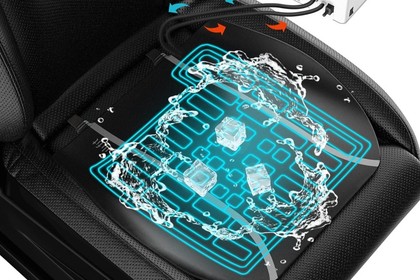
Ventilated seats have built-in fans or air channels. These parts pull air from outside and blow it through tiny holes in the seat cover. The air moves around your body, helping sweat evaporate faster. This process creates a cooling effect on your skin.
Unlike heated seats that warm you up, ventilated seats focus on cooling. They are especially useful in warm climates or during summer months. The goal is to make sitting more pleasant and reduce discomfort caused by heat.
Key Components
- Fans:Small electric fans push air through the seat cushion.
- Air Channels:Built inside the seat, these guide the airflow evenly.
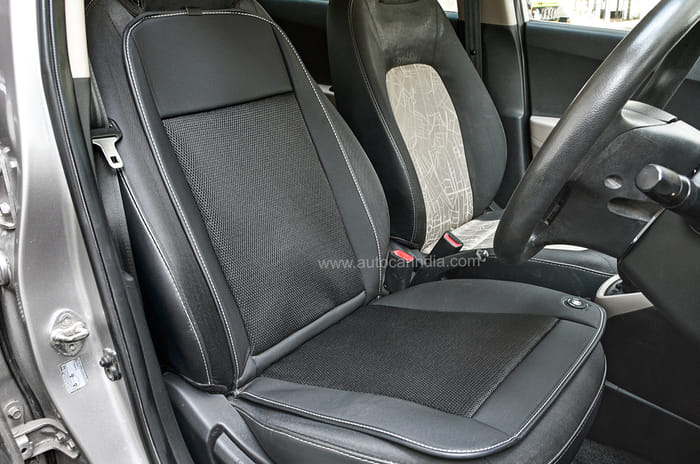
- Perforated Seat Cover:Tiny holes in the leather or fabric let air pass through.
- Control Switch:Allows the driver or passenger to adjust airflow levels.
- Power Source:Usually connected to the car’s electrical system to run the fans.
Each part works together to keep the seat cool and comfortable. The system runs quietly, so it does not distract the driver. Ventilated seats provide a simple yet effective way to stay fresh on the road.
Credit: www.autocarindia.com
Cooling Mechanism
The cooling mechanism in ventilated seats is designed to keep you comfortable, especially during hot drives. Instead of just blowing cold air into the car, these seats focus on managing temperature right where you sit. Understanding how this system works can help you appreciate the technology and use it more effectively.
Airflow System
The core of ventilated seats is their built-in airflow system. Tiny fans or blowers are placed beneath the seat surface, gently pushing air through perforations in the seat material.
This airflow moves moisture and heat away from your body, which helps reduce sweat and stickiness. Imagine sitting on a warm car seat after a long day—ventilated seats prevent that uncomfortable feeling by constantly circulating air.
Have you noticed how some seats feel cooler even without air conditioning? That’s the airflow system at work, creating a subtle breeze that keeps you fresh.
Temperature Regulation
Ventilated seats don’t just push air—they also regulate temperature to suit your preferences. Most systems allow you to adjust the airflow intensity, giving you control over how cool you want to feel.
Some advanced models even link the seat ventilation with the car’s climate control system, automatically adjusting based on outside temperature or how long you’ve been driving. This means the seat cools you when you need it most without draining extra energy.
Think about how this could improve your daily commute or road trips. Wouldn’t it be great if your seat adapted to your comfort without you needing to fiddle with settings constantly?
Benefits Of Ventilated Seats
Ventilated seats bring several benefits that improve your driving experience. They make your time in the car more pleasant and healthier. These seats use small fans to move air through the seat surface. This helps keep you cool and dry. Understanding the benefits can show why ventilated seats are a smart choice for many drivers.
Comfort In Hot Weather
Ventilated seats reduce sweat by circulating air. This airflow cools your body during hot days. You stay fresher and avoid sticky discomfort. It helps prevent overheating on long drives. The seats also dry moisture faster than regular seats. This keeps the car interior feeling clean and pleasant.
Health Advantages
These seats help reduce skin irritation from sweat. Good airflow lowers the risk of rashes and discomfort. They also improve blood circulation by reducing heat buildup. This can make long trips less tiring. Ventilated seats support better posture by keeping you cool and relaxed. They contribute to a healthier and more comfortable driving experience overall.
Comparison With Heated Seats
Ventilated seats and heated seats both enhance your driving comfort, but they work in very different ways. Understanding these differences can help you decide which feature suits your needs best. Let’s compare how each system operates and when you might prefer one over the other.
Function Differences
Ventilated seats use small fans or blowers built into the seat cushions to circulate air. This airflow helps cool your body by moving heat and moisture away from your skin. It’s especially useful during hot weather or long drives where you tend to sweat.
Heated seats, on the other hand, use electric heating elements embedded in the seat material. These elements warm the seat surface, providing immediate heat during cold weather. The sensation is direct and cozy, making it easier to warm up quickly on chilly mornings.
When To Use Each
Think about your local climate and your typical driving conditions. Ventilated seats are great if you live in a hot or humid area or if your car often gets baked in the sun. They keep you comfortable by preventing sweat buildup and overheating.
If you face cold winters or early morning commutes in freezing temperatures, heated seats are your best friend. They provide fast warmth and can make those cold starts less uncomfortable. Some vehicles offer both options, so you can switch depending on the weather.
Which feature would improve your daily drive more? Sometimes, having both options can make your car feel like a personal climate-controlled space tailored exactly to your comfort.
Technology Variations
Ventilated seats use small fans to circulate air through tiny perforations in the seat material. This airflow helps in cooling the seat surface, providing comfort during hot weather. Some systems can also remove moisture, enhancing the seating experience.
Ventilated seats offer a comfortable drive by keeping you cool. They use advanced technology to circulate air through the seat, enhancing comfort. There are various technology variations that make this possible. Each car manufacturer may use a unique approach to achieve the same goal.Different Designs
Different designs are used in ventilated seats to achieve optimal airflow. Some designs use small fans placed beneath the seat surface. These fans pull air through the seat, creating a cooling effect. Other designs incorporate ducts that channel the air directly. This ensures even distribution across the seat. Some systems are integrated into the seat cushion. Others are placed within the seat back. This variation affects how the air is felt by the passenger. Each design aims to maximize comfort and efficiency.Material Impact
The material of the seat plays a significant role in ventilation. Leather and fabric seats interact differently with ventilation systems. Leather, being less porous, may require stronger airflow systems. Fabric, on the other hand, allows more natural air passage. Some seats use perforated materials. This design choice enhances air circulation. It allows air to move freely through the seat surface. The type of material used affects how quickly the seat cools down. The combination of technology and materials determines the effectiveness of ventilated seats. Each variation provides a unique experience for the user.Installation And Maintenance
Installing and maintaining ventilated seats can significantly boost your driving comfort, especially during hot weather. Understanding the options available for adding these seats to your vehicle and keeping them in good shape will save you time and frustration. Let’s look at practical ways to handle installation and maintenance so you enjoy the full benefits without hassle.
Retrofit Options
If your car didn’t come with ventilated seats, you can still add them. Retrofit kits are available for many car models. These kits usually include fans, wiring, and control switches that fit under or inside your existing seats.
Installation varies in difficulty. Some kits are plug-and-play, requiring only simple connections to your car’s power system. Others might need professional help to install properly and safely.
Before buying a retrofit kit, check if it’s compatible with your seat type and car model. Ask yourself: Do you want a quick DIY job, or are you comfortable with deeper modifications? This can affect both cost and time.
Cleaning Tips
Ventilated seats need regular cleaning to keep air flowing freely. Dirt and debris can clog the tiny fans and vents, reducing effectiveness and causing odors.
Use a vacuum with a soft brush attachment to remove dust from seat surfaces and vents. Avoid spraying liquid cleaners directly on the seat; instead, apply a mild cleaner to a cloth and wipe gently.
Consider using compressed air to blow out dust from the vent holes if you notice reduced airflow. How often you clean depends on your environment, but a good rule is to check every couple of months.
Future Trends
The future of ventilated seats is exciting. New technology will make these seats smarter and more connected. Comfort will improve with features that adapt to your needs. Cars will use smart systems to enhance your driving experience. These trends will change how ventilated seats work and feel.
Smart Features
Ventilated seats will have sensors to monitor body temperature. These sensors adjust airflow automatically for ideal comfort. Some seats will learn your preferences over time. Voice control will let you change settings without touching buttons. Lighting and massage functions may sync with ventilation for a full comfort experience.
Integration With Vehicle Systems
Seats will connect with the car’s climate control system. This allows better coordination between seat cooling and cabin temperature. Ventilation may adjust during different driving modes for comfort or energy saving. Integration with safety systems could detect stress or fatigue. The seat can then change airflow to help keep you alert and refreshed.

Credit: www.seatcoversolutions.com
Credit: www.i4talk.com
Frequently Asked Questions
How Do Ventilated Seats Cool The Car Interior?
Ventilated seats use built-in fans to circulate air through perforations. This airflow helps evaporate sweat and reduces heat buildup, keeping you cool and comfortable during drives.
Are Ventilated Seats Energy Efficient?
Yes, ventilated seats use low-power fans that consume minimal electricity. They provide cooling without significantly impacting the car’s overall energy consumption or fuel efficiency.
Can Ventilated Seats Prevent Sweating While Driving?
Absolutely. The airflow in ventilated seats helps wick moisture away from your skin. This reduces sweat accumulation and keeps you dry during hot weather or long drives.
Do All Cars Offer Ventilated Seats As Standard?
No, ventilated seats are usually available in mid to high-end models or as optional upgrades. Check your vehicle’s specifications or dealer options for availability.
Conclusion
Ventilated seats use small fans to move air through the seat surface. This helps keep you cool and dry during hot weather. The system works quietly and adjusts to your comfort needs. It also reduces sweat and stickiness, making long drives easier.
Many modern cars include this feature for better comfort. Knowing how ventilated seats work can help you choose the right car. Comfort matters, and these seats add a simple, useful touch. Enjoy cooler rides without extra effort or bulky equipment.
A small change that makes a big difference.



