
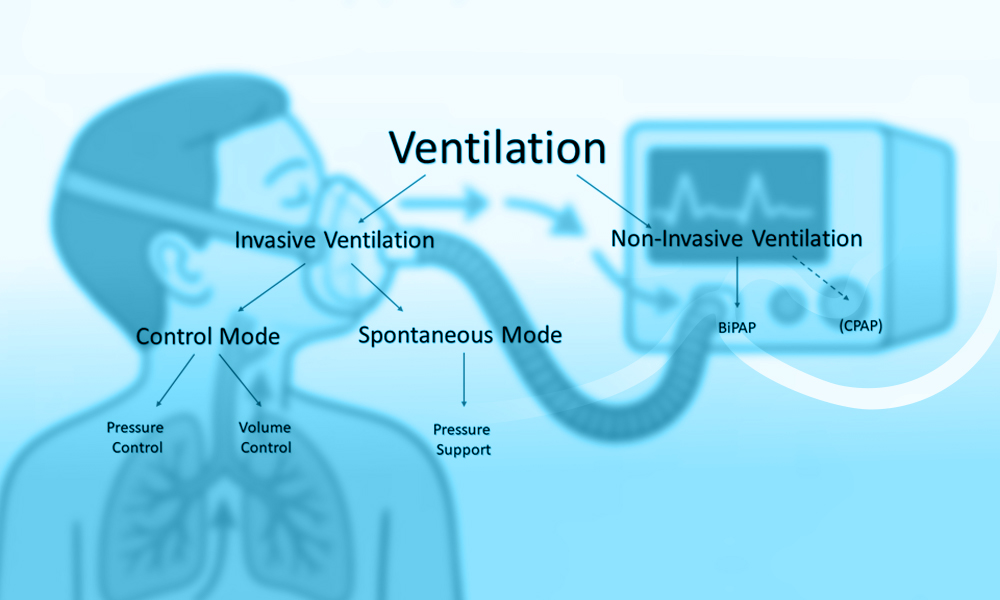
Have you ever wondered how some people breathe easier without needing a tube down their throat? A non invasive ventilator might be the answer.
This device supports your breathing without surgery or discomfort. If you or someone you care about struggles with breathing, understanding what a non invasive ventilator is can make a big difference. Keep reading to discover how this simple yet powerful tool can help improve your life or the life of a loved one.
Basics Of Non Invasive Ventilators
Understanding the basics of non invasive ventilators helps you grasp how they support breathing without the need for surgery or tubes inserted directly into the airway. These devices have become vital in treating respiratory issues while allowing patients to stay more comfortable and mobile.
Definition And Purpose
A non invasive ventilator (NIV) is a machine that helps you breathe by delivering air through a mask or similar device that fits over your nose or mouth. It provides extra oxygen or assists your breathing muscles without the need for a tube inserted into your windpipe.
The main purpose of NIV is to support breathing in cases of respiratory failure, sleep apnea, or chronic lung diseases. It reduces the work your lungs and muscles need to do, making it easier to get enough oxygen and remove carbon dioxide.
How They Differ From Invasive Ventilators
Unlike invasive ventilators, which require a tube inserted through the throat into the airway, non invasive ventilators use masks or nasal plugs. This means no surgery or sedation is necessary, lowering the risk of infections and complications.
Non invasive ventilators allow you to speak, eat, and move more freely. However, they may not be suitable for severe cases where invasive ventilation is necessary for full control of breathing.
Have you ever wondered how much easier recovery might be with a device that supports breathing without restricting your daily activities? That’s the real advantage NIV offers to many patients.
Types Of Non Invasive Ventilators
Non invasive ventilators come in several types, each designed to support breathing without the need for invasive procedures. Understanding these types can help you choose the right option for managing respiratory issues effectively. Let’s break down the main varieties and see how they differ in use and benefits.
Continuous Positive Airway Pressure (cpap)
CPAP machines deliver a steady stream of air at a constant pressure to keep your airways open. This type is often used for sleep apnea, helping you breathe smoothly throughout the night. The simplicity of CPAP makes it a popular choice, especially if you need consistent airway support without complicated settings.
Have you ever noticed how a steady, gentle pressure can prevent airway collapse? That’s exactly what CPAP does, improving sleep quality and reducing daytime fatigue.
Bi-level Positive Airway Pressure (bipap)
BiPAP devices provide two levels of pressure: higher when you breathe in and lower when you breathe out. This approach makes breathing feel more natural and less tiring, especially for people with conditions like COPD or more severe respiratory problems. The adjustable settings allow you to get customized support based on your breathing pattern.
If you’ve struggled with CPAP discomfort, BiPAP might be the solution. It gives you more freedom and comfort by matching your natural breath cycle.
Other Variants
Besides CPAP and BiPAP, there are other non invasive ventilators that cater to specific needs. Some offer advanced features like volume control or synchronized breaths to fit different medical conditions. You might find devices designed for children or portable models for easier travel.
Do you think a ventilator should adapt fully to your lifestyle? These variants aim to do just that, providing flexibility and targeted support without invasive methods.
Key Components And Features
Understanding the key components and features of a non-invasive ventilator can help you appreciate how this device supports breathing without the need for surgery or invasive tubes. Each part plays a crucial role in ensuring comfort, safety, and effective ventilation. Let’s break down the essential elements that make these devices reliable and user-friendly.
Masks And Interfaces
The mask is the part you interact with the most. It must fit snugly but comfortably to avoid leaks that reduce effectiveness. You’ll find different types such as nasal masks, full-face masks, and nasal pillows, each designed to suit various breathing needs and face shapes.
Choosing the right mask can be a challenge. A poor fit can cause skin irritation or disrupt sleep. Have you ever tried a mask that felt uncomfortable? That’s why many devices offer adjustable straps and soft cushion materials to improve your experience.
Sensors And Controls
Sensors monitor your breathing patterns and adjust airflow automatically. This feature ensures you get the right amount of air whether you’re awake or asleep. Controls allow you or your healthcare provider to set pressure levels and other settings tailored to your needs.
Modern ventilators often come with user-friendly touchscreens or buttons. These controls help you track your therapy progress and make adjustments without hassle. Imagine having a device that learns your breathing rhythm and adapts quietly in the background—this is how sensors improve your comfort.
Alarm Systems
Safety is critical, and alarm systems alert you to potential problems like mask leaks, disconnections, or low battery. These alarms give you peace of mind, especially during sleep when you might not notice issues immediately.
Some alarms use sound, while others may vibrate or display messages on the screen. They are designed to catch your attention quickly, so you can take action without delay. How would you feel knowing your ventilator is always watching out for you?
Medical Conditions Treated
Non-invasive ventilators support breathing without surgery or tubes inside the airway. They help many people breathe easier by providing air pressure through a mask. These devices treat several medical conditions that affect lung function and breathing patterns.
Understanding which conditions benefit from non-invasive ventilation can help patients and caregivers manage symptoms better. These ventilators improve oxygen levels and reduce the effort needed to breathe.
Chronic Obstructive Pulmonary Disease (copd)
COPD is a lung disease that blocks airflow and makes breathing hard. Non-invasive ventilators assist by pushing air into the lungs. This reduces the work of breathing and helps clear carbon dioxide from the body. Patients often use these ventilators during sleep or flare-ups to improve comfort and oxygen levels.
Sleep Apnea
Sleep apnea causes breathing to stop briefly during sleep. It leads to poor sleep and low oxygen levels. Non-invasive ventilators, like CPAP machines, keep airways open by providing steady air pressure. This prevents pauses in breathing and improves sleep quality and energy during the day.
Neuromuscular Disorders
Neuromuscular disorders weaken muscles needed for breathing. Non-invasive ventilators support these muscles by delivering air pressure. This helps maintain proper oxygen and carbon dioxide levels. Regular use can prevent respiratory failure and improve the quality of life for people with these conditions.
Benefits Of Using Non Invasive Ventilators
Non invasive ventilators offer significant advantages for patients with respiratory issues. These devices support breathing without the need for invasive procedures. Patients and healthcare providers often prefer them for several compelling reasons.
Reduced Risk Of Infection
Non invasive ventilators lower the risk of infection. They do not require surgery or intubation, which minimizes exposure to harmful pathogens. This is crucial for patients with weakened immune systems. The reduced infection risk contributes to faster recovery.
Comfort And Mobility
Patients find non invasive ventilators more comfortable. They allow for greater mobility, enabling patients to move freely. This mobility helps maintain muscle strength and overall well-being. Patients can continue with daily activities with minimal disruption.
Ease Of Use
Non invasive ventilators are user-friendly. They often come with simple controls and clear instructions. Patients and caregivers can operate them with ease. This simplicity reduces stress and improves compliance with treatment. The ease of use ensures that patients receive the necessary care efficiently.

Credit: www.wikiwand.com
Potential Challenges And Limitations
Non invasive ventilators (NIV) offer significant benefits, but they also come with certain challenges and limitations that can affect their success. Understanding these potential issues can help you better prepare and manage the treatment.
Patient Compliance
One of the biggest hurdles with non invasive ventilators is getting patients to use the device consistently. Wearing a mask for several hours daily can feel restrictive and uncomfortable, especially during sleep.
Some people may feel claustrophobic or anxious, leading to irregular use. Have you ever tried sleeping with something strapped to your face? It’s not easy, and this can directly impact the effectiveness of NIV therapy.
Skin Irritation And Discomfort
Prolonged use of the NIV mask often causes pressure sores, redness, or irritation on the skin. The tight seal needed to prevent air leaks can aggravate sensitive areas around the nose and face.
Adjusting the mask fit frequently or using cushioning pads may help, but discomfort remains a common complaint. How much discomfort are you willing to tolerate for better breathing support?
Effectiveness In Severe Cases
Non invasive ventilators work well for many conditions, but their effectiveness drops in severe respiratory failure. When the lungs are too damaged, NIV might not provide enough support to meet oxygen needs.
In such cases, invasive ventilation might be necessary despite the higher risks. It’s important to recognize when NIV is no longer sufficient and seek alternative treatments promptly.
Advancements And Innovations
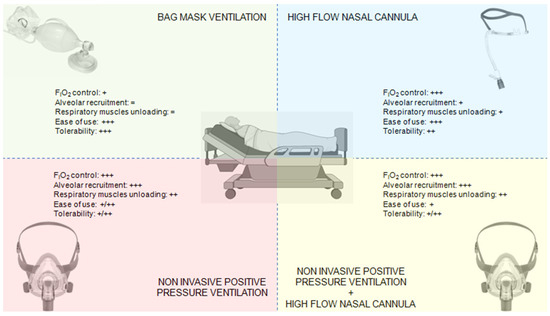
Advancements in non invasive ventilators have made breathing support easier and more effective. Innovations focus on comfort, technology, and mobility. These improvements help patients breathe with less stress and more freedom.
Improved Mask Designs
Masks now fit better on different face shapes. Softer materials reduce skin irritation and pressure marks. New designs allow easier adjustments for a tighter seal. This helps prevent air leaks and improves comfort during use.
Smart Technology Integration
Modern ventilators include smart sensors and algorithms. They adjust airflow automatically based on patient needs. Some devices connect to smartphones for monitoring and control. This technology helps provide personalized and precise breathing support.
Portable Devices
Portable ventilators are lighter and smaller than before. They offer battery power for use outside the home. Easy to carry on trips or daily activities. This freedom improves quality of life for many patients.
Credit: www.mdpi.com
Care And Maintenance Tips
Cleaning the device regularly keeps it working well and safe to use. Check and replace filters and masks as needed to maintain hygiene and performance. Store the ventilator in a clean, dry place to avoid damage and dust buildup.
Caring for your non-invasive ventilator is crucial to ensure it functions properly and lasts longer. Proper maintenance not only extends the life of the device but also ensures your safety and comfort. By following some simple care and maintenance tips, you can keep your ventilator in top shape and avoid unnecessary issues.Cleaning Procedures
Regular cleaning is essential to prevent the buildup of bacteria and other harmful particles. Disassemble the mask and tubing according to the manufacturer’s instructions. Wash these components with warm water and mild soap, then rinse thoroughly to remove all soap residues. Allow the parts to air dry completely before reassembling. Make it a habit to clean these parts daily to maintain hygiene. You can also use disinfectant wipes for quick cleaning in between thorough washes.Regular Checks
Inspect your ventilator regularly to ensure all parts are working properly. Check for any cracks or wear in the mask and tubing that might affect performance. Listen for unusual sounds, which could indicate a problem with the motor or other components. Run a system check if your ventilator has this function. It’s also wise to keep a log of these checks to track any recurring issues. Are you noticing any unusual changes in performance? It might be time to consult a technician.When To Replace Components
Knowing when to replace parts is vital for optimal performance. Masks and tubing generally need replacing every three to six months, depending on usage. Filters should be checked and replaced more frequently, usually every month. Pay attention to the fit of your mask. If it becomes loose or uncomfortable, it’s time for a new one. Keeping spare parts on hand can save you from unexpected inconveniences. Are you prepared for an unexpected breakdown? Having replacements ready can make all the difference.
Credit: emedicine.medscape.com
Frequently Asked Questions
What Is A Non Invasive Ventilator?
A non invasive ventilator assists breathing without a tube. It uses masks or nasal devices to deliver air pressure, supporting lung function safely and comfortably.
How Does A Non Invasive Ventilator Work?
It provides pressurized air through masks to keep airways open. This helps patients breathe more easily and improves oxygen levels without invasive procedures.
Who Can Benefit From Non Invasive Ventilation?
Patients with respiratory issues like COPD, sleep apnea, or acute lung failure often benefit. It supports breathing while reducing infection risks and hospital stays.
What Are Common Types Of Non Invasive Ventilators?
Common types include CPAP and BiPAP machines. CPAP provides constant air pressure, while BiPAP offers two pressure levels for inhaling and exhaling.
Conclusion
Non-invasive ventilators help people breathe without surgery. They use masks instead of tubes. This makes treatment easier and more comfortable. Many patients can stay at home while using them. They support breathing during illness or sleep problems. Understanding how they work is important for care.
These devices improve quality of life for many. Always follow medical advice when using a ventilator. Simple, gentle support can make a big difference.



