
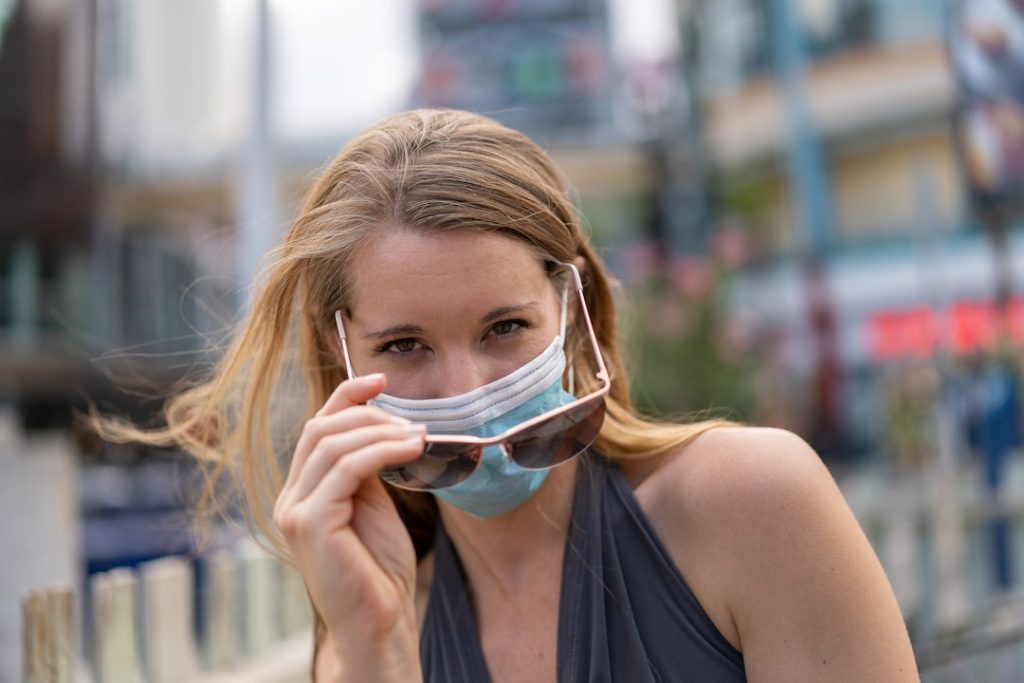
Have you ever wondered how long you can safely wear a respirator? Whether you use one at work, during a health crisis, or for protection against pollution, knowing the limits is crucial for your safety and comfort.
Wearing a respirator too long can cause discomfort or even health issues, while taking it off too soon might leave you unprotected. You’ll discover exactly how long you can stay on a respirator, what factors affect that time, and tips to make wearing it easier.
Keep reading to protect yourself better and feel confident every time you put on your respirator.

Credit: www.egrimesdirect.com
Types Of Respirators
Understanding the types of respirators is key to knowing how long you can safely wear one. Different respirators offer various levels of protection and comfort, which directly affect usage time. Let’s break down the main types to help you choose the right one for your needs.
Disposable Respirators
Disposable respirators are designed for single-use and are commonly seen in healthcare and construction settings. They are lightweight and easy to wear but usually offer protection for only a few hours or a single shift.
If you wear a disposable respirator for too long, it can become uncomfortable and less effective as moisture and particles build up inside. Think about how long your workday lasts and whether you can replace the respirator during breaks.
Reusable Respirators
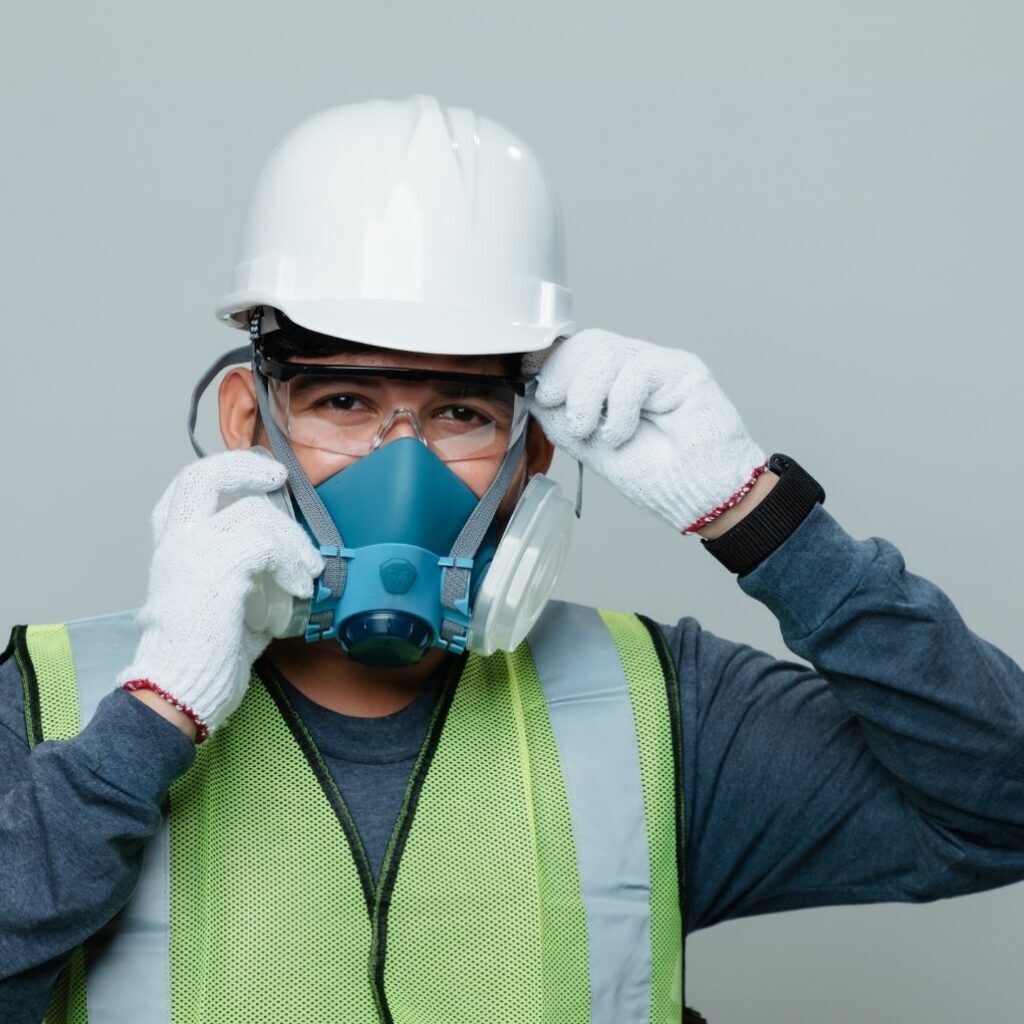
Reusable respirators have replaceable filters and can be worn multiple times with proper cleaning. They provide a better seal and more durable protection than disposable models.
You can wear these respirators longer if you maintain them well. However, comfort may still be an issue after several hours, especially if the mask fits tightly or the filters start to clog.
Powered Air-purifying Respirators
Powered Air-Purifying Respirators (PAPRs) use a battery-powered blower to push air through filters, making breathing easier. They are often used in high-risk environments where longer wear times are necessary.
Because PAPRs reduce breathing resistance and heat buildup, you can wear them for extended periods without as much fatigue. Would using a PAPR make your long shifts feel less draining?
Factors Affecting Duration
Understanding how long you can safely wear a respirator depends on several key factors. These factors influence not only your comfort but also the effectiveness of the respirator in protecting you. Knowing what affects the duration helps you make smarter choices about when and how to use your respirator.
Respirator Design And Capacity
The type of respirator you use plays a huge role in how long you can wear it. Some respirators, like disposable masks, are designed for short-term use and lose efficiency quickly. Others, such as powered air-purifying respirators (PAPRs), have batteries and filters that last longer, allowing for extended wear.
Filter capacity is another important point. Filters can get clogged by dust, chemicals, or particles, which reduces airflow and makes breathing harder. Have you ever noticed how a mask feels harder to breathe through after a while? That’s often a sign the filter needs changing or the respirator has reached its limit.
Environmental Conditions
The environment you’re in greatly affects respirator duration. High levels of dust, chemical vapors, or airborne pathogens can quickly wear out your respirator’s filter. Humidity and temperature also matter—hot, humid conditions can make wearing a respirator uncomfortable and increase moisture buildup inside.
Think about working in a dusty construction site versus a clean indoor lab. Your respirator will last much longer in the lab. Are you monitoring your surroundings and adjusting your respirator use accordingly? That awareness can prevent overuse and keep you safe.
User’s Physical Condition
Your physical state impacts how long you can wear a respirator comfortably. Breathing resistance from the mask can tire you faster if you have lung conditions or are not used to wearing one. If you feel dizzy, short of breath, or fatigued, it’s a clear sign to take a break or change the respirator.
Personal experience shows that staying hydrated and taking regular breaks improves endurance when wearing a respirator. How often do you listen to your body’s signals during prolonged respirator use? Ignoring these signs can lead to serious health issues.
Recommended Usage Limits
Recommended usage limits for respirators are vital to keep users safe and healthy. Wearing a respirator too long can cause discomfort and reduce protection. Following clear rules helps prevent problems and ensures the respirator works well.
Workplace Safety Guidelines
Workplaces set safety rules based on the type of respirator and hazards. These guidelines often limit how many hours a respirator can be worn continuously. Employers must train workers on these limits. They also monitor air quality and work conditions to adjust usage times.
Manufacturer Instructions
Respirator makers provide specific instructions on use and lifespan. These directions include how long the respirator can be worn before it loses effectiveness. Ignoring these instructions can reduce safety and increase risk. Always read and follow the manual to ensure proper use.
Break And Replacement Schedules
Regular breaks help avoid fatigue and skin irritation. Most guidelines suggest removing the respirator every few hours. Replace filters or the entire respirator based on the schedule or if damaged. Keeping to these schedules maintains protection and comfort during use.
Credit: harmonycr.com
Health Risks Of Prolonged Use
Wearing a respirator for a long time can cause health problems. The body reacts in different ways to extended use. Understanding these risks helps protect your well-being. Pay attention to signs your body gives while using a respirator.
Breathing Difficulties
Respirators can make breathing harder. The mask limits airflow, causing discomfort. Over time, this can lead to shortness of breath. Some people may feel dizzy or lightheaded. These symptoms increase with longer use and tight masks.
Skin Irritation
Prolonged mask use can irritate skin. Pressure from straps and edges may cause redness. Moisture buildup leads to rashes or acne. Sensitive skin types are more prone to these problems. Regular breaks help reduce irritation and keep skin healthy.
Fatigue And Discomfort
Wearing a respirator for hours causes fatigue. The extra effort to breathe tires the body. Heat and sweat inside the mask add to discomfort. Discomfort may lower focus and productivity. Taking breaks and adjusting the fit can ease these effects.
Signs To Remove Or Replace Respirator
Respirators are essential for safety in various environments. Proper maintenance is crucial. Knowing when to remove or replace a respirator ensures effectiveness. Recognize signs that indicate action is needed. This keeps you safe and healthy.
Difficulty Breathing
If breathing becomes hard while wearing a respirator, pay attention. This may indicate a problem. Filters could be clogged or the fit might be incorrect. Check the respirator immediately. Ensure all parts function properly. Don’t ignore breathing issues.
Contamination Indicators
Contamination can compromise safety. Look for signs of contamination on the respirator. These include stains, odors, or particles. Replace the respirator if contaminated. It’s vital for your protection. Regular checks prevent risks.
Damage Or Wear
Inspect the respirator for damage or wear regularly. Cracks, tears, or loose parts mean it’s time for a replacement. Don’t use damaged equipment. It won’t provide adequate protection. Keep your gear in good condition. Your safety depends on it.

Credit: trdsf.com
Best Practices For Extended Use
Using a respirator for extended periods requires attention to detail to keep you safe and comfortable. Knowing the right practices can help you avoid problems like leaks, discomfort, or contamination. Let’s look at essential tips that make longer use more effective and less stressful.
Proper Fit And Seal Checks
A respirator only works if it fits your face well. Before each use, perform a seal check by covering the respirator and inhaling to feel for air leaks. If you detect any leaks, adjust the straps or try a different size or model.
Remember, facial hair or changes in your face shape can affect the seal. Have you noticed how even small changes, like weight gain or facial swelling, can impact fit? Take a moment to check every time you wear it to stay protected.
Scheduled Breaks
Wearing a respirator continuously can be tiring. Plan regular breaks to remove the mask safely in a clean area. This helps reduce discomfort, prevents skin irritation, and allows your body to breathe freely.
Try setting a timer for breaks every 1-2 hours, depending on your activity and environment. These pauses also give you time to check your equipment and refresh your focus.
Hygiene And Maintenance
Keeping your respirator clean is vital during extended use. Wipe down surfaces with approved disinfectants and store the mask in a clean, dry place when not in use. Avoid sharing your respirator to reduce infection risks.
Have you ever experienced skin irritation after wearing a mask for hours? Regular cleaning prevents buildup of sweat and oils that cause discomfort. Proper care extends the life of your respirator and keeps it working well for you.
Emergency Situations And Respirator Use
In emergency situations, the use of respirators becomes crucial for protecting yourself and others from harmful airborne particles. However, the question of how long you can safely wear a respirator often arises. Understanding the guidelines and practical approaches during crises can help you make informed decisions when every minute counts.
Extended Use During Disasters
During disasters, respirators may need to be worn for longer periods than usual. Extended use means wearing the same respirator without removing it between patient encounters or exposure events.
This approach helps conserve limited supplies but can cause discomfort and moisture buildup inside the mask. You should watch for signs like difficulty breathing or skin irritation and take breaks when it’s safe to do so.
Improvised Solutions
Sometimes, you might not have access to new respirators. In such cases, some people try to clean and reuse masks, though this carries risks.
Simple steps like storing the respirator in a breathable paper bag between uses can reduce contamination. Avoid using harsh chemicals or washing the mask unless specified by the manufacturer.
Have you considered how your actions affect the respirator’s effectiveness? Improvisation should always prioritize safety over convenience.
Guidance From Health Authorities
Health authorities such as the CDC and WHO provide clear recommendations on respirator use during emergencies.
- They advise limiting extended use to no more than 8 hours when possible.
- Proper fit checks before each use are essential to ensure protection.
- Follow disposal guidelines to avoid contamination risks.
Following these guidelines helps you stay safe and maintain the respirator’s protective function. Are you up to date with the latest official advice for your region?
Frequently Asked Questions
How Long Can A Person Safely Use A Respirator?
A person can safely use a respirator for several hours, depending on the type. Disposable masks last about 8 hours. Reusable respirators can be worn longer with proper maintenance and filter changes. Always follow manufacturer guidelines and medical advice for safe use.
Can You Wear A Respirator Overnight Continuously?
Wearing a respirator overnight continuously is not recommended. Extended use can cause discomfort and skin irritation. Respirators require breaks for hygiene and to maintain effectiveness. Consult healthcare providers for specific medical conditions needing prolonged respiratory support.
What Factors Affect Respirator Usage Time?
Respirator usage time depends on filter type, environment, and user health. High pollution or hazardous areas reduce safe wearing time. Proper fit and maintenance also impact effectiveness. Always check guidelines and replace filters regularly to ensure safety.
Is It Safe To Reuse Disposable Respirators?
Reusing disposable respirators is generally unsafe. They are designed for single use to ensure maximum filtration. Reuse may lead to contamination and reduced protection. In emergencies, follow specific decontamination protocols if recommended by health authorities.
Conclusion
Wearing a respirator depends on your health and needs. Doctors decide how long you should use it. Always follow their advice to stay safe. Taking breaks helps your body adjust and rest. Watch for any discomfort or trouble breathing. Proper use keeps you protected in tough environments.
Remember, respirators are tools, not solutions. Stay informed and listen to your body’s signals. Your health matters most in every situation.



