
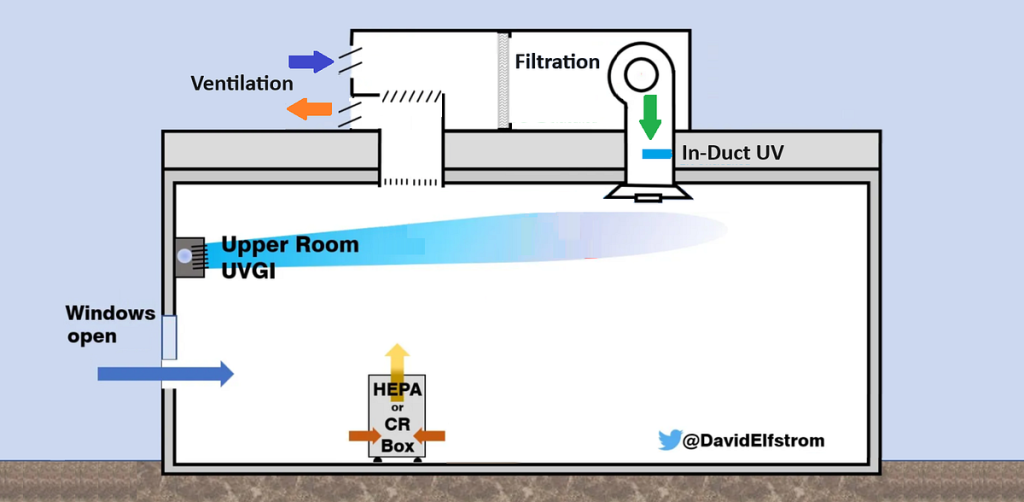
Are you curious about how fresh air flows through your home or workplace? Understanding the 4 types of ventilation can help you improve your indoor air quality and create a healthier environment.
Whether you want to reduce humidity, remove odors, or simply breathe easier, knowing these ventilation methods is key. Keep reading, and you’ll discover which type suits your needs best—and how it can make a real difference in your daily life.
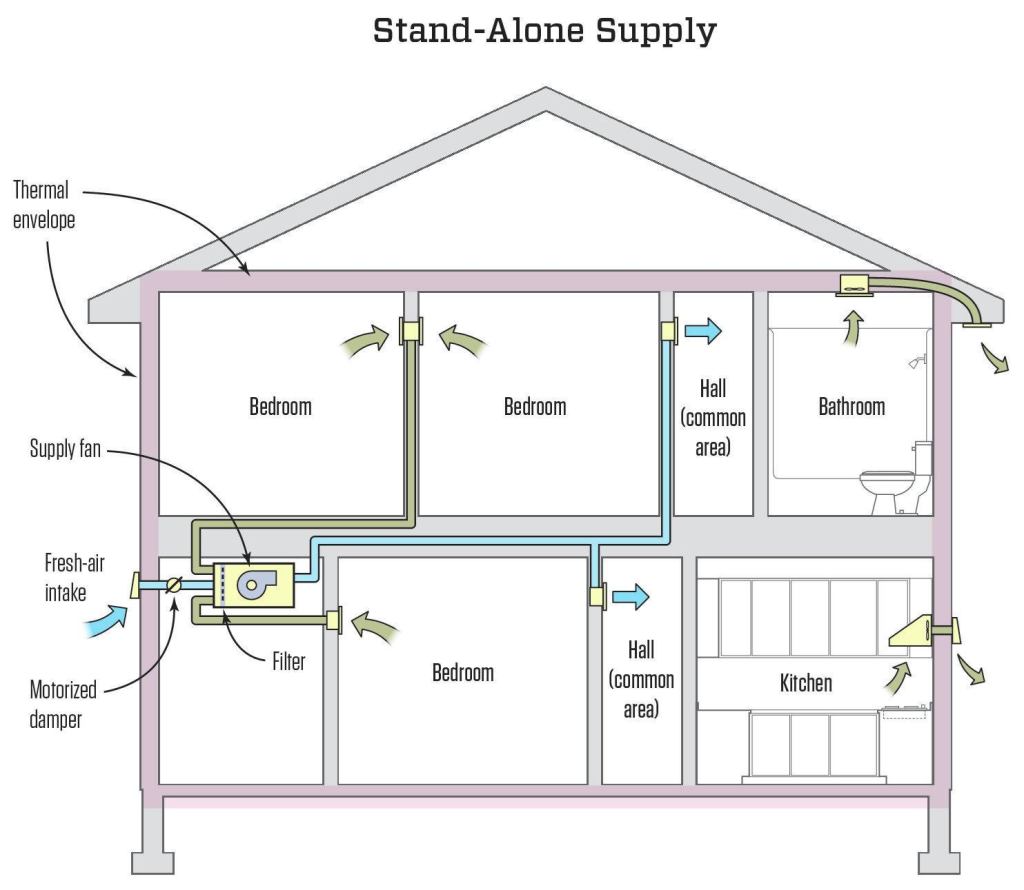
Credit: www.jlconline.com
Natural Ventilation
Natural ventilation uses fresh air from outside to cool and refresh indoor spaces. It relies on openings like windows, doors, and vents. This method does not use fans or machines. It works with natural forces such as wind and temperature differences. Natural ventilation helps save energy and improves indoor air quality.
How It Works
Air enters through openings on one side of a building. Warm indoor air rises and leaves through vents or windows on the opposite side. Wind pushes fresh air inside, creating airflow. Temperature differences between inside and outside also move air. This continuous air movement helps remove stale air and bring in fresh air.
Benefits And Limitations
- Low energy use and cost-effective.
- Improves air quality and comfort.
- Reduces indoor humidity and pollutants.
- Depends on weather and outdoor air quality.
- Cannot control temperature precisely.
- May not work well in very hot or cold climates.
Common Applications
- Homes and apartments with many windows.
- Schools and offices with good ventilation design.
- Warehouses and factories with large openings.
- Public buildings using natural airflow for cooling.
Mechanical Ventilation
Mechanical ventilation uses fans and ducts to move air inside buildings. It controls airflow to keep rooms fresh and healthy. This system helps remove pollutants, moisture, and odors effectively. Mechanical ventilation works well in tight homes where natural air leaks are minimal. It offers controlled and consistent airflow, improving indoor air quality.
Types Of Mechanical Systems
- Exhaust ventilation removes stale air using fans. It vents air outside.
- Supply ventilation pushes fresh air inside using fans and filters.
- Balanced ventilation combines supply and exhaust systems for equal airflow.
- Heat recovery ventilators (HRVs) and energy recovery ventilators (ERVs) recycle heat or energy from outgoing air.
Energy Efficiency Considerations
Mechanical ventilation can save energy if designed well. Balanced systems with heat recovery reduce heating and cooling costs. Use fans with high-efficiency motors to cut power use. Proper controls help run fans only when needed. Sealing ducts prevents air leaks and energy loss. Choose ventilation that fits the building size to avoid excess energy use.
Maintenance Tips
- Clean or replace filters regularly to keep airflow strong.
- Inspect fans and ducts for dust and blockages.
- Check for loose parts or unusual noises in the system.
- Schedule yearly professional inspections to ensure system health.
- Keep vents clear of furniture or curtains to allow free airflow.
Hybrid Ventilation
Hybrid ventilation blends natural airflow with mechanical systems. It offers flexible air circulation tailored to different needs. This approach balances energy use and indoor air quality. Hybrid ventilation suits many building types and climates. It provides comfort while saving energy.
Combining Natural And Mechanical
Hybrid ventilation uses windows, vents, or openings for fresh air. Mechanical fans or HVAC systems boost airflow when natural ventilation is low. The system switches between natural and mechanical modes automatically. This combination keeps air fresh without wasting energy.
When To Use Hybrid Systems
Use hybrid ventilation in buildings with variable occupancy or weather. It works well in offices, schools, and homes. Hybrid systems adapt to changing temperatures and air quality. They provide fresh air even during extreme weather or pollution.
Performance Advantages
- Reduces energy costs by using natural airflow first
- Improves indoor air quality consistently
- Maintains comfortable temperatures year-round
- Offers better control over ventilation rates
- Supports sustainable building design and operation

Credit: www.angi.com
Local Exhaust Ventilation
Local Exhaust Ventilation (LEV) is a crucial system designed to remove harmful air pollutants right at their source. It captures contaminants such as dust, fumes, and vapors before they spread into the workplace or living area. LEV improves air quality and helps protect health by controlling exposure to hazardous substances.
Targeted Air Removal
LEV works by drawing polluted air from a specific spot. It targets the source of contamination, preventing it from mixing with clean air. This focused approach keeps the surrounding environment safer and cleaner.
Typical Use Cases
- Industrial workshops with welding fumes
- Laboratories handling chemical vapors
- Factories producing dust or smoke
- Healthcare settings controlling airborne germs
These systems are common where harmful particles need quick removal.
Design And Installation
Designing LEV involves selecting the right hood, ductwork, and fan. Proper placement is key to capture pollutants effectively. Installation must follow safety codes and ensure easy maintenance.
Good design balances airflow, noise levels, and energy use. Regular checks keep the system working well over time.
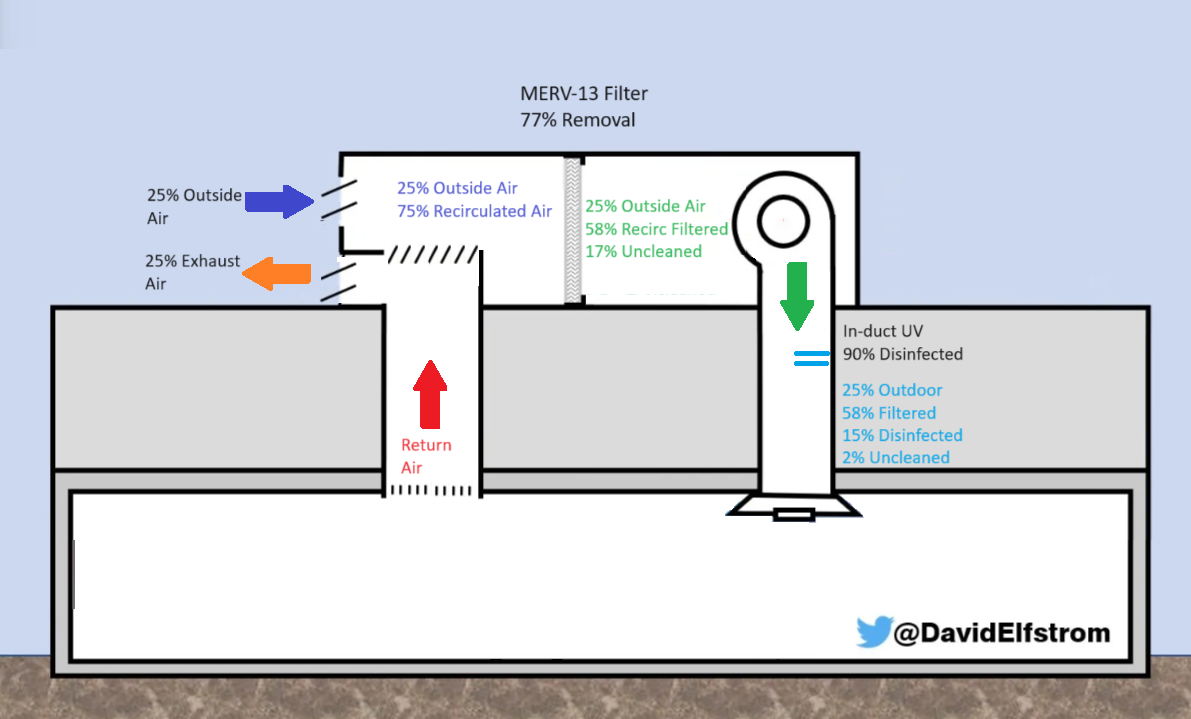
Credit: itsairborne.com
Frequently Asked Questions
What Are The Main Types Of Ventilation Systems?
The four main ventilation types are natural, mechanical, hybrid, and local exhaust. Each serves unique airflow needs in buildings. Natural uses outdoor air flow, mechanical employs fans, hybrid combines both, and local exhaust targets specific pollutant sources.
How Does Natural Ventilation Work In Buildings?
Natural ventilation uses windows, vents, and openings to circulate fresh air. It relies on wind and temperature differences. This method is energy-efficient but depends on outdoor conditions for effective airflow.
What Is Mechanical Ventilation And Its Benefits?
Mechanical ventilation uses fans and ducts to control air exchange. It provides consistent airflow regardless of weather. This type improves indoor air quality and controls humidity levels effectively.
When Is Hybrid Ventilation Preferred?
Hybrid ventilation combines natural and mechanical methods for flexible airflow. It’s ideal in climates with variable weather. This system maximizes energy efficiency while maintaining comfort and air quality.
Conclusion
Ventilation helps keep indoor air fresh and healthy. The four types each serve different needs and spaces. Choosing the right type improves comfort and air quality. Good ventilation also reduces moisture and odors. Understanding these types makes it easier to pick the best option.
Proper airflow supports health and saves energy. Keep these points in mind for better indoor environments.



