

Are you curious about what an HVAC job really involves? Whether you’re thinking about starting a new career or just want to understand how heating and cooling systems work, this article is for you.
You’ll discover what HVAC jobs are, what skills you need, and why this field could be a great fit for you. Keep reading to unlock the secrets behind a career that keeps homes and businesses comfortable all year round.
Hvac Job Basics
Understanding the basics of an HVAC job is key if you’re considering a career in heating, ventilation, and air conditioning. HVAC professionals ensure that indoor environments remain comfortable and safe by managing temperature, humidity, and air quality. This section breaks down what you can expect from an HVAC job, including the core responsibilities, work settings, and the skills you need to succeed.
Core Responsibilities
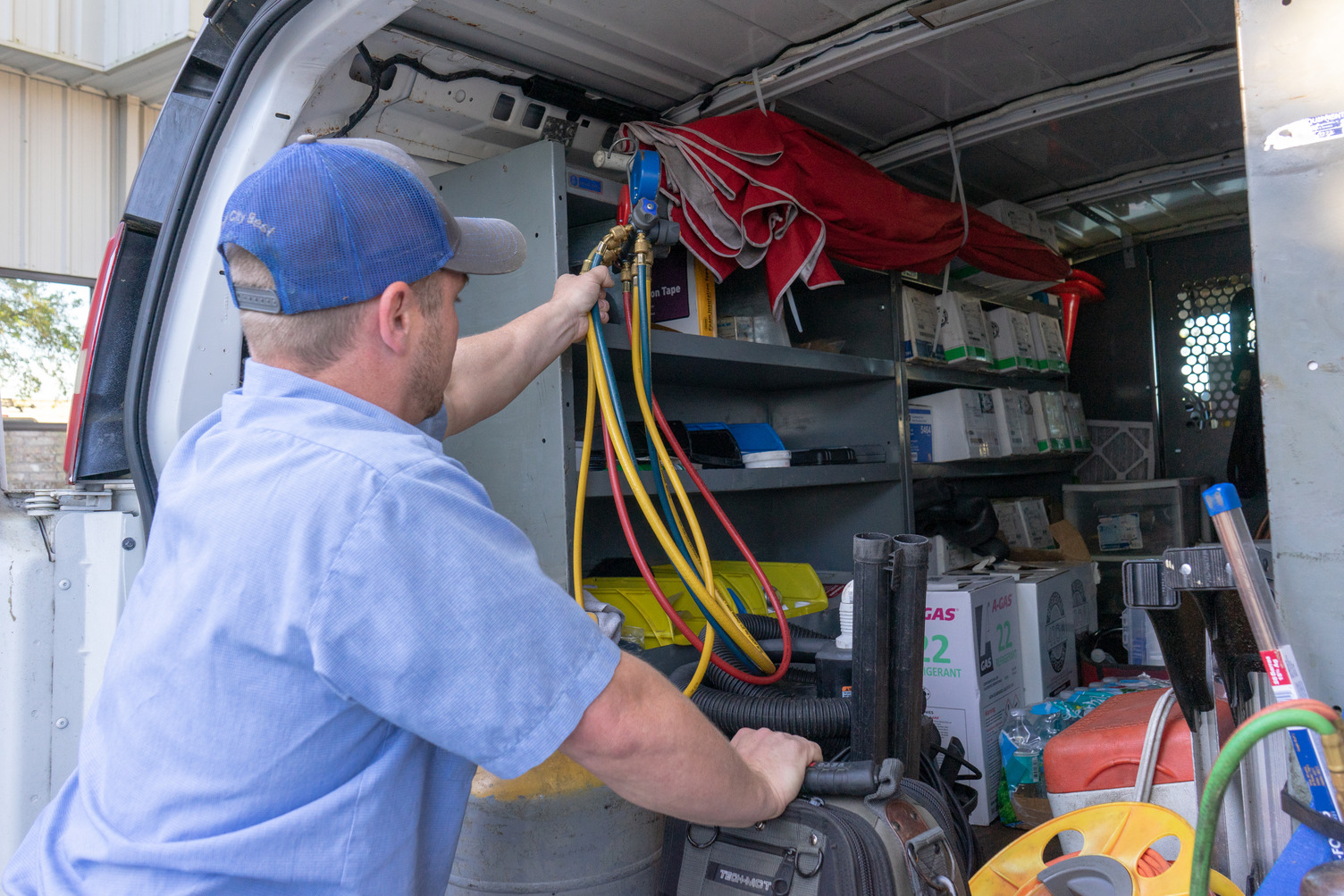
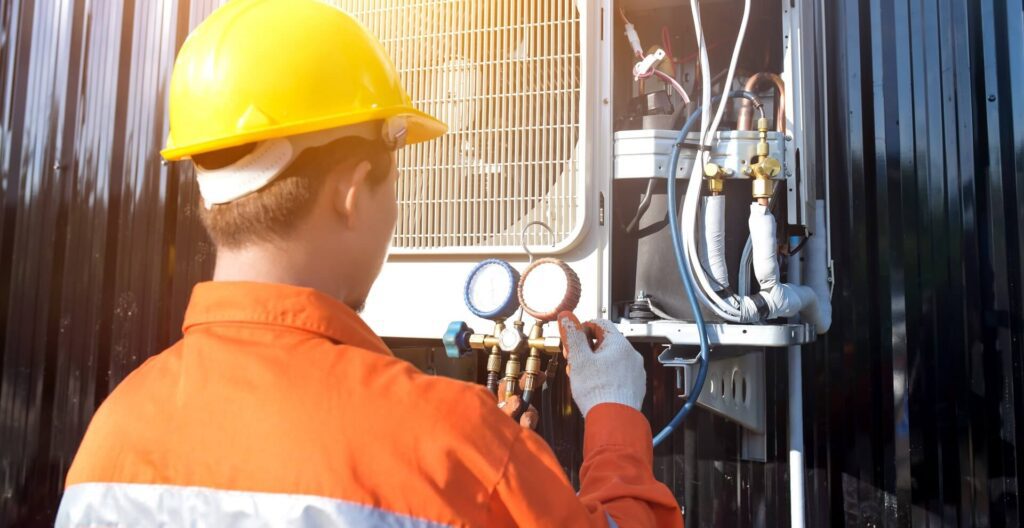
HVAC technicians install, maintain, and repair heating and cooling systems. You’ll often troubleshoot issues, checking for faulty wiring or clogged filters. Regular maintenance tasks like cleaning ducts and testing system performance keep equipment running efficiently.
Sometimes, you’ll need to read blueprints or technical manuals to understand system layouts. You might also explain system operation and maintenance tips to customers. These tasks demand both hands-on skills and clear communication.
Typical Work Environments
HVAC jobs take place in a variety of settings. You could be working inside residential homes, commercial buildings, or industrial sites. Each environment has its own challenges, such as tight spaces in homes or large, complex systems in factories.
Weather conditions also affect your work since many repairs happen outdoors or in unheated areas. Are you comfortable moving between indoor and outdoor jobs? Being adaptable to different work environments is part of the daily routine.
Essential Skills
Strong problem-solving skills are vital for diagnosing system failures quickly. You’ll also need mechanical aptitude to handle tools and equipment safely. Basic electrical knowledge is important because many HVAC components rely on electrical circuits.
Communication skills help you explain repairs clearly to customers. Time management matters too, as scheduling multiple jobs efficiently keeps your day on track. Do you enjoy working with your hands and solving puzzles? These skills will make your job rewarding and effective.
Credit: www.tws.edu
Types Of Hvac Careers
The HVAC field offers many career paths. Each role supports heating, ventilation, and air conditioning in unique ways. Understanding these roles helps you find a good fit. The jobs vary by skill, education, and work environment. Below are the main types of HVAC careers.
Technician Roles
Technicians install and service HVAC systems. They handle heating, cooling, and ventilation units. Tasks include system setup, repairs, and routine checks. Many technicians work on-site in homes or businesses. This role requires hands-on skills and technical knowledge. Certification is often needed to work safely and legally.
Engineering Positions
Engineers design HVAC systems for new buildings. They create plans that ensure comfort and energy efficiency. These professionals use math and science daily. Engineers solve problems like airflow and temperature control. They often work with architects and contractors. A degree in mechanical or HVAC engineering is required.
Sales And Consulting
Sales and consulting roles connect customers with HVAC solutions. Sales staff explain features and benefits of products. Consultants advise on system choices based on needs and budgets. These jobs need good communication and product knowledge. They help customers make smart HVAC decisions. Experience in HVAC or sales is useful.
Maintenance And Repair
Maintenance workers keep HVAC systems running smoothly. They perform regular inspections and clean components. Repair specialists fix broken or malfunctioning parts. Both roles prevent system failures and improve efficiency. They work in many places, from offices to factories. Practical skills and quick problem-solving are key.
Training And Certification
Training and certification form the foundation of a career in HVAC. These steps ensure technicians have the skills and knowledge needed. Proper training helps maintain safety and quality in HVAC work. Certification proves a technician meets industry standards and legal requirements. This section explains the main aspects of HVAC training and certification.
Educational Requirements
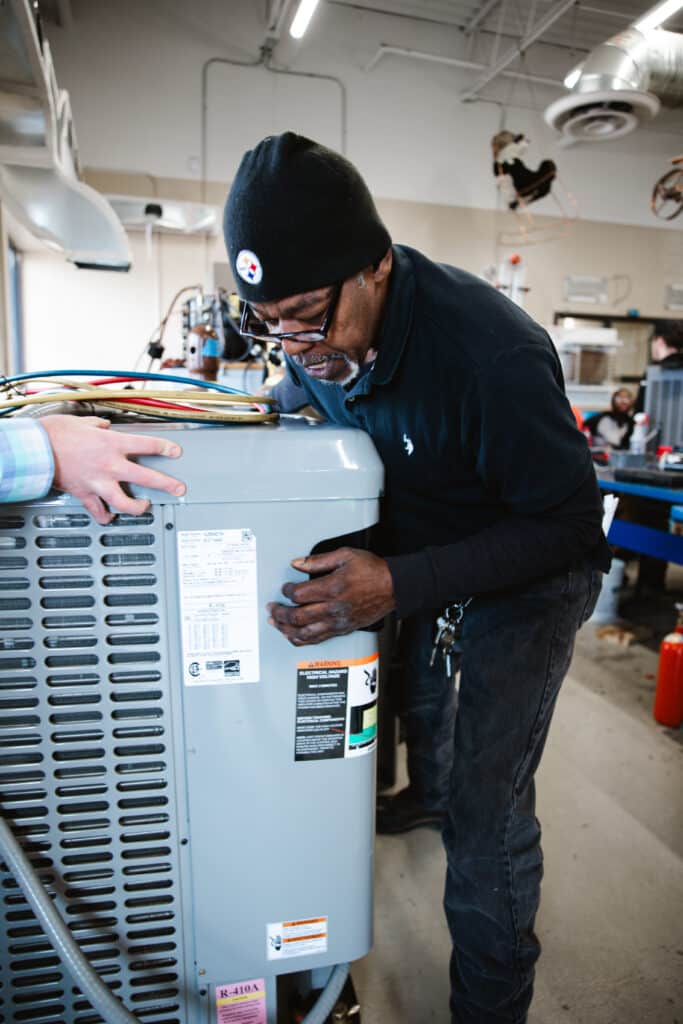
Most HVAC jobs require a high school diploma or GED. Courses in math, physics, and electronics help build a strong base. Many students attend technical schools or community colleges for HVAC programs. These programs cover system design, installation, repair, and maintenance. Hands-on labs allow students to practice real-world skills. Some programs last a few months; others take two years.
Certification Options
Certification shows employers a technician is qualified. The EPA Section 608 certification is mandatory for handling refrigerants. There are four types of EPA certifications based on equipment type. Other certifications include:
- North American Technician Excellence (NATE)
- HVAC Excellence
- Refrigeration Service Engineers Society (RSES)
These certificates demonstrate expertise and improve job opportunities.
Apprenticeship Programs
Apprenticeships combine paid work with classroom instruction. They last 3 to 5 years and teach skills on the job. Apprentices learn under the supervision of experienced technicians. This path offers real experience and helps build a professional network. Many apprenticeships require passing a licensing exam at the end.
Job Outlook And Growth
The job outlook for HVAC professionals is promising, with steady growth expected in the coming years. As technology evolves and climate control becomes essential in both homes and businesses, the need for skilled technicians continues to rise. Understanding the factors behind this growth can help you decide if a career in HVAC aligns with your goals.
Industry Trends
The HVAC industry is shifting towards energy-efficient and eco-friendly systems. Smart thermostats, solar-powered HVAC units, and improved refrigerants are becoming standard. These trends mean technicians must keep learning new skills to stay relevant.
Also, building codes and regulations are tightening, requiring more frequent maintenance and upgrades. This change creates ongoing work opportunities. Are you ready to adapt to these evolving technologies?
Demand Drivers
Several factors drive the demand for HVAC jobs. Urban development and new construction projects create a steady need for installation services. At the same time, older systems in existing buildings require regular repair and replacement.
Additionally, extreme weather patterns increase the urgency to maintain efficient heating and cooling. This means that your skills will be needed year-round. How do you plan to position yourself in this growing market?
Salary Expectations
HVAC technicians typically earn competitive wages that increase with experience and certifications. Entry-level roles offer solid starting pay, while specialized skills in areas like refrigeration or system design command higher salaries.
| Experience Level | Average Annual Salary (USD) |
|---|---|
| Entry-Level | $35,000 – $45,000 |
| Mid-Level | $45,000 – $60,000 |
| Experienced/Specialized | $60,000 – $80,000+ |
Investing in certifications can boost your earning potential and job security. Have you considered which specialties could make you stand out in the HVAC field?
Career Advancement
Embarking on a career in HVAC offers numerous opportunities for growth and advancement. Whether you’re just starting out or have years of experience under your belt, the HVAC industry provides a dynamic path to elevate your professional journey. From honing specialized skills to taking on leadership roles, the potential for career advancement in HVAC is extensive and rewarding.
Specialization Areas
Diving deeper into specific areas of HVAC can set you apart as an expert. Consider focusing on niches like refrigeration systems, energy efficiency, or smart HVAC technology. These specializations not only enhance your expertise but also open doors to higher-paying positions.
Imagine working with cutting-edge technology to design energy-saving systems for large corporations. Such specialization areas can lead to roles that challenge and excite you, while also increasing your marketability.
Leadership Roles
If you aspire to lead teams, the HVAC industry offers numerous leadership opportunities. As you gain experience, you may find yourself in positions such as project manager or operations director.
Leading a team on a major installation project can be incredibly fulfilling. It allows you to impart knowledge, manage resources, and drive successful outcomes. Are you ready to take on the responsibility and influence the future of your company?
Continuing Education
Staying updated with the latest advancements in HVAC technology is crucial. Engaging in continuing education ensures you remain competitive and knowledgeable.
Consider enrolling in workshops or certification courses that focus on the latest HVAC trends. Continuous learning not only boosts your skills but also shows employers your commitment to excellence. How can you incorporate ongoing education into your career strategy?
Credit: capstonecollege.edu
Challenges In Hvac Jobs
Working in HVAC involves more than just fixing air conditioners or heaters. The job comes with real challenges that test your strength, adaptability, and technical knowledge every day. Understanding these challenges can help you prepare better and decide if this career fits your lifestyle and goals.
Physical Demands
HVAC jobs often require heavy lifting and working in awkward positions. You might find yourself crawling under buildings or climbing ladders to reach equipment. These tasks can be exhausting and demand good physical fitness.
Have you ever thought about how handling bulky tools and parts affects your energy levels throughout the day? Staying fit and practicing safe lifting techniques can prevent injuries and keep you working longer.
Work Environment Factors
The places HVAC technicians work vary widely—from tight crawl spaces to outdoor rooftops. Weather conditions, like extreme heat or cold, can make the job uncomfortable and sometimes dangerous.
Noise from machines and exposure to dust or chemicals add to the challenges. You’ll need to stay alert and use protective gear to safeguard your health on every job.
Keeping Up With Technology
HVAC systems are evolving quickly with smart thermostats and energy-efficient designs. Staying updated with new tools and software is essential to stay competitive.
Have you considered how ongoing learning can impact your career growth? Investing time in training and certifications helps you handle modern systems confidently and opens doors to better opportunities.
Finding Hvac Opportunities
Finding HVAC opportunities can open doors to a stable and rewarding career. The HVAC field offers many roles from installation to maintenance and repair. Knowing where to search and how to connect with the right people increases chances of success. Employers value skilled workers who stay updated and show a strong work ethic.
Job Search Tips
Start by creating a clear and simple resume. Highlight any HVAC training or certifications. Use online job boards dedicated to trades and technical jobs. Check local company websites for openings. Apply regularly and tailor applications to each job. Prepare for interviews by practicing common HVAC questions. Show eagerness to learn and adapt.
Networking Strategies
Meet professionals at trade shows and industry events. Join local HVAC associations or online forums. Talk to former classmates and instructors from training programs. Use social media platforms to follow companies and professionals. Attend community workshops to build connections. A strong network can lead to hidden job openings.
Top Employers
- Heating and Cooling Service Companies
- Residential and Commercial Contractors
- Manufacturers of HVAC Equipment
- Government and Municipal Facilities
- Property Management Firms
These employers often look for skilled HVAC workers. Many offer apprenticeships and training programs. Research each employer to find a good fit for your skills and goals.
Credit: tidewatertechtrades.edu
Frequently Asked Questions
What Does An Hvac Job Involve?
An HVAC job involves installing, maintaining, and repairing heating, ventilation, and air conditioning systems. Technicians ensure comfortable indoor environments.
What Skills Are Needed For An Hvac Job?
Key skills include mechanical knowledge, problem-solving, electrical understanding, and customer service. Technicians must handle equipment safely and efficiently.
How Long Does Hvac Training Take?
HVAC training typically takes 6 months to 2 years, depending on certification or degree programs. Hands-on experience is essential.
What Is The Job Outlook For Hvac Careers?
HVAC jobs are growing steadily due to rising demand for climate control and energy efficiency. Job stability and good pay are common.
Conclusion
A HVAC job involves installing, repairing, and maintaining heating and cooling systems. These jobs keep homes and buildings comfortable year-round. Skilled workers use tools to fix and check equipment. The work can be indoors or outdoors. It requires good problem-solving and physical effort.
Many people find HVAC jobs rewarding and steady. Understanding this field helps you appreciate the work behind your comfort. HVAC jobs play a vital role in everyday life. They keep air clean and temperatures just right.



