
Are you wondering if HVAC is hard to learn? You’re not alone.
Many people hesitate before diving into this field because it seems complicated. But what if it’s not as tough as you think? Imagine gaining the skills to fix heating and cooling systems with confidence. This article will break down what it really takes to learn HVAC and show you why it might be easier than you expect.
Keep reading, and you’ll discover how you can master HVAC step by step.
Basics Of Hvac
Understanding the basics of HVAC helps you grasp if the subject is hard to learn. HVAC stands for heating, ventilation, and air conditioning. It controls the indoor climate and air quality in homes and buildings. Knowing the basics makes it easier to learn advanced topics later. Start by learning about the core parts and how the system works.
Core Components
- Thermostat:Controls the temperature by turning the system on or off.
- Furnace:Heats the air during cold weather.
- Air Conditioner:Cools the air in warm weather.
- Ductwork:Moves air throughout the building.
- Ventilation:Brings fresh air inside and removes stale air.
- Filters:Clean the air by trapping dust and particles.
How Hvac Systems Work
The thermostat senses the room temperature. It sends signals to the furnace or air conditioner. The furnace heats air using gas or electricity. The air conditioner cools air by removing heat. Ducts carry the heated or cooled air to rooms. Ventilation ensures fresh air enters and stale air exits. Filters keep the air clean and healthy. This cycle repeats to maintain comfort.
Common Challenges
Learning HVAC involves facing several common challenges that can test your patience and determination. These hurdles often arise from the intricate nature of the work and the specific skills required to handle HVAC systems effectively. Understanding these challenges will help you prepare better and tackle them head-on.
Technical Complexity
HVAC systems combine electrical, mechanical, and refrigeration principles, making them technically complex. You need to understand how each component functions and interacts within the system to troubleshoot problems accurately. This can feel overwhelming at first, but breaking down the system into smaller parts makes learning manageable.
Think about wiring circuits or diagnosing airflow issues. These tasks require both theoretical knowledge and hands-on experience. Have you ever struggled to connect theory with practice? This is common, but persistence helps bridge that gap.
Tools And Equipment
Working with HVAC means handling a variety of specialized tools and equipment. From multimeters to refrigerant gauges, each tool has a specific purpose and correct way to use it. Learning to operate these tools safely and effectively takes time and practice.
One surprising challenge is keeping up with new technology and updated equipment models. You might feel like you’re constantly learning new tools as the industry evolves. How comfortable are you with adapting to new devices quickly?
Effective Learning Strategies
Learning HVAC requires smart strategies to grasp concepts and skills quickly. Effective learning combines theory with practice and structured guidance. Choosing the right approach helps reduce confusion and builds confidence.
Hands-on Practice
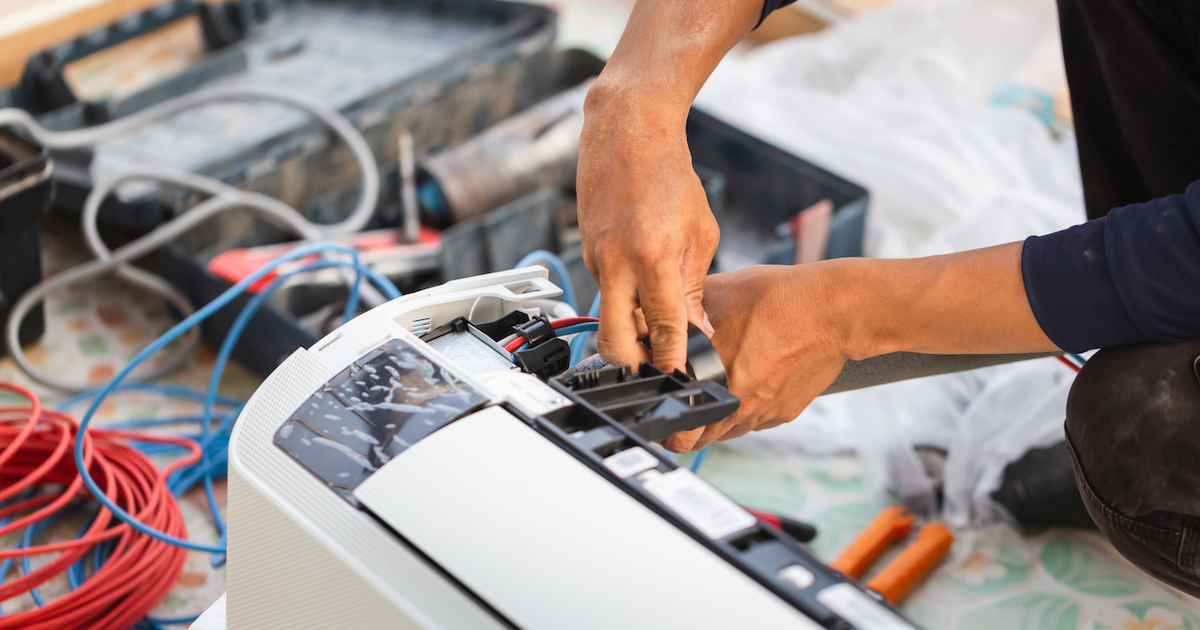
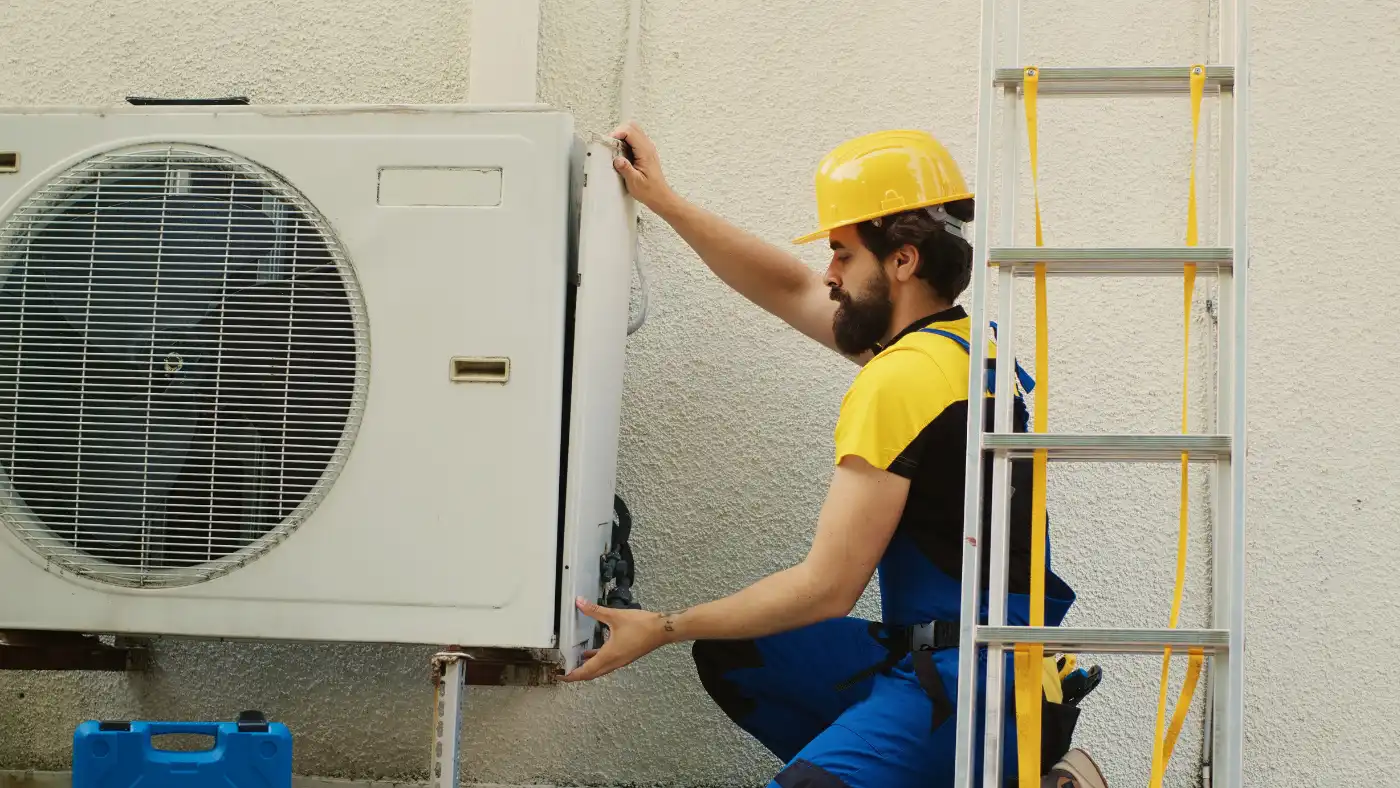
Working with real HVAC systems deepens understanding. It teaches how parts fit and work together. Practical work improves problem-solving skills. Handling tools and equipment makes learning active and memorable.
Online Resources
Many websites and videos explain HVAC basics clearly. Online tutorials break down complex ideas into simple steps. They allow learning at your own speed and time. Forums and groups help with questions and tips from others.
Joining Trade Schools
Trade schools offer structured HVAC courses and expert teachers. They provide both classroom lessons and lab work. Schools give certifications that employers trust. Classes also connect students with internships and jobs.
Credit: fieldedge.com
Expert Tips For Quick Mastery
Gaining skills in HVAC may seem tough at first. Expert tips can help speed up learning. Focus on key areas to build a strong base quickly. Practice and real-world experience improve understanding fast.
Focus On Fundamentals
Start by learning basic HVAC concepts clearly. Understand how heating, cooling, and ventilation work together. Study common components like compressors, thermostats, and ducts. Use simple diagrams and videos to see systems in action. Master these basics before moving to complex topics.
Troubleshooting Techniques
Develop a step-by-step approach to fix problems. Check power supply, filters, and wiring first. Use a checklist to find common issues quickly. Practice diagnosing faults with real or simulated systems. Learning how to solve problems builds confidence and skill.
Networking With Professionals
Connect with HVAC technicians and experts in your area. Join online forums or local groups for advice and tips. Attend trade shows or workshops to meet experienced workers. Ask questions and share your progress openly. Networking helps you learn practical tricks and stay updated.
Career Pathways In Hvac
Exploring career pathways in HVAC can be a rewarding journey for those interested in building a stable and lucrative future. The HVAC industry offers a variety of roles that cater to different skills and interests, making it accessible and appealing to many. Whether you are drawn to hands-on work, or you aspire to manage large projects, there is likely a path in HVAC that suits your aspirations.
Certification Options
Obtaining the right certifications is often the first step towards a successful HVAC career. Certifications can enhance your skills, boost your confidence, and make you more attractive to potential employers. Common certifications include EPA Certification, NATE Certification, and HVAC Excellence Certification.
Each certification has its own focus, whether it’s on environmental protocols, technical proficiency, or specialized areas like refrigeration. Consider what aligns best with your career goals. Do you want to specialize in a niche area, or do you prefer a broader skill set?
Job Opportunities
The HVAC industry is rich with diverse job opportunities waiting to be explored. You could start as an HVAC technician, responsible for installation and maintenance of systems, which is an excellent way to gain practical experience. With time and expertise, you might progress to roles like HVAC supervisor or project manager, overseeing teams and handling larger projects.
There are also opportunities in sales, system design, and even energy efficiency consulting. Each role brings its own challenges and rewards, allowing you to tailor your career to your strengths and interests. What area of HVAC excites you the most?
With the right certifications and an understanding of the job landscape, you can carve out a fulfilling career in HVAC. The industry is ever-evolving, offering chances to learn and grow continuously. Are you ready to take the first step on your HVAC journey?
Credit: sbeodyssey.com
Credit: www.housecallpro.com
Frequently Asked Questions
Is Hvac Difficult To Learn For Beginners?
HVAC can be challenging initially due to technical concepts. However, with proper training and practice, beginners can grasp it well. Many find hands-on experience and structured courses helpful to learn HVAC efficiently.
How Long Does It Take To Learn Hvac Skills?
Typically, learning HVAC basics takes 6 months to a year. Completing an accredited program accelerates skill acquisition. Continuous practice and real-world experience further enhance proficiency over time.
What Are The Key Skills Needed For Hvac?
Key skills include mechanical aptitude, problem-solving, and electrical knowledge. Good communication and customer service skills are also valuable. These skills help in diagnosing issues and providing effective HVAC solutions.
Can Hvac Be Self-taught Effectively?
Self-teaching HVAC is possible but challenging without guidance. Online resources and manuals help, but hands-on training is crucial. Combining theory with practical work improves understanding and job readiness significantly.
Conclusion
Learning HVAC takes effort but is not impossible. With practice, basic skills become clearer. Step-by-step study helps avoid feeling overwhelmed. Tools and techniques grow familiar over time. Many beginners succeed by staying patient and consistent. Challenges appear, yet persistence leads to progress.
Hands-on experience boosts understanding more than books alone. The journey may be tough, but rewards follow. HVAC knowledge opens doors to good job opportunities. Keep trying, and skills will improve steadily.



