
Have you ever wondered how your home stays comfortable no matter the weather outside? The answer lies in a powerful system working quietly behind the scenes—your HVAC system.
But what exactly is an HVAC system, and why is it so important for your daily life? Understanding this can help you make smarter choices about your comfort, energy bills, and even your health. Keep reading, and you’ll discover everything you need to know about how this essential system works for you.
Basics Of Hvac Systems
Understanding the basics of HVAC systems can change how you feel about the comfort of your home or office. These systems do more than just heat or cool the air—they control the environment inside your space to keep it comfortable and healthy. Knowing how they work and what parts they include helps you make smarter choices about maintenance and upgrades.
Components Of Hvac
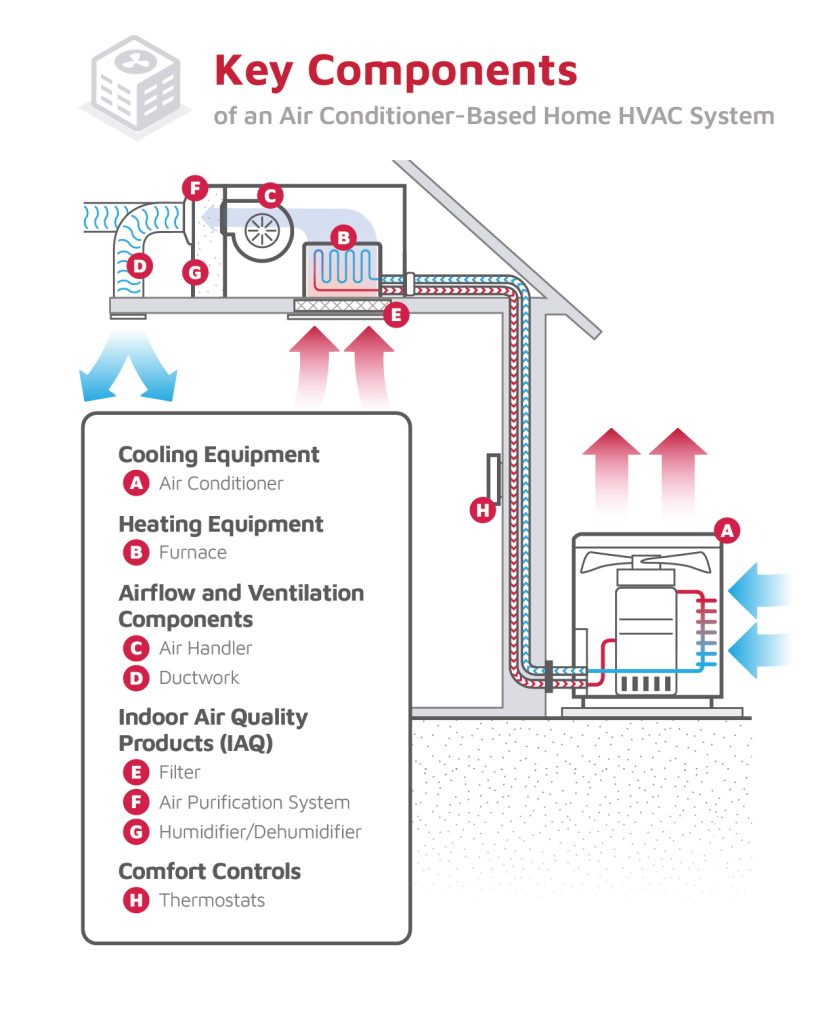
An HVAC system has several key parts that work together to control temperature, humidity, and air quality. Here are the main components you’ll find:
- Heating Unit:This could be a furnace or a heat pump that warms your indoor air.
- Cooling Unit:Usually an air conditioner or heat pump that cools the air during warmer months.
- Ventilation:Ducts and vents that circulate air throughout your building, ensuring fresh air flows in and stale air goes out.
- Thermostat:The control center where you set your desired temperature.
- Air Filters:These trap dust, pollen, and other particles to improve indoor air quality.
Have you checked your air filters lately? A simple change can improve your system’s efficiency and your comfort.
How Hvac Systems Work
HVAC systems manage the temperature and air quality by moving air through your space and adjusting its warmth or coolness. Here’s a straightforward look at the process:
- The thermostat senses the current temperature and signals the system to heat or cool.
- The heating or cooling unit activates, adjusting the air temperature.
- Air is pushed through ducts and vents, reaching every room.
- Filters clean the air as it circulates, removing pollutants.
Think about the last time your home felt stuffy or unevenly heated. Often, airflow issues or dirty filters are the culprits. What steps could you take today to improve your system’s performance?
Credit: www.lennox.com
Types Of Hvac Systems
HVAC systems come in different types to suit various homes and needs. Each type works uniquely to control indoor temperature and air quality. Understanding these types helps in choosing the right system for comfort and efficiency.
Split Systems
Split systems have two main parts: one inside and one outside. The outdoor unit cools or heats the air. The indoor unit blows the air into the home. These systems are common in many houses. They work well for both heating and cooling.
Hybrid Systems
Hybrid systems combine a furnace and a heat pump. The system switches between electricity and gas. This helps save energy and reduce costs. It adjusts based on the weather and energy prices. Hybrid systems are efficient and eco-friendly.
Ductless Systems
Ductless systems do not use ducts to move air. Instead, small units are placed in rooms. Each unit controls the temperature of its area. These systems are easy to install and good for homes without ducts. They provide heating and cooling directly.
Packaged Heating And Air
Packaged systems combine heating and cooling in one unit. This unit is usually placed outside the home. They save indoor space and are easy to maintain. Packaged systems work well for small homes or buildings. They offer both warm and cool air from one source.
Choosing The Right Hvac System
Choosing the right HVAC system is more than just picking a brand or model. It’s about finding a solution that fits your space, budget, and lifestyle. Getting it right means better comfort, lower energy bills, and fewer headaches down the line.
Factors To Consider
Start by thinking about your home’s layout and climate. Does your house have multiple floors or large open spaces? These details affect the kind of system you need.
Also, consider your budget—not just for buying the system but for long-term maintenance and energy costs. A cheaper unit upfront might cost more over time if it’s inefficient or breaks down often.
Noise levels matter too. If you work from home or have young children, quieter systems can make a big difference.
Sizing Your Hvac System
Size matters a lot in HVAC systems. Too small, and your system struggles to keep up. Too large, and it wastes energy by cycling on and off too often.
Professional sizing uses factors like square footage, insulation quality, window types, and sun exposure. You can’t just guess based on your home’s size alone.
Imagine buying shoes that are too big or too small—it’s uncomfortable and ineffective. HVAC sizing works the same way. Getting it right means better comfort and efficiency.
Energy Efficiency Ratings
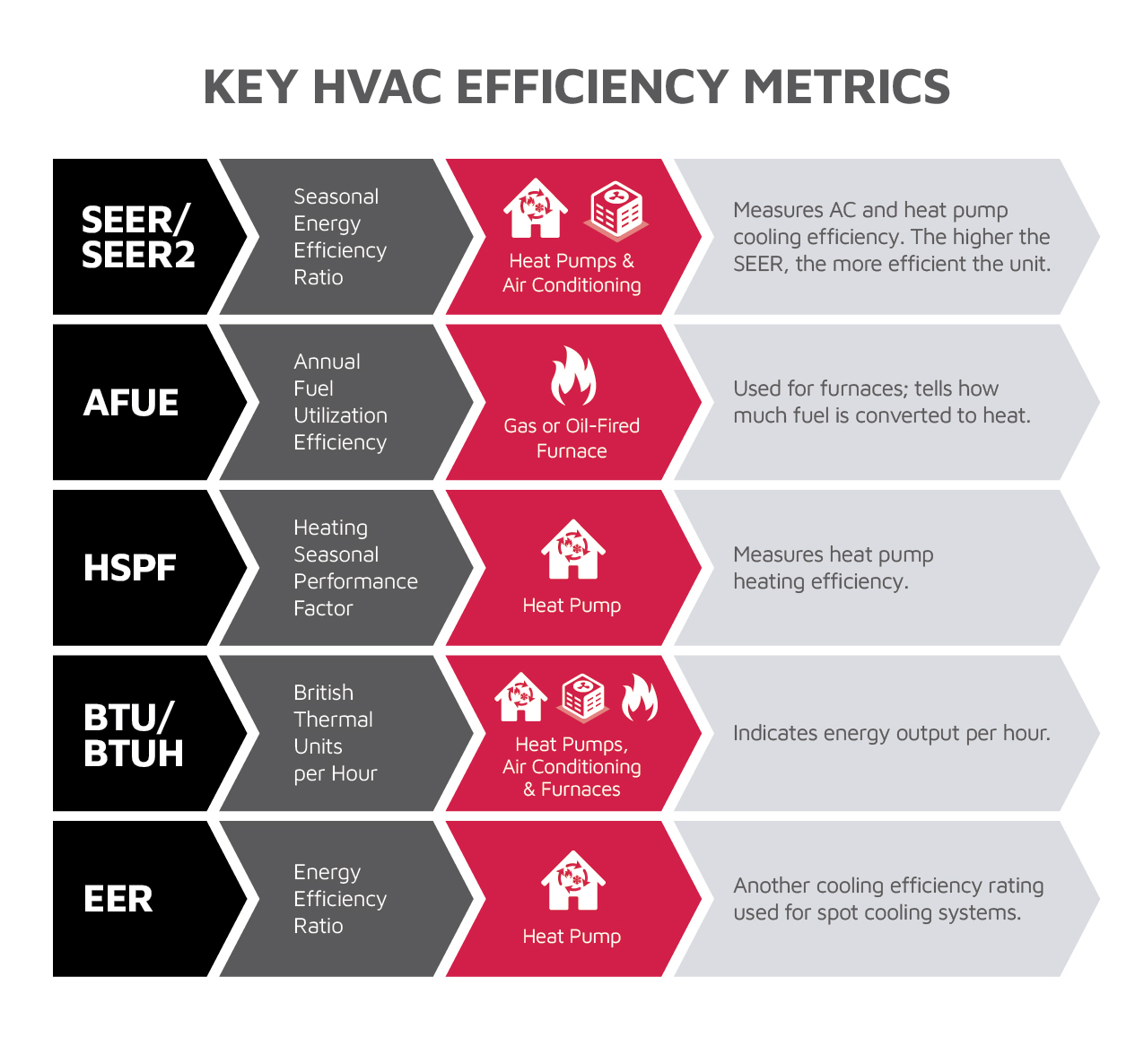
Look for systems with high energy efficiency ratings like SEER (Seasonal Energy Efficiency Ratio) or AFUE (Annual Fuel Utilization Efficiency). These numbers tell you how well the system uses energy.
Higher efficiency means lower energy bills and less impact on the environment. You might pay more upfront, but the savings add up quickly.
Ask yourself: How much can you save annually by upgrading to a more efficient system? Sometimes, small efficiency gains can lead to big savings over time.
Credit: www.tejjy.com
Benefits Of Efficient Hvac Systems
Efficient HVAC systems bring many benefits to homes and businesses. They keep indoor spaces comfortable all year round. These systems also help save money on energy costs. Clean air is another big advantage. A well-maintained HVAC system improves air quality significantly.
Improved Comfort
Efficient HVAC systems maintain steady temperatures inside buildings. They quickly cool or heat rooms as needed. This creates a cozy and pleasant environment. No more hot spots or cold drafts. The system works quietly, avoiding noise disturbances. Smart controls allow easy adjustments for personal comfort.
Lower Energy Bills
Energy-efficient HVAC systems use less power. They run only as much as needed to keep spaces comfortable. This reduces electricity or gas use. Less energy means lower monthly bills. Newer systems often include features that optimize energy use. Proper insulation and sealing work with HVAC to save even more.
Better Air Quality
HVAC systems with good filters remove dust and allergens. They circulate fresh air inside the building. This helps people breathe easier and stay healthier. Removing pollutants reduces allergy and asthma symptoms. Regular maintenance keeps ducts clean and prevents mold growth. Good air quality supports overall well-being.
Maintaining Your Hvac System
An HVAC system heats, cools, and ventilates indoor air for comfort. Keeping it clean and checked helps it run well and saves energy. Regular care prevents breakdowns and extends its life.
Maintaining Your HVAC System Your HVAC system is like the heart of your home, ensuring comfort in every season. But, just like any other critical system, it demands regular care to function optimally. Ignoring its upkeep can lead to inefficiencies, costly repairs, or even complete breakdowns.Regular Inspections
Scheduling regular inspections can prevent small issues from escalating. A professional can spot problems that aren’t immediately obvious to you. Consider setting a reminder to have your HVAC system checked at least twice a year.Cleaning And Filter Replacement
Dust and debris can clog filters, reducing airflow and efficiency. Make it a habit to clean or replace filters every 1-3 months. You’ll notice a cleaner home environment and a system that doesn’t have to work as hard.Signs Of Needed Repairs
Listen to your HVAC system; it often communicates through unusual noises or inconsistent temperatures. If you notice spikes in your energy bill or strange sounds, it may be time to call a professional. Early detection can save you time and money, so don’t ignore the warning signs. Your HVAC system is an investment in your home’s comfort. Regular maintenance not only prolongs its life but also ensures it runs efficiently. What steps will you take today to keep your system in top shape?Latest Hvac Technologies
The latest HVAC technologies make heating and cooling systems smarter and more efficient. They help save energy and improve comfort inside homes and buildings. These innovations use modern tools and designs to control temperature better and reduce waste.
Understanding these new technologies can help you choose the right HVAC system. They offer easy ways to manage indoor air quality and energy use.
Smart Thermostats
Smart thermostats learn your schedule and adjust temperatures automatically. They connect to Wi-Fi, allowing control from smartphones or voice assistants. These devices save energy by lowering heating or cooling when no one is home. You get comfort and savings without manual adjustments.
Zoning Systems
Zoning systems divide your home into sections with independent temperature controls. Each zone can be heated or cooled separately, matching its needs. This reduces energy use by avoiding unnecessary heating or cooling. Zoning improves comfort by targeting specific rooms or areas.
Energy Recovery Ventilators
Energy recovery ventilators (ERVs) bring fresh air into your home while saving energy. They transfer heat and moisture between incoming and outgoing air. This process keeps indoor air fresh without losing warmth or coolness. ERVs improve air quality and lower energy bills at the same time.

Credit: medium.com
Frequently Asked Questions
What Does Hvac Stand For In Home Systems?
HVAC stands for Heating, Ventilation, and Air Conditioning. It refers to systems that regulate indoor temperature, air quality, and airflow.
How Does An Hvac System Work In A Building?
An HVAC system heats or cools air, then circulates it through ducts. It maintains comfortable indoor temperatures and fresh air.
Why Is Hvac Important For Indoor Air Quality?
HVAC systems filter and ventilate air, removing pollutants and allergens. This improves health and comfort in homes and offices.
What Are The Main Components Of An Hvac System?
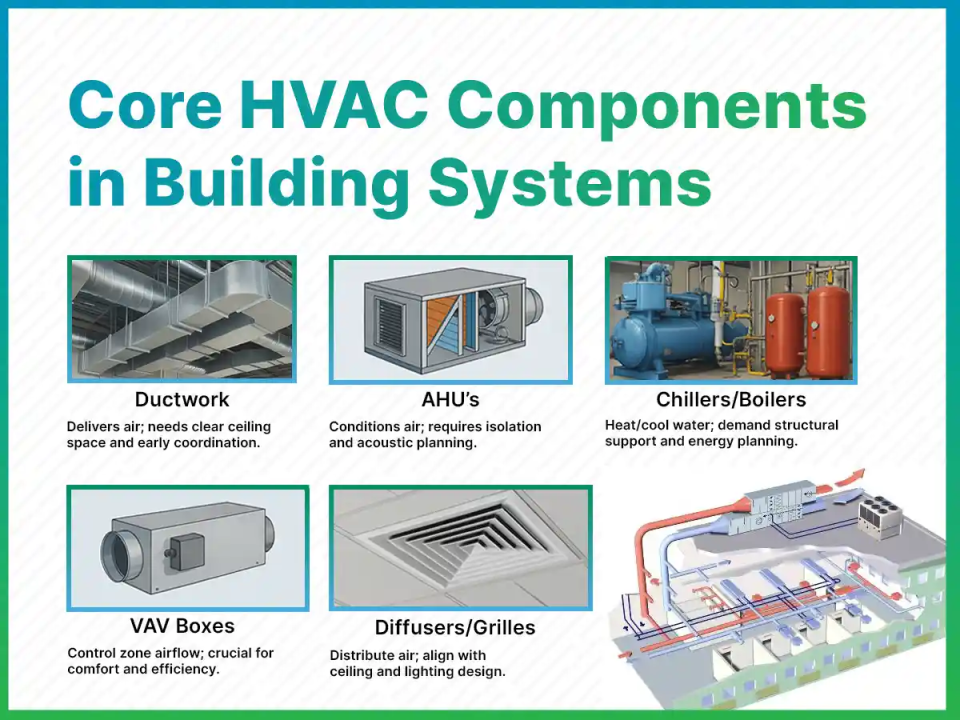
Key components include the furnace, air conditioner, ductwork, thermostat, and ventilation fans. They work together to control temperature and airflow.
Conclusion
An HVAC system controls your indoor air quality and comfort. It heats, cools, and ventilates your home or building. Knowing how it works helps you maintain it better. Regular care keeps the system running efficiently and saves energy. Understanding its parts can make repairs easier and less costly.
A good HVAC system creates a healthy and comfortable space. Take time to learn about it—it makes a big difference.



