
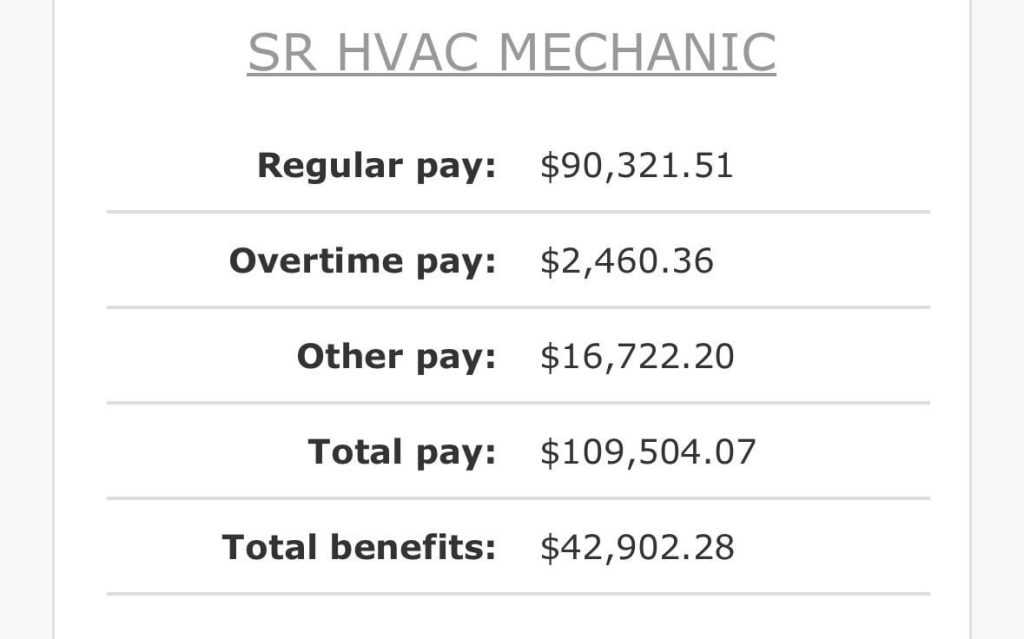
Are you curious about how much an HVAC professional can earn each year? Whether you’re thinking about starting a career in heating, ventilation, and air conditioning or just want to know if it’s a profitable field, this article has the answers you need.
Understanding the potential income can help you make smarter decisions about your future. Keep reading to discover the real numbers behind HVAC salaries and what factors can boost your earnings. Your next big career move might depend on it!
Credit: www.natalieluneva.com
Average Hvac Salaries
Understanding average HVAC salaries can help you gauge what to expect as you advance in this field. Salaries vary widely based on experience, location, and the complexity of the work. Let’s break down what you might earn at different stages of your HVAC career.
Entry-level Earnings
Starting out, HVAC technicians typically earn between $30,000 and $40,000 per year. Your pay might be on the lower end if you’re just learning the ropes or working in a smaller market.
Many beginners find that gaining hands-on experience quickly boosts their value. Have you checked local job listings to see the starting salaries in your area?
Mid-career Income
After a few years, your skills improve, and your salary usually rises to $45,000–$60,000 annually. This stage often includes certifications and licenses that can add to your paycheck.
Think about how adding specialized skills like refrigeration or energy management could impact your income. Are you taking steps to build these qualifications?
Experienced Technician Pay
Veteran HVAC technicians can earn $60,000 to over $75,000 a year, especially if they take on supervisory roles or work in high-demand areas. Experience with complex systems and customer service can set you apart.
Many experienced professionals also earn extra through overtime and maintenance contracts. What strategies could you use to increase your earnings beyond the base salary?
Factors Influencing Hvac Income
Many factors affect how much an HVAC technician earns each year. Income varies widely based on different elements. Understanding these can help estimate potential earnings in this field.
Some factors depend on where the technician works. Others depend on skills and the employer’s size. These details shape the yearly income an HVAC worker can expect.
Location Variations
Location plays a big role in HVAC income. Cities with higher living costs often pay more. Rural areas usually offer lower wages.
States with strong demand for HVAC services tend to have better pay. Climate matters too—hot or cold regions need more HVAC work.
Certifications And Training
More training often leads to higher pay. Certified technicians show they have special skills. Employers value certifications like EPA Section 608 or NATE.
Technicians with advanced training handle complex systems. This expertise can boost their yearly earnings significantly.
Company Size And Type
Large companies may offer steady pay and benefits. Small businesses might pay less but offer flexible hours. Specialty companies often pay more for expert skills.
Working for commercial HVAC firms can differ from residential jobs. Each type affects income levels differently.
Self-employed Hvac Professionals
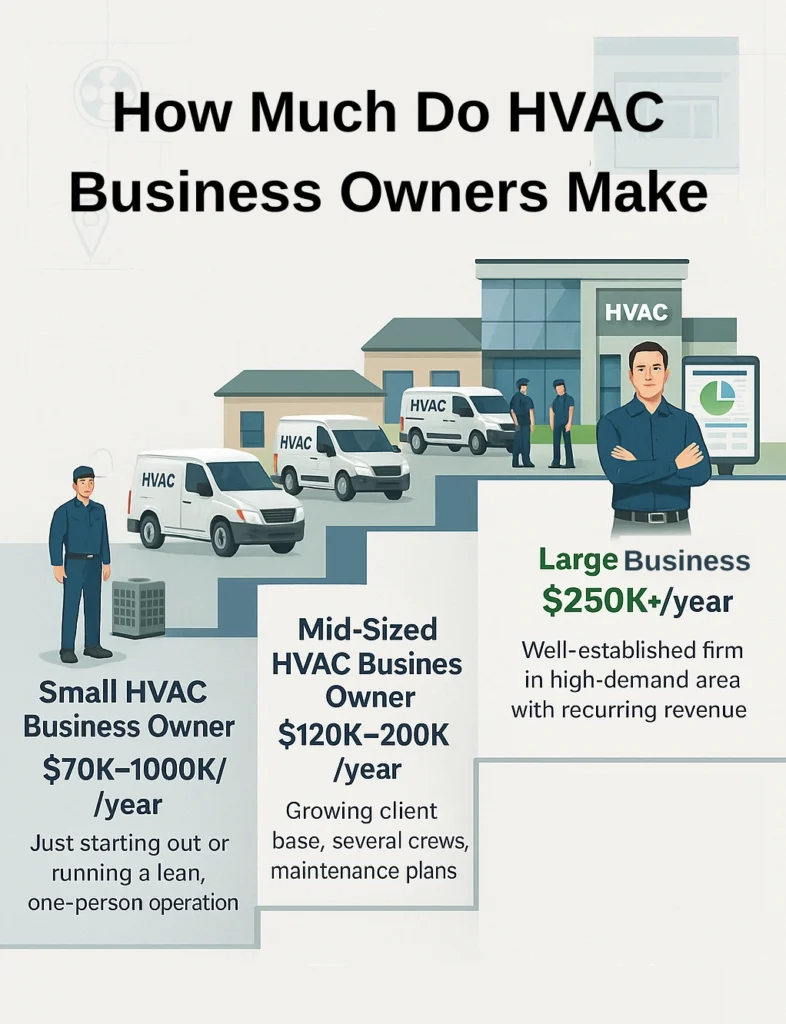
Choosing to be a self-employed HVAC professional means you control your earnings and schedule. But it also means navigating the ups and downs of running your own business. Understanding how much you can make, what costs you’ll face, and how to find clients will help you decide if this path fits your goals.
Income Potential
Your income as a self-employed HVAC technician depends on several factors:
- Hourly rates:You set your own prices, which can range from $50 to over $100 per hour depending on your skills and location.
- Job volume:The more jobs you complete, the higher your income, but this also depends on demand and your availability.
- Specializations:Adding services like refrigeration or commercial HVAC can boost your earnings.
Some self-employed pros report making between $60,000 and $120,000 annually, but those who hustle and build strong reputations often earn more. Are you ready to invest the time and energy to reach the higher end of that scale?
Business Expenses
Running your own HVAC business means managing costs beyond just tools and equipment. Consider expenses like:
- Licenses and certifications
- Insurance (liability and vehicle)
- Marketing and advertising
- Vehicle maintenance and fuel
- Materials and replacement parts
Tracking these costs carefully is vital since they directly impact your net income. For example, ignoring vehicle upkeep can lead to unexpected breakdowns that hurt your schedule and wallet. What expenses can you trim without sacrificing quality?
Client Acquisition
Finding and keeping clients is the lifeblood of your business. Successful HVAC entrepreneurs often use multiple strategies like:
- Word-of-mouth referrals from satisfied customers
- Online reviews and social media presence
- Local advertising through flyers or partnerships with real estate agents
- Offering seasonal promotions or maintenance contracts
Building trust and staying responsive sets you apart from bigger companies. What creative ways can you use to connect with your community and turn one-time jobs into loyal clients?

Credit: www.angi.com
Overtime And Seasonal Work
Overtime and seasonal work play a big role in an HVAC technician’s yearly earnings. Many HVAC workers take on extra hours beyond their regular schedule. These extra hours often come with higher pay rates. Seasonal work also affects income since demand changes with the weather. Cold winters and hot summers boost the need for HVAC services. Understanding how overtime and seasonal shifts influence pay helps paint a clear picture of annual earnings.
Impact On Annual Salary
Overtime work can raise an HVAC worker’s annual salary significantly. Extra hours usually pay 1.5 times the regular rate. This means more money for fewer hours. Some technicians work nights or weekends to earn overtime pay. Seasonal changes create busy periods that require extra help. During these times, workers often put in many overtime hours. This can add thousands of dollars to their yearly income.
Peak Demand Periods
Demand for HVAC services peaks during extreme weather months. Summer heat causes many air conditioning repairs and installations. Winter cold increases furnace and heating system calls. These peak periods often lead to longer work hours. Employers may offer bonuses or extra pay to meet demand. Technicians who work during these times can boost their earnings. Seasonal busy seasons are key to higher annual wages in HVAC jobs.
Additional Income Opportunities
HVAC professionals can earn extra income through overtime work, weekend jobs, or seasonal repairs. Offering maintenance contracts or emergency services also boosts yearly earnings. These options help increase overall income beyond the standard salary.
Exploring additional income opportunities can significantly boost your earnings as an HVAC professional. While the core of your income may come from installations and repairs, diversifying your services can open doors to more revenue streams. Let’s delve into some of the ways you can enhance your HVAC income.Specialized Services
Offering specialized services can set you apart in the HVAC industry. Consider focusing on energy-efficient systems or advanced HVAC technologies like smart thermostats. These services can attract clients looking for innovative solutions, and often come with a higher price tag due to their specialized nature.Maintenance Contracts
Securing maintenance contracts is a reliable way to ensure steady income. By offering annual or semi-annual maintenance plans, you create a consistent workflow and build long-term relationships with clients. This not only provides stability but also opens opportunities for upselling additional services when needed.Consulting And Training
Your expertise is invaluable, and sharing it can be profitable. Offering consulting services to businesses or training programs to new HVAC technicians can be a lucrative venture. Whether it’s advising on HVAC system choices or providing in-depth training sessions, you position yourself as a leader in the field, which can enhance your reputation and income. By leveraging these opportunities, you can transform your HVAC business from a traditional service provider to a multifaceted enterprise. Have you considered which of these avenues align with your skills and interests?Industry Trends Affecting Earnings
The HVAC industry is changing fast. These changes affect how much professionals earn yearly. Understanding these trends helps explain shifts in salary and job opportunities.
Technological Advances
New tools and systems make HVAC work more efficient. Smart thermostats and automation reduce manual labor. Technicians with tech skills earn higher wages. Staying updated on technology boosts job value.
Green Energy Demand
Energy-efficient HVAC systems are more popular now. Customers want eco-friendly and cost-saving solutions. Experts in green technology find better pay and more jobs. Knowledge of solar and geothermal systems is a big plus.
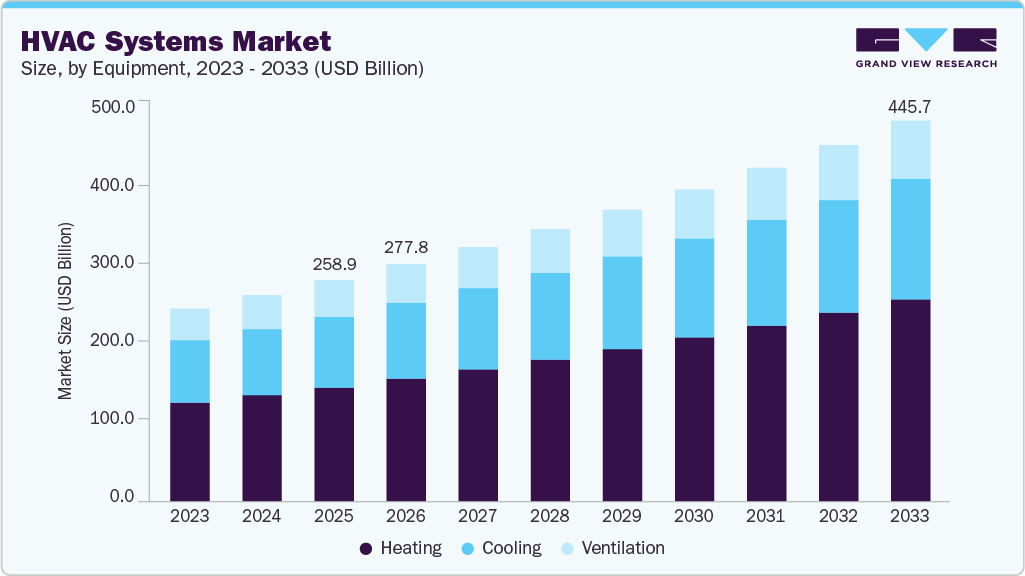
Market Growth
The HVAC market grows with new buildings and renovations. More demand means more jobs and higher salaries. Urban areas often offer better pay due to high demand. Growth encourages training and certification opportunities.
Credit: www.grandviewresearch.com
Frequently Asked Questions
How Much Does An Hvac Technician Earn Annually?
An HVAC technician typically earns between $40,000 and $60,000 per year. Experience, location, and certifications impact this range. Specialized skills and overtime can increase earnings.
What Factors Influence Hvac Yearly Salary?
Factors include experience, certifications, location, employer type, and overtime availability. Higher demand areas and specialized skills often lead to better pay.
Do Hvac Salaries Vary By State?
Yes, HVAC salaries differ by state. States with higher living costs usually offer higher wages. Demand and local economy also affect pay rates.
Can Hvac Experience Increase Annual Income?
Yes, experience significantly boosts HVAC earnings. Skilled technicians with years of practice command higher salaries and better job opportunities.
Conclusion
HVAC jobs pay well and offer steady income. Salaries vary by experience, location, and skills. Many workers earn bonuses or overtime pay. Training and certifications can increase yearly earnings. The field has room to grow and advance. It suits people who like hands-on work.
Choosing HVAC as a career can provide financial stability. Consider your interests and local demand before deciding. A good HVAC job can support a comfortable lifestyle. Keep learning to improve your salary over time.



